La permanencia de Gertz Manero como Fiscal y su posible embajada reviven la paradoja de la edad. A sus 86 años estamos hablando de su próximo trabajo mientras las corporaciones privadas imponen límites (70-75) para sus CEOs. Tampoco se entiende bien a cambio de qué es ese premio.
The past century delivered extraordinary gains in income, health, and opportunity.
The next one could do the same – even better.
The McKinsey Global Institute's new book argues that a world of plenty is possible – even for 12 billion people – if we make the right choices. Available now ➡️ https://t.co/r6c33eM2DL
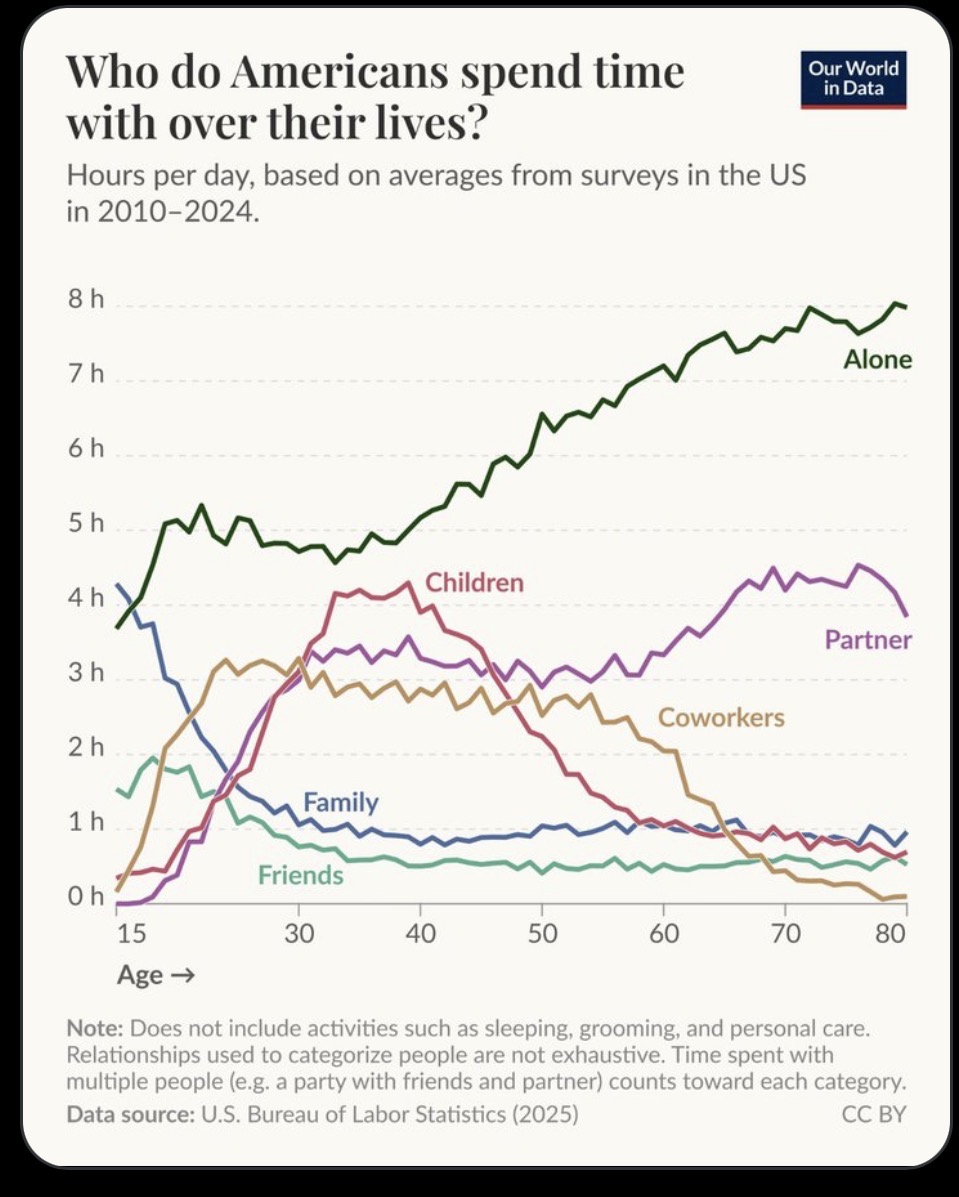
Boosting longevity isn’t about cold plunges, red light therapy or supplements. It’s about your nearest and dearest, writes Ezekiel J. Emanuel. 🔗 https://t.co/PiIT8RiGF5
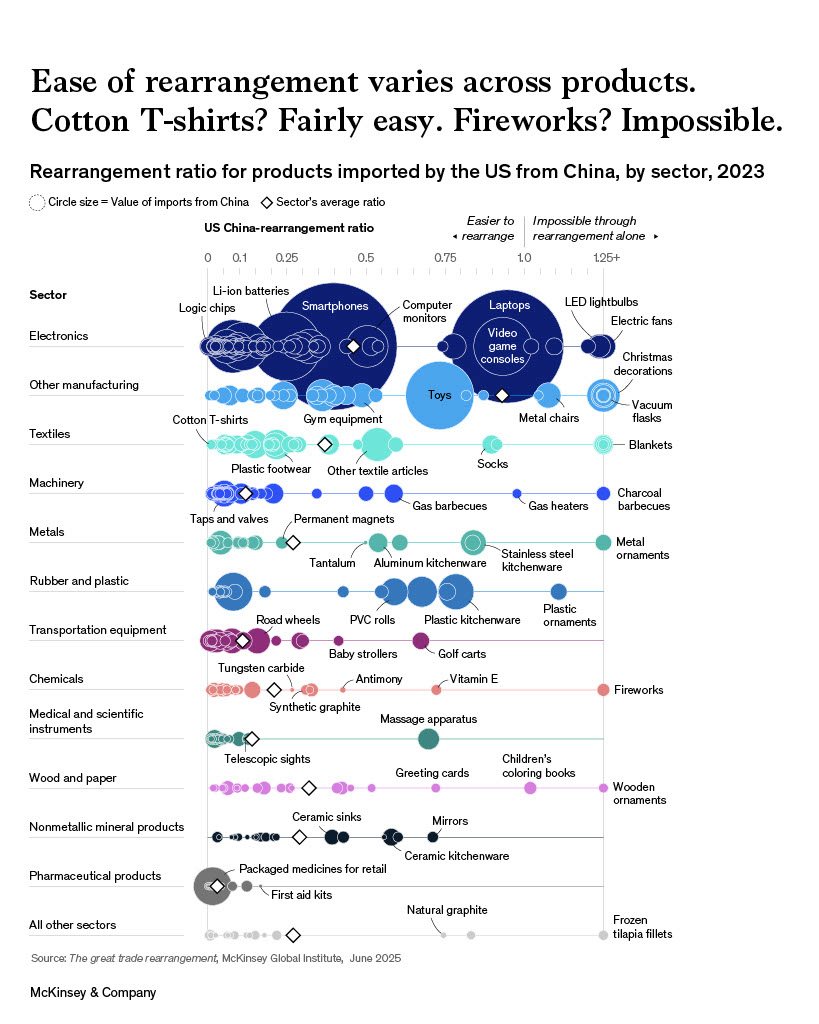
Amid pressure on US–China trade, firms may look to rearrange sourcing to alternative suppliers. We introduced a “rearrangement ratio” to quantify how hard the change might be.
2025 in charts 📊: https://t.co/jpvcyTMjmR
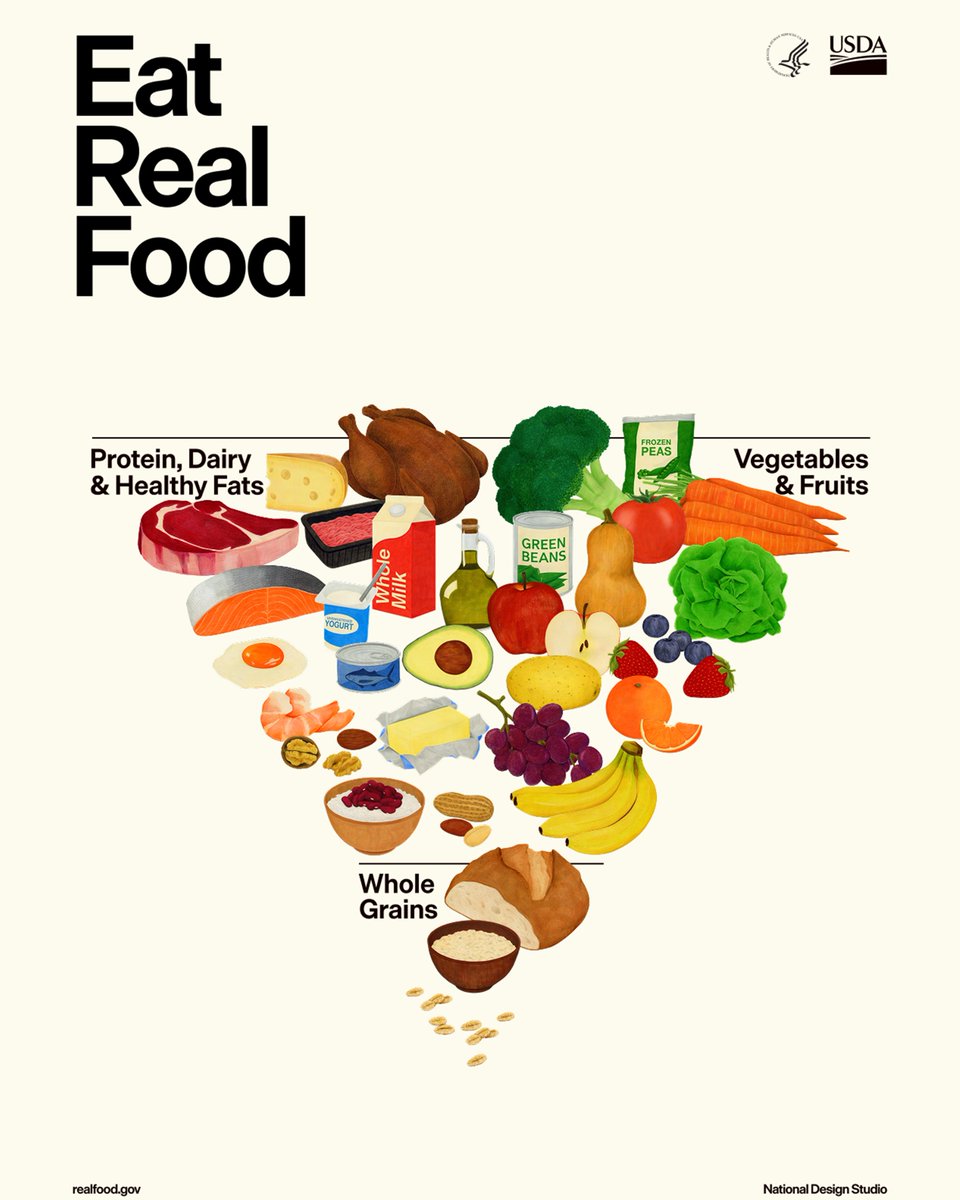
BREAKING: The Trump Administration announces the 2025-2030 Dietary Guidelines for Americans, putting REAL FOOD back at the center of health. 🇺🇸
https://t.co/tkGF01onpm
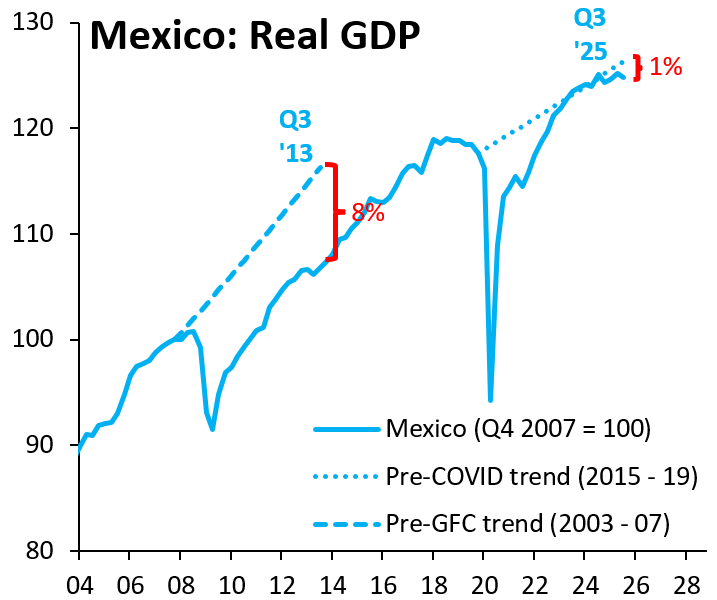
Mexico's growth stagnation in one chart. In the 5 years before the 2008 crisis, trend growth was 3% per year. In the 5 years before COVID, it was 1%. Even with this very low trend growth rate now, an output gap is opening up as Mexico's GDP stagnates...
https://t.co/1aWhAB6xJL
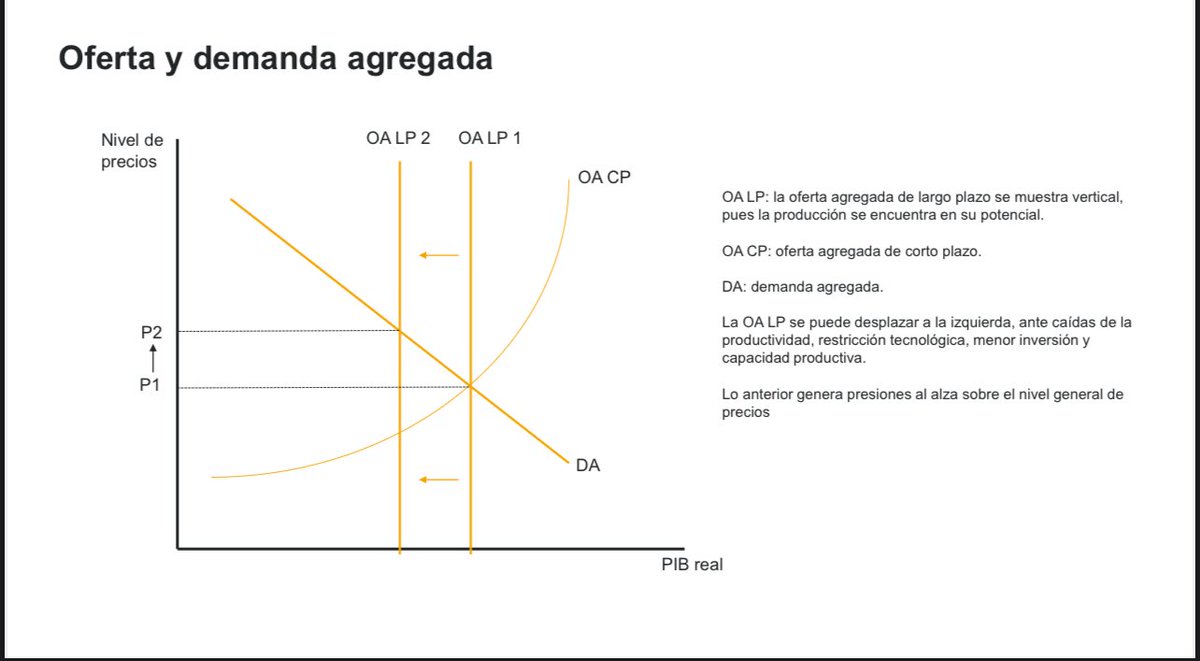
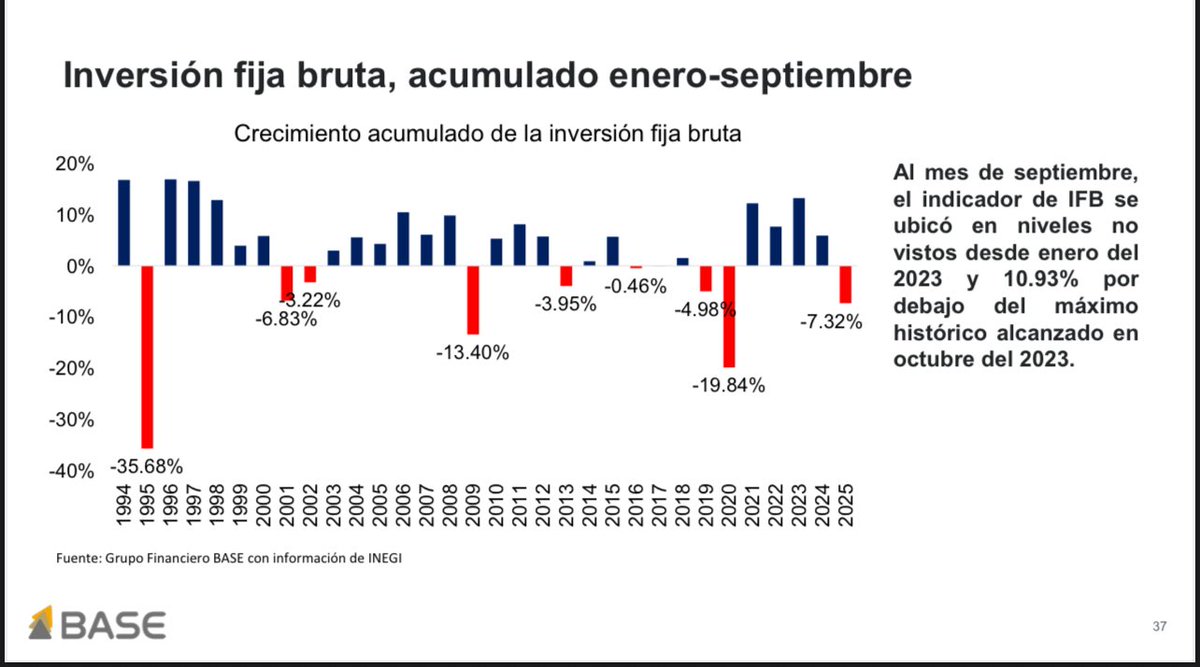
La economía de México sufrió cambios estructurales que se han reflejado en caídas en la inversión, lo que ha disminuido el PIB potencial. Con esto, será mucho más difícil alcanzar los crecimientos de 2% que antes parecían poca cosa.
Además, al Banco de México le costará más regresar la inflación al 3% objetivo, pues con menos capacidad cuesta más producir.
Modern social science finds that Saint Thomas Aquinas’s recipe for “imperfect happiness” turns out to be perfect. @arthurbrooks on the theologian's blueprint for living: https://t.co/brdtkelWIe
En México, la producción de autos ligeros 🚙🚗 registró una caída anual de 8.36%, sumando cuatro meses
consecutivos de contracción anual, algo que no se veía
desde el periodo de julio de 2021 a enero de 2022,
cuando la producción cayó siete meses al hilo.
Además, la caída en la producción es la mayor para un mes de noviembre desde 2021.
En comparación con el máximo histórico para un mismo mes, registrado en 2017, la producción de octubre registra una caída de 7.82%.