Platypuses exported to USA in 1943 had to be fed worms on the voyage, supplemented en route by Pitcairn islanders who rowed out to their ship with fresh supplies - unexpected fact of the day! #AHG22
A recent vet discovery by @forumauctions, acquired by a lucky collector/library, is Bracy Clark's Reflective Diary, the existence of which was known (1859 pamphlet). So I thought over the next week I'd post snippets from his reflections. #ReflectionFTD@RCVSKnowledge@VetHistSoc
@MatthewStadlen@timspector That’s exactly why he specified that this is a single anecdotal report. That’s how lots of sci knowledge starts: anecdotal accounts are useful early indications that can be followed up robustly later as time passes. COVID loss of smell was first noticed like this, eg.
President Andrew Goddard - Royal College of Physicians: Stop unethical sale of rare books collection - Sign the Petition! https://t.co/RycVPahdLo via @UKChange
This Friday, for the first time in 176 years, @theRCVS AGM will be held virtually. This week we will be sharing highlights from our Digital Collections, celebrating how you can still explore our archives online.
Archivist Lorna explains more:
https://t.co/kjMxJiCzYE
"Of the ladies I remember, all of whom qualified MRCVS in the 1930s, there were three for whom I had the greatest admiration and respect"- Bruce Vivash Jones @VetHistSoc on the extraordinary achievements of some early pioneers #StandingOnHerShoulders https://t.co/Wokb6PbmMC
Back after lunch, and our afternoon programme kicks off with Mike Hinton on a mock ‘trial’ at a local @BritishVets (then the NVMA) meeting in Kent in 1928 - staged with 2 lawyers, one a barrister who was also a vet, Major Duncan FRCVS.
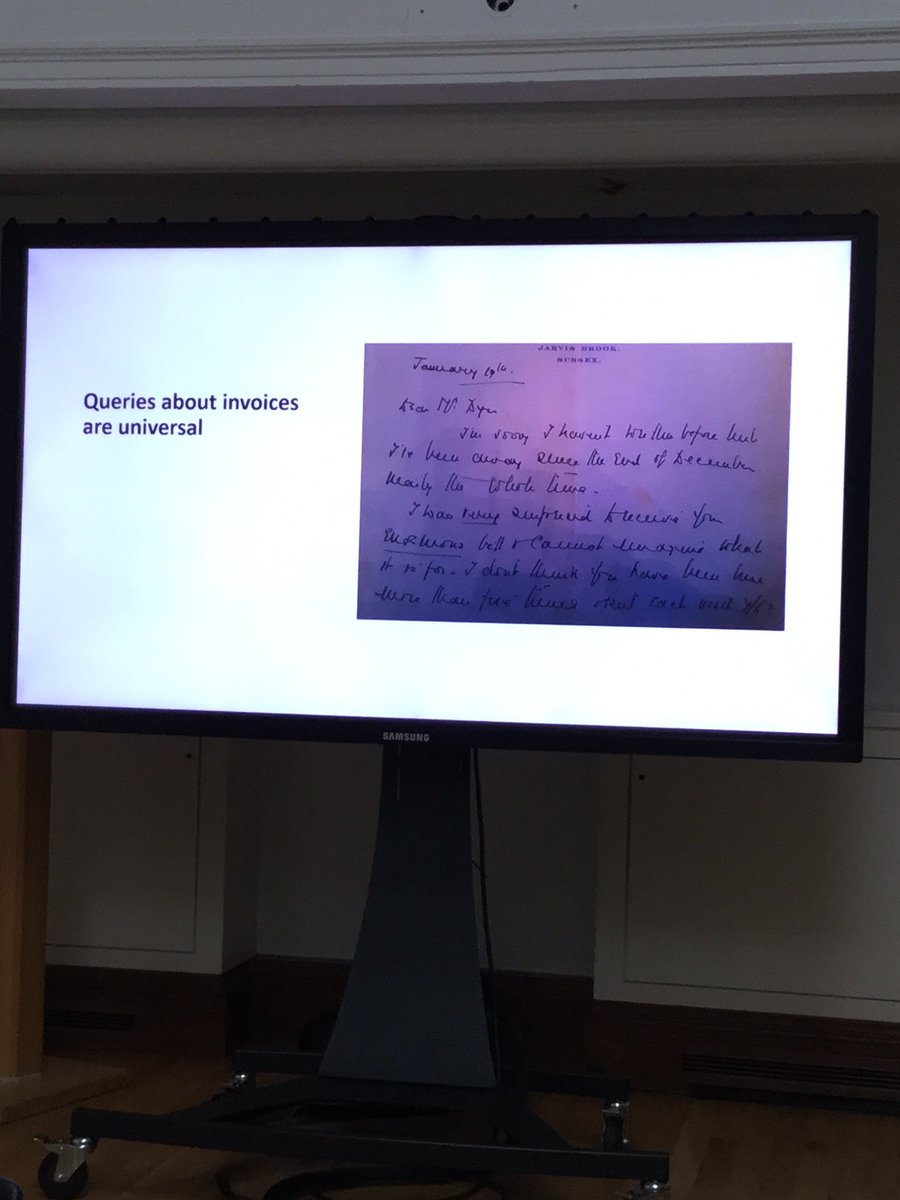
Clients included Arthur Conan Doyle! Probably bonded with Dier over Labradors, which they both had. Various other relatives were vet practitioners or pharmacists. One (grandfather) served in WW1 in army veterinary corps.