Certainly. This industry is popularized by social media platform, which is a lack of transparency. Audience and consumer should have their own judgement for quality of the product in the ads. Also, the celebrities have duty for selection of their products. #arin2610
I think Internet celebrities need to be selective in promoting products. In addition, Internet supervision and consumer judgment are also very important.#arin2610 what do u think? @Vickyyyan@Doris43872633@Yaxuan_66
Yep I feel like the same way. Uber is famous of its speed and convenience. Many people choose to trust the online taxi app since it shortened the waiting time to a great extent. #arin2610
Certainly. Some app like Wechat and YouTube published the teenager version for children to prevent toxic information and effect of social media.#arin2610
Children are good at imitation,and it is easy for social media to convey negative information to them before they have the ability to distinguish between right and wrong. Social media should limit what children can see. Parents need to limit their children's online time #arin2610
In today's society, the daily lives of Internet residents are closely related. The following video clearly explains how cloud computing provides services #arin2610@Vickyyyan@Christi46206116
Cloud Computing Services Models - IaaS PaaS SaaS Explained https://t.co/VWYtibW4Fz
Actually it could also be used as instrument to make profit. Alibaba company uses the algorithm to detect and recommend relevant goods for consumer. In this way, consumption trap is set to attract more customers. It is hard to define it by morality. #arin2610
Social media will recommend relevant content according to customers' preferences. This method provides convenience for users to some extent, but at the same time, it also involves the privacy leakage of users.#arin2610
Yea I feel like the data infrastructure city is building up. Not only reflect on the public service but also the technology indoor. The operation of technical furniture is the representation of smart city. #arin2610
Agree! Most of ‘daily blog’ of the celebrities are advertising product for the brands. The celebrities build a sense of they actually bought the products for use, but it always a new kind of advertisement to guide their fans to buy. #arin2610
Social media has gradually become a platform to promote consumption. Bloggers with a certain number of followers purchase and share on social media, while fans tend to follow bloggers to buy the same things, thus forming a fan effect, that is, traffic realization.#arin2610
Yes! Celebrities get rewards from live-streams by advertising. With high popularity, they create a new business mode in the social media platform. But it also leads to impulsive consumption for the audience. As consumer, we should be more conscious about it #arin2610
I agree! Online education offers a convenient way to access to our pedagogy practice, but I feel like hard to focus when I have class online. A lack of teaching experience and atmosphere makes me regret choosing this education mode.#arin2610
I think online teaching does solve the problem of people being unable to go out because of COVID-19, but such teaching greatly reduces the participation of students and instructors in class and has a great impact on the quality of teaching. #arin2610
Exactly. Usually our information would be used by the third party for advertising. It becomes a compulsive action since the Covid-19 offer a perfect excuse for it. #arin2610
The AR reality educational platform create a new platform to teach young generation about Indigenous language, laws and customs. The vivid image and animation raise children ‘s interest to learn more about indigenous people. #arin2610
Yes! When I get leisure, I can’t help myself to view the short video. Unconsciously it would invade and steal my working time since there is not such a specific time display in the interface of Tiktok. I think it is how it works to attract audience to stay in Tiktok.#arin2610
Who is harvesting your fragmented time? #arin2610
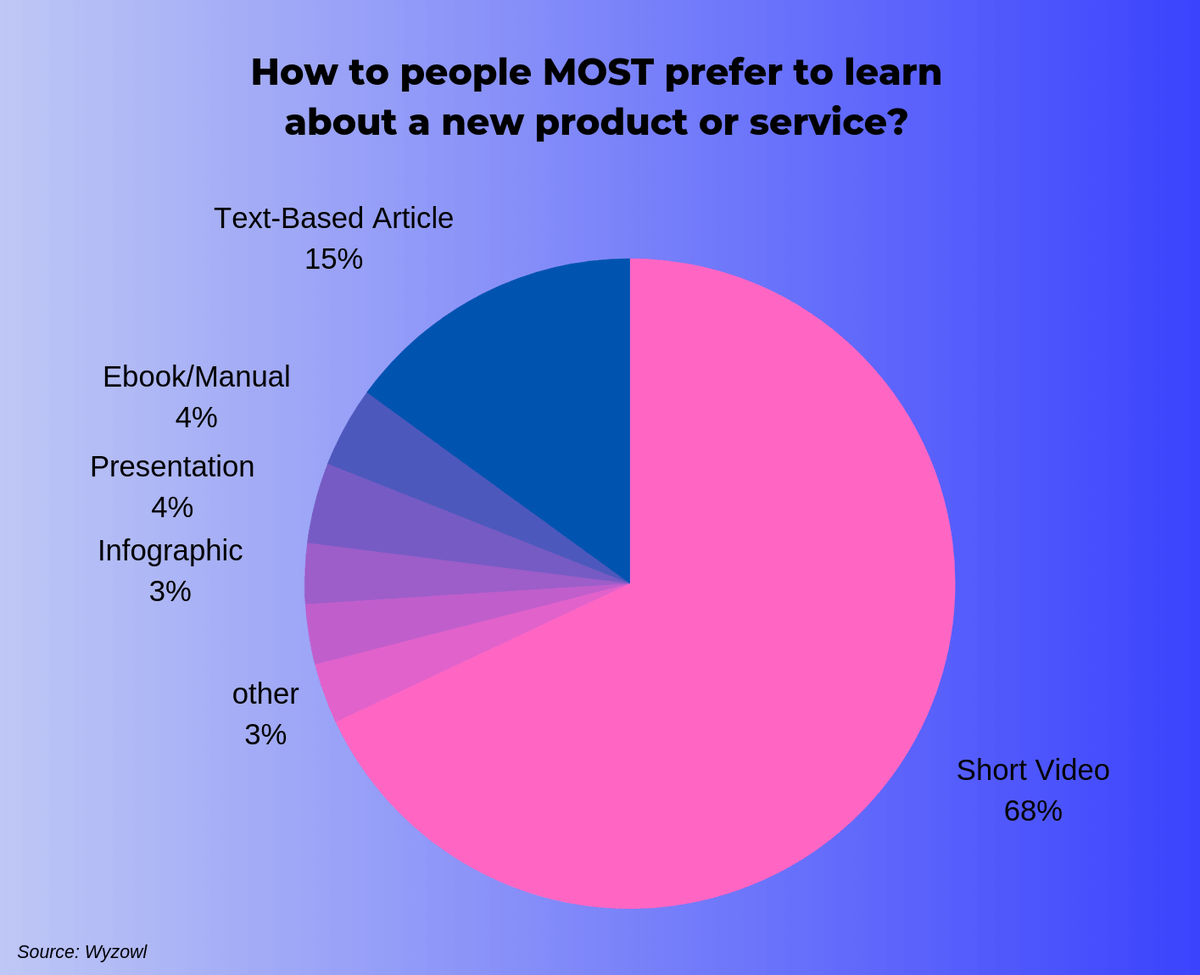
The short video industry has 845 million active users, with a penetration rate of over 74%, accounting for 20% of the entire network user market, making it the second largest Internet industry after instant messaging.