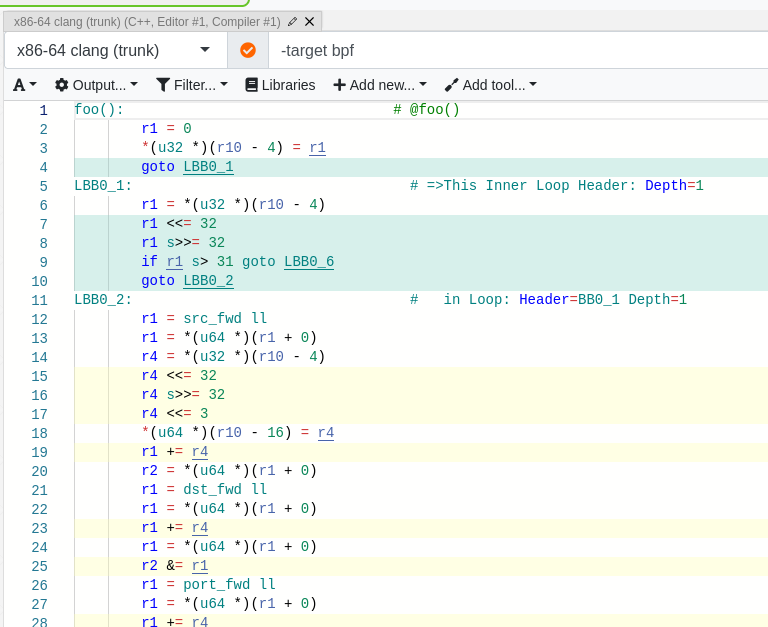
New blog post for those who are curious about performance of BPF programs:
https://t.co/gZzNP208ot
We talk about topics like Instructions Set versions, Top-Down for BPF and simple modeling.
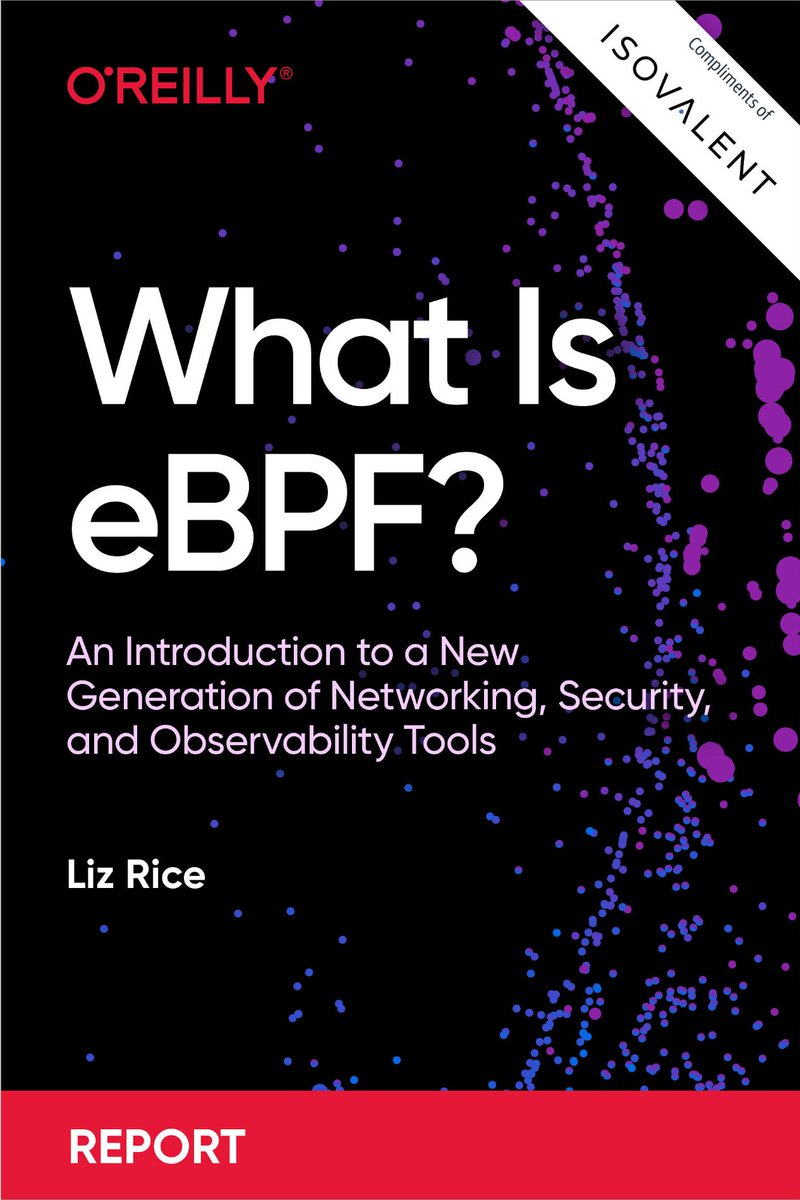
I just finished reading @lizrice's "What is #eBPF?", an easy-to-read introduction to eBPF for non-sysadmins (like me) https://t.co/4cJeO7N5ZH
It got me interested in trying to get my hands dirty as I'm a learning-by-doing guy
Tejun Heo proposed a "BPF extensible scheduler class" for the #Linux#kernel's process scheduler which allows scheduling policies to be implemented as #BPF (aka #eBPF) programs: https://t.co/Yq3cZPqsvu
Trying out Python 3.12's support for Linux #perf (https://t.co/U4qBZq0uSD), along with JIT compiled C++ code and CLING_PROFILE=1 from ROOT to make it more fun. See full flamegraph at https://t.co/gIIrKzGYFl.
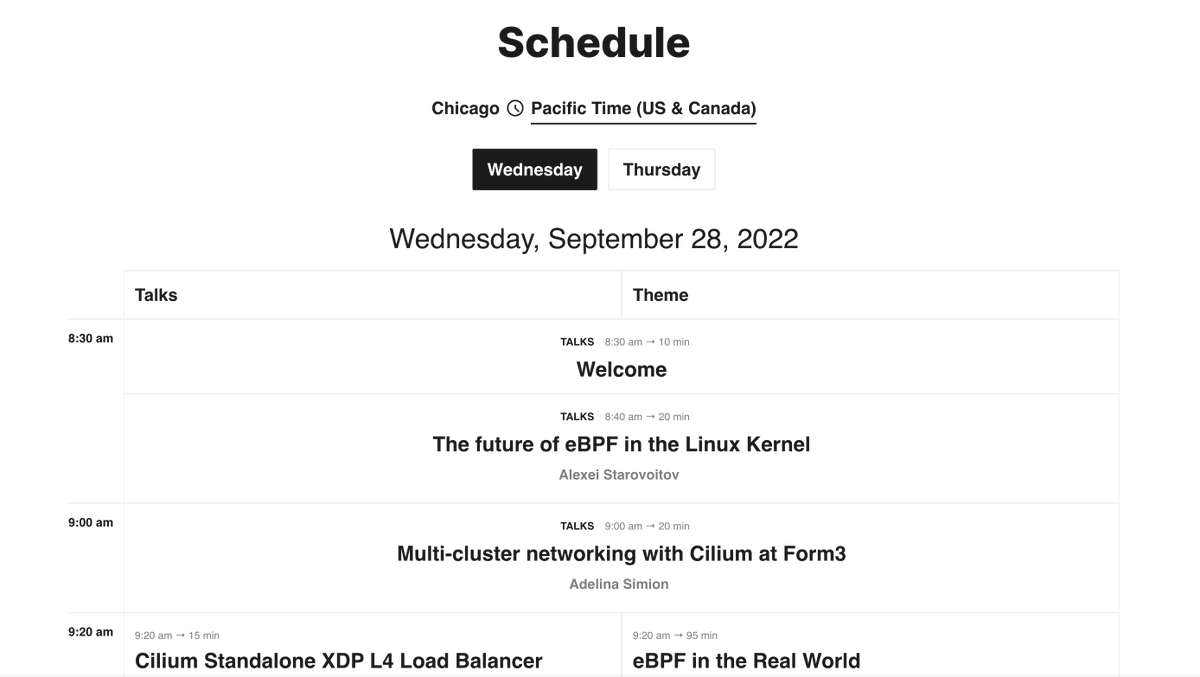
🐝 eBPF Summit Schedule is now live 🐝
32 talks for eBPF Summit 2022 across eBPF in the Real World, for Networking, for Security, and Programming and Internals
https://t.co/qbvs4713sj
@andrewbrown I can't remember how many times I've compiled MySQL or another app in a certain (more debuggable) way, populated a database, tried a workload, no another workload, no another...just for one tool screenshot!
More @HarfBuzz study: "The case of the slow hb-ft h_advance function"
https://t.co/EkKQMV6LXy
I investigate why measuring the horizontal advance-width of glyphs via FreeType font-functions in HarfBuzz is ten times slower than using the internal HarfBuzz font-functions.
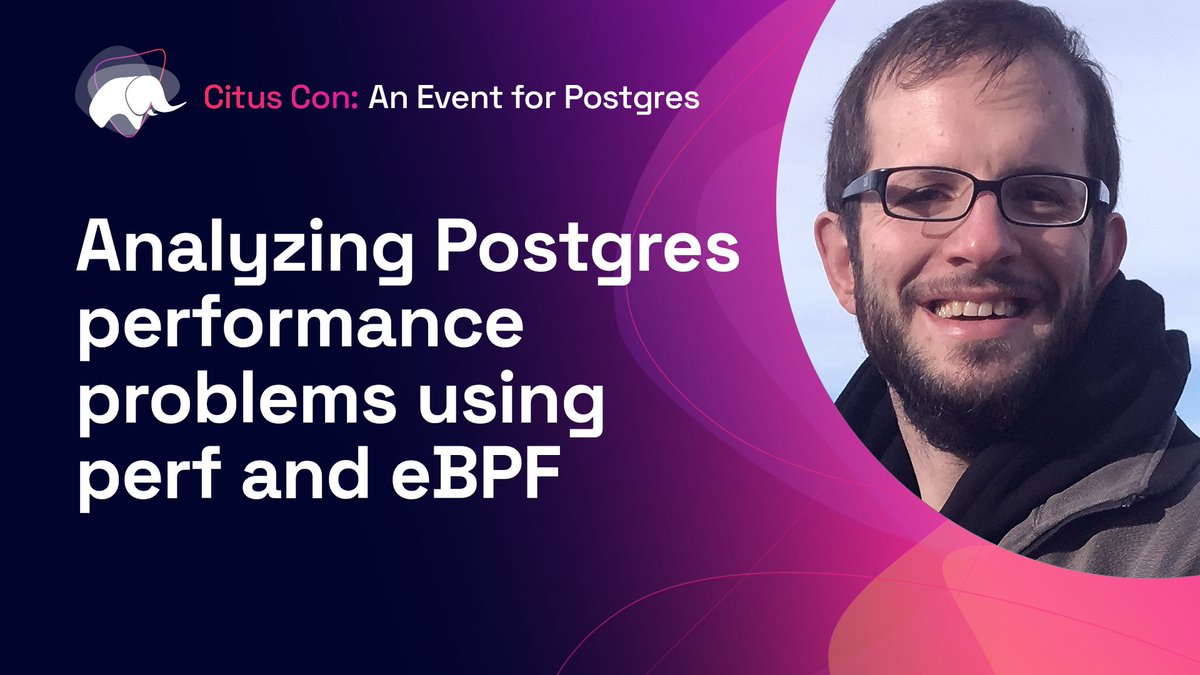
If analyzing @PostgreSQL performance 🔎 📈 is your jam, this 📽️ talk is for you. It's by @AndresFreundTec of Microsoft & of the PG core team—and it's about "Analyzing Postgres performance problems using perf & eBPF." A true deep dive from an expert. Enjoy! https://t.co/djdoEFpaWL