There are essential medicines for cancer for which MRP is ₹27000 and PTR (price to retailer) is ₹2700. That’s absolute rampage and carnage and broad day light dacoity with the patients. How can a patient be cheated for a medicine which the manufacturer sells to the retailer at ₹2700 and MRP is printed at ₹27000? It is surprising that the authorities who are supposed to take a decision on this are absolutely silent. We need not spell out the reasons for that: Supreme Court
@DmAraria@IPRDBihar@RCD_Bihar Bus stand se ghodi chowk NH-57 ke dono side me kafi Jaam lagta hai , khas kar Dr Kumar Aanand ke clinic se mahadev chowk tak
@dranuj_k 90% government factory band ho gaya hai madicine banane wali tabi to modi je ne private sector ke madicine banane walo ko price maximum se maximum karne ka khula chuut de rakha hai aur dalali me kafi Sara CHANDA leta hai madicine banane wale private company se .
The most expensive part of a hospital bill may never touch the hospital at all.
A patient admitted for care has no way of knowing whether the price on a medical consumable reflects its actual cost or a markup fixed long before it ever reached the ward. That gap in information is, at its core, a public health issue.
A survey of hospital consumables in Maharashtra found an IV infusion set with a trade price of ₹11.05 carrying a printed MRP of ₹325 ; a markup of 2,841%. A syringe procured at ₹6.75 carried an MRP of ₹57.20. A catheter procured at ₹29.41 carried an MRP of ₹310.
These are not elective purchases. Patients cannot compare prices, seek alternatives, or question a number printed on a box while receiving care and the MRP itself is often fixed upstream by manufacturers and distributors, disconnected from the trade price by a wide, unexplained margin. The result is a system where the party bearing the cost has the least information to evaluate it.
The regulatory gap is structural: scheduled medicines are capped under the Drugs (Prices Control) Order, 2013. Most medical devices and consumables are not leaving both the pricing and the information around it almost entirely unmonitored.
A review of these findings and clear guidelines on the permissible gap between trade procurement price and declared MRP have been recommended to the Department of Pharmaceuticals and the NPPA ; a step toward closing not just a pricing gap, but the information gap patients are left to bear alone.
#PublicHealth #GoodGovernance #Leadership #TukaramMundhe
https://t.co/Ye9CVzr8qU
@BiharRevenue Sabse pahle Data entry karne walo ko immediately suspend kare jo galat entry karta hai aur pareshan aam Aadmi hota hai faida karamchari utata hai.
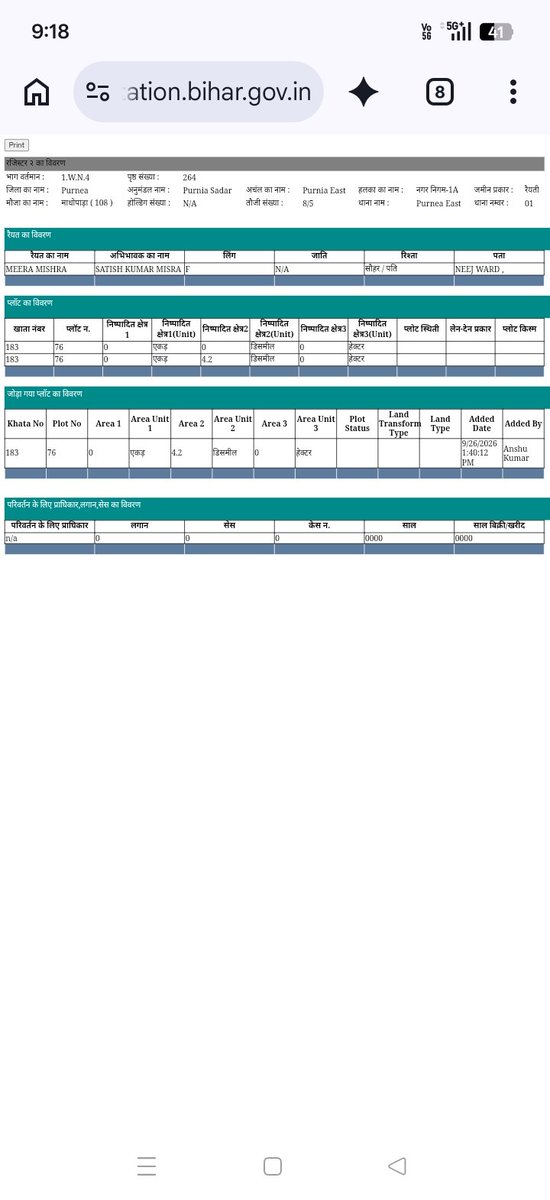
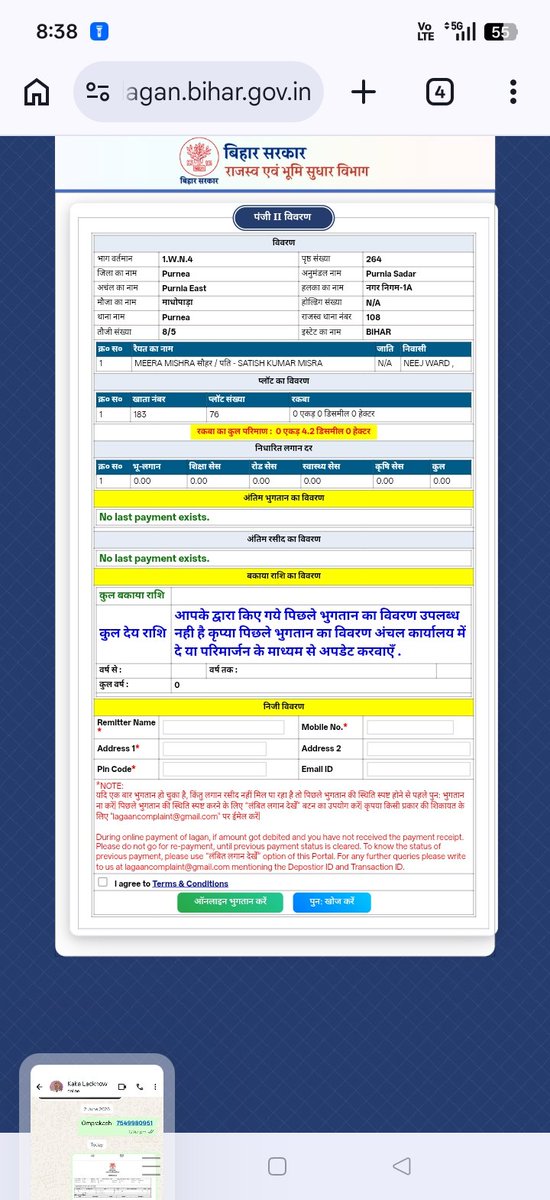
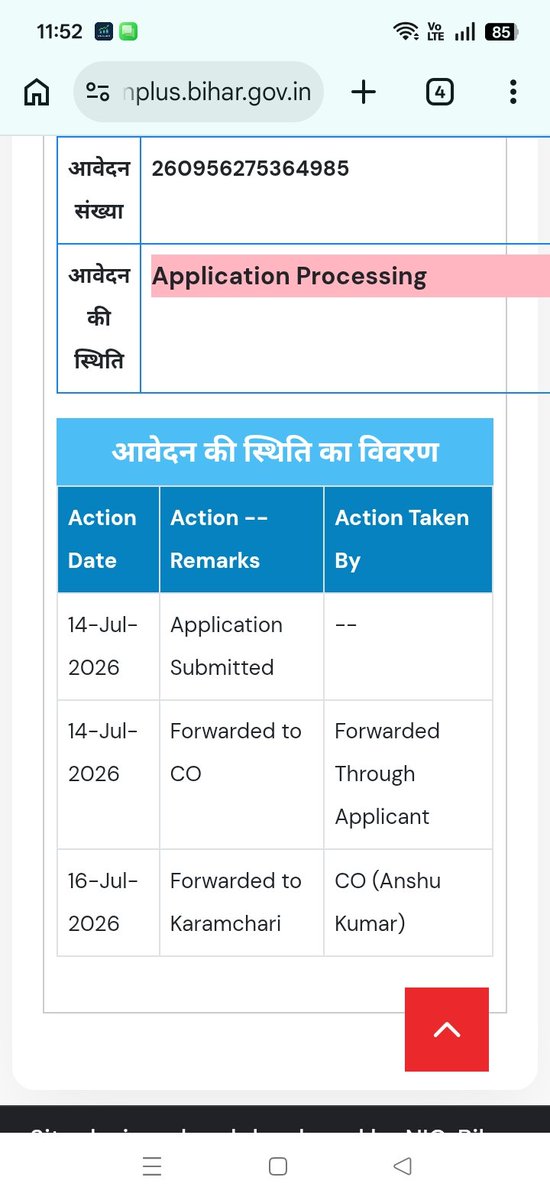
@BiharRevenue@samrat4bjp@DilipJaiswalBJP@IPRDBihar 1 mahine 24 din ho gaya hai abi tak parimarjan nahi ho paya hai jiske karan LAGAAN RASHID online payment nahi ho raha hai . Karamchari rupea lene ke aas me parimarjan ko pending kiye huea hai. Please take action immediately ?