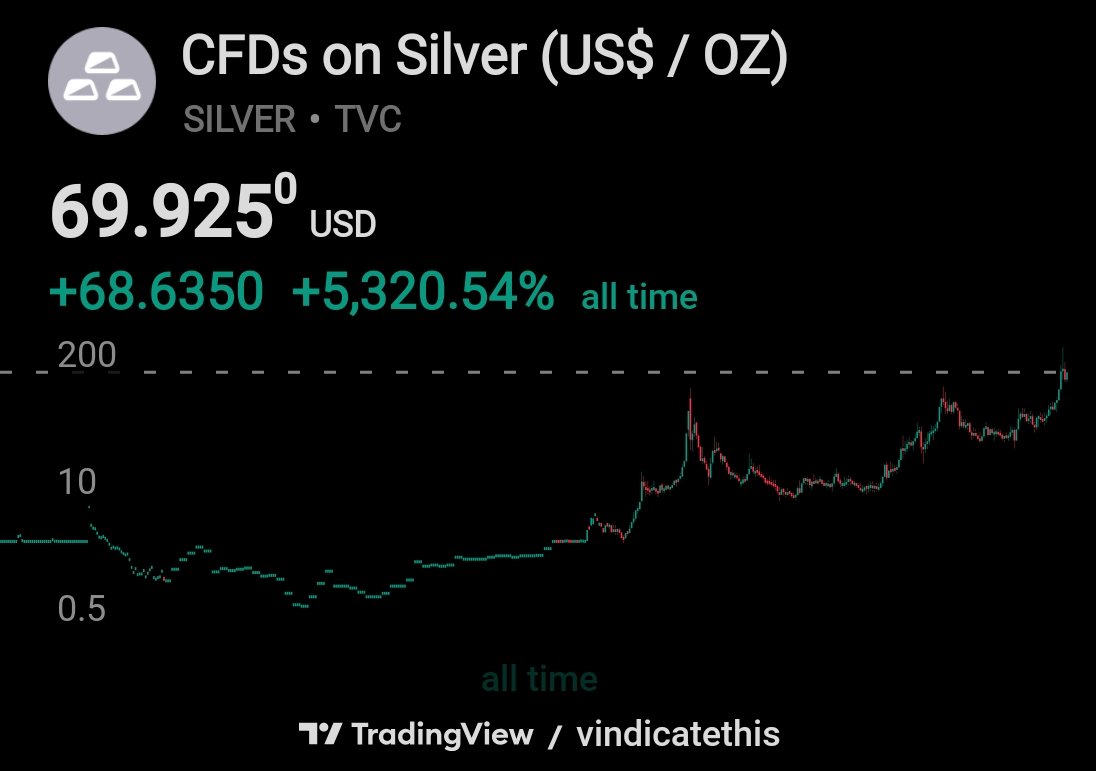
Y'all seeing a silver cup with handle at the end there as well, or is it just me?
Might be time to buy in soon, unless we see some more of the shit show
@AkiraToriyama I mean, she represents a physically peak human form (enough to fight fukin Zangief); so I think the trouble is anyone thinking Cammy to be a "standard".
@RespectfulMemes I believe it's called a caffeine alarm clock. You drink caffeine, get napping before it hits, then you wake up fresh with the caffeine hit.
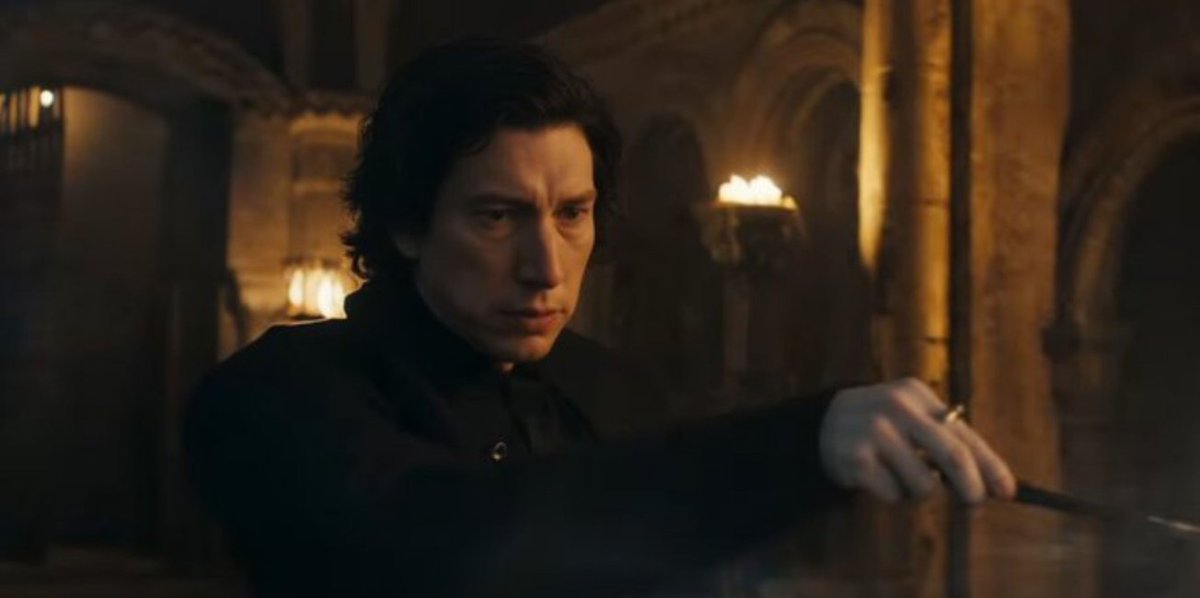
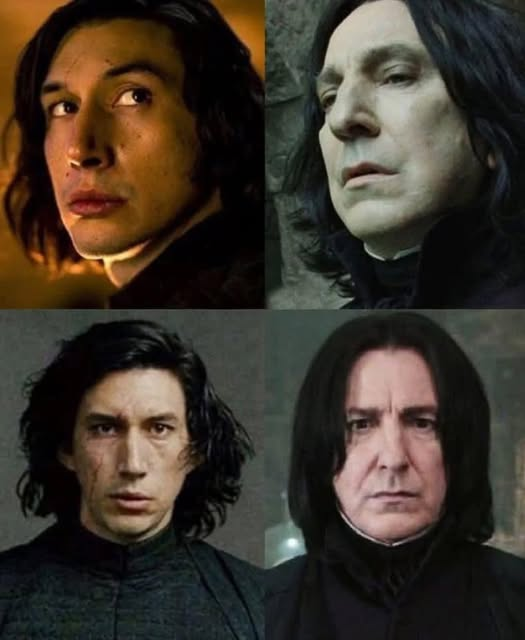
I truly think this was a generational casting mistake
Alan Rickman's Snape IS Snape
Adam Driver could have played the most significant, and emotional role of his life. Not only as Snape, but as an actor perfectly suited to fill the shoes of Alan Rickman's Masterpiece
"greasy-haired man with a pale, sneering face”
“stringy, pallid look about him”
“sallow skin, a hooked nose and greasy, shoulder-length black hair”
I have never read a convincing argument that Mustafa Kemal Atatürk had anything to do with the decisions and actions that led to the massacres and the disappearance of Armenians from Anatolia and Constantinople.
He was not indicted or tried in the Ottoman war-crimes tribunals, he was not among the Malta exiles detained by the British, and crucially there is no reliable evidence that he was included in the target lists compiled by the Armenian Revolutionary Federation for Operation Nemesis – the blacklist of roughly two hundred Ottoman officials whom Armenian militants held responsible after the war.
This is particularly notable because the ARF had been close political allies of the Committee of Union and Progress before the fall of Abdulhamid II. They had conspired together, eaten and drunk together, and knew very well the leading figures of the Young Turk movement who ultimately betrayed them.
While this is mostly absence of evidence, we also have an interesting contemporary statement. On 24 April 1920, speaking in the newly convened Grand National Assembly in Ankara, Mustafa Kemal referred to the former CUP leaders who had fled abroad and described the deportations and massacres of Armenians as “shameful” (using wording translatable also as "atrocious", "disgraceful", ..) acts committed by that previous leadership. Decades later the Turk-German historian Taner Akçam used this phrase as the title of his book on the subject: "A Shameful Act".
Given Mustafa Kemal’s later prominence in Anatolia and the central role he played in the events that followed the collapse of the Ottoman Empire, one might expect clearer accusations or evidence from those contemporary Armenian circles had he been involved in the wartime decisions themselves. Yet such evidence has never emerged.