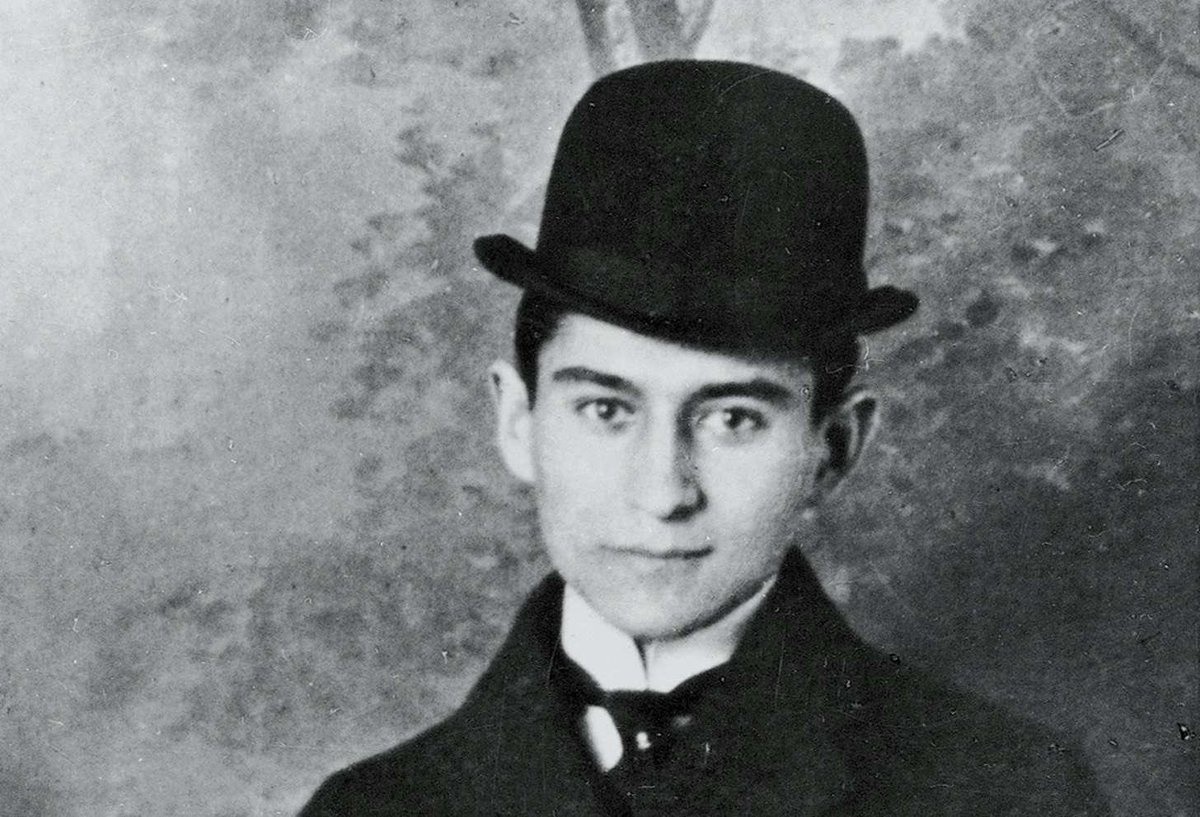
“Reality is too heavy for people, so they rent illusions and call it happiness.”
- Franz Kafka
Franz Kafka (1883–1924) was a German-speaking Bohemian writer whose haunting and unconventional stories became some of the most influential works of modern literature.
Best known for The Metamorphosis, The Trial, and The Castle, Kafka wrote about alienation, anxiety, isolation, guilt, identity, and the struggle of individuals against confusing and seemingly impossible systems.
His characters are often trapped in situations governed by rules they cannot understand and forces they cannot control. This unsettling style inspired the word “Kafkaesque,” now used to describe experiences that feel bizarre, oppressive, complicated, and frustratingly beyond a person’s control.
Kafka’s work remains powerful because it reflects a timeless human struggle: searching for meaning, certainty, and belonging in a world that does not always provide clear answers.
Kafka didn’t just create strange fictional worlds—he revealed how strange the ordinary world could become.
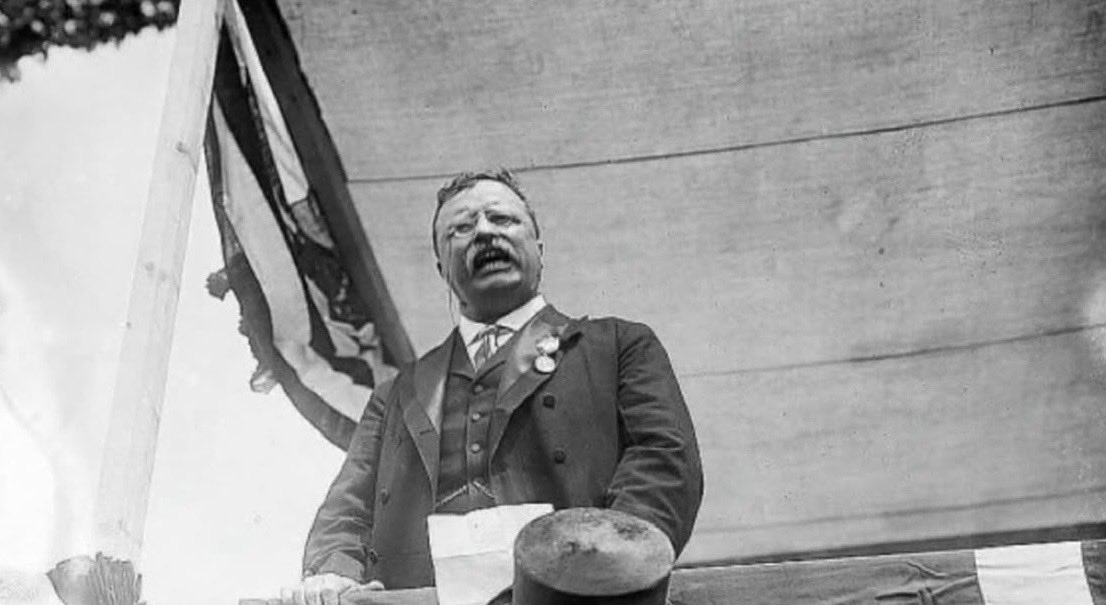
“To announce that there must be no criticism of the President, or that we are to stand by the President, right or wrong is not only unpatriotic and servile but is morally treasonable to the American public.”
- Theodore Roosevelt, 1918
Theodore Roosevelt expressed these views in a 1918 editorial published in the Kansas City Star, at a time when the United States was heavily engaged in World War I. The federal government had introduced measures such as the Sedition Act, which restricted certain forms of wartime expression and made criticism of the government potentially subject to criminal prosecution.
Although Roosevelt strongly supported America’s participation in the war, he openly challenged President Woodrow Wilson’s leadership and military policies. He maintained that unquestioning devotion to any president was incompatible with American democratic principles. In Roosevelt’s view, the president was an elected representative accountable to the people, not a ruler entitled to unconditional allegiance. He argued that genuine patriotism meant placing loyalty to the nation and its principles above loyalty to any individual leader, while preserving the right to question authority and demand accountability.
1. Some women had they fingers in they pussy last night/all night.
2. You can't say if they fingering they cunts or washing they pussy klean.
3. Can u guess? No rice from restaurants getting to 3 months now.
4. Lookin more fresh than most Asian women in they late 20's
💀☠️
In 1946, World War II veterans in a small Tennessee town armed themselves, laid siege to the county jail, and forced a corrupt local government out of power. It is one of the only times in modern American history that citizens took up arms against their own officials and won.
Paul Cantrell's machine, tied to Memphis boss Ed Crump, had run McMinn County since 1936 on a fee system that paid deputies per arrest. Returning GIs got picked up and fined repeatedly. In May 1946 they formed the GI Non-Partisan League and ran their own slate.
On election day, Sheriff Pat Mansfield brought in some 200 out-of-county deputies at $50 a day. One shot a Black farmer, Tom Gillespie, in the back for trying to vote. When the polls closed, deputies carried the ballot boxes into the jail and barricaded themselves in.
The veterans broke into the National Guard armory, surrounded the jail, and fought a six-hour gun battle before using dynamite. The deputies surrendered around 3:30 a.m. Nobody died. The ballots were counted in public.
Queen Elizabeth II first appeared on the Buckingham Palace balcony as monarch in 1953, greeting the public just after her coronation ceremony. Her final balcony moment came in 2022 during her Platinum Jubilee, a brief but historic appearance celebrating 70 years on the throne.
The coolest photos ever taken: https://t.co/wo59YrCdzj
January 29, 1979. A 16-year-old shot 11 people from her window across from an elementary school, killing the principal and a custodian. Her reason became one of the most chilling lines in American crime history: she just didn't like Mondays.
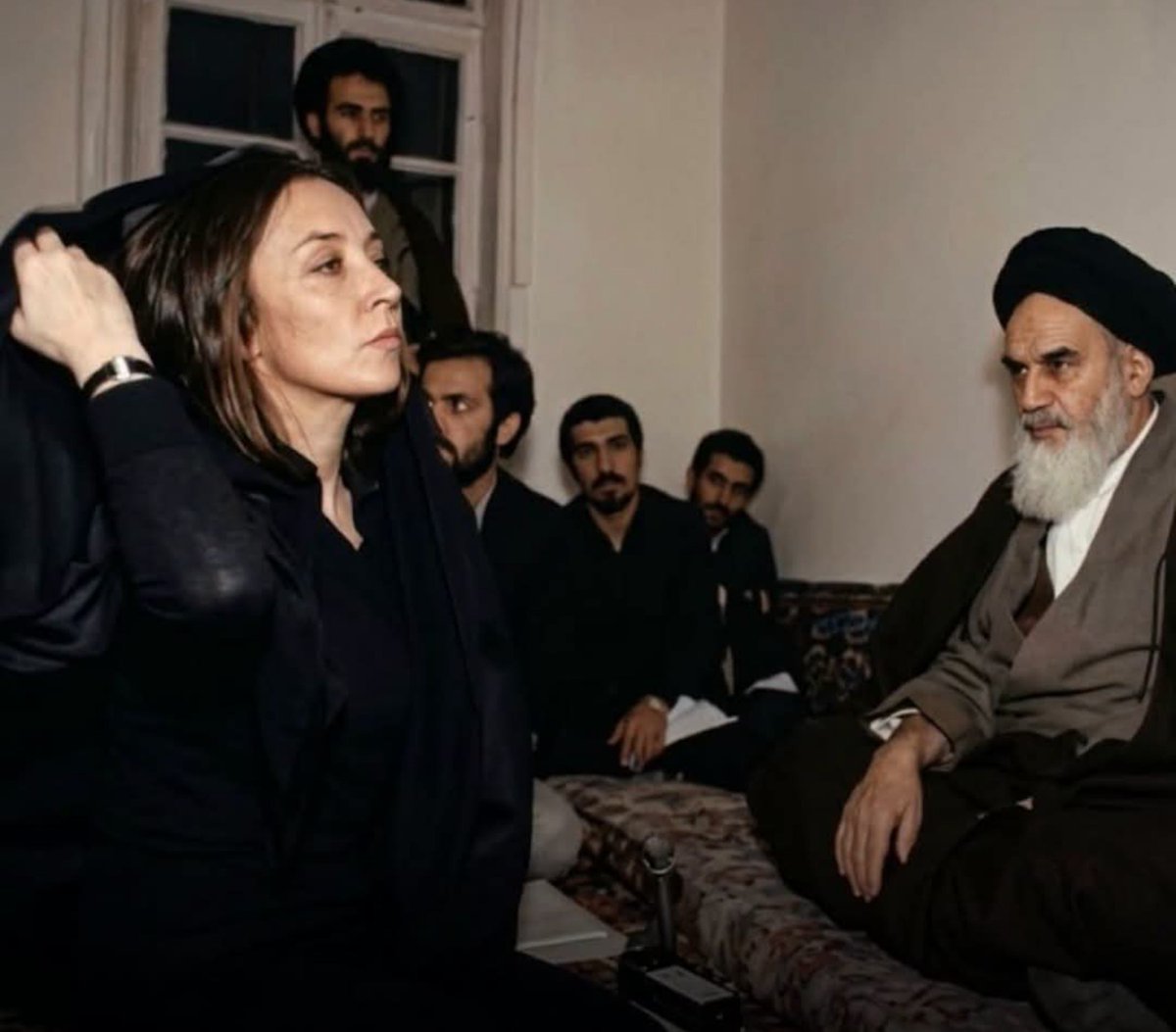
Italian journalist Oriana Fallaci removing her chador during her tense 1979 interview with Ayatollah Ruhollah Khomeini in Qom, Iran...
In October 1979, Italian journalist Oriana Fallaci traveled to Qom, Iran, to interview the Islamic Revolution's supreme leader. To get inside the room, Fallaci was forced to cover herself from head to toe in a heavy black chador, leaving only her face visible.
The conversation inside the room was tense from the very start. Fallaci did not hold back her questions.
She pushed the Ayatollah on political executions, the sudden shutdown of independent newspapers, and the sharp loss of rights for Iranian women under the new regime.
When she asked about the forced wearing of the veil, Khomeini dismissed her concerns and claimed the garment was meant to protect young and respectable women. He then added,
"If you do not like the Islamic dress, you are not obliged to wear it."
Fallaci took his words literally and replied, "Thank you, Mr. Imam. Since you tell me so, I am taking it off right now."
With a quick move, she pulled the chador off her head, leaving her hair completely exposed right in front of the Supreme Leader.
Khomeini was furious.
He stood up without saying another word and walked out of the room. The room fell silent, and the interview was abruptly stopped. However, Fallaci refused to leave Iran until he returned a day later to finish the conversation.
This confrontation became legendary in the history of journalism.
It showed a reporter refusing to bow down to authority, even in one of the most dangerous settings imaginable.
Fallaci proved that real journalism requires standing up to power, asking hard questions, and refusing to be silenced by fear or tradition.
When journalists trade raw courage for easy access and comfortable silence, we lose one of our strongest shields against tyranny.
In an era where true courage in reporting feels rare, her brave stand reminds us that honest journalism still has the power to light up the dark, giving a voice to the voiceless and inspiring future generations to speak truth without fear.
#archaeohistories
“If you want to destroy any nation without war, make nudity or adultery common in the younger generation.”
- Salahuddin Ayyubi
Salahuddin Ayyubi, widely known as Saladin, founded the Ayyubid dynasty and became one of the most celebrated Muslim military leaders in history. Best remembered for reclaiming Jerusalem in 1187, he earned lasting respect for his leadership, strategic skill, chivalry, and strong sense of moral discipline.
This reflection suggests that a civilization’s greatest strength comes from its values rather than its military might. When moral standards weaken among younger generations, discipline and unity begin to fade. Societies may ultimately fall from internal decline when they lose the principles and character needed to preserve and protect themselves.
@Piecesofinforma@Ukulelejnr1312 Y'all need to Gather here let's give flowers and unlocked keys to the infant spirits ravaged at the Malaysian palm plantation.
That particular soap sent to StayInformed motivated these research to find out about these ugly events 😱
Don't they move on soooo fast? 😳
@Ukulelejnr1312@MiloG_WhiteG Palm olive might be getting a free ad from StayInformed legendary platform for free but also to the infant spirits still locked in grief.
@Ukulelejnr1312@legitngnews Stay informed?🧐
It seems those incarcerations is winning over those incarcerated African treasures and those incarcerated African potentials compared to the initial reasons given for them to be engaging in such acts as per the one placed on a 13 million bounty. 🥶
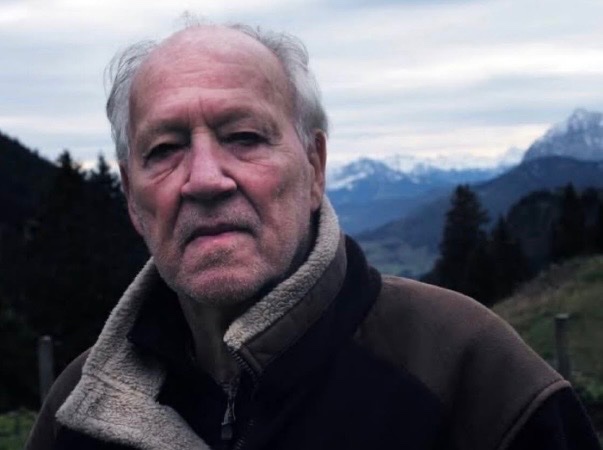
“Civilization is like a thin layer of ice upon a deep ocean of chaos and darkness.”
- Werner Herzog
Werner Herzog sees human civilization as thin and impermanent — a fragile barrier against a deep chaos. To him, our laws, customs, and institutions are just a veneer over the world's true condition, which is indifferent, brutal, and chaotic.
His films return to this idea again and again: people step outside the limits of society and are eventually swallowed by nature's merciless force and their own unraveling minds. He likens our ordered life to a thin sheet of ice, reminding us that the security we rely on can crack at any moment and drop us back into the dark, wild reality that has always been waiting underneath.
This is the best preserved medieval street in Europe.
Recorded in the Domesday Book of 1086, The Shambles in York, England has had shops trading on it for nearly a thousand years. It's older than the Crusades.