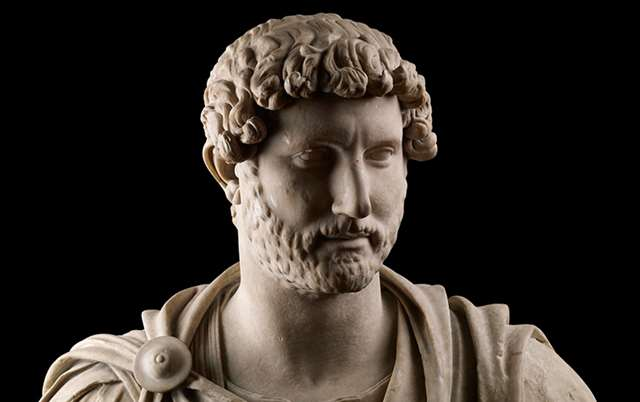
Hadrian ruled Rome for 21 years, and he spent a huge chunk of that time doing whatever he felt like.
He was obsessed with Greek culture. As a young man he was so into it that people called him "Graeculus," which means "little Greek." He became the first Roman emperor to wear a full beard, which was a Greek philosopher look. One ancient source claims he grew it to hide scars on his face.
His biggest passion was hunting. He hunted so hard that he once broke his collarbone and nearly did serious damage to his leg. After one successful bear hunt in Asia Minor, he founded a town on the spot and named it Hadrianotherae, which means "Hadrian's hunting grounds." In Egypt he went after a man-eating lion, and a poet wrote a poem about the hunt that partly survives today.
He loved his hunting horse, Borysthenes, so much that when it died he gave it a tomb with a stone marker and wrote a poem for it himself.
He was a hardcore traveler. He spent more of his reign out touring the provinces than he spent in Rome. He walked bareheaded through German snow and Egyptian heat, and he'd march 20 miles a day in full armor alongside his soldiers. He climbed Mount Etna just to watch the sunrise from the top. On Mount Casius in Syria he climbed up at night to make a sacrifice, and a lightning bolt struck, killing both the animal and the attendant.
He considered himself an architect. When he was younger he showed some of his designs to Apollodorus, the most famous architect in Rome, and Apollodorus told him to go away and draw his pumpkins, mocking the domes Hadrian liked to sketch. Once Hadrian became emperor, he banished Apollodorus. The ancient historian Cassius Dio says he later had him killed.
Then he built his own dream home. His villa at Tivoli was more like a small city, and he named sections after famous places he loved, including the Lyceum, the Academy and the Vale of Tempe in Greece, and the Canopus in Egypt. He even built a section he called Hades.
He loved arguing with intellectuals, and he hated losing. The philosopher Favorinus once gave in during a debate over a word even though he was right. When his friends asked why, he said they should trust the man who commands 30 legions to be the most learned of all.
He also painted, sang, played the lyre and studied astrology. He wrote poetry right up to the end. Dying in 138 AD, he composed a short poem to his own soul, calling it a little wanderer about to leave for some cold, pale place where it would never joke again.
Rome's most restless emperor spent his last moments writing a poem.
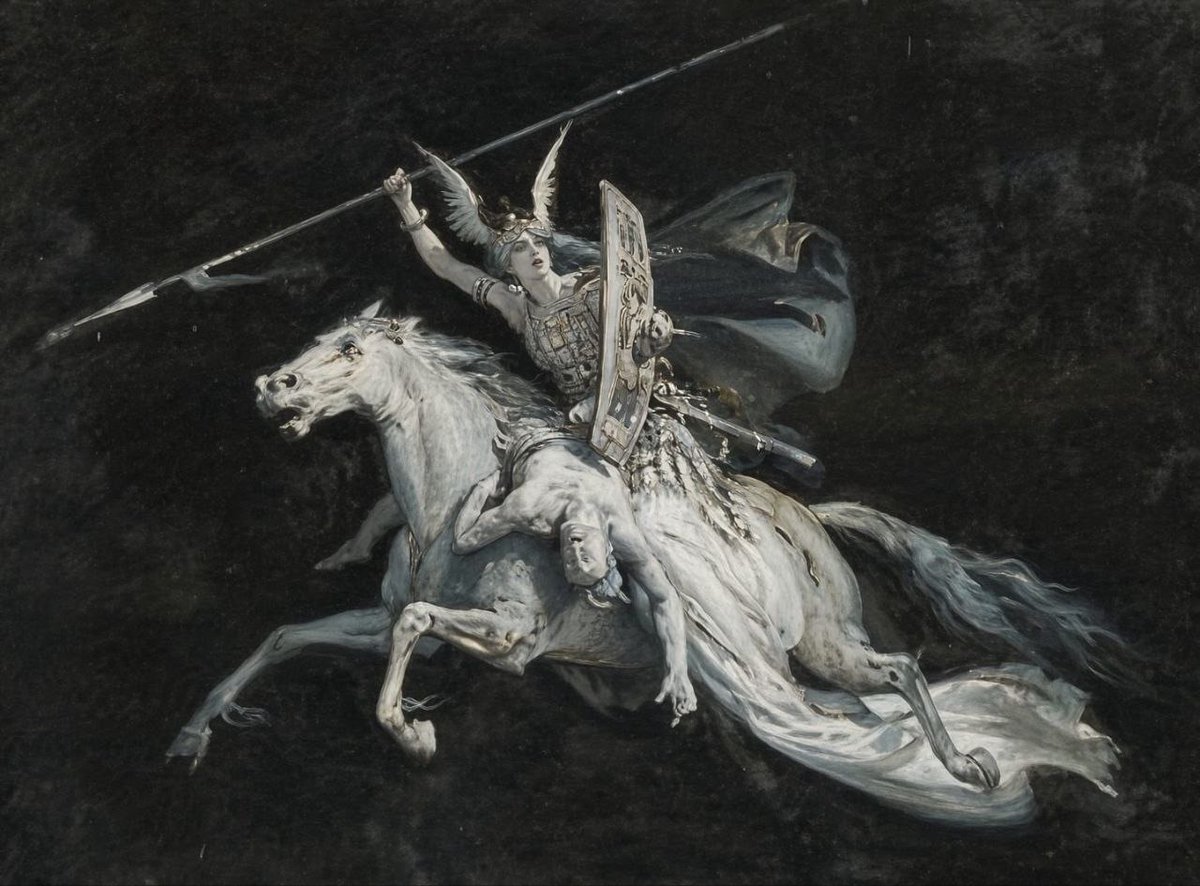
They took the beauty & colour out of everything.
The killed creativity.
The West has become ugly & soulless.
We need to bring beauty back to the West.
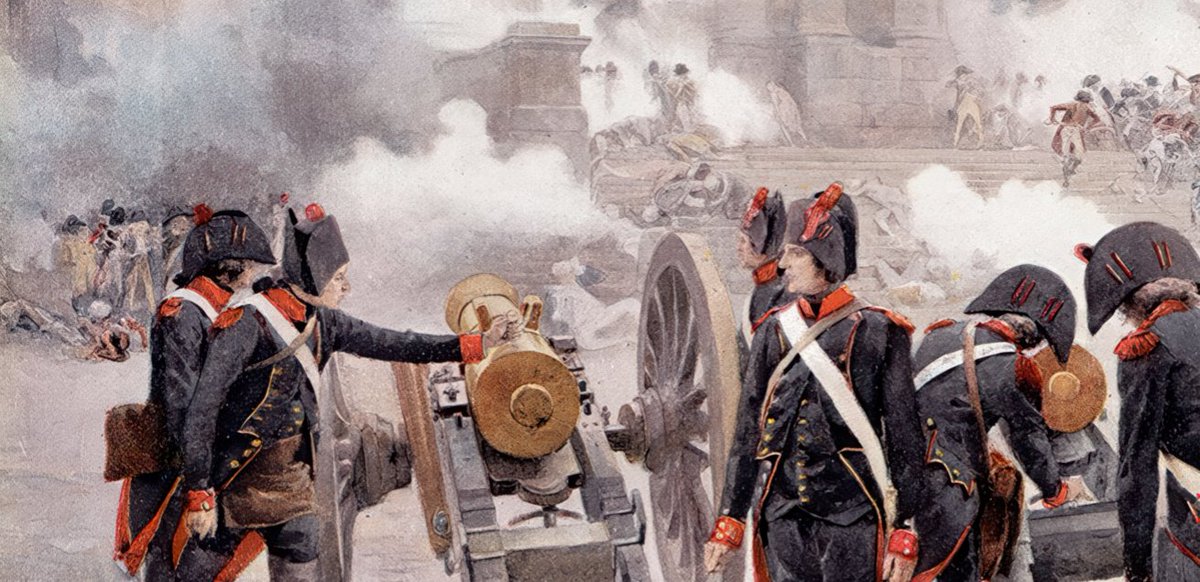
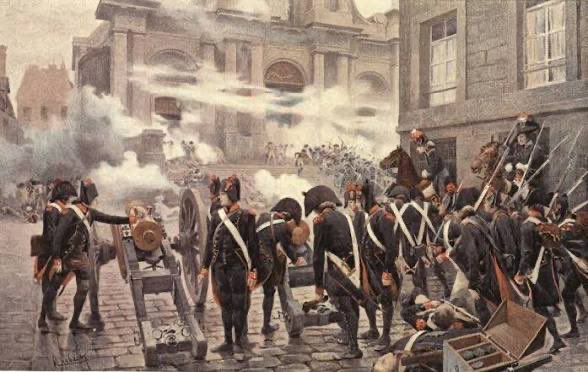
Reminder that Napoleon’s first act of notoriety was disobeying orders and choosing to fire cannons at rioters.
That started the most astonishing rise to greatest in modern history.
Just saying.
Art Deco didn't die from being exhausted, it got blacklisted.
Its three main phases - Zigzag, PWA / Stripped Classical, & Streamline - weren't exactly sequential, they overlapped all throughout the 30s. But what happened after 1929 wasn't just that zig zag Deco became too expensive, it was evolving from the 'Return to Order' (WW1) beginnings towards a more robust machine age adapted classicism.
Earlier funding collapsed from private elites to the state, and a more civic form emerged - Stripped Classical/Classical Moderne. It was transatlantic, global. The American WPA, PWA, democracies and authoritarian regimes across the West all embraced it because the goal was the same: instill optimism, civic-mindedness, and resilience. Put your skilled artists & artisans to work.
It was seen as worthy recieving state funding for its public face - blending both classical & modern, a forward facing embrace between design, industry & craft.
That more colorful zig zag form was made logistically difficult to revive after 29, then that difficulty was made permanent. Deco needed a 50-year Beaux-Arts ecosystem - terracotta kilns like Gladding McBean and Atlantic Terra Cotta, plasterers, metal foundries, carvers, mosaicists - & that ecosystem took two hits.
The 29 crash bankrupted the firms & dissolved the apprenticeship pipeline, then the war shifted what was left to war industries. By 1948 a fully crafted lobby was hard to build like 1926 even if you wanted to.
Hard isnt impossible. With a regular cycle craft revives with demand, but revival was blocked.
Tax codes, FAR, federal budgets, and curtain-wall specs all rewarded flat, uncrafted surfaces, so there wasnt much incentive to maintain the ateliers.
The firmest lockout was ideological. To make High Modernism the post-war approved standard, its promoters had to discredit what came before.
Politically, Stripped Classicism was rebranded as "fascistic" because Hitler, Mussolini and Stalin had used identical forms. Culturally Deco, especially Streamline, was the 1930s World's Fair spirit: mass-produced household objects made beautiful, futuristic, optimistic, commercial & everyday.
High Modernism was austere, 'European' & highbrow, it treated that populist optimism as kitsch. That created a self-fulfilling loop: disincentivize the decorative, let craft firms die, then accuse dead craft as proof decorative design is infeasible.
Hence the narrative that Deco simply "fell from public taste" is fake.
It was slowed by the war, logistically hollowed out by '48, then ideologically blacklisted afterwards - making way for [indirect] tacit state support through modernist capture this time with the opposite design ethos: (mid century)"modernism".
The people never chose the glass modernist box over Deco. The people were simply never asked.
@NSAntiquities I found one of these things' caterpillars yesterday and it was big and fat and rust colored with markings to trick predators into thinking it's a snake. Very cool