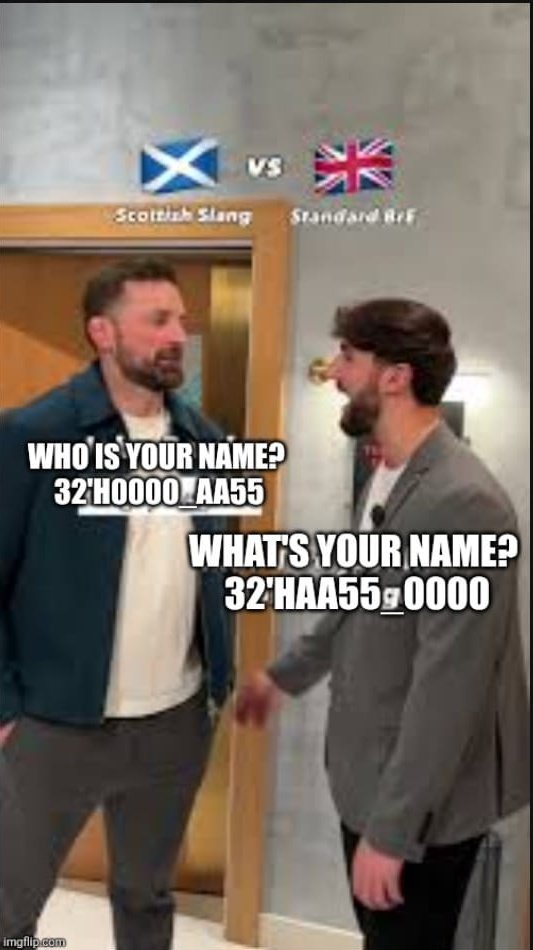
@zipcpu The Scottish vs English slang issue. In reality, big-endian vs little-endian is a much bigger ,almost like two different languages. But I just wanted to mention a simple Scottish vs English analogy.
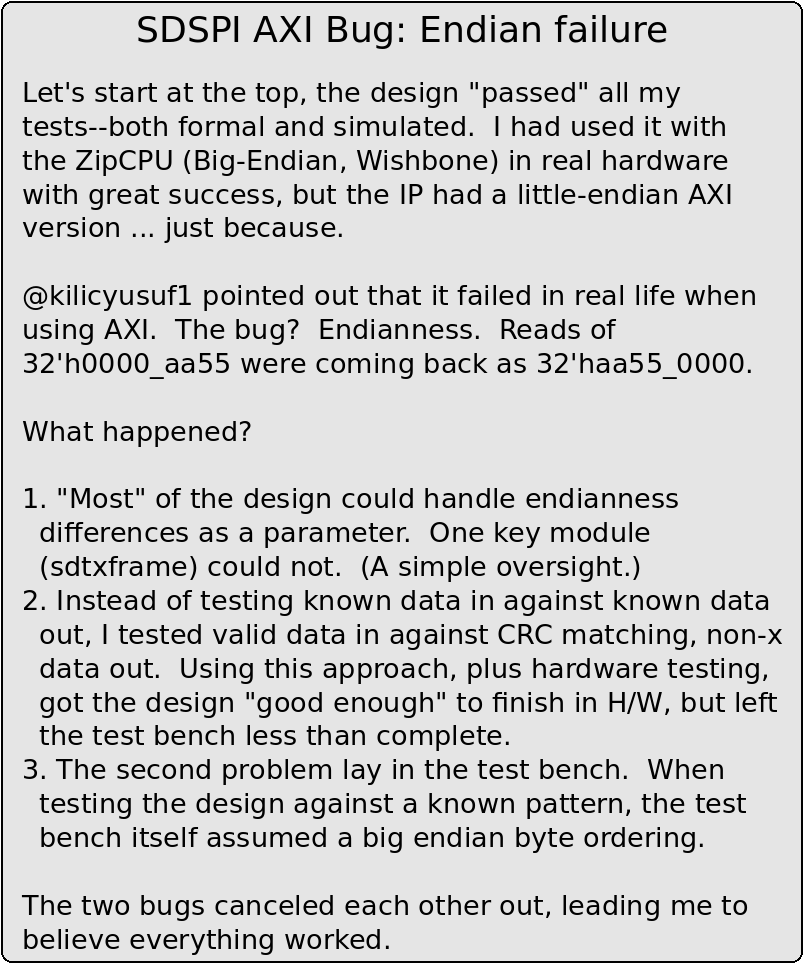
Here's a bug from this weekend: In this case, two bugs canceled each other out, leaving me believing the design worked in a configuration that I'd never hardware tested it in.
Also, a good question, how good should a "self-checking" test bench be?
You can read more about this bug here: https://t.co/oVtMF0xTnA
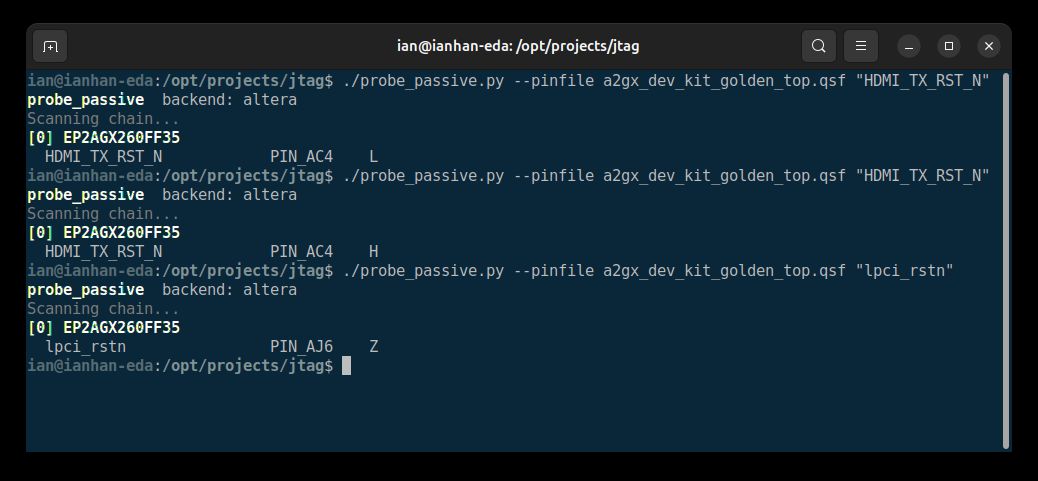
@furan My bad. What I meant is that I’ve never tried boundary scan. I’ve done normal UART debugging, but I have no idea how one would discover components on a board through JTAG debugging.
N.B: LLM can guide. Just trying to find what people used before LLM to learn that.
@always_ff_rohan In an indirect way I meant the same. Instead of dieshot i thought to write stolen dieshot. Actually intellectual properties are not private any more. Steal/develop the IPs, no one care if your country has nukes and not afraid of the US. The actual blocker is lithographic tech.
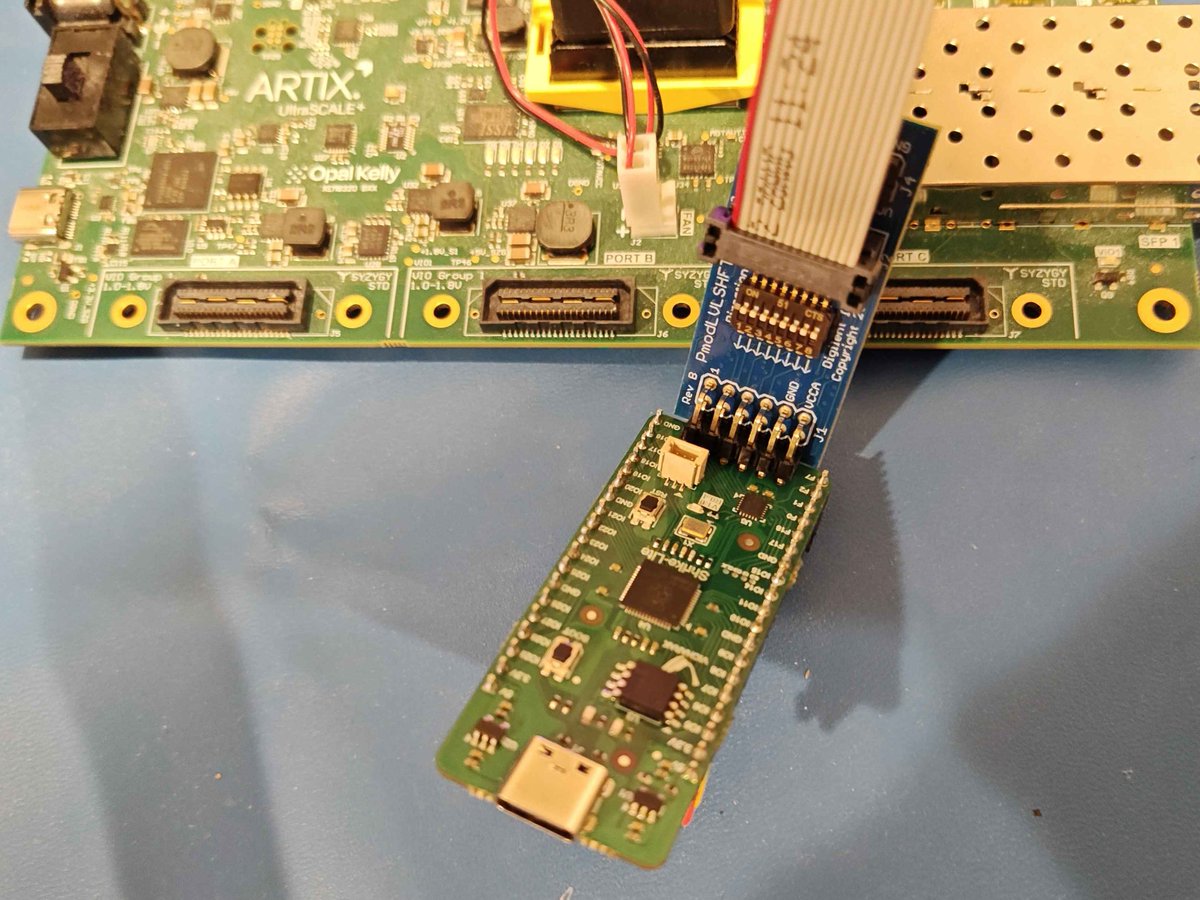
I think the $4 Shirke-lite (RP2040+ForgeFPGA) dev board could become a surprisingly capable FOSS JTAG endpoint for OpenOCD, OpenFPGALoader, and maybe even vendor tools.
@ATaylorFPGA Thanks for the blog, Adam! I haven’t had a chance to check the full implementation yet, but is there any chance you could share the Python code used here?
This week, I created a fun RTL project which reads data from accelerometer, gyroscope, temperature and pressure sensors. All the RTL is provided if you want to work with these sensors in other projects.
https://t.co/DnxZpIqZDC