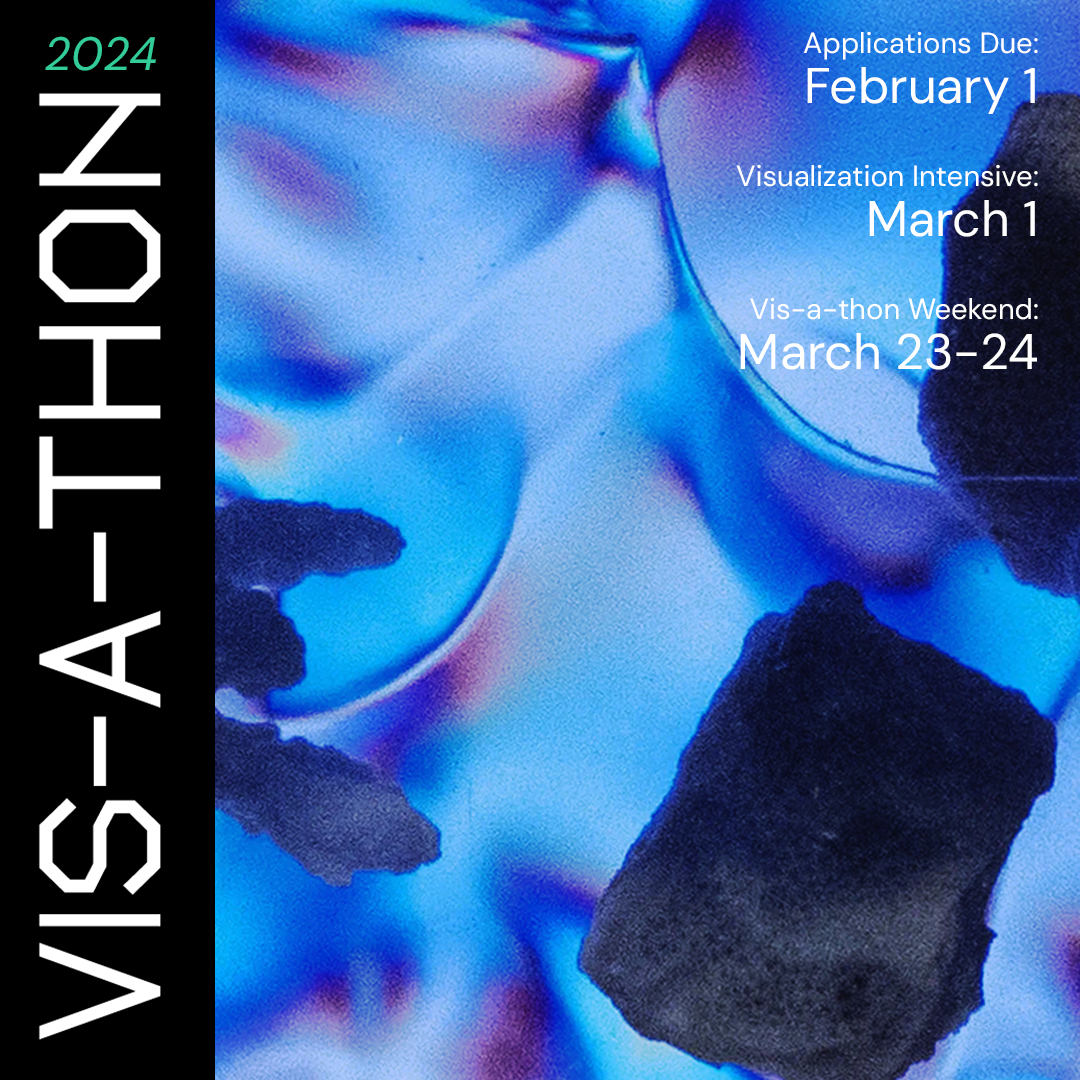
Time is running out, applications for Vis-a-thon 2024 are due tomorrow! Reach out to [email protected] with any questions about the program or applying.
VIS-A-THON 2024 Applications are live!
Are you a Rhode Island scientist looking to experiment with art-based ways of sharing your research? Three more weeks to apply: https://t.co/fgl1GZQlBL
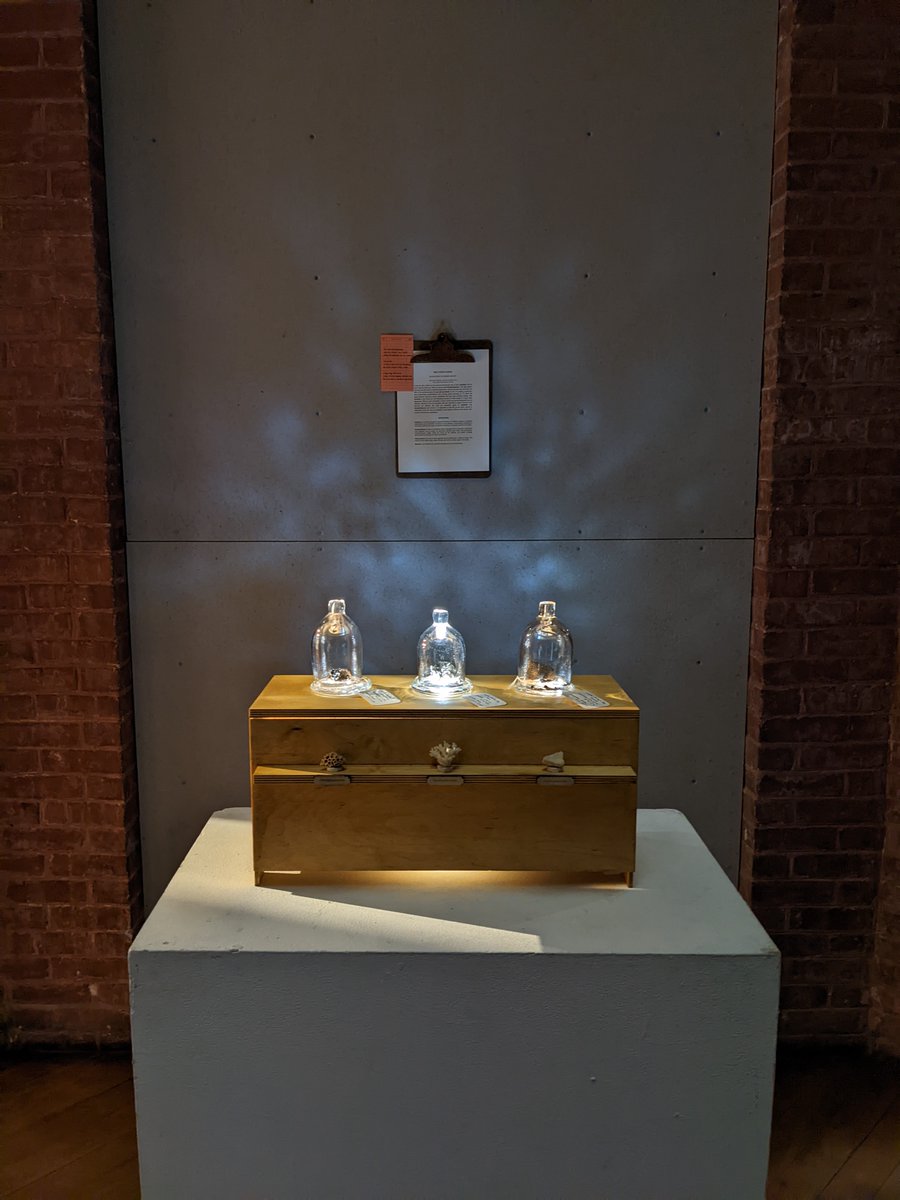
I am very grateful to be part of @RIEPSCoR Vis-a-thon this year! This collaborative piece with @risd's Daiqing Zhang is named "The Unseen Stress" as it showcases the variability of different coral species to thermal stress through an artistic lens.
We are so happy for in-person making at the Nature Lab for all participants this year. We've extended the deadline and will be accepting applications for the 2022 program for one more week! Get your applications in by Feb. 23.
Highlighting an incredible project from our 2021 program, created by Brown undergraduate student Daisy Frabell: https://t.co/PZSoF0WNFz
Applications for the Vis-a-thon Program are due now! Join us next month!
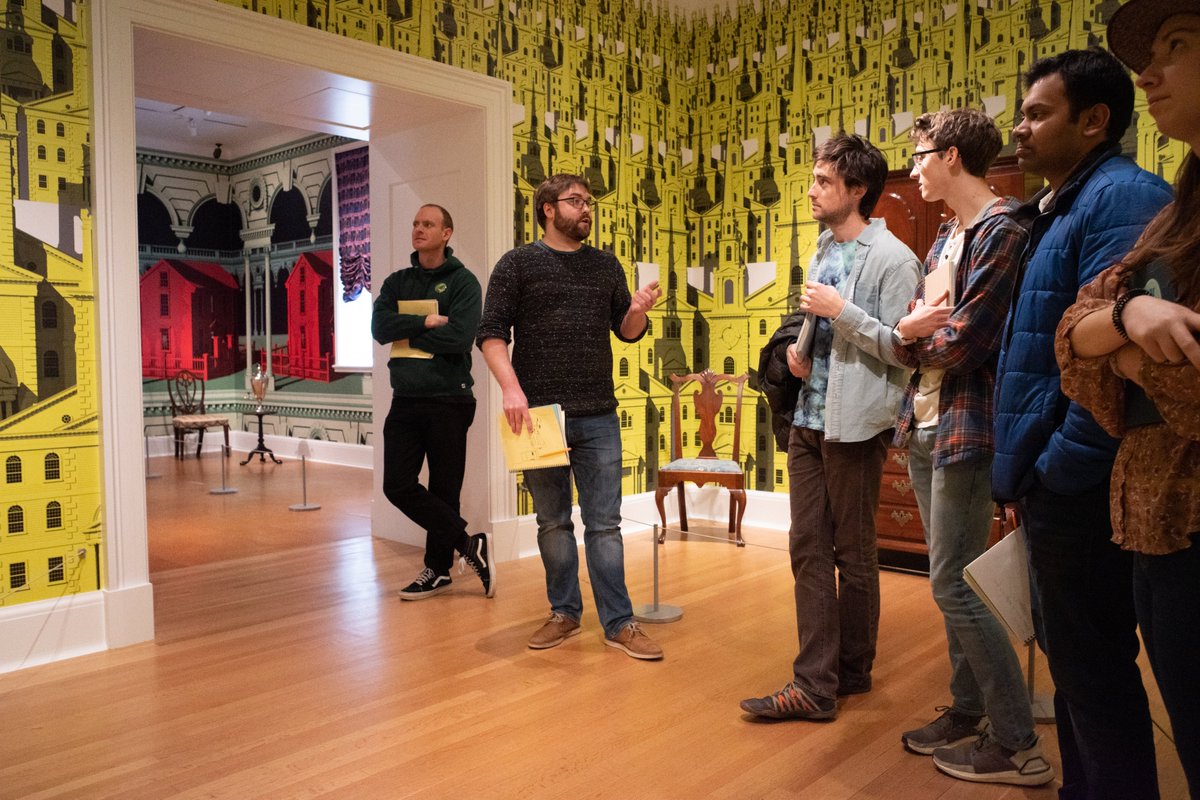
We'll be returning to the RISD Museum this March during the Visualization Intensive. It's an amazing place to imagine how your research could work within an arts practice. Apply now to work with us both here and at the Nature Lab!
https://t.co/fgl1GZQlBL
We joined twitter and we're excited about it! We're also excited about VIS-A-THON 2022! Applications are now open. Lots of info at the link! https://t.co/hXwRA9LZJ8
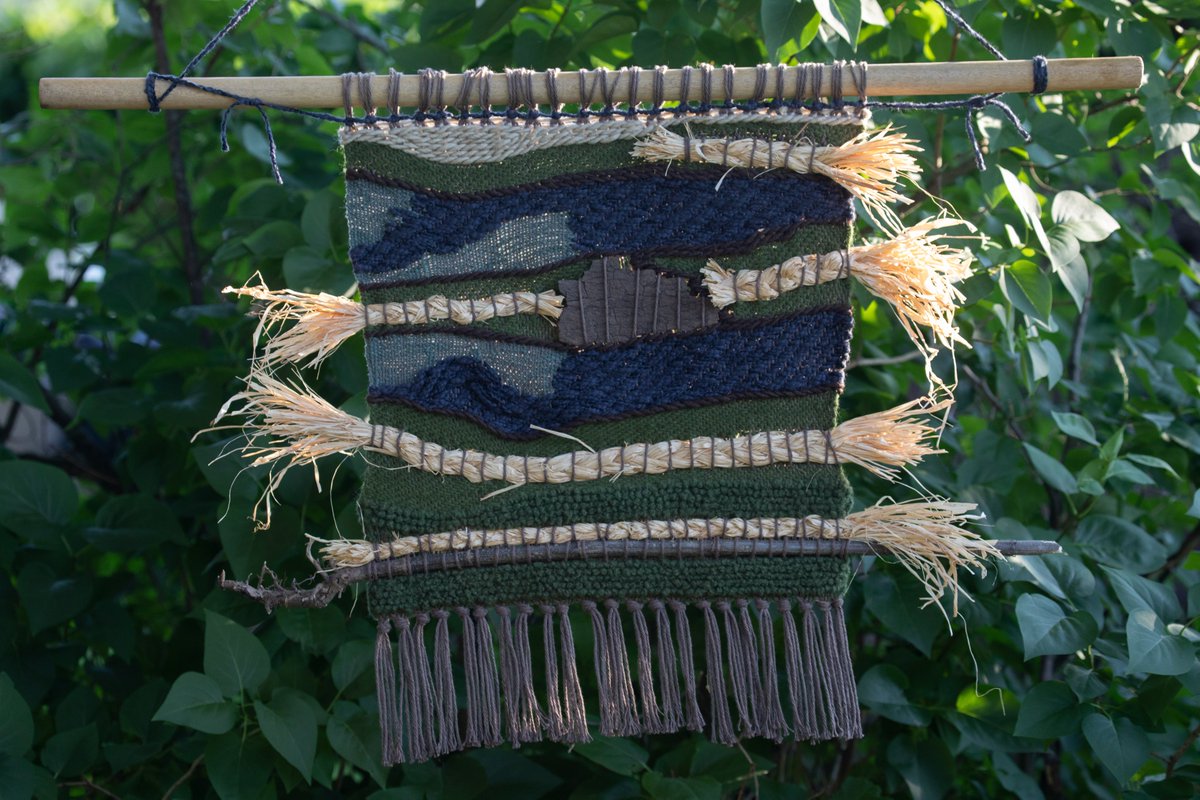
Art and science collaboration with Eunhyung Chung, @risd Graduate student through the @RIEPSCoR Vis-a-Thon program
Color: Temperature and Mixing Water Masses
Width: The Animal Size
Height and transparency: The Energy moving through the food web
Left-Right: Time
In “Narragansett Bay Zonation,” a visual zoning system of three theoretical boundaries describing different biological and physical processes were assembled from four layers of acrylic: https://t.co/LIAE5wWmW4
“Drawing Drifter Path” used a drawing machine to layer different drifter paths onto two-dimensional materials, allowing outcomes that show convergence and emergence of activity in Narragansett Bay and the Rhode Island Sound: https://t.co/c5dWAGZW4s
“Phytoplankton Kaleidoscope” explores the diversity of phytoplankton through images collected during research cruises off the east coast of the US. Fifty images from RI samples were selected and stitched together using a machine-learning GAN process: https://t.co/CgvtNOpTSH
“Diagramming Diatoms” presented 3D representations of Pseudo-nitzschia. By experimenting with the structure of silica frustules, pieces were made to represent the diatoms' relationships with shellfish in Narragansett Bay: https://t.co/EWWzRItXja
“Breathing through Time Across the Mid-Pleistocene Transition” visualizes the last one millions years of Earth’s climate as recorded in the chemistry of deep-sea sediments from the Southern Ocean: https://t.co/HsFamZFnJb
In “The Death Behind the Smiles,” collaborators created a sculpture using light, projection, and collage work to deliver a message about ubiquitous toxic pollutants and the role humans play in their sources, fate, and transport: https://t.co/KGvGTU2QQy
Vis-a-thon projects are completed over a two-day period called The Vis-a-thon Weekend. Participants work directly with @RISD faculty, facilitators and graduate students to develop and enact their proposals. Explore past projects here: https://t.co/5FknlI8K8R
Vis-a-thon’s art-based approach challenges existing scientific visualization, advocating for a holistic approach to visualization not as a static outcome, but as a fluid process of discovery.