Preventive cardiology starts in childhood.
Eating patterns established early often persist into adulthood, influencing lifelong cardiovascular risk. State-level policies that promote plant-forward school meals represent a high-reach opportunity to improve diet quality, address pediatric obesity, and build healthier hearts from the start. 🌱❤️
#PreventiveCardiology
https://t.co/vH7neySPtq
New review out 🫀
Cardiac amyloidosis care is evolving rapidly with TTR-targeted therapies—but what about downstream biology?
We review the emerging link between transthyretin (TTR), retinol transport, and vitamin A homeostasis, and what this may mean for patients receiving modern amyloid therapies.
@AndrewGutwein
Excited to present at ACC 2026 on Q fever endocarditis! Grateful for the opportunity to share insights and learn from such an incredible community. #ACC2026#Cardiology@AndrewGutwein
Grateful to present at #AHALifestyle & #EPI2026 💚
“State Support of Plant-Based Meals in the U.S. School Lunch Program”
With pediatric obesity affecting ~1 in 5 U.S. children, school nutrition
policy is a powerful lever for change.
🌱 This study explores how state-level support for plant-based meals can expand access, advance equity, and support healthier futures.
#EPILifestyle @American_Heart@jmcchiefs@AndrewGutwein
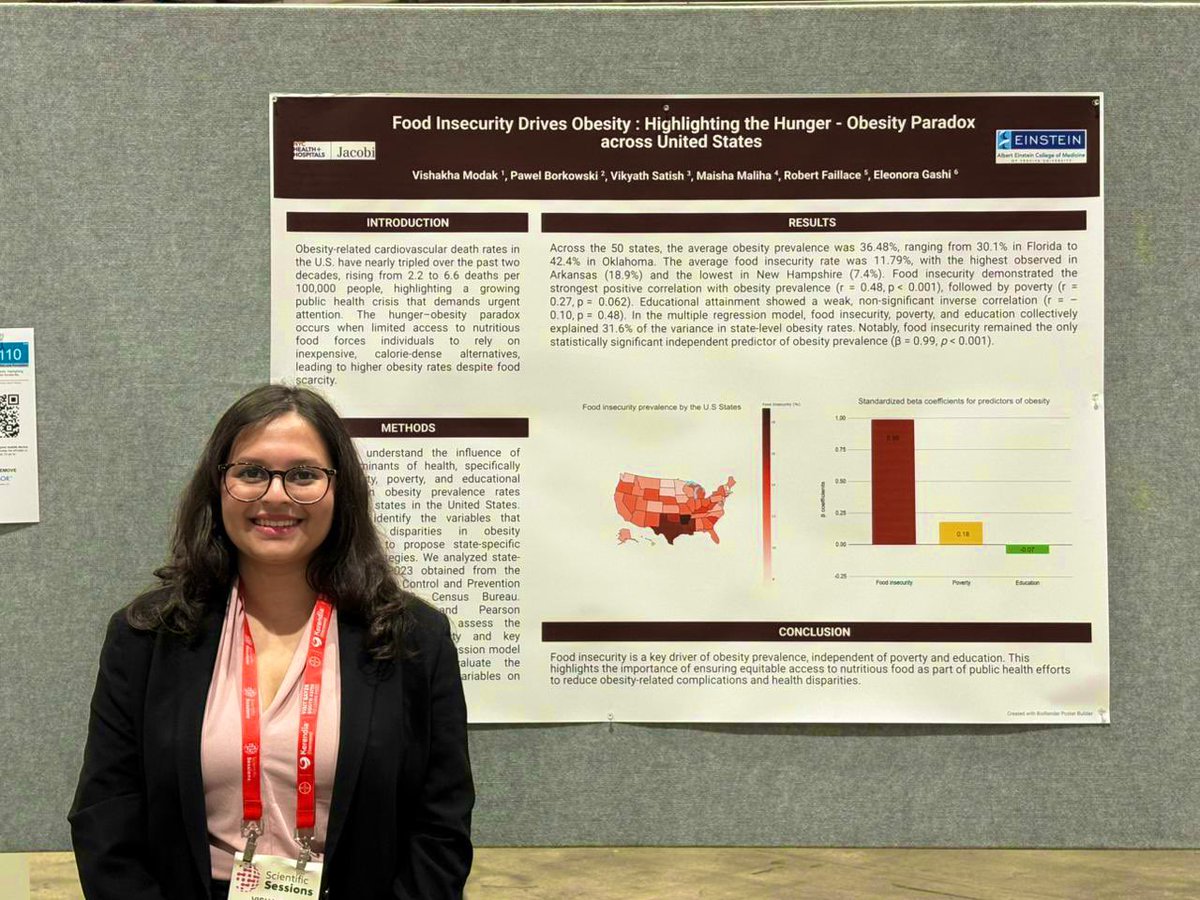
Honoured to present my work at #AHA25
My research explores disparities in obesity outcomes, with a U.S. choropleth map revealing the link between food insecurity & obesity.
Grateful for the opportunity to share insights and engage with others working to advance cardiovascular health and health equity. ❤️
#AHA2025 #HealthEquity #ObesityResearch #FoodInsecurity #Epidemiology @jmcchiefs
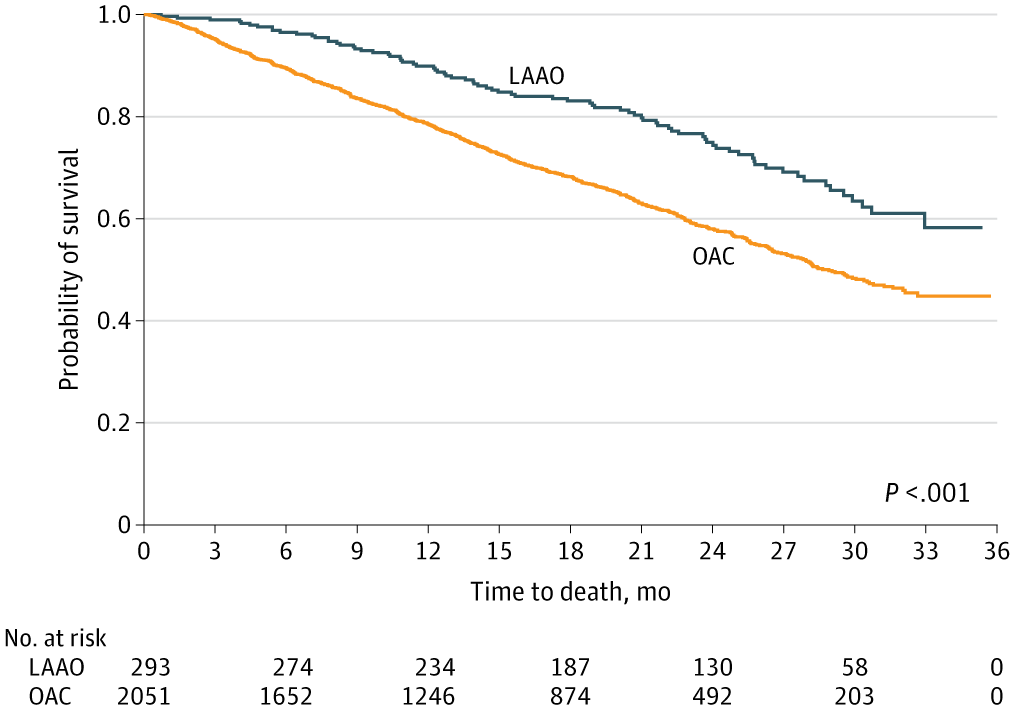
In patients with kidney failure and atrial fibrillation who received left atrial appendage occlusion, left atrial appendage occlusion was associated with a lower risk of recurrent bleeding events and death compared to oral anticoagulants. https://t.co/WmbrVjGxrg
Had the opportunity to witness a thought-provoking debate on the role of AI in hypertension (HTN) management. Both perspectives were equally informative.
My personal takeaway:
While AI offers great promise in enhancing HTN management in well-served populations until we address the equity barriers - it has little to no role in the underserved populations.
@KBBNYC