VISICORT | a European Commission FP7-funded project for research & technological development, grant agreement 602470. Tweets are the views of the project owner.
VISICORT will profile data from 700 CORNEAL TRANSPLANT RECIPIENTS from 5 leading laboratories to ultimately improve corneal transplant success. https://t.co/p0xGhLOJwg
Sjögren syndrome is a systemic #autoimmune disease with a specific predisposition for causing #inflammation of the exocrine glands, predominantly the salivary and lacrimal glands.
#WorldSjögrensDay
https://t.co/gLeCAFAfDz
⏰ Still a bit of time to get your abstract submitted for the @isct21 meeting New Orleans Virtual Meeting (26-28 May 2021)!
Late-breaking abstracts are being accepted from March 22 - March 28.
Details can be found 👉https://t.co/vez0luf4Q9
Our cell therapy team is working hard to develop new #Analytics to accelerate and improve your workflows. We are curious to hear how your lab approaches cell viability measurement. Which device do you use to measure stem cells viability?
Registration is now open for the European Joint Research Program for Rare Diseases @EJPRareDiseases supported beginning level training workshop: “Training on RD Biobanks: Roles in Networks and International Collaborations ”, online 10-11 May 2021. Register https://t.co/xkzzMwZITd
Experiencing pandemic burnout? You're not alone. This article by @nature discusses the prevalence of pandemic-related burnout in academia and ways to combat it. #ASHGtrainee
https://t.co/NnBsNLFUy3
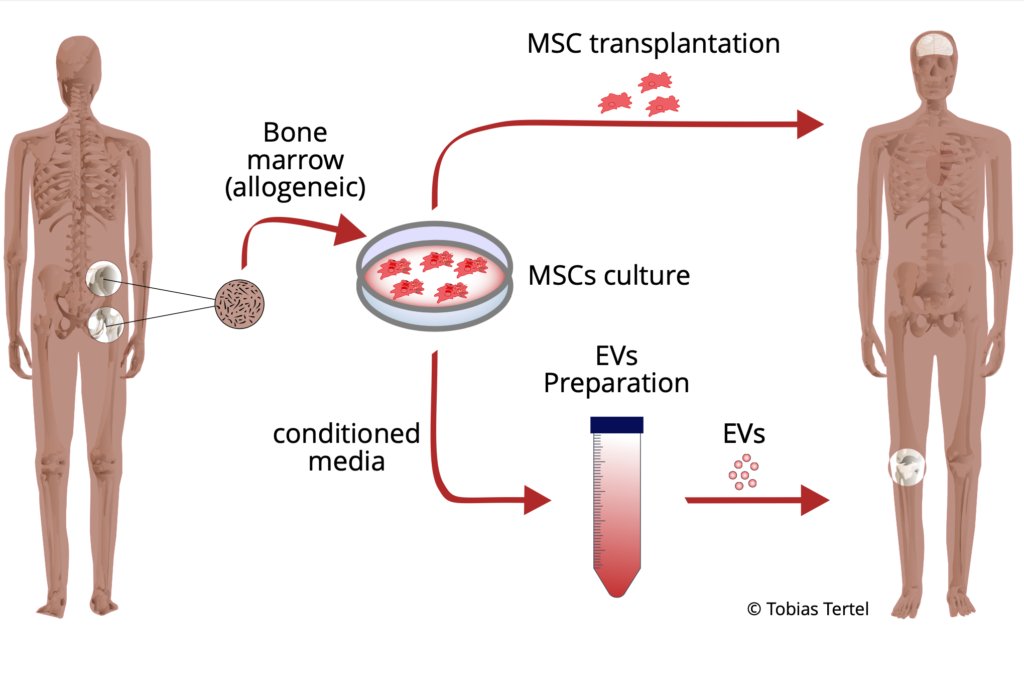
What are #EVs? Where are they found? Why are they medically interesting? Learn the back story from @AutoCRAT PI and EV expert Prof Dr @BGiebel@UniklinikEssen 👉 https://t.co/QihtlaChSc If you find this interesting, RT!
"Rare Disease #Biobanks: Roles in Research Networks and International Collaborations," training workshop May 10th, online @EJPRareDiseases Register before April 13th. https://t.co/66GoVMLMwm
New resolution record for imaging the human eye Achieving high-resolution images of photoreceptors in the back of the eye is challenging because the eye's lens and cornea distort light in a way that can substantially reduce image resolution. https://t.co/cExWgl8em2
Our projects have gathered some wide-spread news lately. Here are a few media nuggets. Firstly, @FraunhoferIPT's role in @AutoCRAT2020 was featured at the @MEDICATradeFair, in their magazine and in videos ����️🇩🇪 ! https://t.co/hFW6ucbUhJ @EU_H2020 #dissemination
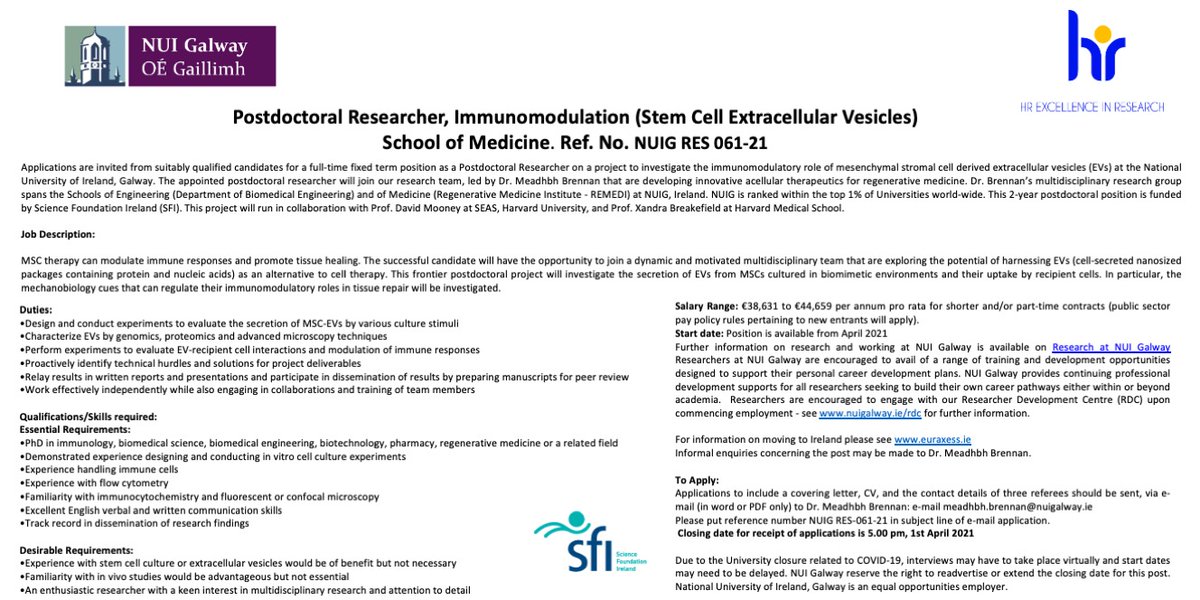
Jo Zhou, from Radboud University in the Netherlands, is offering a job opportunity as a post-doctoral researcher, to work on the #cornea, #stemcell biology and rare eye disease. #jobfairy https://t.co/wxnzWT3h8j via @AniridiaNet
@ARVOinfo joins @PBA_savingsight in marking March as Workplace Eye Wellness Month. One negative effect of the ongoing COVID-19 pandemic is increase in digital #screentime for many remote workers. Check out these tips on ways to decrease digital #eyestrain: https://t.co/BikOTXO28z
Congratulations for a brilliant webinar about #aniridia - Interview to Prof. Neil Lagali and Prof. Claus, by Aniridia Europe’s Director Ivana Kildsgaard. https://t.co/ne6OZNwZMF
@COSTprogramme#RareDiseaseDay
Roll up, roll up.....only FOUR days left to apply to join us as a speaker for events in #Dublin, #Cork and #Galway this summer. Go on...you know you want to... #womeninSTEM#scicomm https://t.co/adE0exZ56C