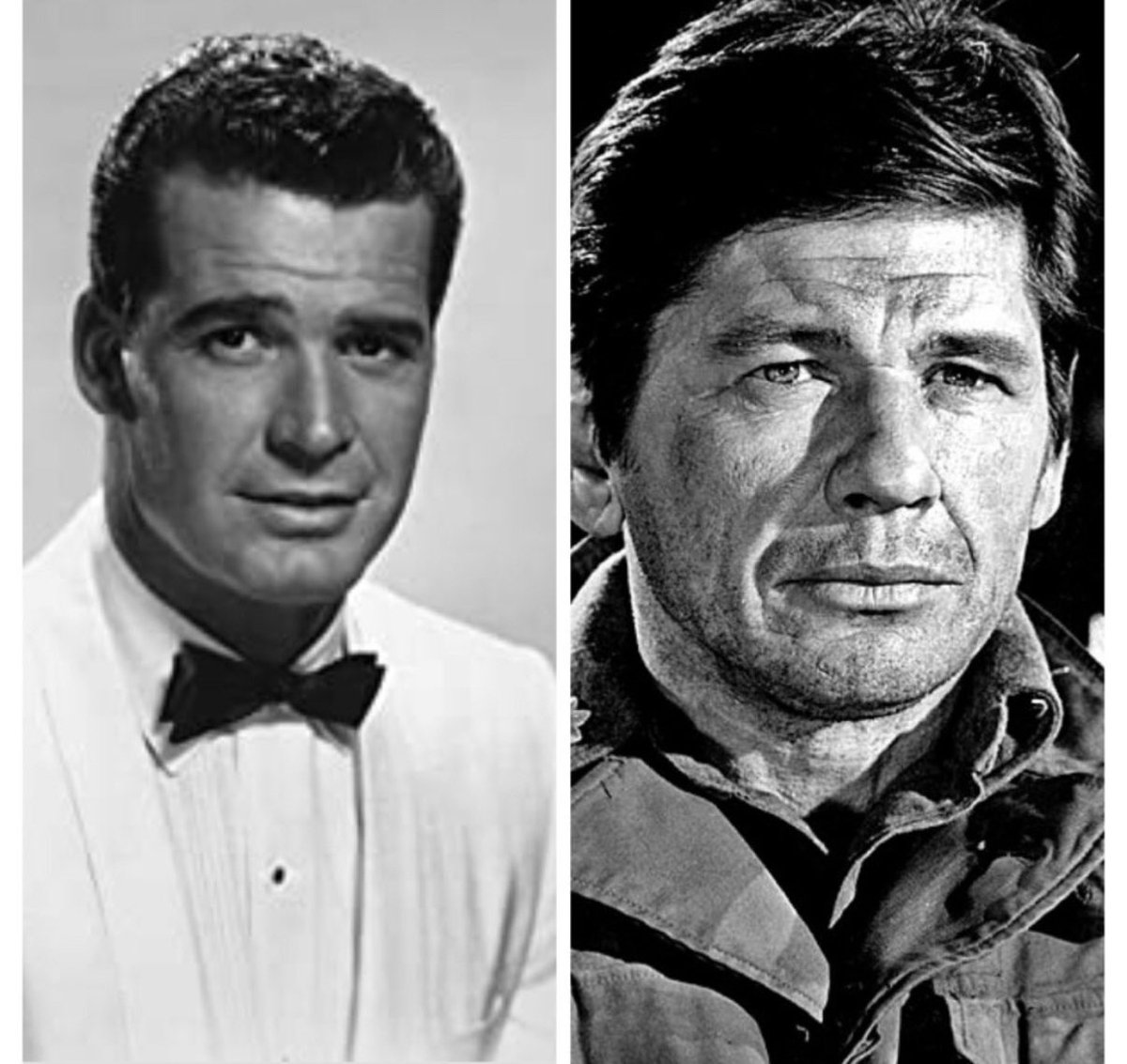
James Garner did not get along with Charles Bronson during the filming of, The Great Escape, 1963. I read his autobiography, The Garner Files, published in 2011 and the dislike towards Bronson lasted his entire life.
According to Garner it was reciprocated.
From everything I’ve read on James Garner he was a decent human being who insisted on being treated well and fairly. He also insisted on treating others the same. He did not see this in Bronson and described him as, ‘’A pain in the ass. He used and abused people and I didn’t like it.’’
According to another biographer, at the time of filming Garner was a major tv star due to Maverick and was doing well on the big screen with, Up Periscope, and, Children’s Hour. Bronson had been in the business longer, had worked extremely hard, but his career was really going nowhere at this stage. He seemed to have a chip on his shoulder where he felt, perhaps with some justification, that he was as good as some of the actors in the star-studded production.
What annoyed Garner was his lack of fairness as regarded a bit player.
One day, about a year after filming had been completed there was a poker game at Garner’s house with Bronson present. Garner was not a participant, only an onlooker. The hand was down to Bronson and an unknown extra. Bronson bet $50, then, realising he had probably made a mistake went to take the cash back. Garner pointed out he was not allowed to do this while everyone else in the group stayed silent. Bronson started to complain but Garner insisted the money be returned to the pot and, as it turned out, the young extra won the hand. It probably represented a great deal of money to him.
Garner wrote that Bronson took it badly and bad-mouthed him after that. He promised never to work with Garner again.
James finished the piece by writing. ‘’Throughout my life, there have been a few guys who didn’t like me because I was outspoken. Hell, I never thought I was outspoken, I just told the truth.”
A true gentleman and real hero
I’m honestly surprised that Kelsey Grammer managed to keep it together after all the tragedies in his life.
When he was just 13 years old his father was shot and killed by a man who broke into his home. This, of course, took a toll on him but he managed to power through and stayed focused on his career and ended up studying theater at Julliard.
When he was 20 years old, and still studying at Julliard, Karen, his 18-year-old sister was waiting for her boyfriend at a Red Lobster they worked at when she was kidnapped by two men who originally intended to rob the place. They r*ped and killed her. The men were convicted, one dying in 2019 and the other one, who was a serial killer, is still in prison. Kelsey has been trying to stop him from getting parole as a way to honor his sister.
His daughter, Spencer, stated:
Glenn is always up for parole every couple of years, so every few years [my father] has to speak against him. It's so difficult for him to have to relive it over and over again. And there really isn't a lot of information for the family of victims in regards to when people are going to be released.
As if this wasn’t tragedy enough, five years after losing her, his half brothers, Billy and Stephen Grammer, died while scuba diving in St. Thomas in a suspected shark attack. Billy’s body was never found.
He initially used drugs and alcohol to deal with the pain of everything that happened, but eventually, he got married, had children, and refound God. He says that this is what made it bearable for him to keep going and gave him the strength to start dealing with his trauma in a healthier way.
Thank you for reading
Girl Buys Meal For Homeless Man, Then He Hands Her Crumpled Note
When a college student was grabbing a cup of coffee near campus, she couldn’t help but notice a man nearby. He was obviously homeless, so she decided to bless him with a hot meal. After handing him the food, he gave her a crumpled-up note with a message she couldn’t believe. It certainly wasn’t the thanks she expected.
Casey Fischer was grabbing her morning coffee from Dunkin Donuts near her college campus when she spotted a man nearby who was clearly homeless. She noticed him sitting on the side of the road, picking up any spare change he could find that others had dropped. Then, he strolled into the coffee shop, not knowing he had caught her eye.
In her final hours, Loretta Swit, the legendary actress who brought Major Margaret Houlihan to life, chose to be surrounded by the very essence of her most iconic role. On her last day at Cedars-Sinai Medical Center, she requested that an episode of "MASH" be played in her room — the one where Houlihan grappled with duty and heartbreak.
As she watched silently, her hand resting over the blanket, her gaze fixed on the screen, it was as if she was reliving the moments that defined her life — both on and off the screen. Loretta passed away on May 30, 2025, at the age of 87, leaving behind a legacy of strength, compassion, and unforgettable performances. Born in Passaic, New Jersey, in 1937, Loretta grew up in a household where creativity had to fight for space.
Her mother, Nellie, nurtured her passion for performance, while her father, Lester, worked as a salesman. After studying acting at the American Academy of Dramatic Arts in New York, she began her career in regional theater, balancing stage roles with waitressing jobs. One of her early roles in a touring production of "Any Wednesday" marked the beginning of her journey — a journey that would lead her to one of television's most iconic characters.
In 1972, she was cast as Major Margaret "Hot Lips" Houlihan on "MASH," a role originally played by Sally Kellerman in the film. Loretta transformed the character from a caricature into a multidimensional woman — strong, vulnerable, ambitious, and deeply compassionate. Her portrayal of Margaret was more than just acting; it was a reflection of the evolving role of women in leadership during the 1970s and 1980s.
She won two Emmy Awards for her performance, in 1980 and 1982, and became one of the few cast members to appear in every season of "MASH." Her impact extended beyond the screen. After "MASH" ended in 1983, she turned down the spin-off series "AfterMASH," choosing instead to focus on other roles and causes close to her heart.
She appeared in TV movies and guest roles on popular shows like "Murder, She Wrote" and "Diagnosis: Murder." But it was her work as an animal rights activist that truly defined her legacy. Her 1986 book, "SwitHeart: The Watercolour Artistry & Animal Activism of Loretta Swit," combined her passion for painting with her dedication to rescue and welfare causes.
She remained active in theater through the 1990s and 2000s, taking on roles in productions like "Shirley Valentine" and "Love, Loss and What I Wore." Even as her television career slowed, she remained committed to supporting soldiers and medical workers, a cause she felt deeply connected to after her time on "MASH." In her final years, she gave reflective interviews, sharing her thoughts on her life and career.
In a 2023 podcast, she said, “The only thing I ever truly wanted was to be taken seriously. If I made someone laugh or cry or think, that was enough.” Despite battling health issues, she continued to create — sketching, painting, and signing photos for fans who remembered her voice, her presence, and her unwavering fire. Even as the world moved faster, she never lost the quiet, deliberate grace that made her unforgettable. Loretta Swit was more than an actress — she was a trailblazer, a storyteller, and a force of nature. Her legacy will live on, inspiring generations to come.
On March 27, 1977, Diana Hyland died in John Travolta’s arms at just 41 years old, and in her final moments, he whispered “I love you,” hoping she could still hear him.
Their love story began a year before her tragic death, on the set of The Boy in the Plastic Bubble. John, then a rising star from Welcome Back, Kotter, was full of youthful energy, while Diana, a respected actress with decades of experience, was already established in Hollywood. Despite their 18-year age gap, a strong bond formed between them, one that defied the typical Hollywood romance. Diana would often tease John about his boundless energy, joking that one day he'd understand how young he was when they first met.
Their relationship grew quickly, with the age difference fading into irrelevance. John found in Diana not only a partner who loved him, but someone who truly understood the pressures of his rapidly advancing career. Diana became his anchor, a sense of stability as he prepared for the role of a lifetime in Saturday Night Fever. His devotion to her was clear; he had already begun planning a future with her, even selecting a home for them to share.
John’s commitment extended to Diana’s young son, Zachary. He embraced the role of a father figure and cared for the boy as his own. As their family unit began to take shape, the impending loss of Diana made their love all the more heartbreaking.
At the time, Diana was battling breast cancer. Having undergone a mastectomy in 1975, she had hoped the disease was in remission, but by late 1976, it returned aggressively. Despite her pain, Diana remained focused on their love, providing unwavering support to John even as her strength dwindled.
When Diana passed away, John’s life became a stark contrast to the world he had just stepped into. At 23, he was already Hollywood’s next big thing, but inside, he was consumed by grief. The press tour for Saturday Night Fever forced him to hide behind Tony Manero’s swagger, while he silently wept in private. Fame felt empty without Diana, the woman who had believed in him before anyone else had.
Months later, while accepting a posthumous Emmy for Diana, John paid a heartfelt tribute to the woman who had believed in him when the world was still figuring him out. This loss left an indelible mark on John, one that pushed him to mature in the harsh spotlight.
Tragedy struck again for John when he lost his son, Jett, in 2009, and in 2020, his wife Kelly Preston passed away from breast cancer—the same illness that took Diana.
Today, John’s devotion remains strong, especially for his children, Ella Bleu and Benjamin. In the wake of Kelly’s death, he has stepped back from the public eye to be a full-time, supportive father. His pride in their milestones mirrors the encouragement he once received from Diana, and through his children, John sees the legacy of the loves he has lost. Their successes are his resilience.
John has kept Diana’s memory close throughout his life. He often refers to her as his first true love, the one who saw his potential before anyone else. Her unwavering belief in him was the foundation of his career, and her presence continues to guide him, even in her absence.
The story of John and Diana teaches us that the people we lose never truly leave. They become part of who we are, their encouragement forever echoing in the background of our lives. Their memory can transform our grief into motivation, turning loss into a quiet force that drives us forward.
John’s story shows that true strength lies in accepting our pain and allowing it to make us more compassionate. He has learned that even after loss, we can continue to live with hope, and while pain changes us, it also allows us to love more deeply.
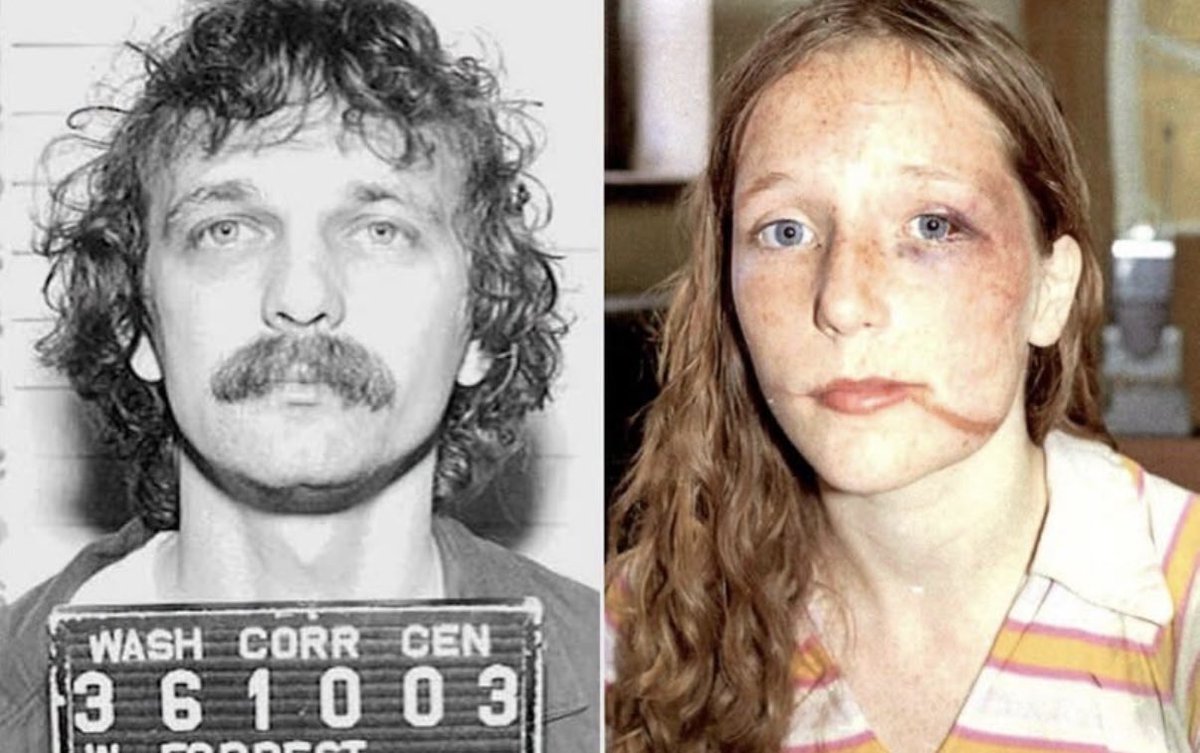
On the afternoon of July 17, 1974, 15-year-old Norma Jean Countryman was sitting beside a road in Ridgefield, Washington, smoking a cigarette. She was going through abuse at home and just wanted to get away for a while. A blue van stopped beside her, and the man inside started talking to her. At first, she thought about walking away, but in the end, she accepted his offer to give her a ride home.
The driver was Warren Forrest, a 28-year-old worker for the Clark County Parks Department. As soon as Norma Jean got into the van, he pulled a knife on her and kidnapped her. He drove deep into the forests of southern Washington, where he tied her hands and feet together. He used rough rope to bind and gag her, then tied her between two trees so she was hanging like a hammock. Norma Jean later said she truly believed she was going to die that day. She remembered saying every prayer she knew over and over in her mind, hoping she would survive.
Forrest left her there, saying he would come back later. Instead of waiting, Norma Jean began chewing through the ropes around her hands until she finally broke free. Even with her hands and ankles still tied, she hopped through the dark forest all night until she finally found help.
After escaping, she went straight to the police and told them everything she knew. She gave them the kidnapper's name, described his face, his blue van, the rope he used, and the knife he threatened her with. But no one believed her. What investigators did not know at the time was that just one week earlier, Forrest had kidnapped 20-year-old Krista Blake. She had already been murdered, and her body was buried in the same forest, only a short distance from where Norma Jean had been tied up.
Because Norma Jean's report was ignored, more young women disappeared. Investigators now believe Warren Forrest may be connected to several murders from the early 1970s. He was not arrested until later that year after he kidnapped and raped a 19-year-old woman near Lacamas Lake. She survived the attack and helped police identify him.
Forrest was later convicted of murdering 20-year-old Krista Blake. In 2023, almost 50 years after Norma Jean's kidnapping, he was also found guilty of killing 17-year-old Martha Morrison, whose murder happened in 1974. Investigators are still looking into other unsolved cases that may be connected to him, including the murder of 20-year-old Carol Valenzuela, whose remains were found near Martha's.
It took nearly 20 years before Norma Jean Countryman felt ready to tell her story publicly. She lived with the pain and trauma for most of her life and was never offered professional therapy. Since then, she has spoken at several parole hearings. She said she attends not only for herself but also for every person whose life was affected by Warren Forrest's crimes, including victims she did not even know existed on the day she stepped into his van, and the families and children left behind.
He was born into one of America’s most mythologized families, but he was never entirely at ease inside the legend.
David A. Kennedy was not just another Kennedy heir. He was a quiet, sensitive child growing up in a dynasty that prized strength, public service, and resilience. The family name carried expectation like a permanent spotlight. For David, it often felt heavier than it looked.
He once reflected on the weight of his father’s legacy, writing of Robert F. Kennedy:
“It’s not just that he’s gone; it’s that everything he was is now expected of me, and I am not him. I am only the pieces of what was left behind.”
His struggle did not begin with addiction. It began with loss.
In 1968, at twelve years old, David nearly drowned in the Pacific Ocean. His father dove in and pulled him to safety — a dramatic rescue that seemed almost symbolic of the Kennedy image: courage, quick action, heroism.
Hours later, that protection vanished.
On June 5, 1968, the night of the California primary, Robert F. Kennedy was shot at the Ambassador Hotel. While the nation absorbed the shock through television screens, David experienced it alone in a hotel room, watching the celebration dissolve into chaos in real time.
He saw the panic, the confusion, the frantic reporting. He watched the story of his father shift from victory to tragedy. There was no one beside him to turn off the television, no one to buffer the images.
For him, it was not history — it was a moment burned directly into memory. The loss did not arrive gently. It arrived live.
In the years that followed, the Kennedy legacy — often called “Camelot” after the romanticized vision of the family’s political era — became complicated for him. While siblings and cousins moved toward public life, David withdrew. He was introspective, drawn to literature and ideas, more poet than politician. The family’s grief seemed to settle deeply within him.
By the time he reached Harvard, emotional pain had begun to manifest in substance use. Those who knew him described a thoughtful, intelligent young man capable of meaningful conversations about history and art — but also someone who drifted, who struggled to anchor himself amid expectation and unresolved trauma.
He entered rehabilitation programs more than once. There were periods of hope. Yet depression remained a powerful undertow. In a family associated with public strength, David sometimes saw himself as the fragile one, overlooking that sensitivity can be a form of depth rather than weakness.
In April 1984, at twenty-eight, his life ended in a hotel room in Palm Beach due to an overdose.
His death was reported as another chapter in the Kennedy saga. But behind the headline was a boy who had witnessed profound loss at a formative age and never fully found relief from it.
His story underscores a difficult truth: wealth, status, and proximity to power cannot insulate someone from psychological pain. Trauma, especially when experienced alone and without sustained support, does not fade simply because the world moves on.
Beyond the mythology of political dynasties lies something quieter and more human — the cost borne by individuals raised inside narratives larger than themselves.
David Kennedy’s life reminds us that legacy can inspire, but it can also weigh heavily. And that compassion, especially for those who appear privileged, remains essential.
If you’d like, I can also provide resources on trauma, grief, or substance use support — for yourself or someone you care about.
Pops Staples was in the bathroom when the young attendant finished filling the tank. After Mavis Staples paid him, she asked the attendant to bring her a receipt. The attendant responded that if she wanted a receipt, she had to come inside to get it, adding an epithet that starts with an “n.” When Pops returned to the car, Mavis told him what had happened. Pops went into the station to get the receipt and told the attendant that he owed his daughter an apology. Instead of apologizing, the attendant insulted Pops as well. Pops was prematurely gray, which may have contributed to the attendant’s misjudgment of him, and of course the attendant could not have known that Pops had been a boxer as a young man. The end result was that Pops gave the attendant exactly what he had earned—a good thumping.
After the Staples drove away the attendant phoned the Memphis police, claiming he had been beaten and robbed by a carload of black people. He described the car, which the Memphis police soon found. They pulled the Staples family over, arrested them, and took them to the Memphis police station. Mavis later said she had never been as afraid in her life as she was that day as they were being taken into the station. In the car the police had found a box full of cash (the group’s earnings from their shows), which seemed to confirm the story that they were thieves. But as they were being arraigned, a janitor in the station recognized them. “These are the Staples Singers,” he told the cops.
“They’re a famous gospel group.” Realizing what had happened, the cops got the group’s autographs, apologized, and let them go. Whether the attendant was charged with making a false report is unknown, but we can hope that he at least was given the humiliation he deserved.
In 1968 the Staples Singers signed with Stax Records and crossed over into R&B and pop. In 1971 their single “I’ll Take You There” went to #1. Throughout the group’s existence they sold millions of records. Mavis Staples, at age 85, is still performing.
Roebuck “Pops” Staples died in Chicago at age 85 on December 19, 2000, twenty-four years ago today.
Late one evening in 2003, Emma Thompson sat alone in her London flat, surrounded by the wreckage of a very public divorce
The press had been relentless. Her marriage to Kenneth Branagh had ended amid scandal, and the woman who'd won an Oscar for bringing Jane Austen's words to life couldn't find any of her own.
Then came a knock at the door.
Alan Rickman stood there holding a bottle of wine and nothing else—no advice, no pity, no expectations. He walked in, sat down, and stayed through the night. He didn't ask her to explain. He didn't tell her it would be okay. He just sat with her in the darkness, offering the rarest gift one human can give another: silent, judgment-free presence.
"You saved me without trying," Thompson later wrote to him. "And that's the kind of love I trust most."
Their friendship had begun years earlier during a 1980s stage production, when Thompson met a man whose fierce gaze and commanding silence intimidated most people. But she saw past the intensity to something tender underneath. "I recognized a fellow creature," she said, "one who felt deeply but rarely said as much."
By the time they filmed "Sense and Sensibility" in 1995, their bond had deepened into something rare in Hollywood—a friendship built on creative trust and emotional safety. While Thompson juggled the impossible pressure of starring in and adapting a beloved classic, Rickman quietly anchored her. "Alan had a way of being in the room that made you feel you belonged there too," she remembered.
What made their connection extraordinary wasn't grand gestures or public declarations. It was the accumulation of small, sacred moments. The long conversations about betrayal and forgiveness during "Love Actually." The way he never demanded she be strong when she was breaking. The trust that allowed complete vulnerability without fear.
Then, years later, Rickman fell ill. For a long time, he told almost no one about his cancer diagnosis. But Thompson knew. She noticed how he tired more easily, how his already quiet nature turned more introspective. One afternoon during a charity film shoot, he finally told her.
They stood in silence for several moments.
"Alright," she said simply. "Then we walk through this together."
In those final years, Rickman opened up in ways he never had before—sharing memories, regrets, and hopes with the one person he trusted completely. Thompson told him she had loved him from the beginning, though they'd never crossed the lines of friendship.
He laughed. "You would've ruined me."
"No, Alan," she replied. "I would've healed you."
When Rickman died in 2016, Thompson released a letter calling him "the truest of friends." Their bond had never been about celebrity or performance. It had been real, raw, and sacred—a story written in glances, in trust, in the knowledge that some people don't come into your life to dazzle you, but to hold a steady light.
Thompson keeps one of his handwritten notes tucked in her wallet: "Always speak the truth. It costs less."
And she still visits their favorite café, orders two teas, and talks to him like he's still listening—because the truest friendships never really end.
They just change form, becoming something even more permanent: memory transformed into grace, loss transformed into gratitude, and silence transformed into the loudest kind of love.
The Noblewoman Who Painted Her Ships Black.
In 1343, French nobleman Olivier de Clisson was arrested on suspicion of treason and beheaded without a proper trial. His head was sent to Paris and mounted on a spike. His wife, Jeanne, took their young sons to see it, not to mourn, but to make a promise.
Jeanne de Clisson sold every estate, every parcel of land the family owned. With the money, she purchased three warships, painted their hulls black, and fitted them with blood-red sails. The flagship was named My Revenge. She then launched herself into the English Channel and began systematically hunting French vessels.
Her method was precise. She and her crew would board French ships, kill nearly everyone aboard, and leave exactly one or two sailors alive. Those survivors carried a single message back to King Philip VI: the Lioness of Brittany was coming for him. She operated this way for thirteen years, becoming one of the most feared figures on the Atlantic, funded in part by England's Edward III, who was happy to let someone else bleed French commerce dry.
She finally retired in the 1350s, remarried an English lieutenant named Walter Bentley, and lived out her days in Brittany. Court records from both France and England confirm her story, a 1343 French judgment convicting her of treason, and English financial records showing the crown paid her an income for her services.
History remembers a thousand pirates. It tends to forget the one who started a navy out of grief.
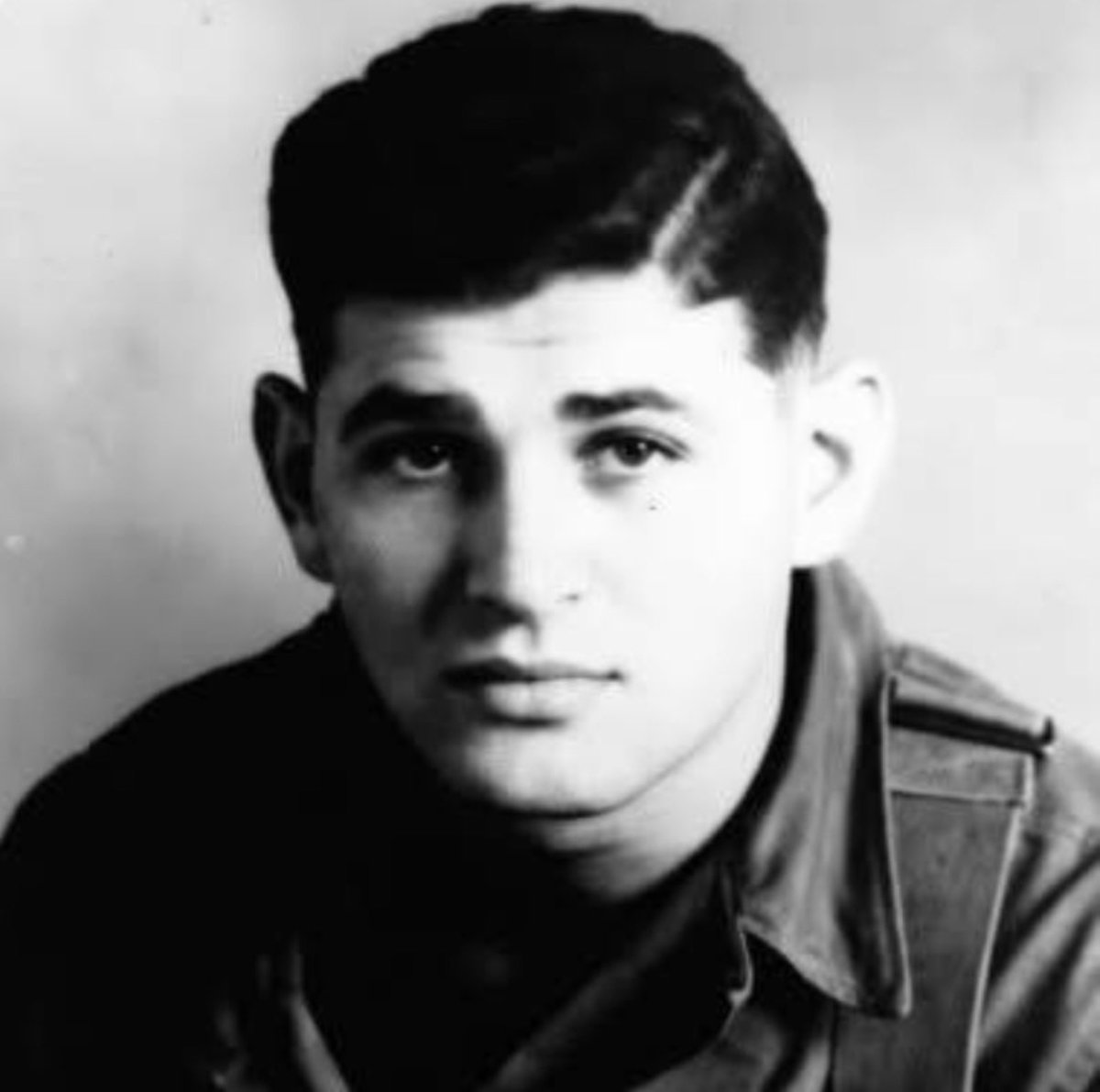
In 1950, Corporal Tibor Rubin was an American soldier fighting in Korea. Just five years earlier, he had been prisoner 29515 at Mauthausen concentration camp, where his parents and sister were murdered. At 15, weighing barely 70 pounds, he was liberated by American soldiers and never forgot what they had done for him. He promised himself that one day he would wear their uniform. He kept that promise, even though his broken English and Jewish heritage made him a target of discrimination from his own sergeant, who repeatedly sent him on dangerous missions.
During one retreat, Rubin was ordered to remain behind and defend an exposed hill alone. He knew the order could mean death, but he stayed. For nearly 24 hours, he moved between positions, firing from different locations to make the enemy believe a larger force was defending the hill. He fought until his ammunition was nearly gone and held the position until American forces returned. His fellow soldiers believed he deserved the Medal of Honor, but his sergeant refused to submit the necessary paperwork.
Months later, Rubin was captured and sent to a brutal prisoner-of-war camp. Remembering the suffering he had endured as a child, he refused to give up. At night, he secretly crawled through enemy territory to steal food and medicine for starving prisoners. He treated their wounds and encouraged those who had lost hope. Fellow prisoners later credited him with saving dozens of lives. Yet even after the war, the recognition he deserved remained buried for decades.
In the 1990s, the Army reopened Rubin’s case and uncovered witness statements showing that discrimination had prevented him from receiving proper recognition. On September 23, 2005, at age 76, Tibor Rubin stood in the White House as President George W. Bush presented him with the Medal of Honor. The man who had once tried to erase his heroism was long gone, but Rubin’s courage remained. He had survived a concentration camp, a war, captivity, and decades of injustice—and still chose to help others. His story became a powerful reminder that hatred may delay justice, but it cannot erase courage.
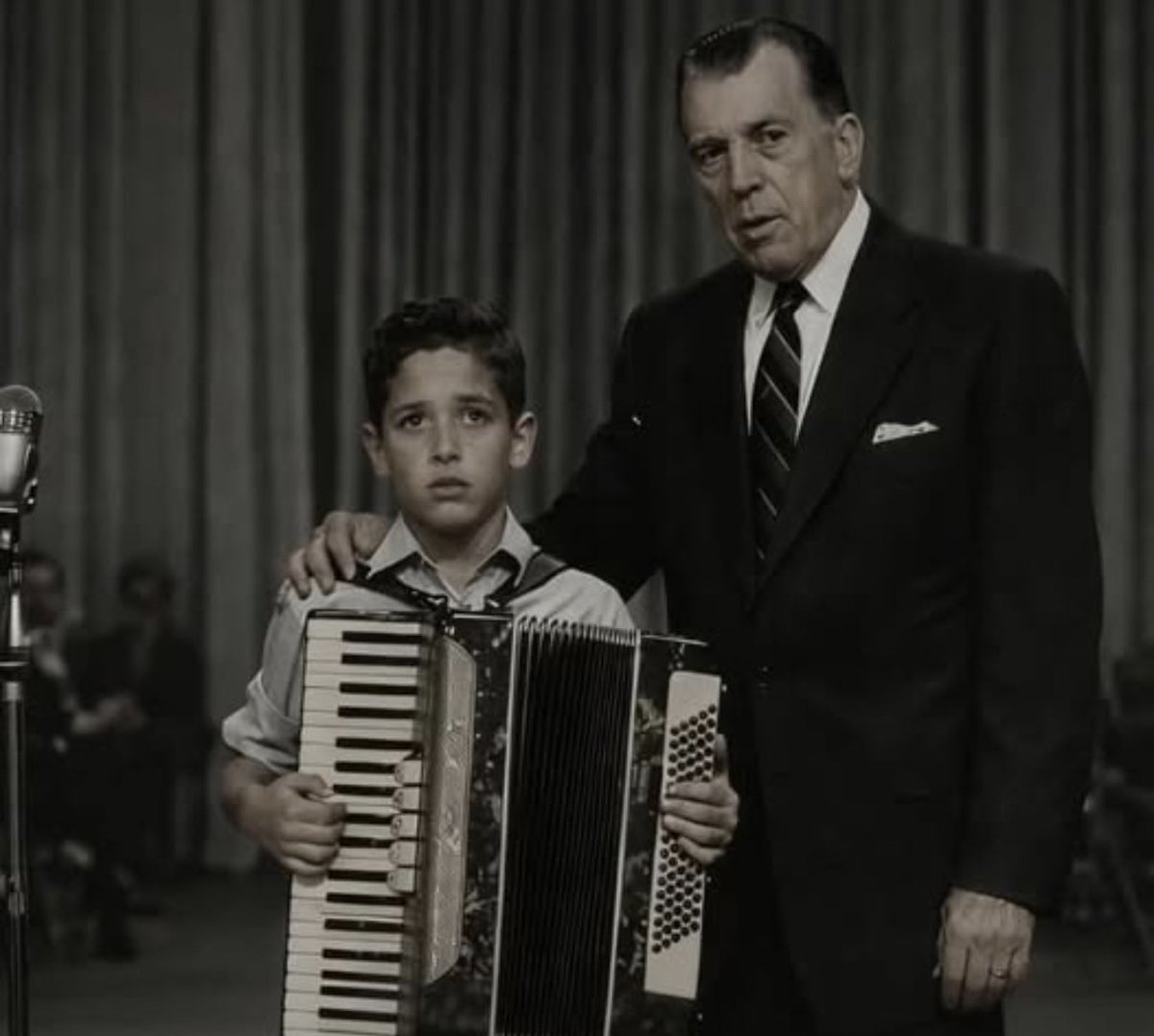
The boy was only 11 years old when he stepped onto the stage of The Ed Sullivan Show, his old accordion almost as big as he was. His grandfather had brought it from Italy, and his grandmother had taught him the piece he was about to play. But as he stood beneath the bright studio lights, a few people in the audience began to laugh at him and his old-fashioned instrument. His face turned red, his fingers trembled, and for a moment, he looked as though he might cry. He had practiced for months, and now, before playing a single note, he felt completely humiliated.
Ed Sullivan noticed. Instead of letting the moment continue, he walked onto the stage and placed a gentle hand on the boy’s shoulder. The laughter stopped. Sullivan looked at the audience and calmly told them that this was an 11-year-old child standing before hundreds of people, brave enough to share something he loved. He asked them to give the boy the respect they would want if they were standing in his place. Then he turned to the trembling child and asked what he was going to play. “Tarantella,” the boy quietly answered. Sullivan smiled and said, “Beautiful choice. Whenever you’re ready. Take your time.”
The boy took a deep breath, looked down at his accordion, and began to play. What followed was extraordinary. His fingers moved quickly and confidently across the keys, and the little accordion filled the studio with bright, joyful music. The audience that had laughed moments earlier became completely silent, listening with respect. When the final note ended, the room erupted in genuine applause. The boy stood taller, his tears replaced by a smile, while Sullivan walked over and shook his hand with genuine respect.
Years later, the boy remembered that moment not simply because millions had watched him perform, but because one man had chosen to stand beside him when he was vulnerable. Sullivan could have allowed the moment to pass, but instead, he made a frightened child feel seen and valued. Sometimes, kindness doesn’t require a grand gesture. Sometimes, all it takes is one person stepping forward and saying, in effect, “You matter. Take your time. We’re listening.
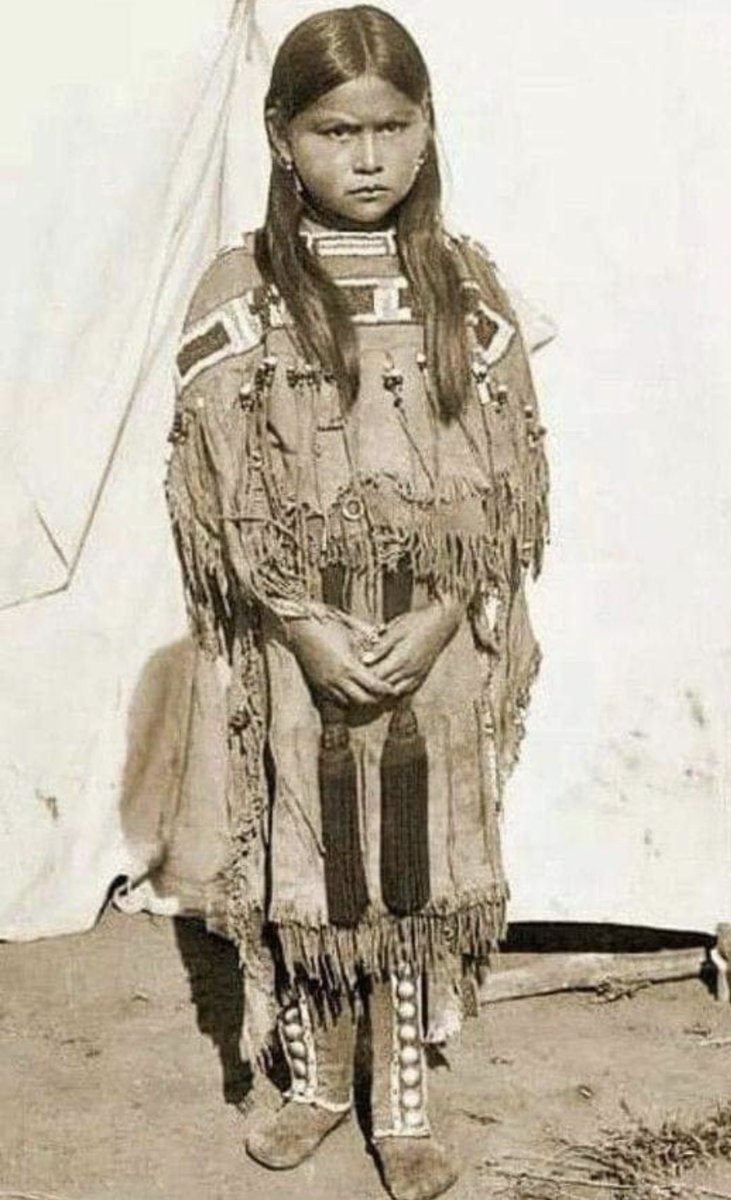
Wanada Parker Page (1882-1970)
Wanada Parker was born in 1882 in Indian Territory. Her Indian name was Woon-ardy Parker. In Comanche, "Woon-ardy" means "Stand Up and Be Strong" because she was weak in her legs and had to use crutches for a long time. She was also given her mother’s name, Weckeah.
She went to Chilocco Indian School, and in 1894, she was sent to Carlisle Indian School in Pennsylvania. She stayed there for several years with her half-brother Harold (Quanah’s oldest son) and her half-sister Neda.
At Carlisle, her name was first spelled "Juanada," but people said that wasn’t right because she wasn’t Mexican or Spanish. In 1895, she was baptized as "Annie" at St. John’s Episcopal Church in Carlisle, but no one really called her that.
Around 1903, Wanada spent about a year at Fort Sill Indian School, living in the girls’ dormitory.
In 1908, she married Walter Komah, a Comanche man. They moved to Mescalero, New Mexico, but Walter died of tuberculosis in 1912. Wanada came back to Lawton soon after. She worked as assistant matron at Fort Sill Indian School while her sister Alice was a student there.
In 1915, she became a nurse’s aide at Fort Sill Indian Hospital. That’s where she met her future husband, Harrison Page. He was a white soldier in the Medical Corps at the hospital. They traveled by streetcar during their courtship and married on December 18, 1916.
Later in life, Mrs. Page went to the first Parker Family Reunion at Fort Parker, Texas, in 1953. This was when the Indian Parkers of Oklahoma and the white Parkers of Texas met for the first time every year
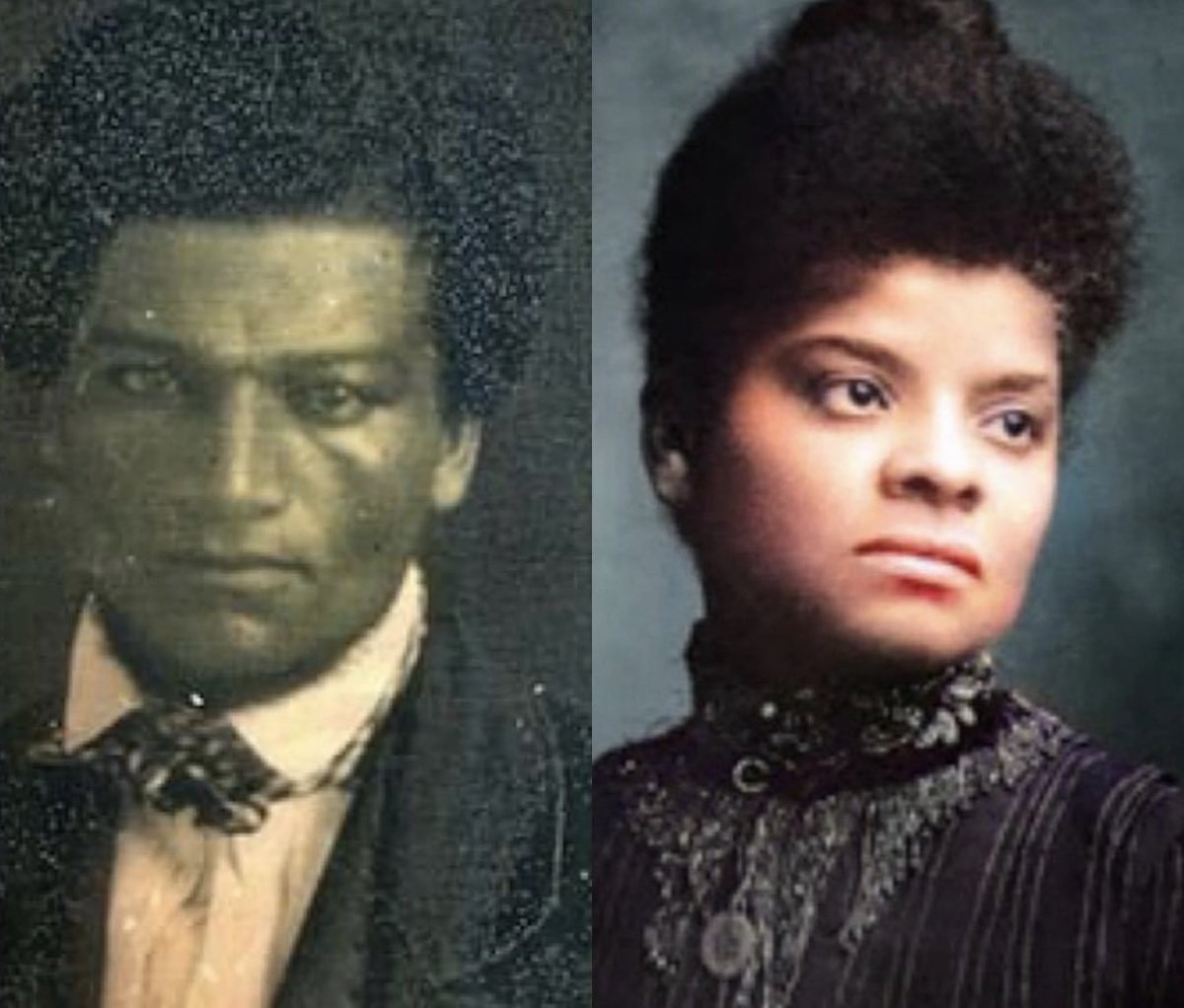
In 1893, Frederick Douglass invited Ida B. Wells to lunch. They went to a place across the street, but Wells knew they wouldn't be served there. Douglass, however, grabbed her arm and said, “Come, let’s go there.” They walked in confidently, ready to stand up for themselves if needed. Douglass took a table and a chair for both of them, while the shocked staff watched. A standoff happened between the staff and Douglass until the owner realized who he was. The owner warmly welcomed them and shared stories of the times when Douglass visited his hometown. After the owner left, Douglass turned to Wells and said with a smile, “Ida, I thought you said they didn’t serve us here. It seems we’re getting more attention than we wanted.”
Frederick Douglass spent his life fighting for justice and equality. One thing he never knew, though, was the exact date of his birth. He struggled with this throughout his life. Douglass believed he was born in February 1817, but records show he was actually born in February 1818. He chose February 14th as his birthday because his mother used to call him her “little Valentine.” Sadly, Douglass didn’t know much about his parents. His mother, Harriet, was sold when he was very young, and he only met her a few times before she passed away. Born into slavery in Maryland, Douglass escaped as a young man and became one of the most powerful voices in the fight to end slavery.
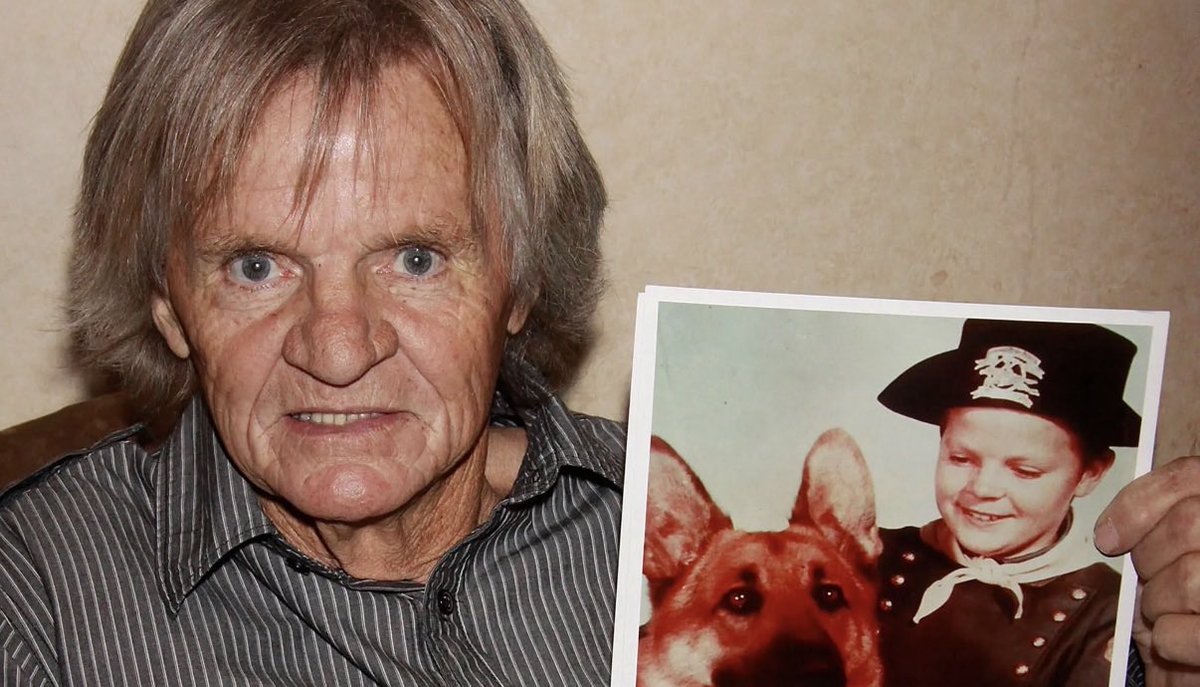
Lee Aaker is a perfect example of a child star who was washed up while still in his teens. Born in 1943 he began his career aged 8. He was in big films such as Hondo with John Wayne, The Atomic City with Gene Barry. He had parts in High Noon and The Greatest Story Ever Told. In O. Henry’s Full House he was billed above Marilyn Monroe.
His biggest role was as Rusty in The Adventures of Rin Tin Tin which ran from 1954 - 1959. After that he had a few guest shots, then the work dried up. "I found it hard to adjust and began doing guest shots, I realised that something had changed. I wasn't the centre of attention any more. My folks had always told me that my career might not last, but when it happened, it was still a hard thing.”
He quit acting at 20 and turned to carpentry. A good heart he taught skiing to underprivileged children and people with disabilities in California. Illness in his 60s forced him to live on only monies from the Screen Actors Guild. When he died in 2021 aged 77 he was alone and his body was unclaimed. He didn’t leave enough money for his burial. This was taken care off as he was an Air Force veteran and entitled to burial benefits.
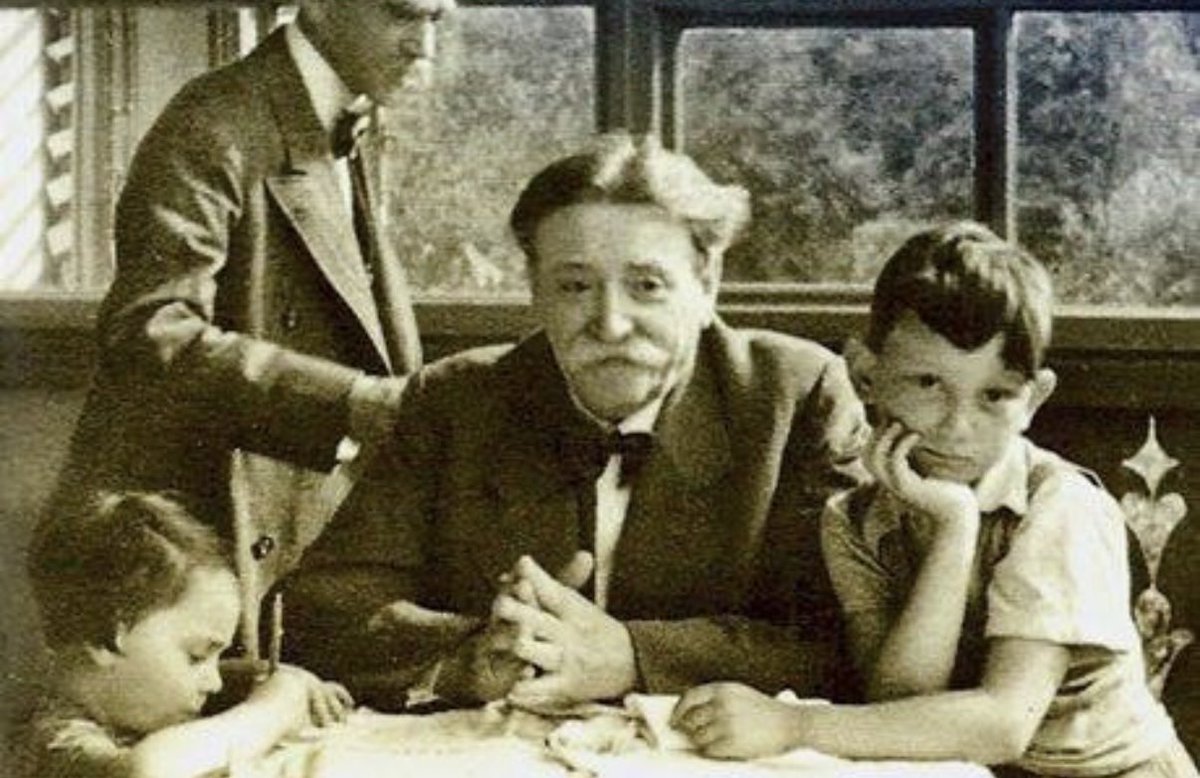
This gentleman is Eduard Bloch, the Austrian Jewish physician to the Hitler family. He practiced in Linz, Austria, and treated both of Adolf's parents for nearly a decade
Because of the Hitlers' financial hardship, Bloch always charged a small fee and sometimes no money at all. In 1907, he diagnosed Adolf's mother, Klara P��lzl, with breast cancer. Her pain was eased by daily intake of drugs prescribed by Bloch, which was said to have prolonged her life and eased her suffering before her inevitable death that same year.
In 1925, Hitler gave him special thanks in his memoir "Ich werde Ihnen ewig dankbar sein" and in 1937 he referred to him as "Edeljude", a noble Jew, for whom he had deep affection and respect. A year later, in 1938, Bloch wrote a letter to Hitler asking for help and was then placed under special protection by the Gestapo: he was the only Jew in Linz with this privilege.
In 1940 Bloch emigrated to the United States, to New York, without practicing medicine anymore since his degree was not recognized in the States. In 1941 and 1943 he was contacted by the American secret services for information about Hitler's childhood in which he recalled that his mother was very pious and kind and that her son, at his imminent death, was "the saddest person he had ever seen".
Because of the Hitlers' financial hardship, Bloch always charged a small fee and sometimes no money at all. In 1907, he diagnosed Adolf's mother, Klara Pölzl, with breast cancer. Her pain was eased by daily intake of drugs prescribed by Bloch, which was said to have prolonged her life and eased her suffering before her inevitable death that same year.
In 1925, Hitler gave him special thanks in his memoir "Ich werde Ihnen ewig dankbar sein" and in 1937 he referred to him as "Edeljude", a noble Jew, for whom he had deep affection and respect. A year later, in 1938, Bloch wrote a letter to Hitler asking for help and was then placed under special protection by the Gestapo: he was the only Jew in Linz with this privilege.
In 1940 Bloch emigrated to the United States, to New York, without practicing medicine anymore since his degree was not recognized in the States. In 1941 and 1943 he was contacted by the American secret services for information about Hitler's childhood in which he recalled that his mother was very pious and kind and that her son, at his imminent death, was "the saddest person he had ever seen".
James Garner did not get along with Charles Bronson during the filming of, The Great Escape, 1963. I read his autobiography, The Garner Files, published in 2011 and the dislike towards Bronson lasted his entire life.
According to Garner it was reciprocated.
From everything I’ve read on James Garner he was a decent human being who insisted on being treated well and fairly. He also insisted on treating others the same. He did not see this in Bronson and described him as, ‘’A pain in the ass. He used and abused people and I didn’t like it.’’
According to another biographer, at the time of filming Garner was a major tv star due to Maverick and was doing well on the big screen with, Up Periscope, and, Children’s Hour. Bronson had been in the business longer, had worked extremely hard, but his career was really going nowhere at this stage. He seemed to have a chip on his shoulder where he felt, perhaps with some justification, that he was as good as some of the actors in the star-studded production.
What annoyed Garner was his lack of fairness as regarded a bit player.
One day, about a year after filming had been completed there was a poker game at Garner’s house with Bronson present. Garner was not a participant, only an onlooker. The hand was down to Bronson and an unknown extra. Bronson bet $50, then, realising he had probably made a mistake went to take the cash back. Garner pointed out he was not allowed to do this while everyone else in the group stayed silent. Bronson started to complain but Garner insisted the money be returned to the pot and, as it turned out, the young extra won the hand. It probably represented a great deal of money to him.
Garner wrote that Bronson took it badly and bad-mouthed him after that. He promised never to work with Garner again.
James finished the piece by writing. ‘’Throughout my life, there have been a few guys who didn’t like me because I was outspoken. Hell, I never thought I was outspoken, I just told the truth.”
A true gentleman and real hero
Like father, like sons, and daughter. In 1936 Harpo Marx married actress Susan Fleming and, by all accounts, they were very happy till the day he died in 1964.
Sadly, they were unable to have children of their own so they adopted four. Well into their adulthood all four children told of how happy they were in a household that Harpo created to spread happiness. He was once asked by George Burns how many children he wanted to adopt. His answer was priceless. "I’d like to adopt as many children as I have windows in my house. So when I leave for work, I want a kid in every window, waving goodbye."
It was said that Harpo didn’t have a cruel or selfish streak in his nature, and he was usually recalled with great fondness by everyone who knew him. Groucho wrote, Groucho and Me (1954), ’Harpo was the solid man in the family. He inherited all of my mother’s good qualities – kindness, understanding, and friendliness. I inherited what was left.’
A real gentleman
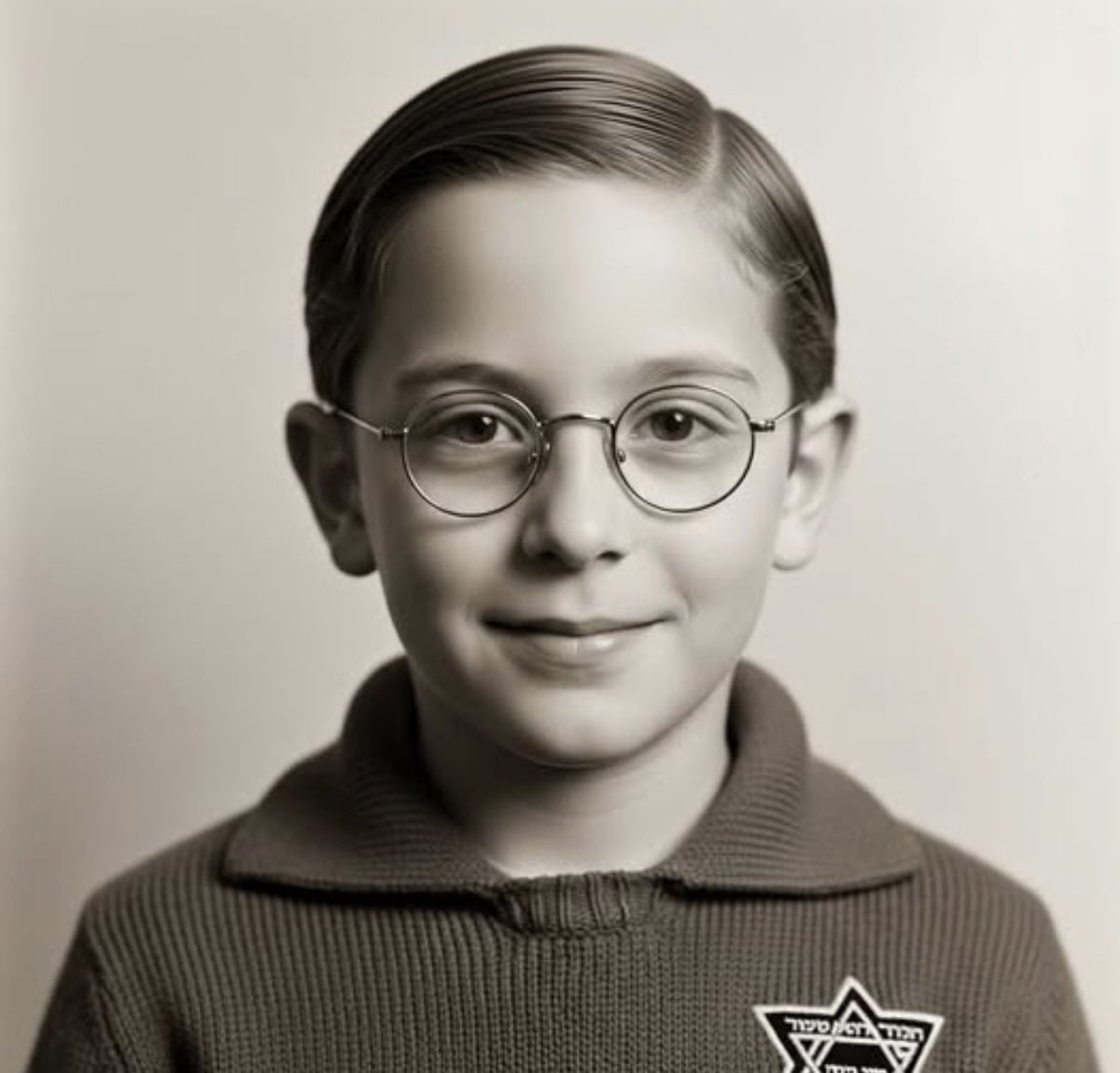
Manfred Pollak was born in Germany in 1929, but the exact date is not known. By 1938, he was going to the Jewish Public School in Munich. For reasons that are not clear, his parents were not part of his life, and he lived in an orphanage.
As a Jewish child in Nazi Germany, he was forced to wear a yellow Star of David patch on all his clothes to show that he was Jewish. You can see this in the first photo.
While at school, he became friends with another boy named Hugo Holzmann, who later survived the Holocaust. Hugo is the one who donated both photos of Manfred.
In March 1943, Manfred was taken from the orphanage and sent to the Auschwitz concentration camp. He was transported in a crowded cattle car with about 70 other people. As soon as he arrived, he was killed in a gas chamber. He was only fourteen years old.
A seemingly happy family pictured in 1950. Hollywood stars Eleanor Powell with her husband Glenn Ford with their only child Peter.
Eleanor was a talented dancer of massively successful films during her career. It was said her movies, for a time, were so popular they saved MGM from bankruptcy.
Peter later became a biographer of his parents and wrote that Fred Astaire told him she was the greatest dancer on film.
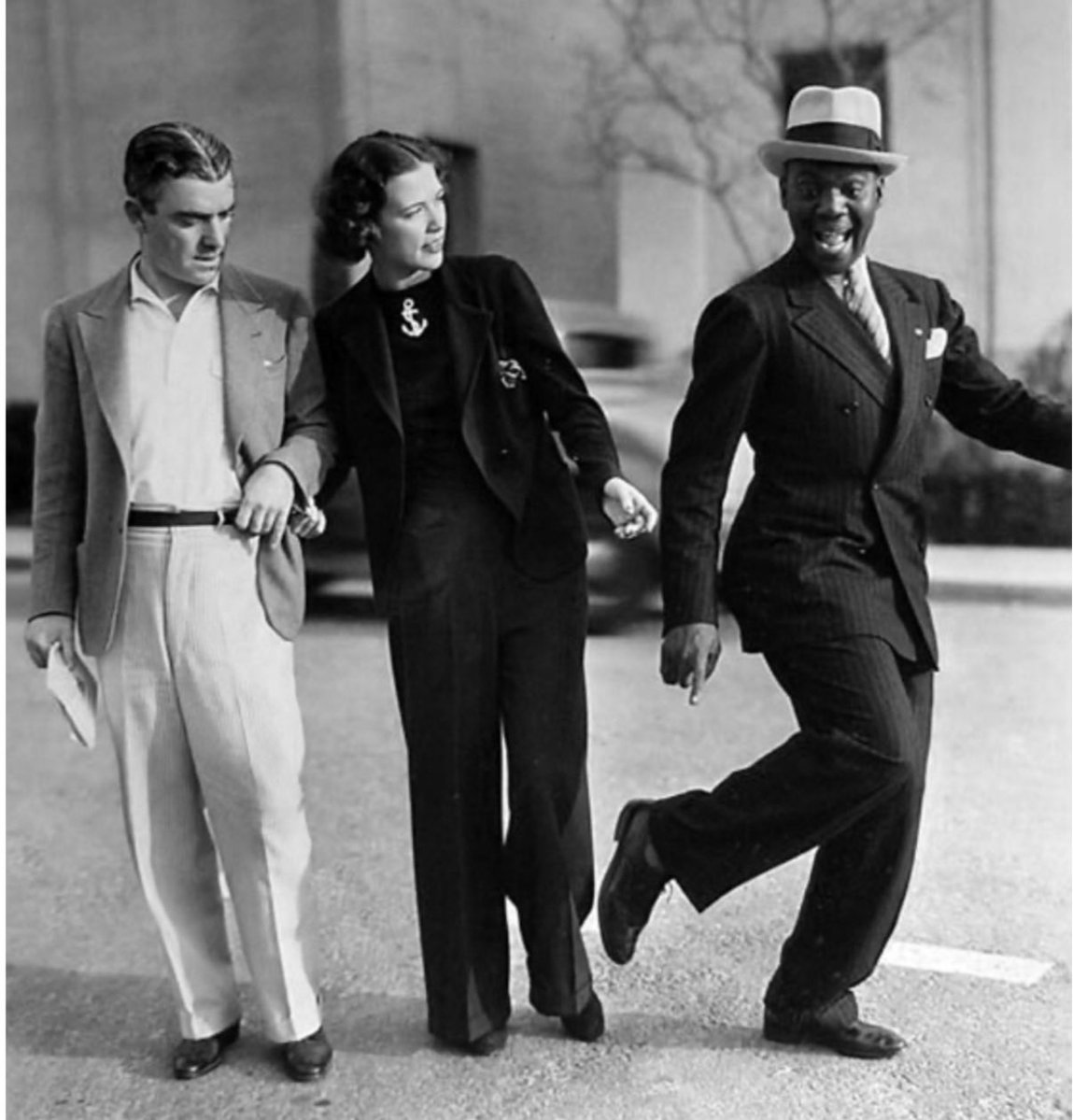
Socially aware, she became friends with Bill Bojangles Robinson. When they worked together they were told that Eleanor could enter from the front, but that Bill would have to enter through the servant’s quarters. Eleanor always entered with Bill though the back entrance.
When she married Glenn in 1943 she gave it all up to create a steady home for their son.
Unfortunately Glenn was a ladies’man who had numerous affairs all through his marriage, most notably with Rita Hayworth. Peter would write, “He was a bad boy. He got involved with a lot of the ladies he worked with. That’s not anything that I’m proud of, but that’s the reality.”
They divorced in 1959. Glenn would go on to marry three more times while Eleanor never remarried.





![Visionaryvoid's tweet photo. I’m honestly surprised that Kelsey Grammer managed to keep it together after all the tragedies in his life.
When he was just 13 years old his father was shot and killed by a man who broke into his home. This, of course, took a toll on him but he managed to power through and stayed focused on his career and ended up studying theater at Julliard.
When he was 20 years old, and still studying at Julliard, Karen, his 18-year-old sister was waiting for her boyfriend at a Red Lobster they worked at when she was kidnapped by two men who originally intended to rob the place. They r*ped and killed her. The men were convicted, one dying in 2019 and the other one, who was a serial killer, is still in prison. Kelsey has been trying to stop him from getting parole as a way to honor his sister.
His daughter, Spencer, stated:
Glenn is always up for parole every couple of years, so every few years [my father] has to speak against him. It's so difficult for him to have to relive it over and over again. And there really isn't a lot of information for the family of victims in regards to when people are going to be released.
As if this wasn’t tragedy enough, five years after losing her, his half brothers, Billy and Stephen Grammer, died while scuba diving in St. Thomas in a suspected shark attack. Billy’s body was never found.
He initially used drugs and alcohol to deal with the pain of everything that happened, but eventually, he got married, had children, and refound God. He says that this is what made it bearable for him to keep going and gave him the strength to start dealing with his trauma in a healthier way.
Thank you for reading](https://pbs.twimg.com/media/HUCPjJHaAAAoH2Q.jpg)