Beyond honoured that @jtrialerror is the focus of a @SG_UU piece - a genuinely perfect, accessible explanation of why we do what we do (and what it is we do) #makingerrorscount#gofailures Many thanks to Studium Generale for featuring us!
In wetenschapstijdschrift #Nature lijkt de wetenschap wel een reeks succesverhalen. Alsof er helemaal geen negatieve resultaten bestaan! Volgens de Utrechtse studenten die het Journal of Trial and Error (@jtrialerror) oprichtten moet dat anders. https://t.co/GjzGGgu7Ba
Donation request!
As a Diamond OA journal for 'failed' research and metascience, we push against the replication crisis and the publication pressure that researchers face.
Do you want to help us make science more open and reflective? Then please donate: https://t.co/X8MNU03AcO
Nog vóór je dertigste worden gezien als één van de meest invloedrijke Europeanen. Hoe gaat zoiets? @sdmgaillard: ‘’Het is een beetje een zwarte doos. We kregen een Google Forms." #Op1#WNL
Truly a childhood dream (yes I was that kinda kid) come true. I have been selected as a Forbes top 30 under 30 together with @vandermeer_rm and a lot of other cool people #ForbesUnder30:
https://t.co/pHe8LN51Kt
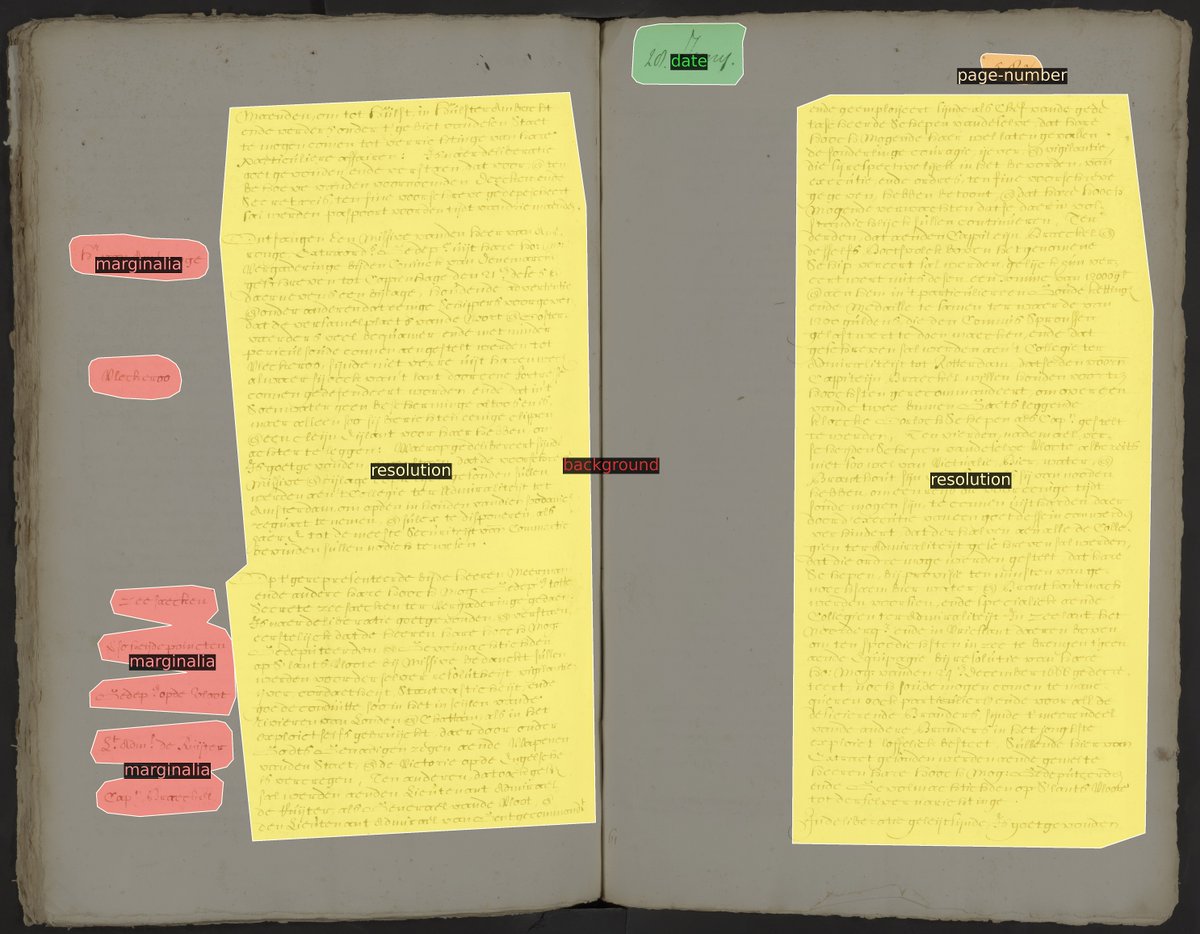
Het ontcijferen van handschriften in archieven is vaak een flinke uitdaging. Om gescande historische documenten digitaal leesbaar en doorzoekbaar te maken ontwikkelde @KNAWHuC de transcriptie-software Loghi. De software is per direct open source beschikbaar. 1/2
De meeste mensen weten dit niet maar de eerste boeken die de nazi’s verbrandden waren die van Magnus Hirschfeld. Ze gingen over… gender en seksualiteit. Opdat we nooit vergeten, door @Tammie_Schoots https://t.co/1G9Ry2Sn0h
At the Journal of Trial and Error, we are looking for anecdotes on serendipity in scientific practice for a special series on serendipity, Please share your story with us!
https://t.co/uCrsAKJcAk
🚨EXTENDED CALL FOR CONTRIBUTIONS🚨
We are looking for contributions related to the topic “Scientific failure and uncertainty in the health domain”. We are putting together a special issue in collaboration with the Journal of Trial and Error
@jtrialerror
Happy that after one year of being the editor responsible for this important article, it's finally published! Another point in favor of preprints and indication of the increased difficulty in finding peer reviewers (even for diamond journals)
https://t.co/SygGCZ78w9
A new blogpost is out! Dig into Marcel Hobma’s opinion piece “Not all that shines is Diamond: why Open Access publication favors rich authors, prestigious universities and industry-funded research”.
Have any questions about this internship with the Journal of Trial and Error or about the special issue? Do not hesitate to reach out to Stefan, who is the editor in chief for this issue, at [email protected].
At the beginning of November, @sdmgaillard and @VisserJobke visited the internship market for the Master's program of Medical Humanities. This is a new degree, in collaboration between Utrecht University and the Utrecht Medical Center. #trialanderror#OpenScience#OpenAccess
🚨 CALL FOR CONTRIBUTIONS 🚨
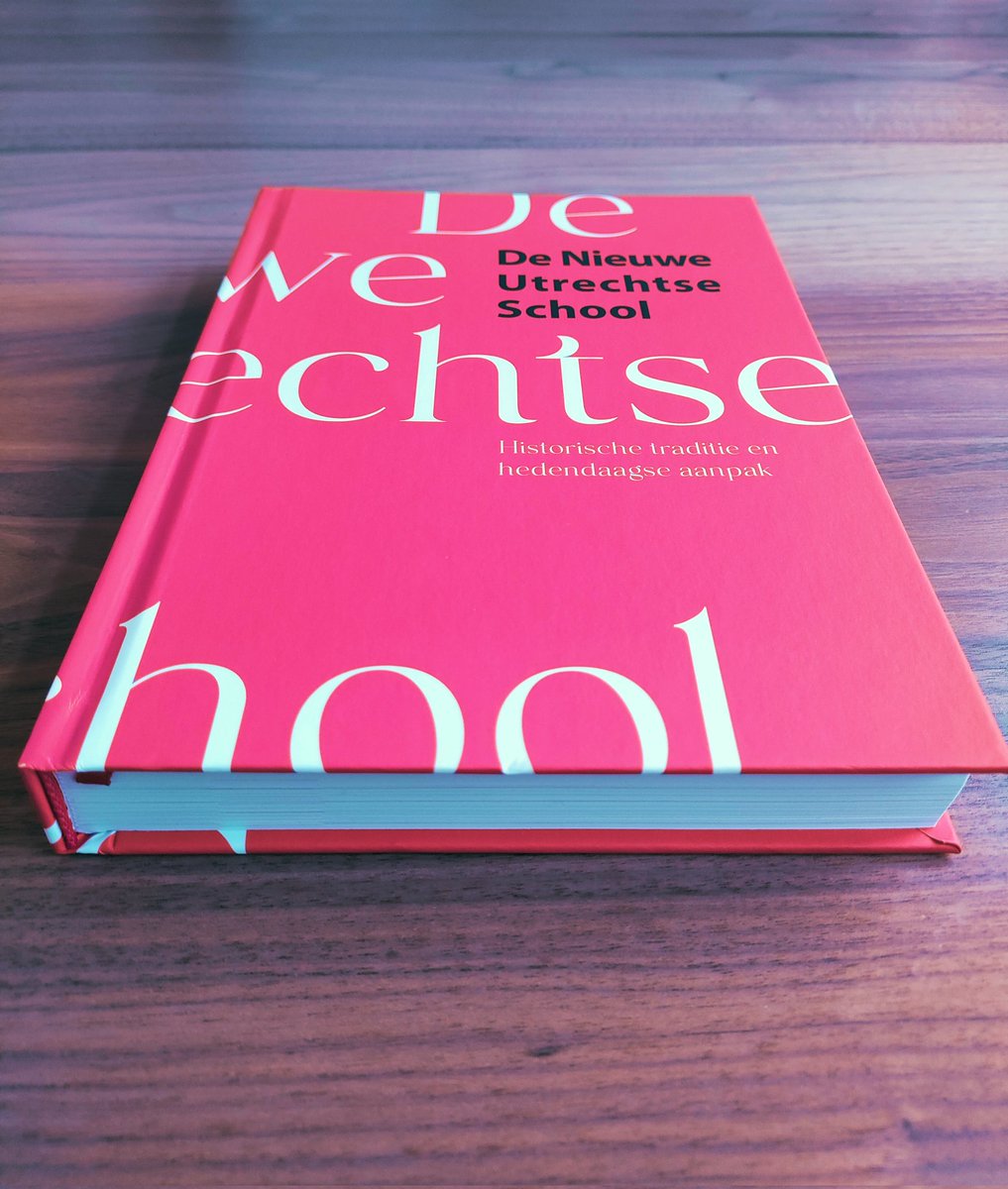
We are looking for contributions related to the topic “Scientific failure and uncertainty in the health domain”. We are putting together a special issue in collaboration with The New Utrecht School @DeUtrechtse
The Journal of Trial and Error and The New Utrecht School are going to publish a special issue on scientific failure and uncertainty in the health domain! We are now opening our call for abstracts. Please send in your idea's by January 31st.
https://t.co/HtFiruNWBf
@SMirandaField I am sorry to hear that, missing out on a job that is a good fit is always a hard blow. Hopefully life sends an even better position your way soon!
We have another blogpost to share with you! This time, enjoy an opinion piece by Marcel Hobma titled: “Can direct replications save psychology from its conceptual and measurement issues?”.
Without a chance meetup at a conference on music therapy, the book Breaking Strings: Explorations of Mistakes in Music Therapy might never have seen the light of day. Music therapists Avi Gilboa and Laurien Hakvoort both wanted to explore the topic of mistakes in music therapy.