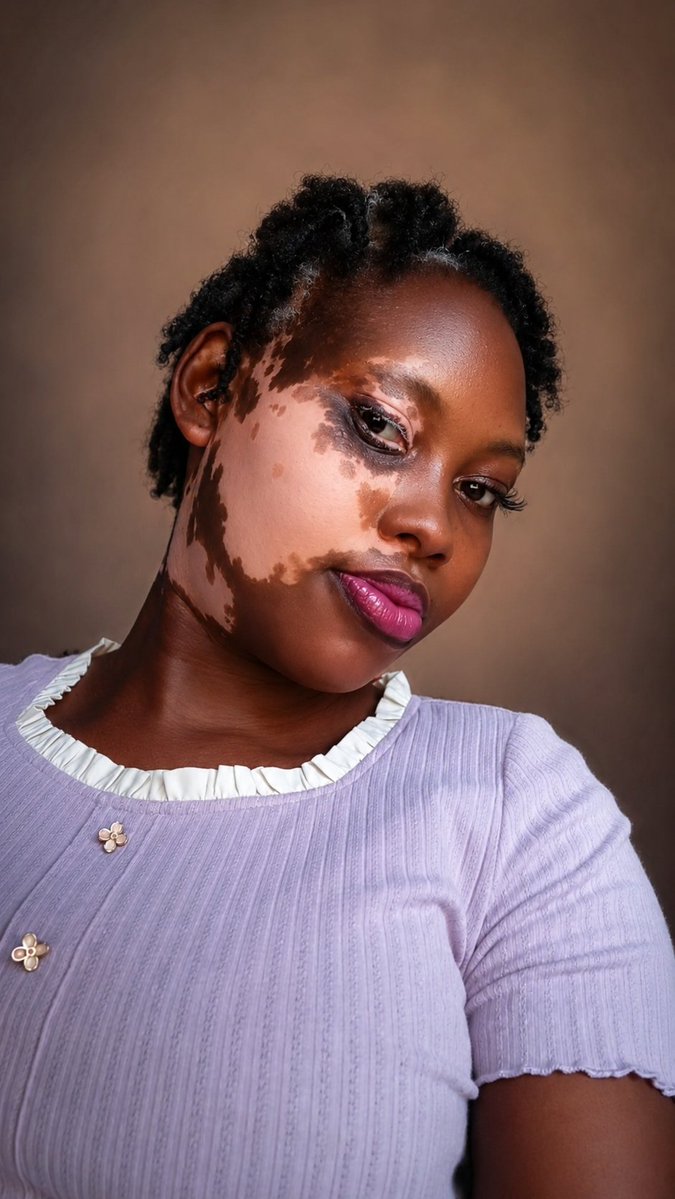
“OMO OBATALA” 🤍
If you’re Nigerian, you’ve probably heard this phrase used to describe someone with vitiligo.
But where did it come from? And why do people with vitiligo get called “Omo Obatala”?
Let’s talk about it. 🧵 #Vitiligo#Nigeria
“OMO OBATALA” 🤍
If you’re Nigerian, you’ve probably heard this phrase used to describe someone with vitiligo.
But where did it come from? And why do people with vitiligo get called “Omo Obatala”?
Let’s talk about it. 🧵 #Vitiligo#Nigeria
Abeg, make we gist. 👀🇳🇬
Our culture get plenty deep stories and beliefs, and this one deserves a respectful conversation.
Growing up, wetin una dey hear about people with vitiligo?
For your side, dem dey call am “Omo Obatala”, or na another name/story?
“OMO OBATALA” 🤍
If you’re Nigerian, you’ve probably heard this phrase used to describe someone with vitiligo.
But where did it come from? And why do people with vitiligo get called “Omo Obatala”?
Let’s talk about it. 🧵 #Vitiligo#Nigeria
And this is why language matters.
When we attach spiritual meanings to a medical condition, people with vitiligo can grow up confused or ashamed of their skin.
We need more understanding, not assumptions. 🤍
#VitiligoAwareness
Growing up in Nigeria, I heard different explanations for my skin.
Some people called me “Omo Obatala.”
Others thought I had been spiritually affected, bleached my skin, or was simply different.
But none of those explanations changed the truth: I have vitiligo. 🤍
No. 🤍
Having vitiligo does not make someone “Omo Obatala.”
Vitiligo is a skin condition that causes loss of melanin, resulting in lighter patches on the skin.
I have vitiligo. I’m not “Omo Obatala.”
Hello, X! 👋🏽💜
I'm Ruth Akinwole, popularly known as Vitiligo Queen 👑. I'm a vitiligo awareness advocate, feature writer, storyteller and aspiring model.
I'm here to share my journey, inspire others and promote beauty, inclusion and representation. 💜🤍
Let's connect! 🦋