The bass. The brain. The method.
🎸 Berklee · Summa Cum Laude · 30+ yrs pro
🧠 Neuroscience-informed music practice
🧘 Silva Method 1992
📍 Novi Sad, Serbia
Jedna pogrešna nota retko uništi nastup.
Sekunda pažnje koju joj pokloniš, često može.
Greška se desi.
Pažnja se vraća na muziku.
Jedna osmina.
I već si dalje.
Free PDF:
https://t.co/BI6e0DGr1h
#NeuroMusic#MusicPerformance#BassPlayer#MusicianLife
Most musicians practice their instrument.
Few train the brain behind it.
Before every show I focus on 3 things:
• No heavy meal 2–3 hours before performing
• Nuts, seeds and brain-supporting foods
• Water first, espresso if needed
What do you eat before a performance?
The best thing you can do after a hard practice session?
Nothing.
Rest is not wasted time.
It’s when your brain stabilises everything you just worked on.
Stop.
Sleep.
Come back sharper.
Playing it perfectly twenty times in a row is not learning. It is temporary storage.
The real question is not "can you play it?"
The question is "can you play it first try, after a break?"
If you can only play it after warming up, you haven't learned it yet.
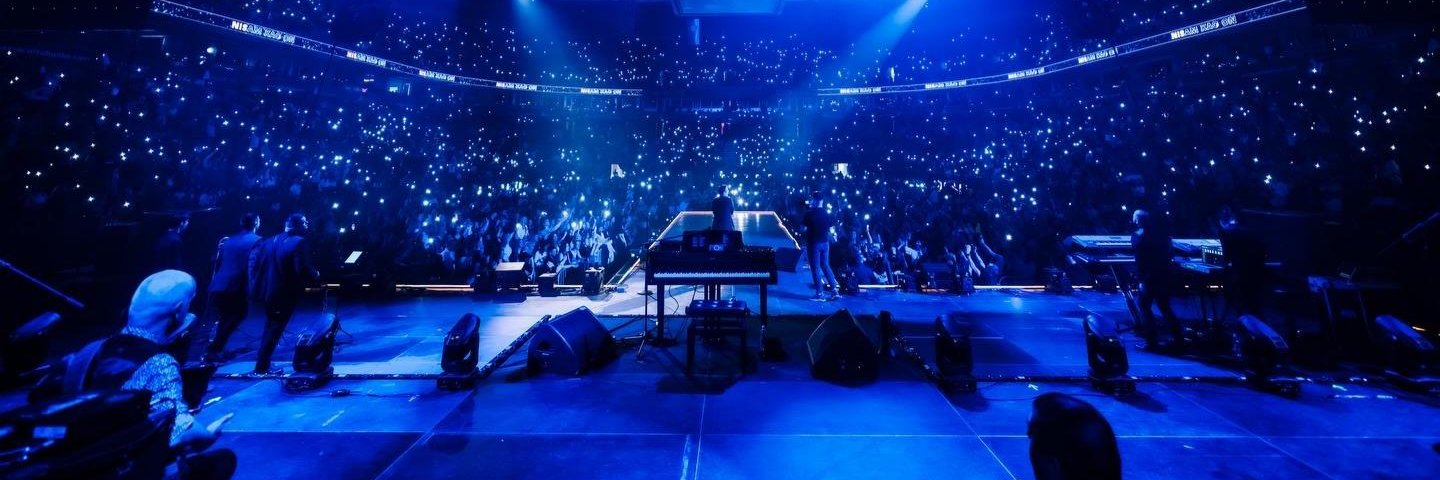
No bass. No room. Just my mind — running the entire Berklee graduation set. 1999. That night I experienced what neuroscience later confirmed: mental rehearsal = physical practice for your brain. Where's your practice room right now?
Concentration in music is not “trying harder.”
The brain performs best when attention is clear, relaxed and specific — not overloaded by fear, perfectionism or self-judgment.
Elite musicians focus on process:
• breathing • groove • timin
The goal is not tension but clarity
Most musicians try to memorize music through repetition alone.
Neuroscience shows memory depends more on:
🧠 attention
🎵 pattern recognition
😴 sleep consolidation
❤️ emotional connection
The brain remembers musical meaning — not just notes.
#NeuroMusic
Most musicians think slow improvement means they need discipline.
Usually, the real problem is neurological.
The brain improves what it repeats consciously — not mechanically.
Weak attention. Poor mental rehearsal.
Practice is not only physical.
It’s neurological.
The practice session that matters most happens while you sleep.
Most musicians treat sleep as recovery. It is not recovery.
It is the second half of practice — the half the conscious mind does not attend.