Want to learn R and stats, or improve your existing skills? I'm running an online course in February - ideal for biology MSc/PhD students. Cost is £120, open to all, & fits around your schedule. Feel free to write me with any questions, full details here: https://t.co/li2tP4el99
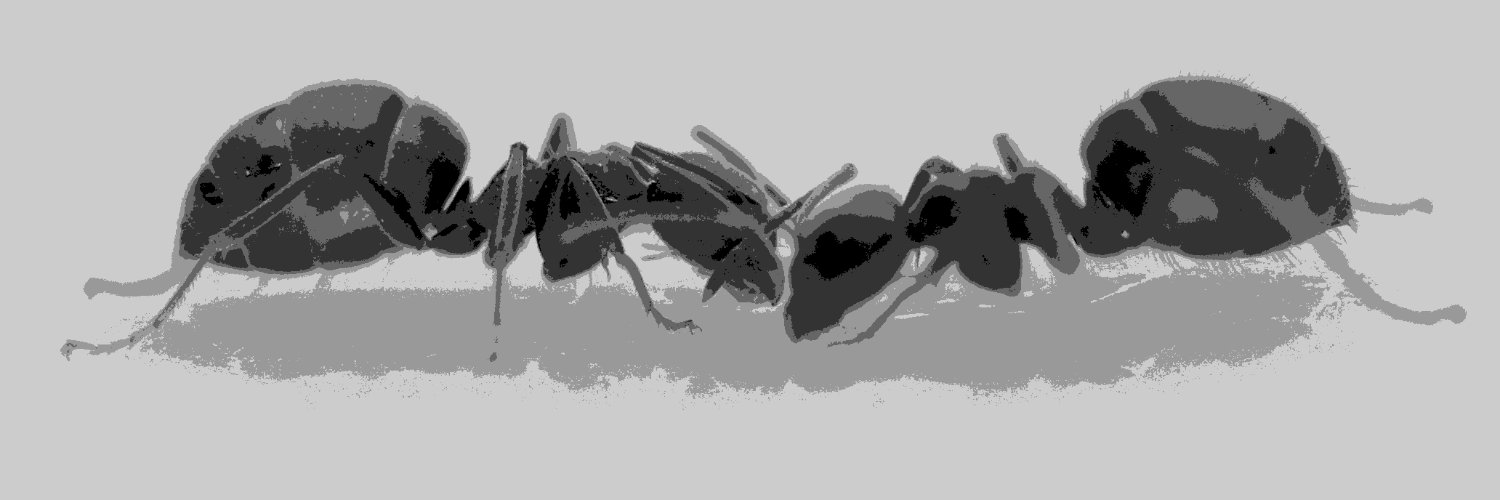
#Ants hold a grudge – they remember who attacked them and fight back harder against those enemy colonies! Our new paper led by @bey_melanie is now published @CurrentBiology
https://t.co/Lajh6csnhi
It's not just humans; ants too hold grudges, per recent @CurrentBiology study. When ants "encountered ants from a nest they had previously experienced as aggressive, they behaved more aggressively towards them than towards ants from nests unknown to them." https://t.co/rn08mr3D2J
Ants Are Like Philadelphia Eagles Fans: They Hold Grudges Forever
There is no comparison between the level of grudge Philadelphia has against Michael Strahan or Terrell Owens and what ants have against their enemies.
If they could write, it would be the stuff of legends.
Evolutionary biology: Ants can hold a grudge. In the grand ant-agonistic world of ant-kind, it turns out these little critters aren't just about marching in lines and carrying picnics away. No, sir! They're also master grudge holders, according to the brainiacs at the University of Freiburg.
Imagine this: Ant A meets Ant B from the neighboring ant hill, and Ant B is all like, "I'm gonna spray you with my acid, buddy!" Fast forward a few days, and if Ant A runs into another Ant B from the same hill, it's like, "Oh, it's you again, huh? Prepare for ant-justice!" They puff up their tiny chests, open their mandibles, and give 'em what for!
If Ant A had only met nice, peaceful ants from another nest (maybe because they were chill or just had their antennae snipped off), they'd be all, "Oh, hey neighbor, let's just share this breadcrumb, shall we?" So, next time you're squishing an ant and feel a tiny bit guilty, remember, they might just hold that grudge in their next life or something. Or at least, they'll tell their ant buddies about you in a not-so-kind way. https://t.co/uaqCUEKAHK
Im Leben eines Insektenvolkes ist vieles vorbestimmt. Da erstaunt eine Studie, die zeigt: Ameisen merken sich, mit wem sie Ärger hatten. Sie lernen also aus Erfahrung. https://t.co/lNxfBeamiJ
Evolutionsbiolog*innen der #UniFreiburg um Dr. @VolkerNehring zeigen, dass #Ameisen nachtragend sein können: Nachdem sie von Konkurrentinnen aus einem bestimmten Nest attackiert wurden, verhalten sich Ameisen anderen aus diesem Nest gegenüber aggressiver. https://t.co/2iHzthtLhj
✨#Postdoc opportunity in my lab @CbiToulouse ! Join an exciting @ERC_Research funded project on the microbiota-gut-brain axis in bees.
👉Apply: Portail Emploi CNRS - Offre d'emploi - Postdoctorat (H/F): Impact du microbiote intestinal sur la cognition des abeilles
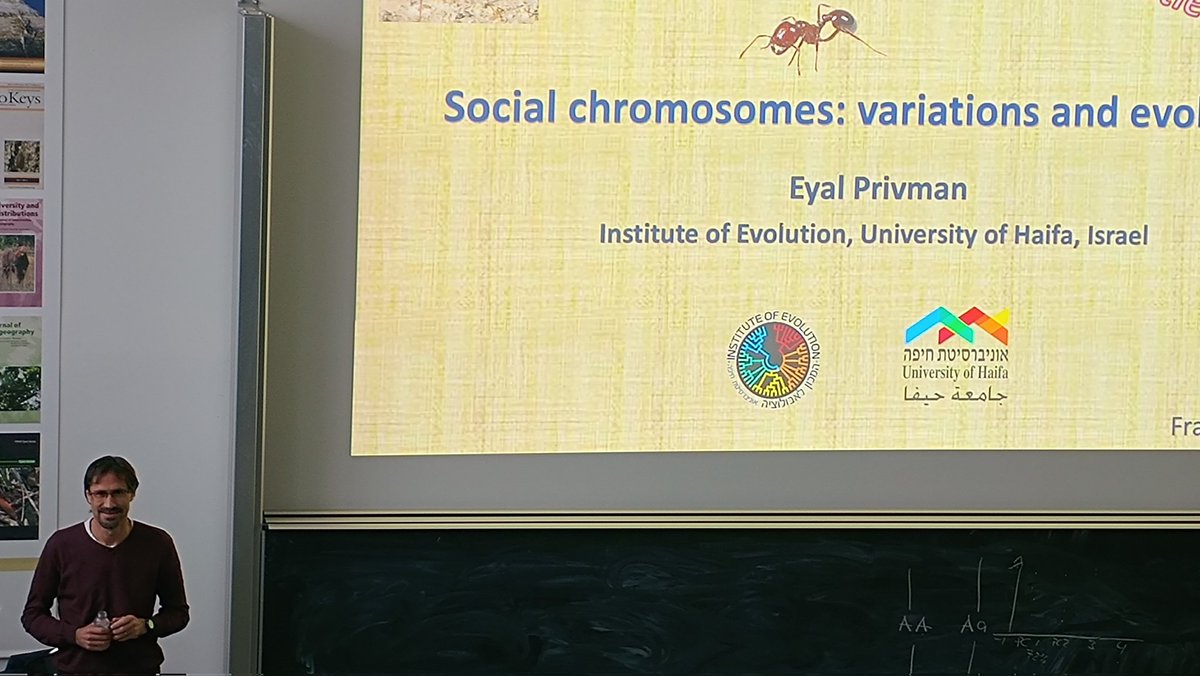
3rd day of our Gevol Meeting with great talks by our invited speaker @GenomeHecker and @eyalprivman. Our students gave really amazing talks about their projects as well. Thanks to the @geobiodiversity for welcoming our Gevol Family this year.
Join our Student Course in Behavioral Biology in Paris, 5/6 Nov 2024, online and in person. 5 invited talks on exciting topics, and round table discussion on animal welfare. Free of charge, registration via website. Please RT.
https://t.co/FoxU1kJzDm
Visualizing Science: Part 2! All are welcome to join me in the ether for free. Let's figure out how not to lie when creating visuals. When: 26 Sept at 1pm Eastern Standard Time.
(Need to register by going to the url or clicking the QR code below.)
Wie hängt Extremniederschlag mit der Klimaerwärmung zusammen?
Warum gibt es sowohl mehr #Extremregen als auch mehr Dürre?
Hier die wichtigsten Fakten kurz erklärt!
#Hochwasser#Klimawandel#Extremwetter