✨🇨🇳Love at first sight is not a common occurrence, but that's the true story of Chinese President Xi Jinping and his wife Peng Liyuan.
At the end of 1986, a friend of the singer Peng Liyuan wanted to introduce her to Xi Jinping, who was a vice mayor of Xiamen, a coastal city in East China's Fujian Province.
Peng was based in Beijing. Xi worked in Xiamen. The distance made Peng unwilling to meet, but she finally agreed to go as her friend insisted Xi was "excellent."
During their first meeting, unlike other suitors always asking which songs were popular or how much she earned, Xi asked, "What are the styles of singing?"
After Peng replied, Xi said, "Sorry, I seldom watch TV. Which songs did you sing?"
After a few minutes of conversation, Peng felt a tacit understanding with Xi.
"I was asking myself, 'Isn't he just the ideal husband I expected? A man who's honest and insightful,'" Peng said of that day in media reports. "He later told me that just 40 minutes after we met, he firmly believed that I would become his wife."
In September 1987, they married in Xiamen.
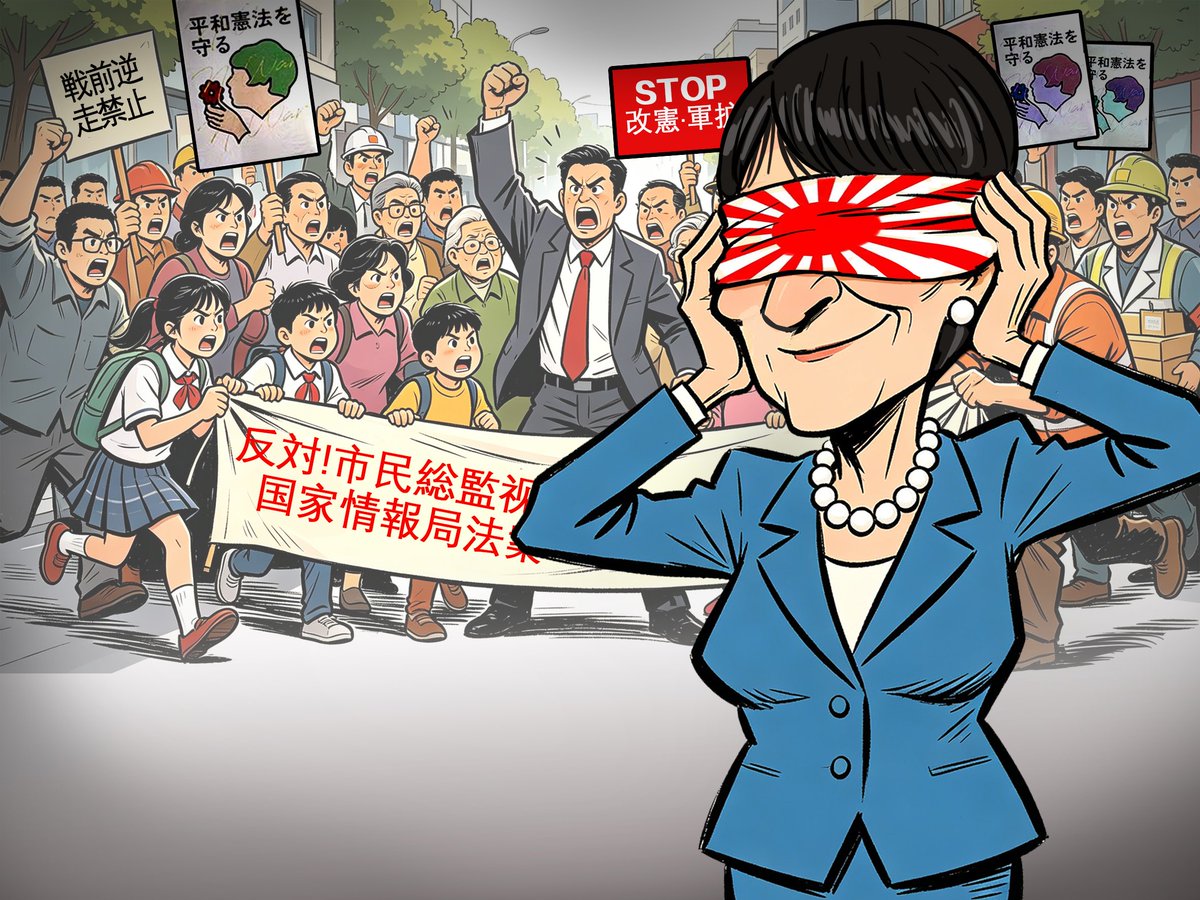
Around 10,000 people gathered in front of Japan's National Diet Building in Tokyo on Friday evening for an anti-war rally, protesting what they described as a series of dangerous policy moves pursued by the government of Prime Minister Sanae Takaichi.
Held under the theme "Don't Let War Happen," the rally saw participants holding banners reading "No to Lethal Weapons Exports" and "Stop War Profiteering," while chanting slogans such as "No War," "No Military Buildup," and "Protect Peace" to express opposition to the government's recent policy direction.
One protester identified as Matsuzawa said that he strongly feels Japan is becoming increasingly militarized and militaristic, citing the Takaichi government's efforts to revise Article 9 of the Constitution and push anti-espionage legislation.
He said, "My child is in elementary school. If things continue this way, I don't think we will be able to leave a peaceful Japan to the next generation," adding that these moves remind him of developments in Japan before World War II.
While pushing military expansion at home, the Takaichi administration is also ramping up security cooperation with neighboring countries.
On Thursday, Takaichi held talks with visiting Philippine President Ferdinand Romualdez Marcos, during which the two sides reached a number of agreements on defense issues, including advancing Japan's planned export of destroyers to the Philippines.
Speaking to the reporter at the rally, a female protester said she strongly opposes Japan's export of lethal weapons, arguing that such actions violate the Constitution.
She warned that these moves would heighten regional tensions and expressed hope that diplomatic efforts could help bring peace to Asia.
According to Asahi Shimbun, coordinated protest events were held at around 150 locations across Japan on the same day.
#Remilitarization #JapaneseMilitarism
#Militarism #NeoMilitarism
#PeacefulCountry #pacifistConstitution
#TakaichiSanae #Sanae #Takaichi
#SanaeTakaichi #高市早苗
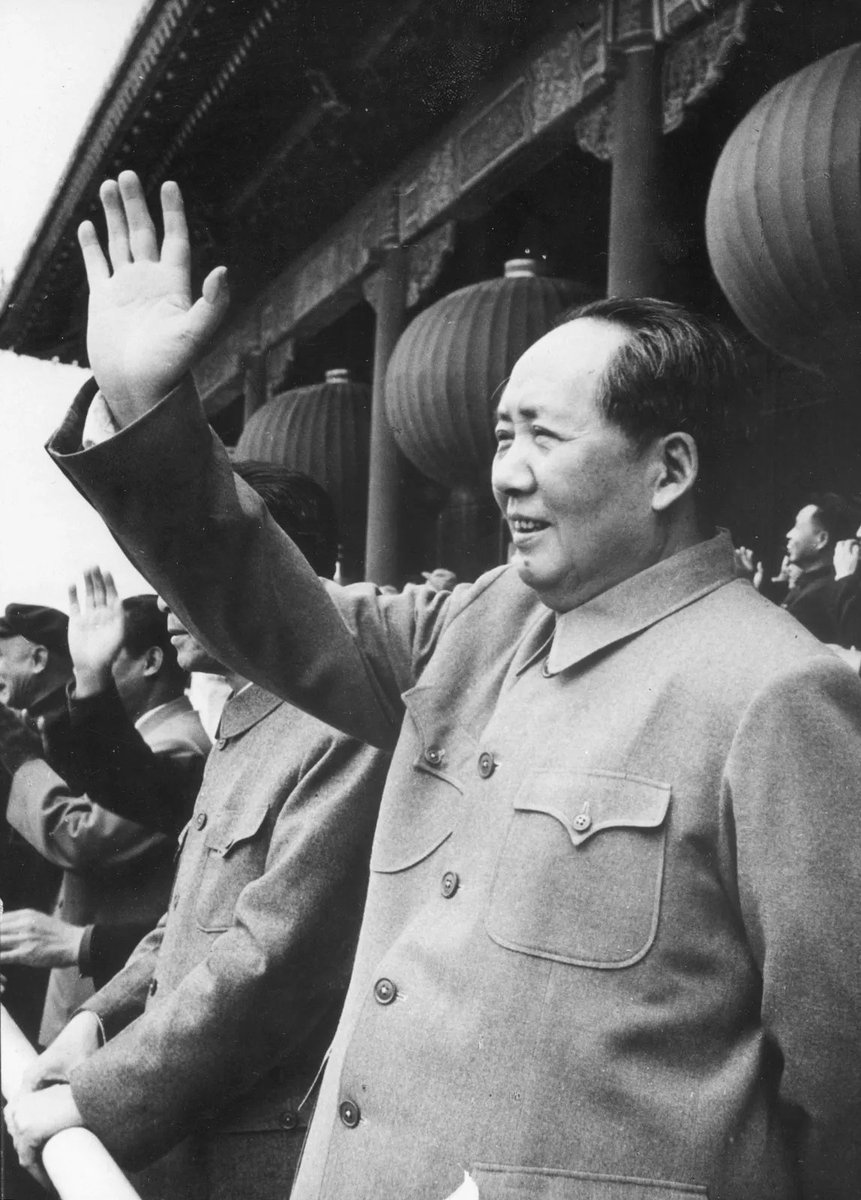
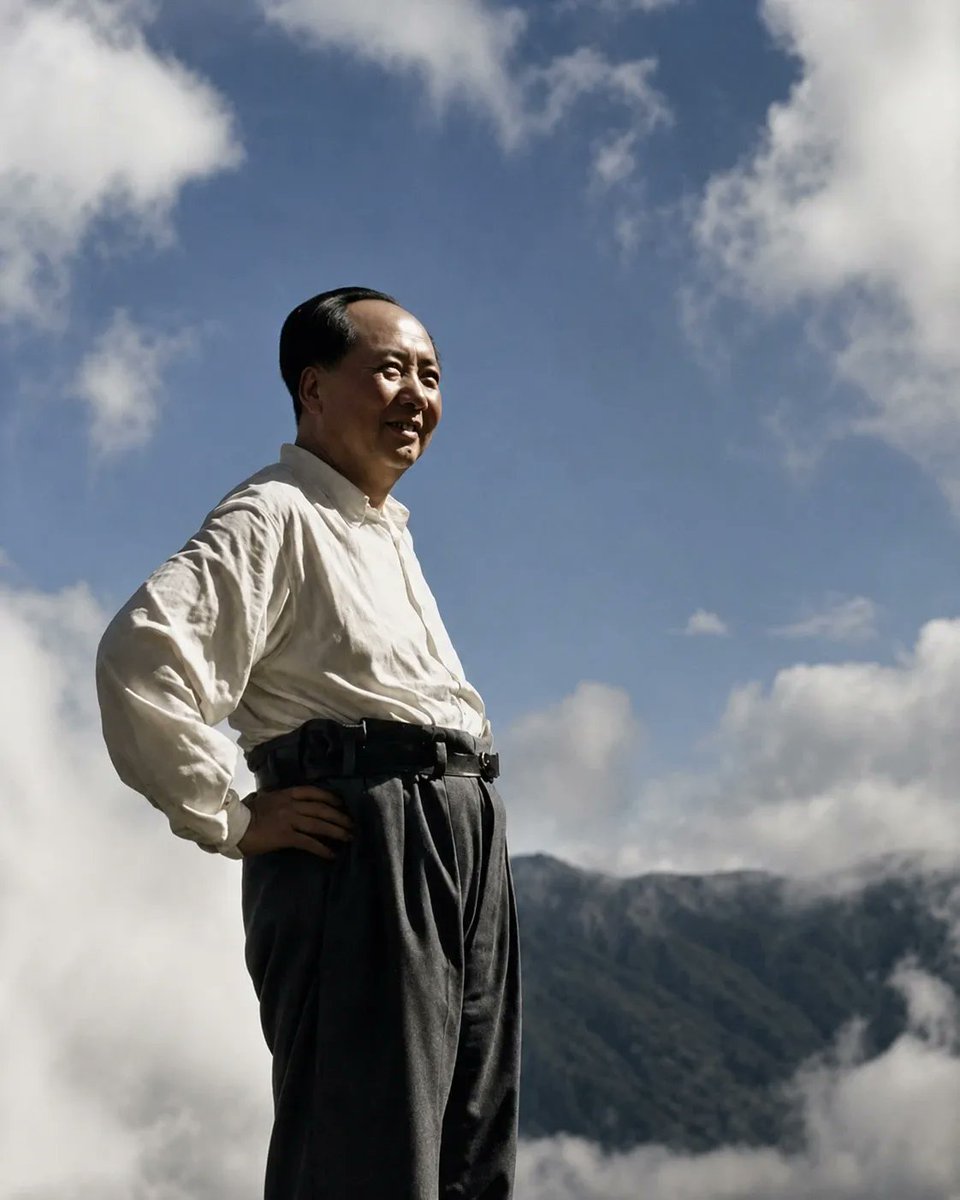
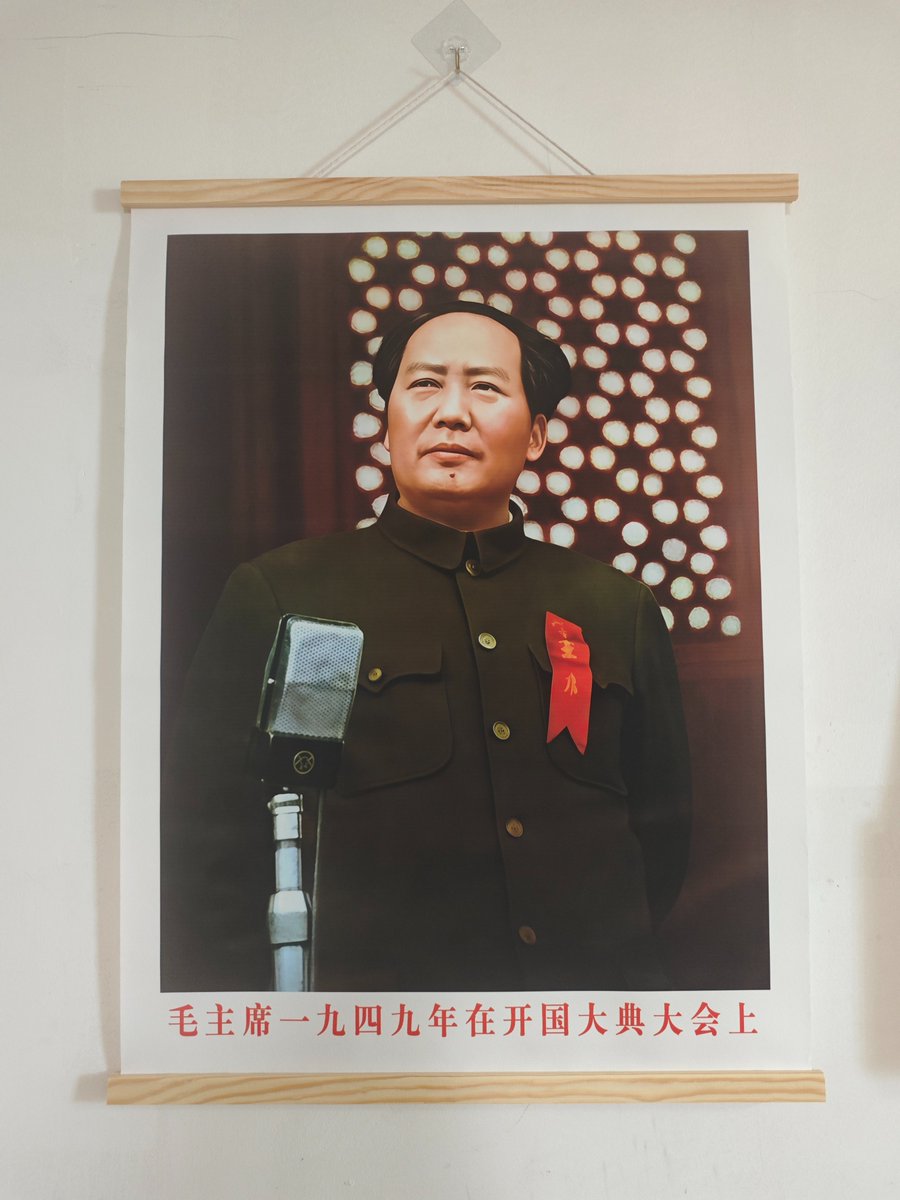
Mao Zedong is not just one of the greatest heroes of China's history, but one of the greatest heroes of world history.
A wise Chinese woman told me that “China was a light that guided the people out of darkness at critical time.”
Help me add to this list of his achievements.
1. Founded modern China.
2. Ending warlord fragmentation and the "century of humiliation."
3. Restored sovereignty and ended colonial foreign domination and unequal treaties
4. Implemented nationwide land reform (early 1950s), redistributing land from landlords to peasants and breaking feudal structures.
5. Promoted women's rights via the 1950 Marriage Law, banning forced marriages, concubinage, and foot-binding.
6. Ended historic illiteracy through mass education campaigns.
7. Increased primary school enrollment and access for the masses.
8. Improved public health with "barefoot doctors," sanitation drives, and disease eradication efforts.
9. Raised life expectancy from 38 years in 1949 72 years.
10. Led the development of heavy industry with Soviet aid, despite brutal sanctions from the USA.
11. Established state-owned industrial base, laying groundwork for later development in steel, coal, machinery.
12. Developed nuclear weapons which protect the nation today from imperialism powers.
13. Stop the imperialists from taking all of Korea.
14. Built extensive irrigation and infrastructure through mass mobilization (dams, canals, etc).
15. Opened diplomatic relations with the U.S. via Nixon's 1972 visit, shifting global geopolitics.
16. Unified written language efforts and simplified Chinese characters for broader literacy.
17. Fought the Fascist Japanese occupation effectively in base areas during WWII.
18. Inspired global anti-colonial movements as a symbol of Third World revolution.
19. Achieved early economic growth in the 1950s, despite brutal US sanctions on farming equipment and machinery.
20. Built foundational transportation infrastructure (railways, roads).
21. Elevated China's status as a major world power despite US attacks, counterintelligence, and sanctions.
Japan's military-industrial complex is expanding aggressively and rapidly, representing another major development in the country's accelerating remilitarization and raising widespread concerns both within Japan and across the international community, said Chinese Foreign Ministry spokesperson Mao Ning on Friday.
The spokesperson made the remarks at a regular news briefing in response to reports that the value of orders placed by Japan's Defense Ministry had tripled over the past five years, accounting for half of all government public-sector demand orders in fiscal 2025. The reported increase was driven in part by growing orders for weapons and equipment, including surface-to-air missiles and aircraft.
"We are closely following the relevant reports," the spokesperson said on Friday.
The spokesperson noted that Japan's military-industrial complex had once served as an important driving force and economic foundation for the country's descent into militarist aggression and expansionism.
It was precisely because of such historical lessons that a series of documents with full force under international law, including the Cairo Declaration, the Potsdam Proclamation and the Japanese Instrument of Surrender, explicitly stipulated that Japan be completely disarmed and prohibited from maintaining industries that could enable it to rearm, the spokesperson said.
However, the Japanese government is now continuously easing restrictions on and channeling resources into its defense industry through increased fiscal spending, institutional support and the lifting of arms export restrictions, the spokesperson said.
Senior Japanese government officials have also vigorously promoted weapons and military equipment internationally in an attempt to turn the defense industry into a pillar of the national economy, the spokesperson said, adding that such moves run counter to Japan's self-proclaimed image as a "peaceful nation".
"Government budgets that should have been used to improve people's livelihoods are being spent on military orders, and production lines that should have made household appliances are now producing lethal weapons," the spokesperson said.
"Does Japan intend to repeat the mistakes of history and once again follow the old path of militarist expansion?" the spokesperson asked.
"The entire peace-loving population worldwide, including the Japanese people, should remain highly vigilant against the possibility of Japan repeating history by pursuing militaristic expansion," the spokesperson said.
#Remilitarization
#YasukuniShrine #JapaneseMilitarism
#Militarism #NeoMilitarism
#PeacefulCountry #pacifistConstitution
#TakaichiSanae #Sanae #Takaichi
#SanaeTakaichi #高市早苗
#ChinaMilBugle #ChinaMilitary
✨🇨🇳Xi Jinping:Our experience has taught us that, at the fundamental level, we owe the success of our Party and socialism with Chinese characteristics to the fact that Marxism works, particularly when it is adapted to the Chinese context and the needs of our times.