We seek 1-2 Postdocs to conduct:
💡 Fundamental/translational research optimizing advanced #water treatment processes to reduce costs and emissions
💧 Applied research to develop, test, and implement optimized control or design strategies for water systems
https://t.co/aI88baXm8T
We seek a Postdoc with experience in optimization to:
- co-develop a hybrid ML/process-based #anaerobicdigestion model
- perform techno-economic and lifecycle analysis of biogas microgrids 📊
https://t.co/Gi46uaGqts
Do you want to contribute to the WE3 lab's mission of reducing the cost and carbon intensity of our water systems? We're #hiring for 2-3 #postdoctoral positions!
(1/3)
Can water systems enhance grid stability? A study led by @StanfordWoods@WE3Lab found that water systems like desalination can shift up to 30% of their energy use during peak demand times, lowering costs and boosting grid resilience. Read more: https://t.co/XR0zzgqfmm
Spotlight on @WE3Lab 🌟
In Valuing Energy Flexibility from Water Systems, @Stanford researchers Rao (@raodoesresearch) and @WE3Lab coauthors study efficient operation of water systems in a decarbonizing grid
Their accompanying marimo notebook brings their research to life💧⚡
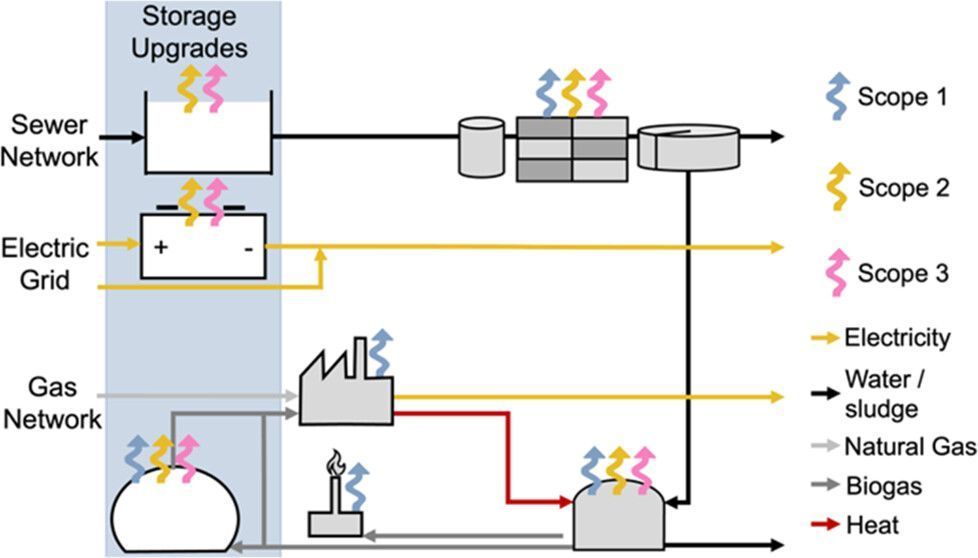
💧⚡ Water resource recovery facilities could co-optimize costs & emissions with #energyflexibility. Our latest paper in @EnvSciTech from lab members Fletcher Chapin, Daly Wettermark, and Jose Bolorinos explores the tradeoffs. (1/3)
@EnvSciTech We estimate energy-related CO2e reductions of up to 16.8% when operating optimally-sized storage upgrades to minimize emissions. The reduction is smaller when co-optimizing for cost & emissions - a result of electric grid emission profile and electricity tariff misalignment (2/3)
Corisa Wong did a great job with her presentation "Targeted Agricultural Water Savings in California using Crop Water Productivity" at @theAGU conference last month! If you attended #AGU2024 you can still find the session recording on the platform 🌳🍇🍊https://t.co/lGZxCPujV2
Our latest paper formulates a computationally efficient and modular approach to reduce #desalination 🌊 energy costs by using time-based production scheduling. 🕙 Congratulations to Akshay (@raodoesresearch), Adam Atia (NETL) and Bernard Knueven (NREL)! https://t.co/TYdDCjC6hJ
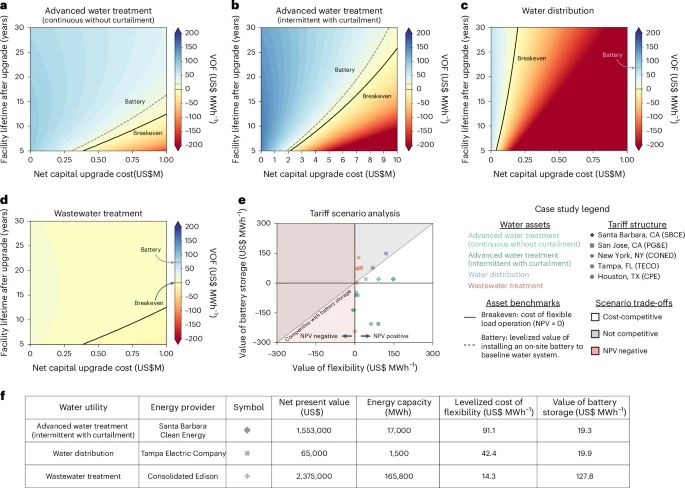
“If we’re going to reach net zero, we need demand-side energy solutions, and water systems represent a largely untapped resource.” Our latest paper, led by @raodoesresearch, reveals the water sector's potential to leverage energy flexibility. 🧵 https://t.co/MMv8QzVY8x
@raodoesresearch We define flexibility metrics which can help grid operators evaluate the magnitude and dispatchability of distributed energy resources in the water sector. We explore the financial implications by defining the Levelized Value of Flexibility, illustrated with a few case studies:
Welcome to Gina Kittleson! Gina is joining the WE3 Lab and @SFletcherH2O lab for her Ph.D. to extend our work on desalination plant permitting and optimization under deep uncertainty to new locations in California. 🌎 You might also find Gina baking, hiking, or volunteering.
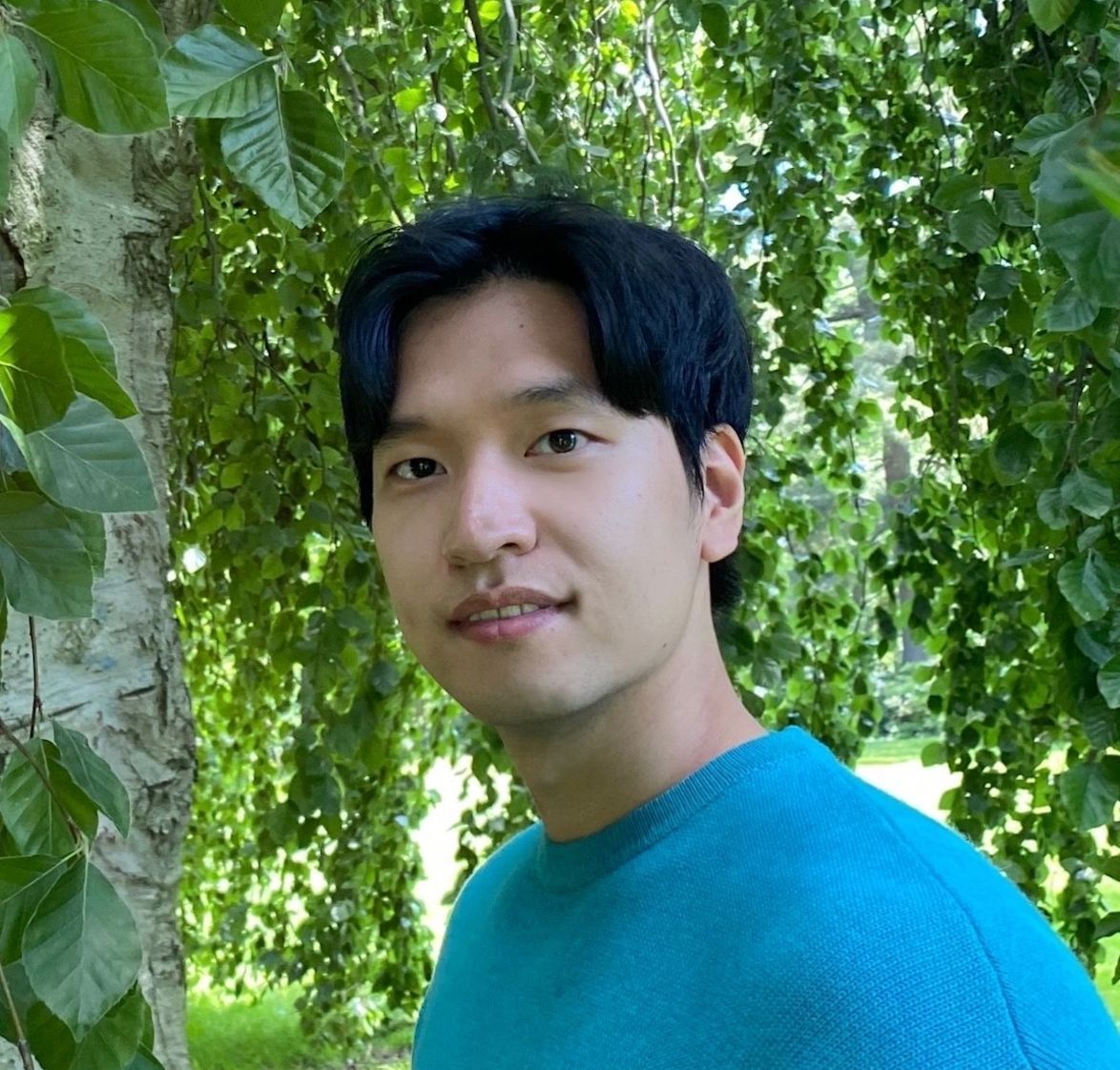
We're excited to welcome Inhyeong Jeon as a postdoc in the lab! Inhyeong earned his Ph.D. from @YaleEngineering studying decentralized, solar-driven water treatment, and will continue to work on the decarbonization and decentralization of our water supply.
Lab members Carson, Inheyong, Charan and Akshay have been attending and presenting at the IDAES Advanced Process Systems Engineering Stakeholder Summit this week. @raodoesresearch did a great job presenting his framework for valuing water system energy flexibility! #PSE#WaterTAP
Carson Tucker, with Tim Bartholomew and Alex Dudchenko, isolated cost drivers of mechanical vapor compression for concentrating RO brines. They find opportunities to reduce costs with heat transfer and material innovation. Read the paper in Water Research: https://t.co/BO52qCKJhw
Citric acid can be used as a water softener, a membrane cleaning agent - and a base for creative lemonade mixology. Happy summer from WE3 lab - squeeze the day! 🍋
I'm thrilled to continue serving research director for NAWI 2.0. Together with @NAWIHub's 500+ organizational partners, our objective remains to drive down the cost and emissions of our water supply for a resilient water future. https://t.co/rMXRumHtkL