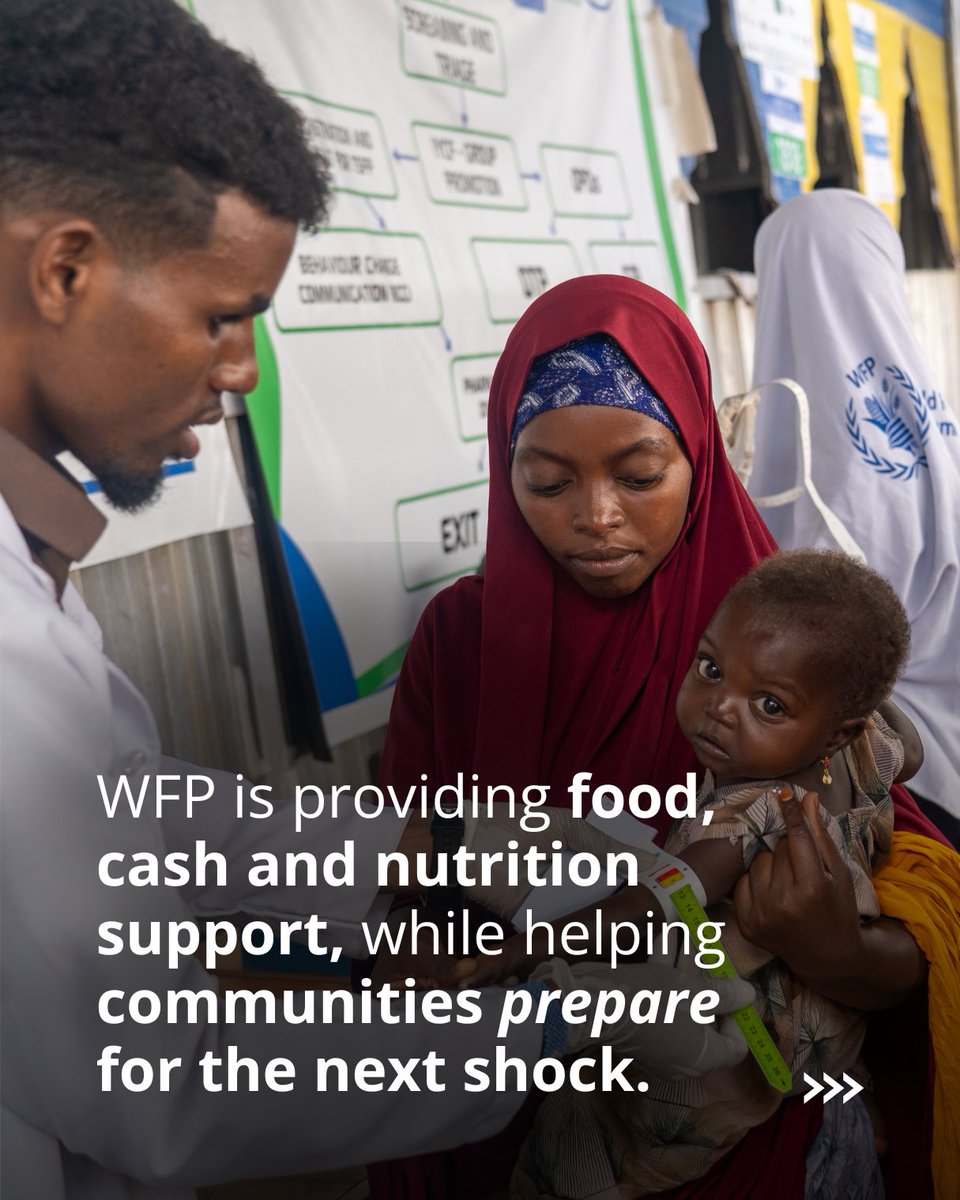
2020 Nobel Peace Prize Laureate. The UN World Food Programme saves lives in emergencies and uses food assistance to build a pathway to peace and stability.
Weather extremes, conflict and economic pressures are pushing more people into hunger and putting livelihoods at risk.
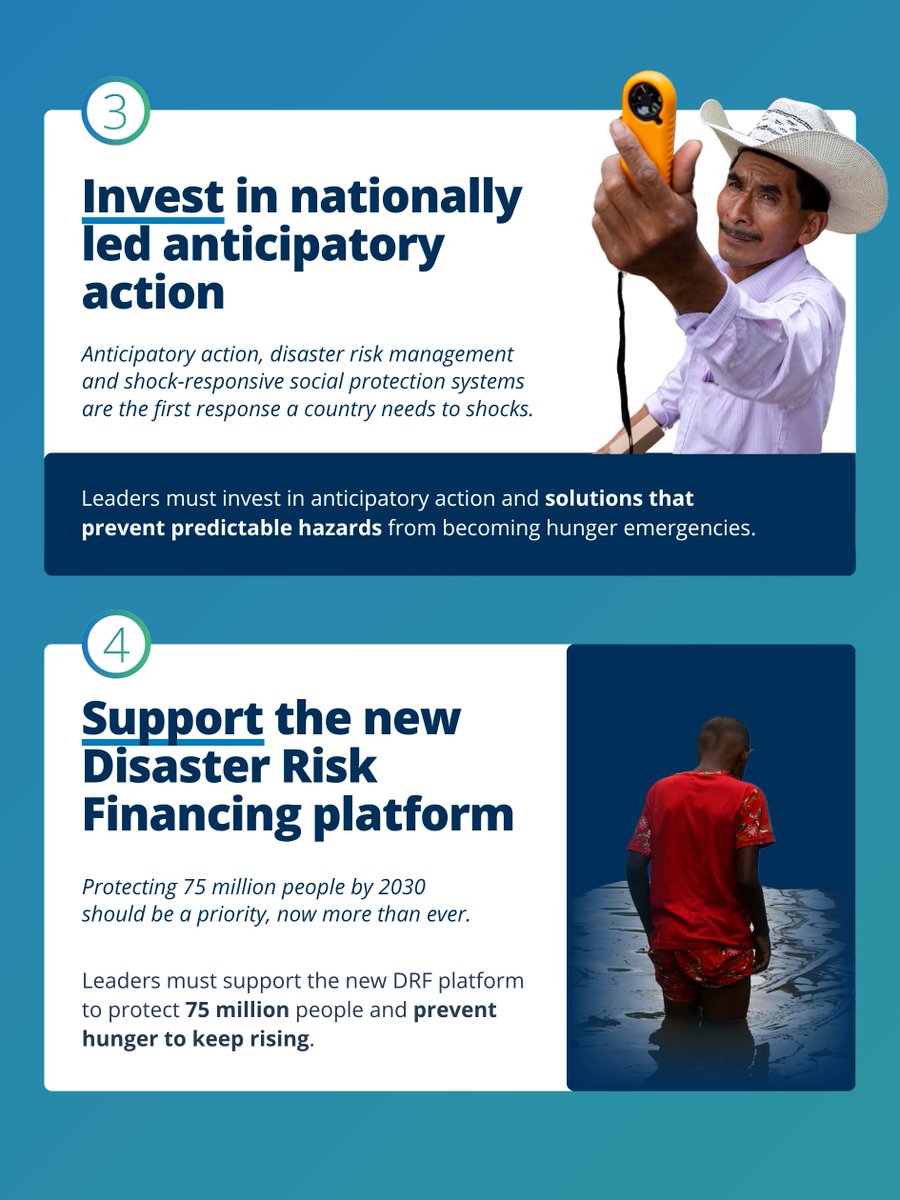
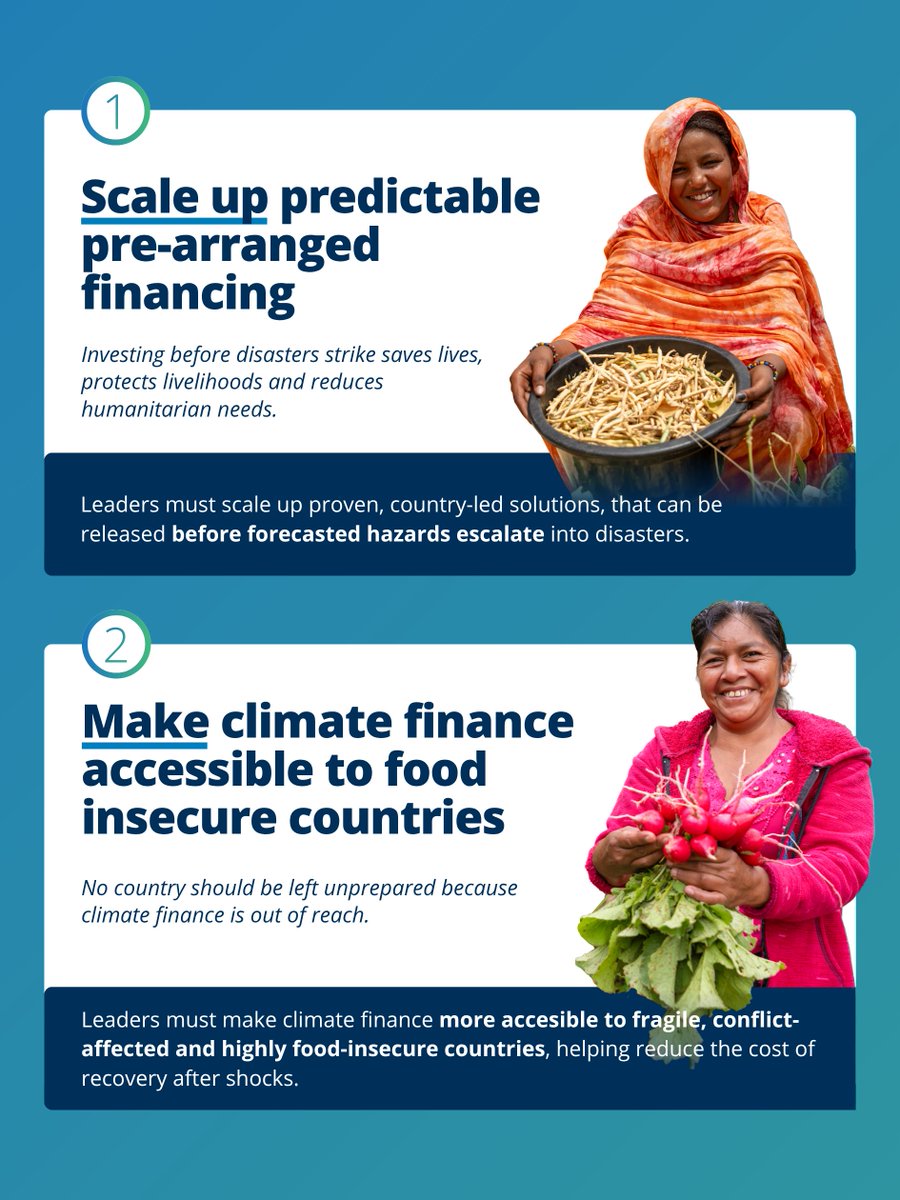
At #COP31, four priorities should be at the heart of climate action:
➡️ Scale up pre-arranged finance
➡️ Make climate finance more accessible to vulnerable countries
➡️ Invest in proven, country-led solutions
➡️ Support the new Disaster Risk Financing Platform’s goal
Better supply chains mean better humanitarian response.
At the #G7 today, I spoke with Minister @jnbarrot about how @WFP’s supply chain expertise and innovation can help the wider humanitarian system cut costs, deliver more efficiently and reach more people.
At #COP31, WFP is calling for greater use of innovative finance to help vulnerable communities prepare earlier, protect livelihoods and respond faster.
🔗 Learn more: https://t.co/9gw6PW7ow5
What if we could act before a climate shock becomes a hunger crisis?
We can. From early warnings to finance that’s ready before disaster strikes, WFP is helping communities get ahead of climate shocks.
At #COP31, it’s time to scale what works.
Droughts, floods, storms and heatwaves are disrupting crops, livelihoods and access to food, particularly for communities already facing hunger and conflict.
At #COP31, WFP is calling for greater investment in early-warning systems and anticipatory action, so communities can prepare before extreme weather becomes a food crisis.
https://t.co/JqmHSpRSIq
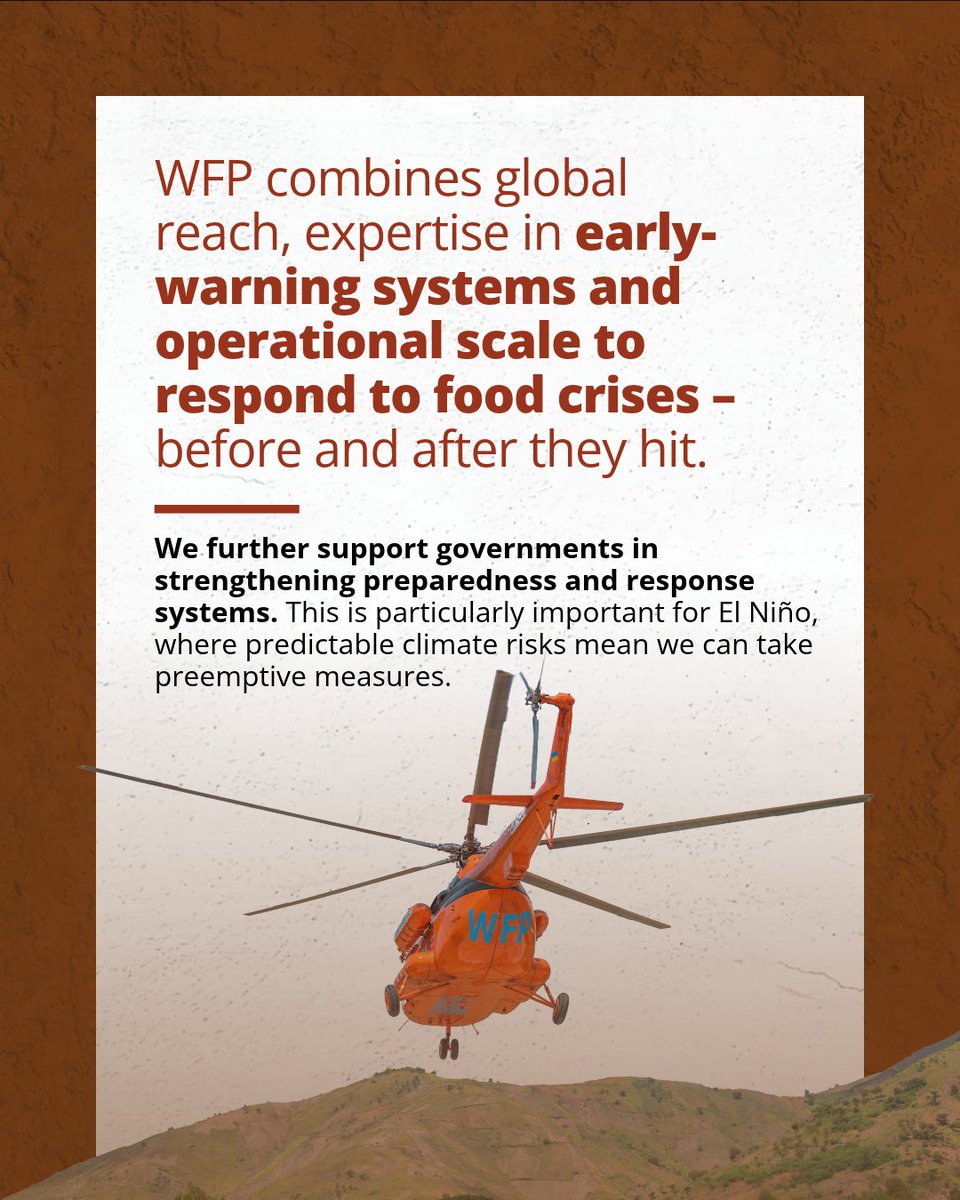
El Niño threatens to worsen food crises in some of the world’s most vulnerable regions.
WFP analysis projects that it could push an additional 49 million people into acute food insecurity by the end of 2027.
#COP31
A powerful El Niño could put millions more people at risk of hunger.
But there is still a window to act.
Swipe to learn where impacts are expected and why early action matters. ⬇️
#COP31
In Hamadia, Mali, agriculture provides more than food. It creates livelihoods and opportunities for the future.
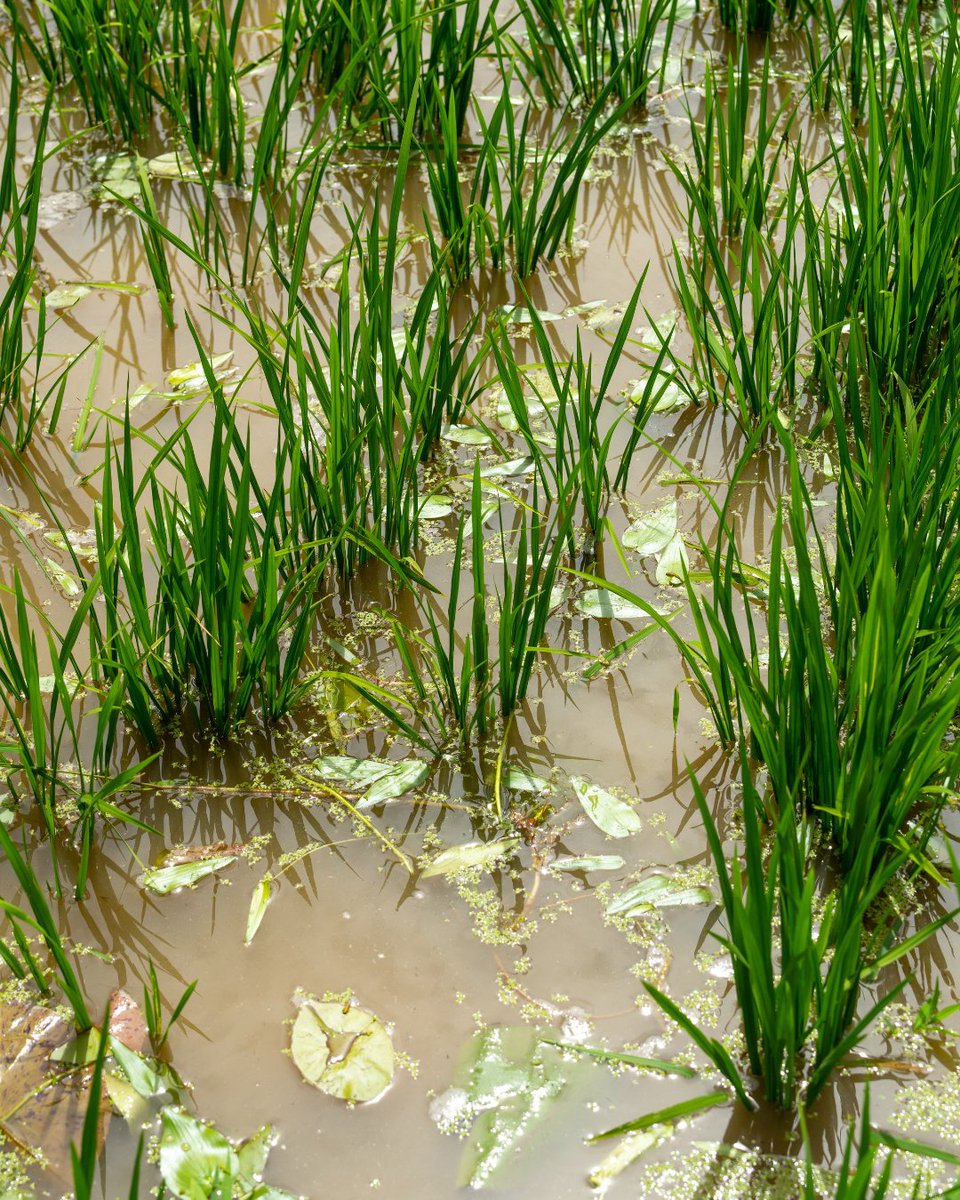
With WFP support, communities are rehabilitating irrigation canals, dikes and pumping systems, improving water access for rice and vegetable production - helping hundreds of local producers grow more food, earn an income and build greater resilience to climate and economic shocks. #COP31
🔗 https://t.co/JqmHSpRSIq
For mothers like Eman in #Gaza, even basic essentials remain out of reach.
With no stable income, she struggles to provide food, school supplies and winter clothing for her six children.
WFP food parcels remain a lifeline, but funding shortfalls are putting that support at risk.
🔵 Every day, WFP supply chain is a lifeline — moving food and essential supplies to some of the hardest‑to‑reach places.
From trucks, ships and aircraft to boats, our teams work around the clock to make sure assistance reaches families when it matters most.
🔗 https://t.co/nMCUTzbwwB
What if a school meal could strengthen an entire supply chain?
In Sudan, WFP’s home-grown school feeding programme connects nutritious school meals with food grown by local farmers and school gardens, supporting children, livelihoods and stronger food systems.
Hear from WFP’s Dima Chaukat ⬇️
🚨 In Mongbwalu, the epicentre of the Ebola outbreak in eastern DRC, food assistance and community outreach are helping contain the disease and support affected families.
Meet the people at the heart of the response ⬇️
https://t.co/2XnIEFvLG2
🚢 After 38 days at sea, the Liberty Grace ship reached Mombasa carrying 48,000+ MT of U.S. grown wheat and rice.
We joined the crew on board to get a glimpse of life at sea and hear what it means to help @WFP move food from American farms to people in need.👇
#FoodforPeace
One year after Hurricane Melissa, communities are still rebuilding.
WFP’s response included:
🔵 2,000 pallets of supplies pre-positioned
🔵 3.5 million early-warning messages sent
🔵 1.25 million people reached with food assistance in the first two months
Now, El Niño is bringing a new challenge across the Caribbean ⬇️
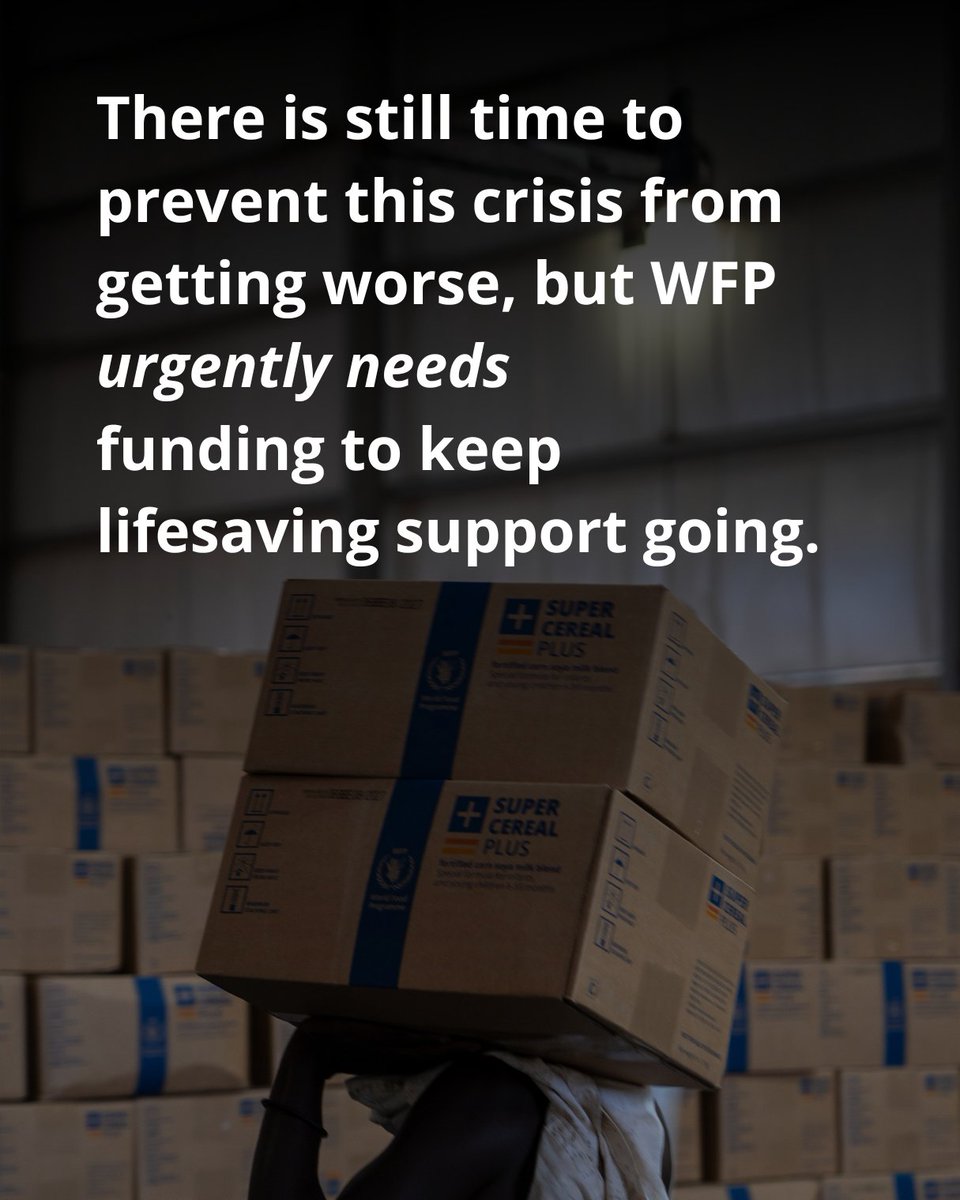
It's simple: when aid is cut, someone goes without.
In #Sudan, nearly 9 million people have fled their homes. They have nowhere else to turn, and every cut lands on families already running out of options.
@Philippekropf on what's at stake:
What makes a school meal “home-grown”?
In #Burundi, WFP connects nutritious school meals with food from local farmers, helping children learn while supporting local livelihoods and food security.
WFP's Marco Cavalcante explains ⬇️
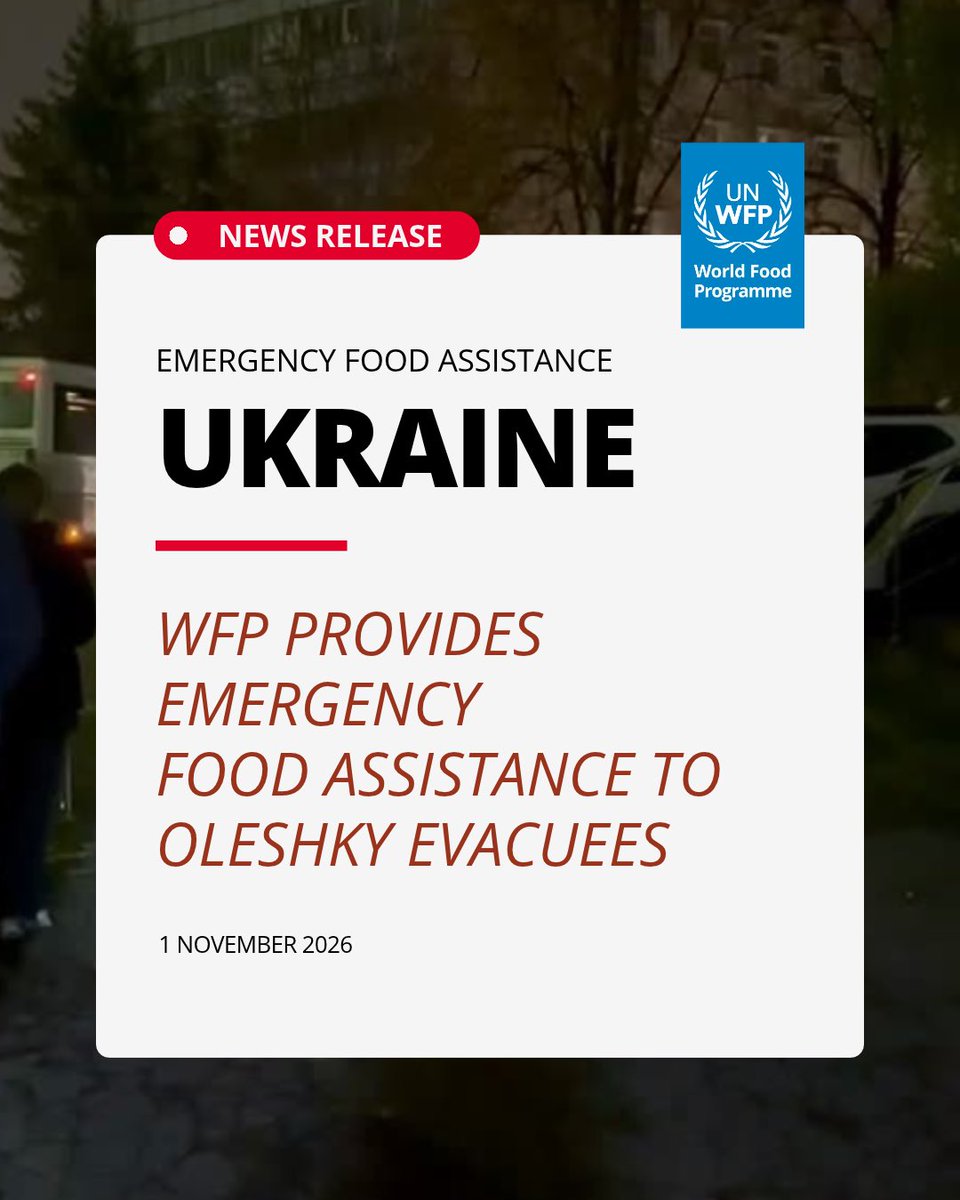
WFP is providing emergency food assistance to people who were able to leave Oleshky during a brief localized ceasefire.
WFP provided hot meals to evacuees immediately upon arrival and will scale its assistance as needed.
Read the full release: https://t.co/br3DTZnek4
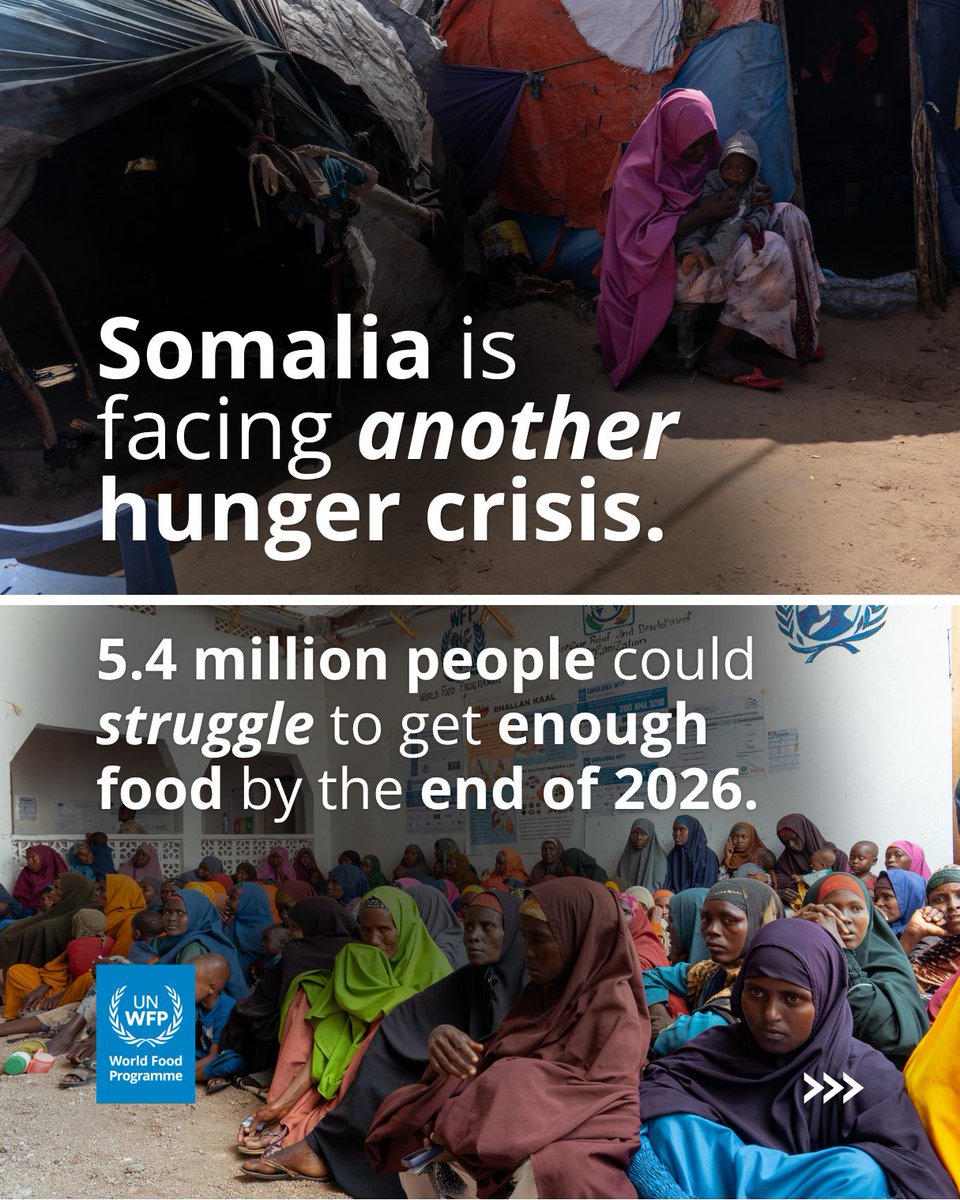
📍 #Somalia: Hunger is worsening fast.
5.4 million people face crisis-level hunger or worse, while nearly 2 million children could suffer acute malnutrition.
Learn more ⬇️
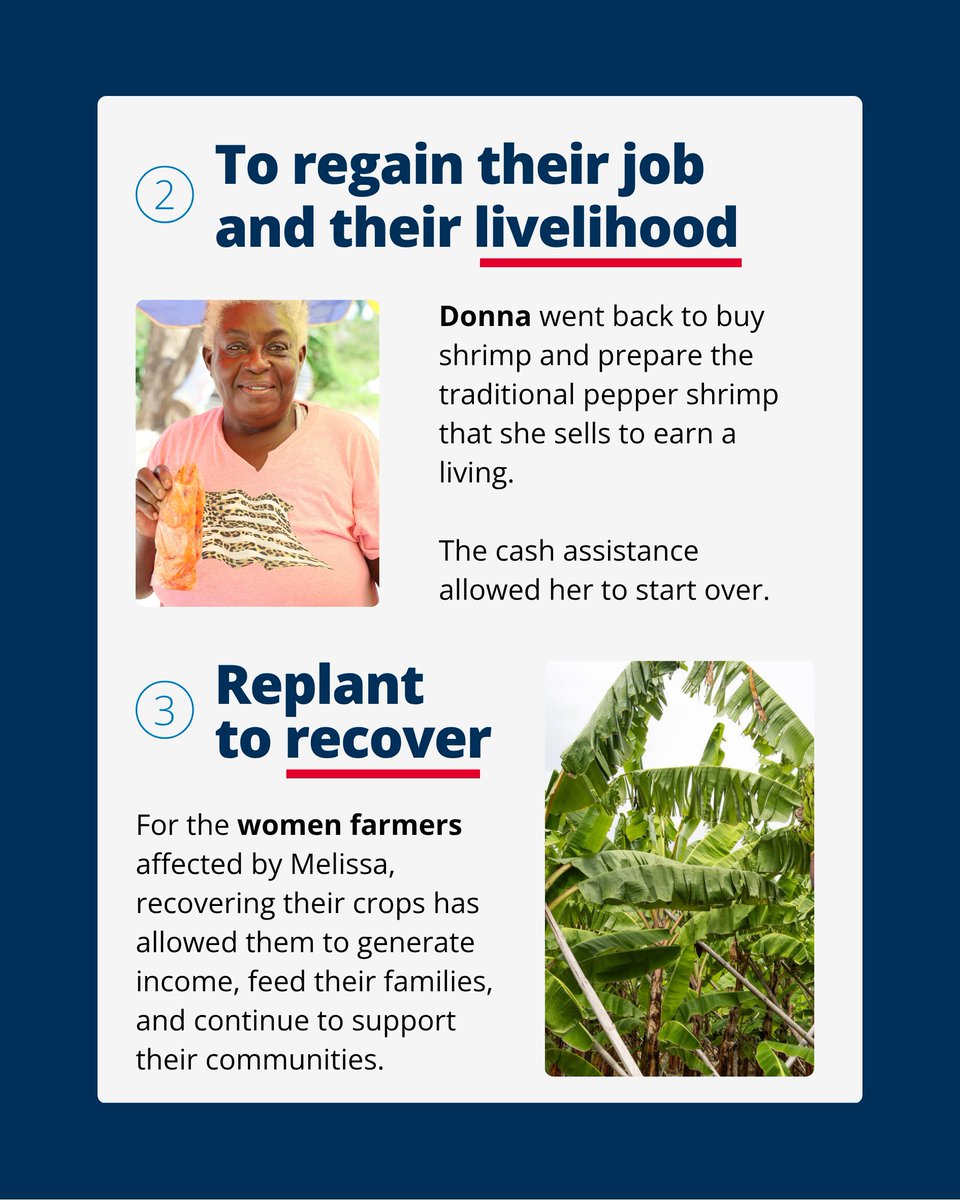
One year after Hurricane Melissa, recovery continues in #Jamaica.
From preparing a hot meal to restarting a business and replanting crops, families are working to rebuild their lives and livelihoods.
Swipe through three stories of new beginnings ⬇️