Michel Lab; Chemical Sensor Laboratory at Woods Hole Oceanographic Institution. ocean exploring and chemical sensing with robots, Instagram📷: @whoi_csl
The upgrade allows Alvin to reach depths of up to 6,500 meters, surpassing its previous limit of 4,500 meters, and puts roughly 99% of the ocean floor at reach for research.
https://t.co/UBsUcoMRXj
The newly retooled submersible, which has already returned fascinating new findings from Earth’s watery depths, is opening more of the deep ocean to direct human exploration.
- @AGU_Eos https://t.co/0BjVN2DmoN
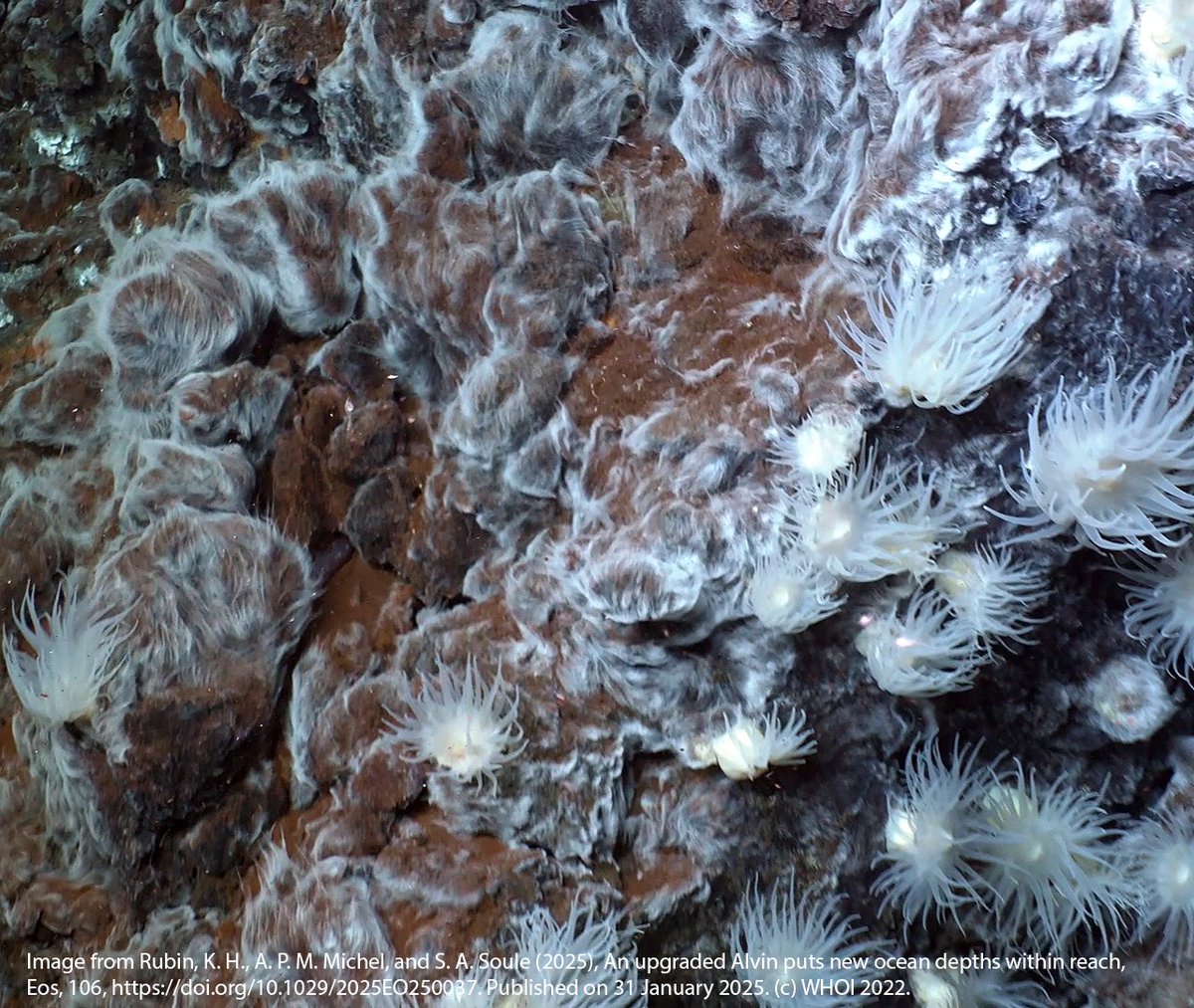
Remotely operated and autonomous vehicles offer valuable access to the deep ocean, but there is no substitute for direct human observation, write @kenhrubin and @AdamSoule from @URIGSO + Anna P.M. Michel from @WHOI@whoi_CSL. https://t.co/UBsUcoNpMR
Recently upgraded Alvin can now dive to 6500m. Read our new article about its capabilities, latest #deepsea science discoveries, & new milestones on its science verification expedition 🌊🛠🧪.
Thx to the entire @WHOI Alvin team &
@NSF@USNavyResearch@oceanexplorer@URIGSO
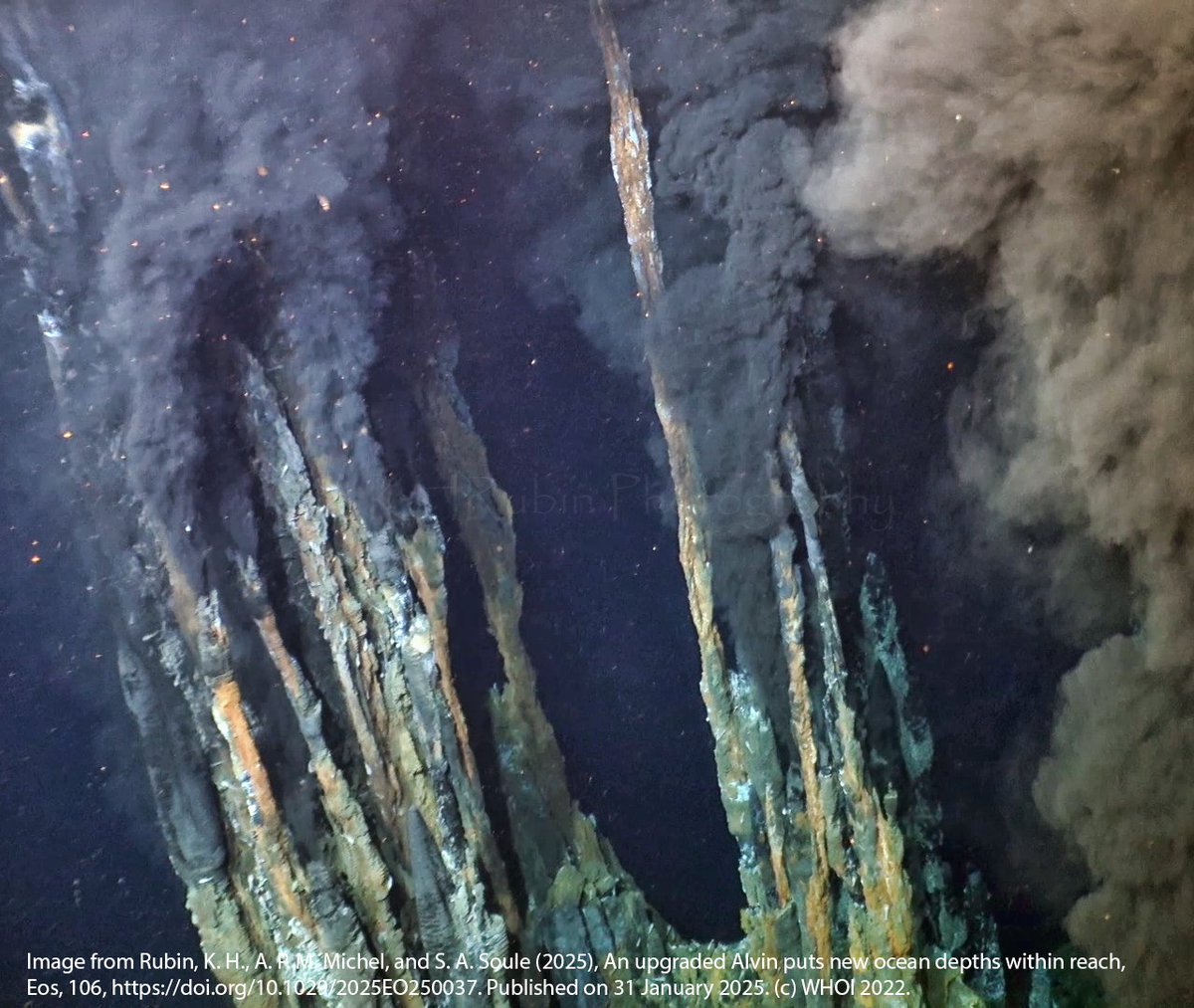
Unusual black smokers at deepest known active hydrothermal vents (Beebe/Piccard, ~5km depth on Mid Cayman Rise) spew extremely Cu-rich fluid. We visited in person on 1st DSV Alvin expedition after major deep diving upgrade. More pics in new article (see below). #Geology#Science
Remotely operated and autonomous vehicles offer valuable access to the deep ocean, but there is no substitute for direct human observation, write @kenhrubin and @AdamSoule from @URIGSO + Anna P.M. Michel from @WHOI@whoi_CSL. https://t.co/UBsUcoNpMR
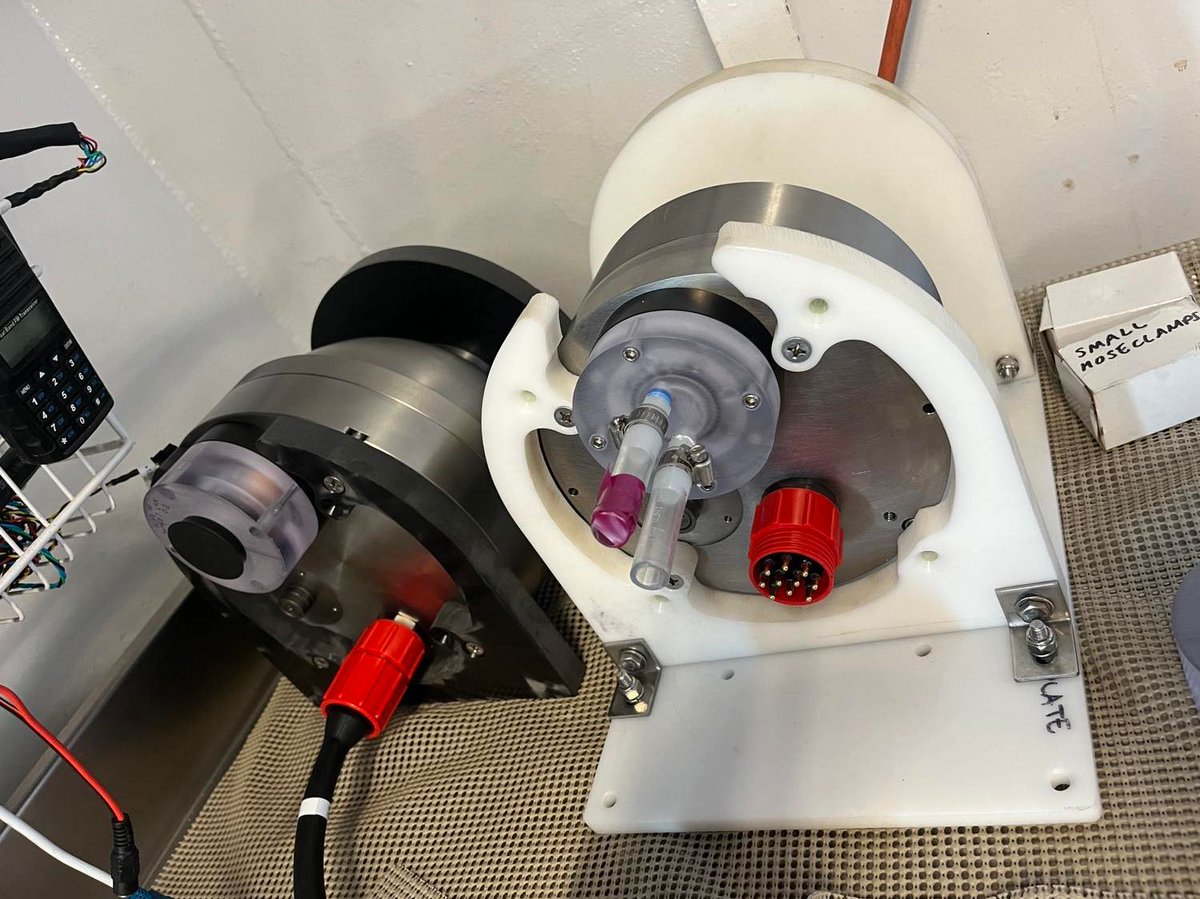
The Sensor for Aqueous Gases in the Environment (SAGE) was created by @WHOI to measure dissolved gases using a hollow-core optical fiber, especially methane and carbon dioxide. During E Mamana Ou Gataifale II, we’re especially interested in using SAGE at #VailuluuSeamount.
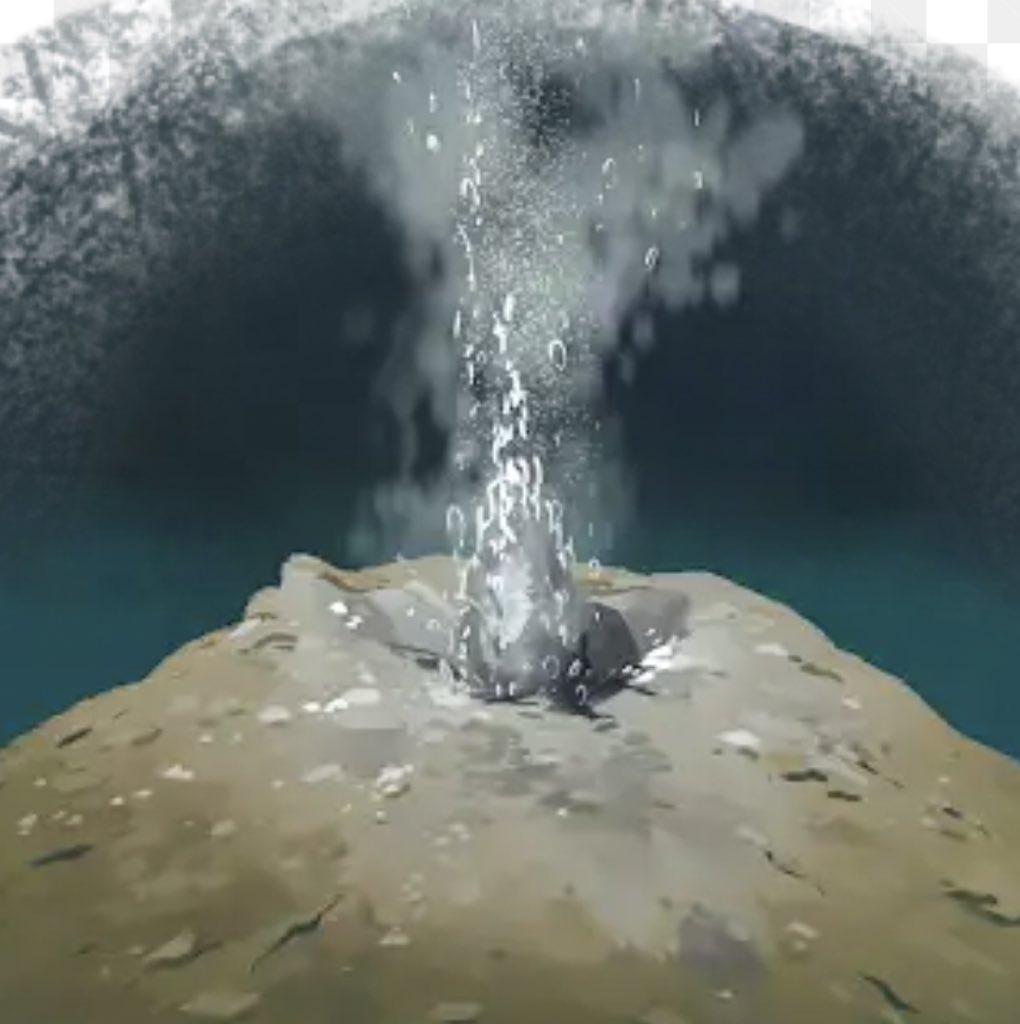
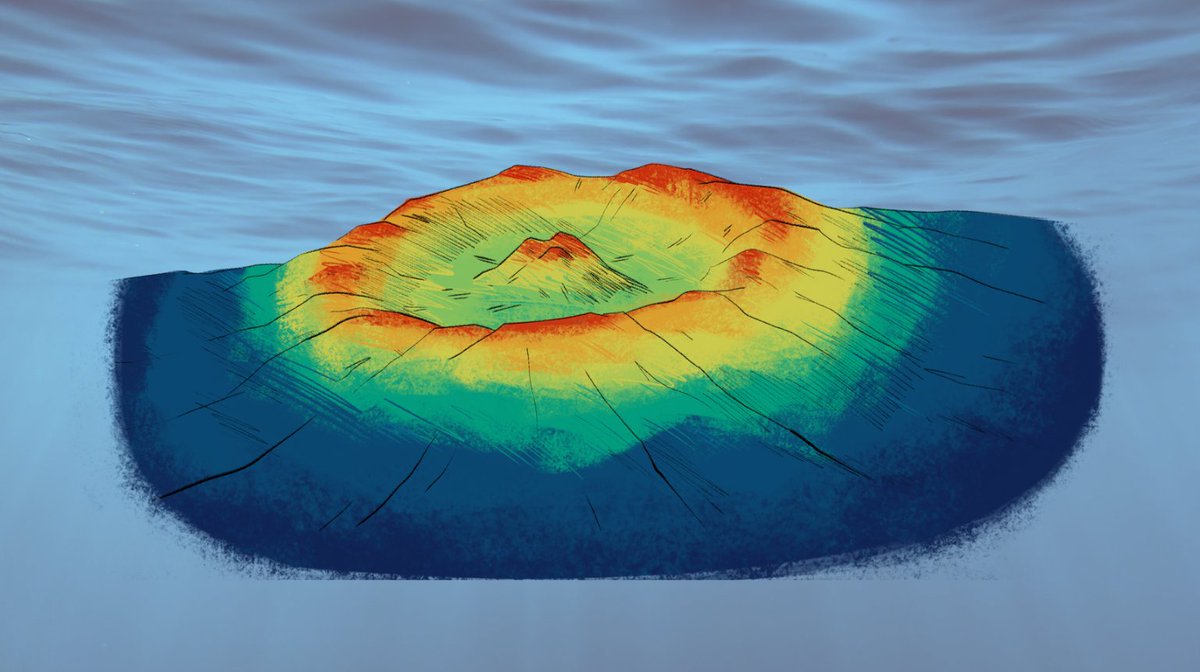
#DidYouKnow that Vailuluʻu has some of the densest submarine #hydrothermal plumes observed anywhere in the ocean? The caldera is filled with turbid, murky water created by mixing mineral-rich waters from the hydrothermal vents and surrounding seawater. #VailuluuFactoftheDay
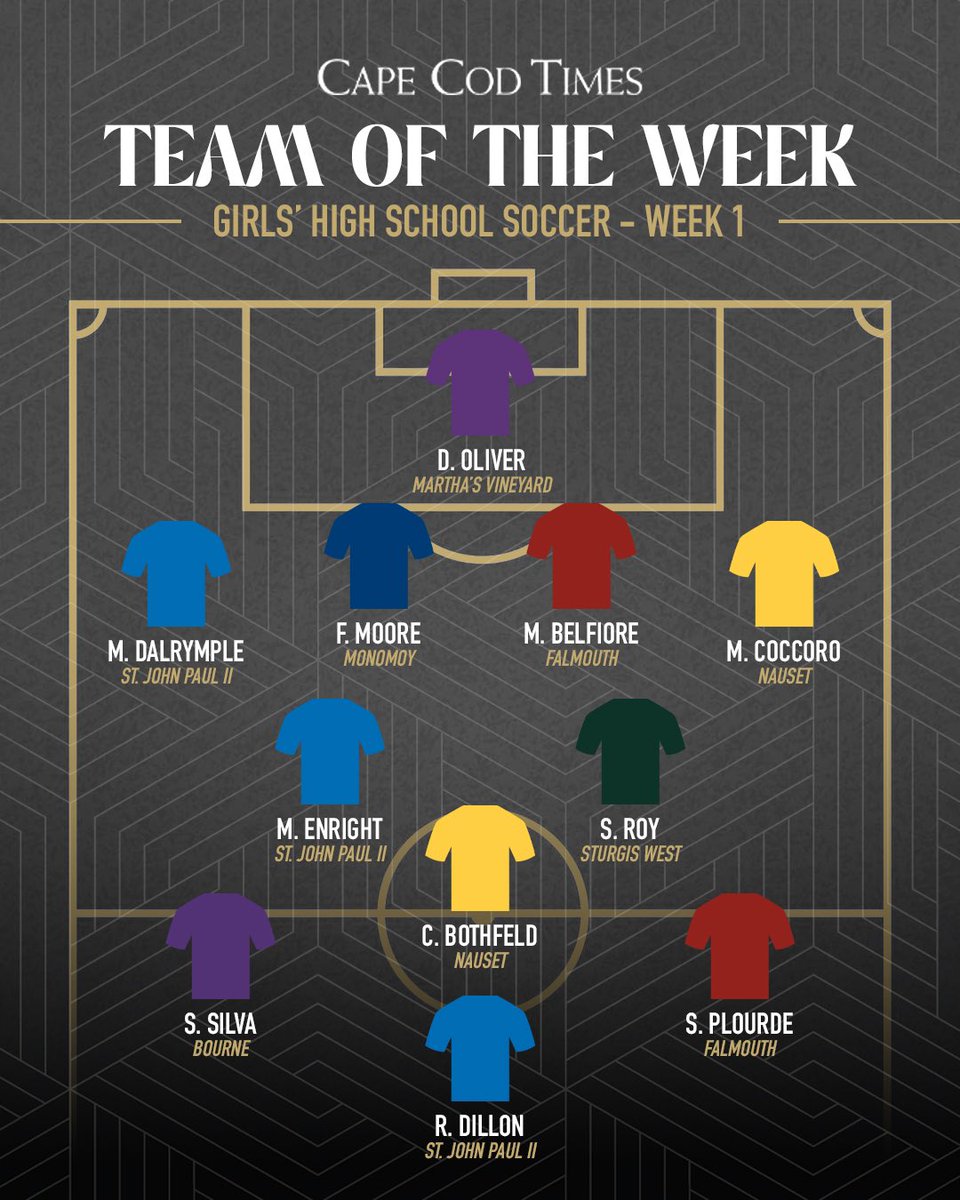
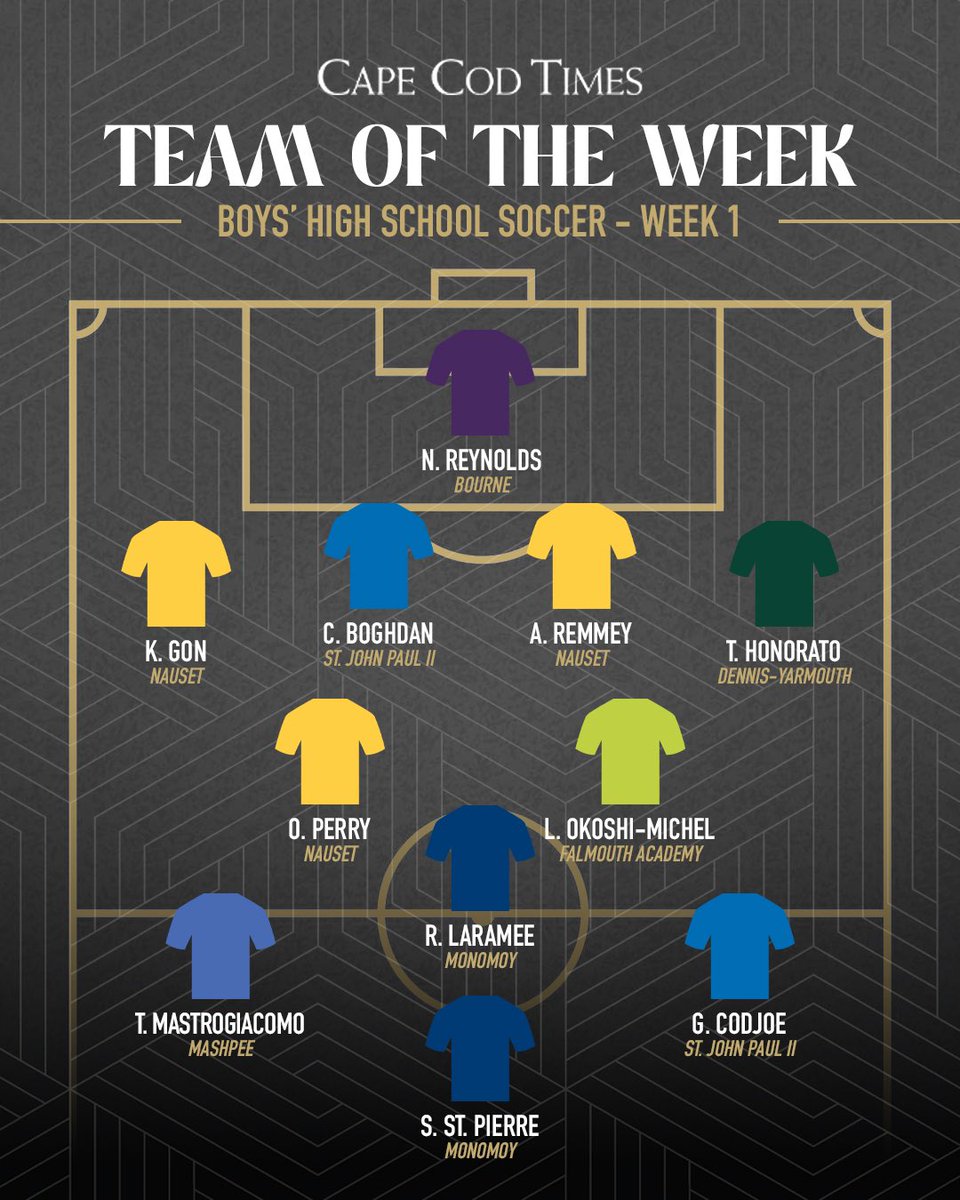
Selected my Cape & Islands Team of the Week for both boys and girls soccer for Week 1 of the season! Check out the story for the @sportsCCT.
📰: https://t.co/ImWK8bPHfJ
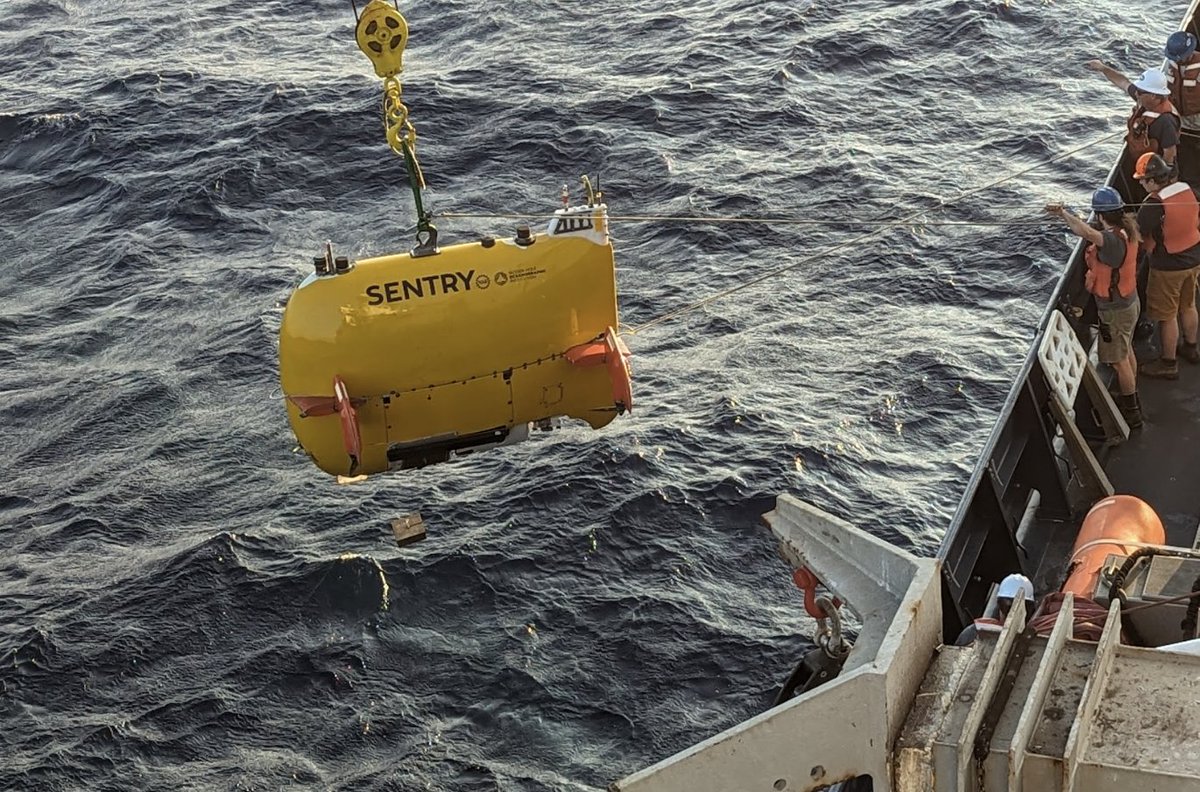
During E Mamana Ou Gataifale II NA165, we welcome aboard #EVNautilus@WHOI's #AUVSentry: designed to excel in challenging and unexplored environments, collecting crucial data such as multibeam sonar, magnetic readings, and chemical signatures. Stay tuned as we explore!
This expedition is funded by @oceanexplorer, @noaaomao Uncrewed Systems Operations Center, and @BOEM via the Ocean Exploration Cooperative Institute with additional support from @WHOI, @AirSeaHeritage and other partners. Read more in the #blog: https://t.co/MPozBhOBfP
This expedition will have something for everyone – exploring an active undersea #volcano, searching for a lost aircraft of major historical significance, seeking diverse biological communities, and imaging the deepest areas of #AmericanSamoa.
Yesterday, the team and I spent the morning at @WHOI learning about the innovative work happening on the Cape.
From floating robots to marine carbon capture to uncrewed underwater vehicles, the next world-saving technology is being invented here in Massachusetts.