Behind every cancer statistic is a person — a parent, sibling, friend, colleague, or loved one.
While cancer cases continue to rise globally, a diagnosis is not the end of the story. When cancer is detected early, treatment is more effective and the chances of survival are significantly improved.
Yet millions of people, particularly in low- and middle-income countries, still face barriers to timely diagnosis and quality care due to under-resourced health systems.
Early detection saves lives. Investing in stronger cancer care systems saves even more.
🔗 https://t.co/AhZ1t0Yoyg
#CancerAwareness
#EarlyDetection
#CancerCare
#HealthEquity
#NCDs
#HealthForAll
Stress doesn’t always say, “I’m stressed.”
Sometimes it shows up as headaches, body aches, fatigue, muscle tension, or an upset stomach.
Listen to your body. Recognize the signs. Prioritize your well-being. 💙
#StressAwareness#MentalHealthMatters#Wellbeing#SelfCare
#HealthForAll
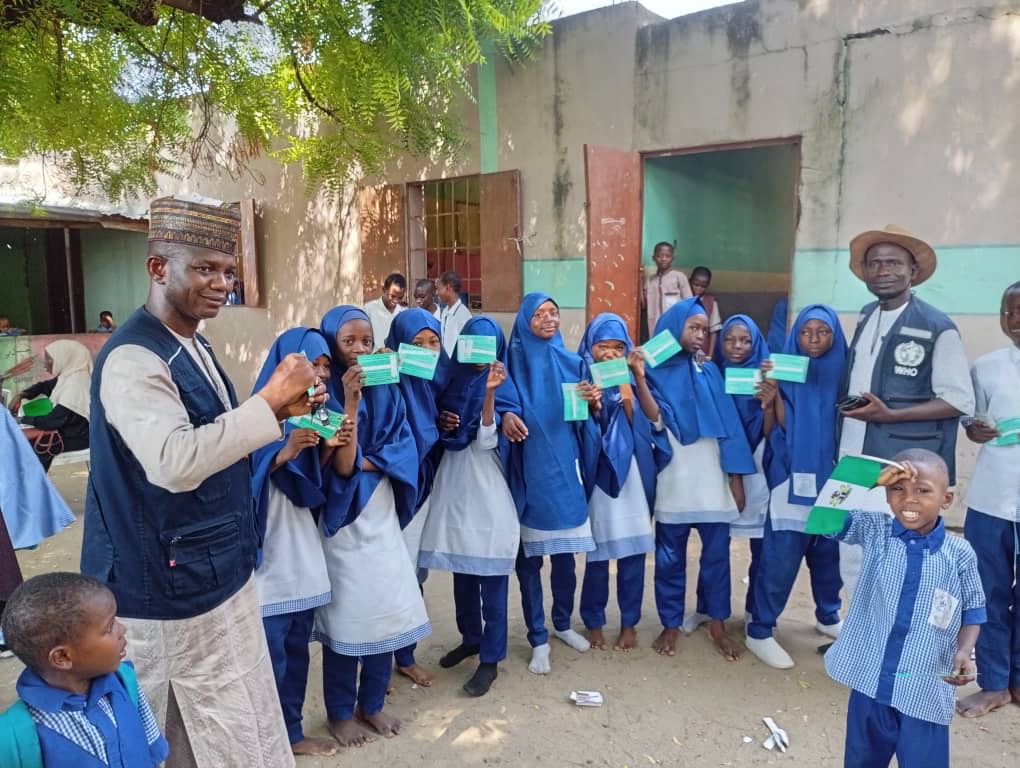
Cholera can be stopped. Today, more than 1 million people in Maiduguri Metropolitan Council (MMC) and Jere have received oral cholera vaccines that help protect families and communities in Borno State.
Since the outbreak was reported in Borno State, more than 24,000 suspected cases and 143 deaths have been recorded across 20 LGAs, with nearly 80 percent concentrated in MMC and Jere.
In response, the Government of Borno State, NPHCDA, UNICEF, WHO and partners are implementing one of Nigeria’s largest reactive cholera vaccination campaigns. A total of 3.4 million OCV doses have been allocated to protect people above one year of age.
Vaccination is only one part of the interventions.
With CERF Rapid Response funding and the Contingency Fund for Emergencies, WHO is working with partners to strengthen surveillance, laboratory capacity, active case search, risk communication, community engagement, case management and emergency supplies to prevent transmission and save lives.
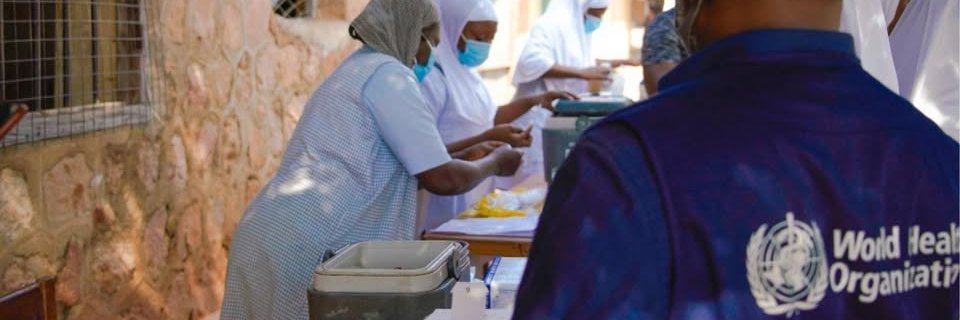
WHO has supported an estimated 5,700 cholera cases and provided 29 cholera kits. Each kit is enough to treat 100 patients. WHO has also supplied 30,000 ORS sachets, 100 cholera beds and treatment infrastructure that helps keep the case fatality rate below 1 percent.
Frontline health workers, community volunteers and partners are working every day to protect lives in Borno State.
Learn more: https://t.co/U3dJT0xKV0
#CholeraResponse #VaccinesWork #HealthForAll #BornoState #WHOinNigeria
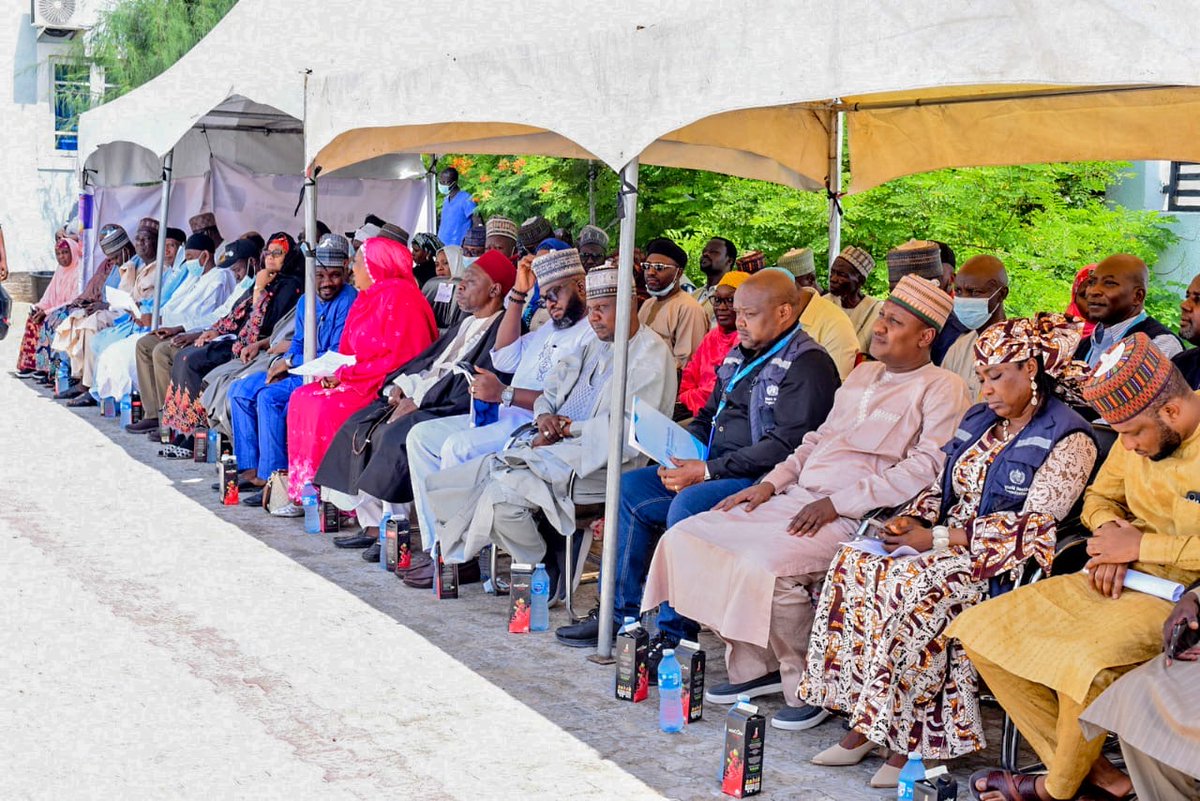
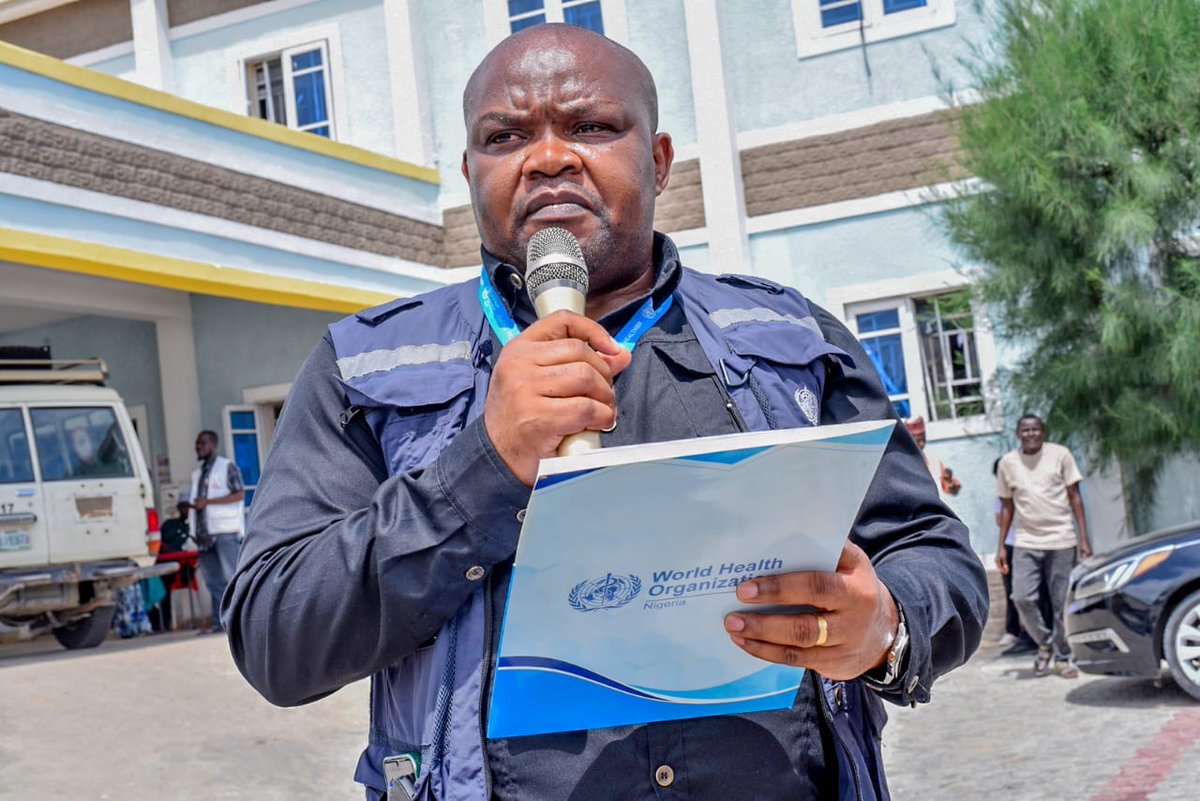
As Borno State responds to a cholera outbreak that has affected more than 16,000 people and claimed 124 lives, WHO Nigeria and UNICEF Nigeria, led by @DrPavelUrsu and @SaeedWafaa, joined the @BornoGov, represented by the Honourable Commissioner for Health, Prof. Baba Mallam Gana, on a high-level mission to review response efforts, strengthen coordination, and accelerate lifesaving interventions to control transmission and prevent deaths.
The mission assessed ongoing response efforts, including those led by the Government and partners; visited cholera treatment centres (CTC) and met frontline health workers delivering lifesaving care; engaged key stakeholders; and strengthened partnerships to protect vulnerable communities.
Working alongside the Borno State Ministry of Health (@bornosmoh) WHO, and UNICEF are supporting the Government to:
✅Operationalize 3 CTCs through the provision of infrastructure and essential medical supplies.
✅Mentor 53 frontline health workers on cholera case management and response activities across CTCs, Oral Rehydration Point (ORPs), and in the hard-to-reach LGA of Monguno.
✅Support care for over 5,700 cases by donating 30 cholera kits, 100 cholera beds, Infection Prevention and Control IPC/WASH supplies, essential medicines, Ringer’s lactate, and Oral Rehydration Solution (ORS)
✅Strengthen surveillance and data management across more than 50 surveillance sites at CTCs, ORPs, and Hard-To-Reach LGAs.
✅Reach over 15,500 people through risk communication and community engagement activities promoting cholera prevention and early care-seeking.
Through strong government leadership and coordinated partner support, lifesaving interventions are reaching affected communities, helping reduce transmission, improve access to timely treatment, and strengthen preparedness for future outbreaks.
Together, we remain committed to protecting lives and ending cholera.
#CholeraResponse
#HealthForAll
#Borno
#WHO
#UNICEF
When Aisha’s son fell ill, she didn’t know it was malnutrition. A simple screening changed everything.
See how WHO is helping bring life‑saving care closer to children in Nigeria
Read the full story on WHO website: https://t.co/nvJ1trjgGH
Every baby deserves the healthiest possible start.
Newborn screening - a quick, simple check in your baby’s first days of life –
can pick up a range of conditions early, including:
⭕ Congenital heart conditions
⭕ Sickle cell disease
⭕ Congenital hypothyroidism
⭕ Hearing loss
⭕ Clubfoot
⭕ Cleft lip and palate
Catching them early helps families get the right care and support sooner –
and gives every child the best chance to grow and thrive.
📋 Find out more: https://t.co/mHxNGAxlac
#EveryBabyCounts
Two drops. One mission.
Inside this month’s edition of the TBA:
✅33,000+ settlements reached
✅1.2M+ children vaccinated
✅Solar‑powered labs securing Nigeria’s diagnostic future
✅Zero‑dose children found in the hardest‑to‑reach places
See the full picture.
Open the full publication:
https://t.co/rx6VwzGM9c
🚀 Digital innovation is opening new possibilities for better, faster and more connected health services for people across Nigeria.
This week, WHO Nigeria met with Vipin Yadav of Dure Technologies to explore how digital health and AI can strengthen the country’s health system and support the implementation of the National Digital Health Strategy.
With government leadership and partner support, WHO is helping advance solutions that improve lives, including:
• Faster access to quality care for communities
• Stronger disease surveillance and early warning
• Real‑time insights that help health workers save time and make informed decisions
• More coordinated systems so leaders can act quickly
• Digital tools that improve health‑seeking behaviour
• National capacity to sustain and scale digital innovation
📊 Impact so far
• Nigerians reached through digital health platforms
• Health workers trained on digital tools
• Facilities using connected digital systems
• Progress toward national digital health milestones
🤝 Partnerships like this help deliver:
- Digital health platforms that work smoothly together
- AI‑supported decision tools for policymakers
- Better engagement with communities through digital interfaces
- Improved disease surveillance and early warning systems
- Enhanced frontline service delivery through digital tools and AI-assisted workflows
- Capacity building for health workers using AI-driven training and knowledge platforms
“Digital technologies and AI offer powerful opportunities for Nigeria’s future. Through strong partnerships, we can support country‑owned solutions that close system gaps and improve health where it matters most,” said the WHO Country Representative.
WHO appreciates the collaboration with Dure Technologies and the support of donors and partners advancing digital health in Nigeria.
Learn more about how digital innovation is strengthening Nigeria’s health system: https://t.co/PUdeftIutX
Every Nigerian should be able to access the health services they need in one place.
Integrated care reduces missed diagnoses, saves families time, and brings essential services closer to communities.
With support from the @GlobalFund, @WHONigeria working in partnership with CHAI and Jhpiego, is supporting the @Fmohnigeria to advance integrated service delivery for Communicable Diseases and Sexual and Reproductive Health and Rights (SRHR) in Nigeria. This work aims to improve access to quality care for pregnant women, PLHIV, adolescents and young people, and key populations across four priority states: Anambra, Ebonyi, Kwara, and Gombe.
To strengthen political commitment, @WHONigeria recently engaged two key governance platforms:
• ALGON, where more than 30 State Chairmen and national leaders discussed how integrated services can reach the last mile.
• Nigeria Governors’ Forum Secretariat, where WHO presented an integrated service delivery model that supports states to strengthen people‑centred primary health care.
Progress depends on collaboration at every level of government. Together with partners, WHO is supporting Nigeria to move toward integrated, people‑centred primary health care for all.
Learn more about the advancing integrated service delivery for communicable diseases and SRHR project and ongoing work in Nigeria: https://t.co/PUdeftIutX
#HealthForAll #WHONigeria #PrimaryHealthCare #IntegratedHealth #GlobalFund #SRHR
⚠️ Closer than we think.
Earth’s tipping points are not distant risks—they are rapidly approaching realities. What once felt far away is now within reach.
“The Earth’s tipping points are like objects in a car mirror: they are far closer than they appear.”
The window to act is narrowing. Let’s choose transformation over delay.
#ClimateCrisis
#TippingPoints
#ActNow
#Environment
#LCAW2026
🌍 Act now. Act fast.
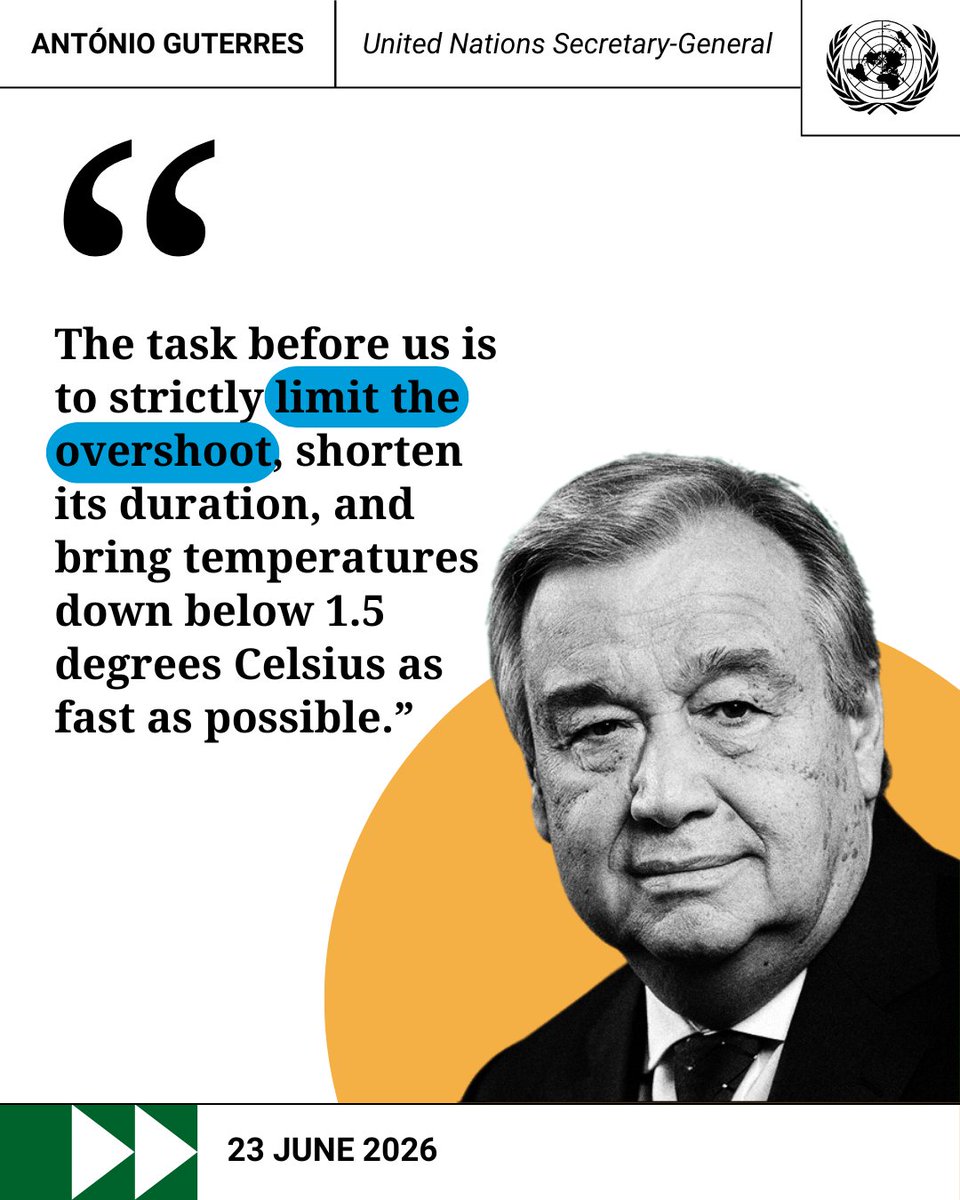
“The task before us is to strictly limit the overshoot, shorten its duration, and bring temperatures down below 1.5°C as fast as possible.”
The science is clear—every fraction of a degree matters. Urgent, decisive action today can still shape a safer, more resilient future for all.
#ClimateAction
#1point5C
#ActNow
#Sustainability
#LCAW2026
UHC includes refugees. Always. WHO works with Nigeria and partners to ensure displaced communities access essential health services — leaving no one behind.
Explore our work ↓ https://t.co/qeD4gLPAKw
#HealthForAll#RefugeeHealth#LeaveNoOneBehind
Stronger together for refugee health. With the Government of Nigeria, UNHCR, and partners, WHO delivers essential services to displaced communities.
See our impact ↓ https://t.co/qeD4gLPAKw
#WorldRefugeeDay
Displaced, but not forgotten. WHO provides lifesaving health services supporting families forced to flee their homes. Learn more ↓ https://t.co/qeD4gLPAKw
#WithRefugees#Nigeria#WorldRefugeeDay2026