@hoplopfheil I get where you're coming from. Some pieces of military history earn respect because of the role they played and how influential they became.
15-year-old Latvian Alfrēds Urbiņš being awarded the Iron Cross for destroying a #Soviet T-34 tank in the Courland sector. He is armed with a captured Soviet PPS-43 submachine gun and a Panzerfaust. October 1944.
@Das_Pazer Looking at this photo, I see a teenager whose youth was taken by war. Whatever side he was on, it is heartbreaking that children were caught up in such a brutal conflict
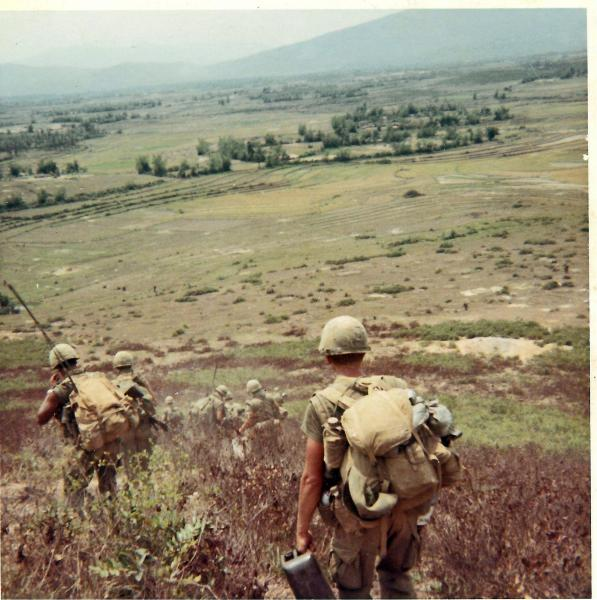
@VoicesfromNam It is heartbreaking to think about what those soldiers and civilians endured during the fighting. Battles like this came at an enormous human cost.
@VoicesofWW2 This photo captures more than an arrival. It reflects the weight of victory, the cost of war, and the hope that a better future could finally begin.
@BoeingB52BUFF It's honestly incredible how the B 52 has stayed relevant for so many decades. Very few aircraft have adapted to changing times the way it has.
@HistorylandHQ It's hard to imagine what people on both sides of that wall went through for so many years. Seeing it come down must have meant hope and a fresh start for millions.
🧐🇯🇵 Japan unveils a giant new electronic warfare aircraft built to blind enemy radars before they can strike.
The new EC-2 Stand-Off Jammer is designed to cripple adversary sensors and communications from long range without entering hostile airspace.
Dmitry Romanovich Ovcharenko (January 25, 1919 – January 28, 1945) was a Soviet machine gunner. On July 13, 1941, while delivering ammunition, Ovcharenko encountered a detachment of 50 German soldiers and officers, one of whom managed to seize his rifle.
Ovcharenko grabbed an axe from his cart, decapitated the officer, and threw three grenades at the German soldiers. As a result, he killed 21 soldiers, while the rest fled in panic.
He not only delivered the ammunition on time but also brought back all the maps and documents he found on the bodies of the soldiers he had killed. For this feat, he was awarded the title of Hero of the Soviet Union on November 9, 1941.
During the battles for the liberation of Hungary, Ovcharenko was seriously wounded and died in hospital from his wounds on January 28, 1945.
German troops examine the remains of the 305mm battleship guns in twin turrets at the Maxim Gorky Fortresses after the Siege of Sevastopol in the Summer of 1942