Travel writer, author of 6 travel books and past winner of CNN/Multichoice tourism reporting award. I also write about African heritage and the creative arts.
This year’s creative arts season is creeping in. At the height of it (Oct-Nov), the calendar can be quite overwhelming.
September is the calm before storm.
If you have some free time, here are some of the arty shows worth seeing this weekend. 👇🏾
https://t.co/yQk9ZwQFM5
@fisayosoyombo This novel shows you how young folks prepare and pay for the Desert journey. The characters start from Benin City and experience some of the ordeal Fisayo describes in his undercover investigative report.
Inspired by Fisayo's remarkable journey through the sahara, I've been thinking of books -- fiction & nonfiction-- on the same subject.
Here are 3 titles that come to mind.
1."Me, My Desert & I" by Chief Newton Jibunoh.
2. "From Frying Pan to Fire" by columnist and author, Segun Adeniyi.
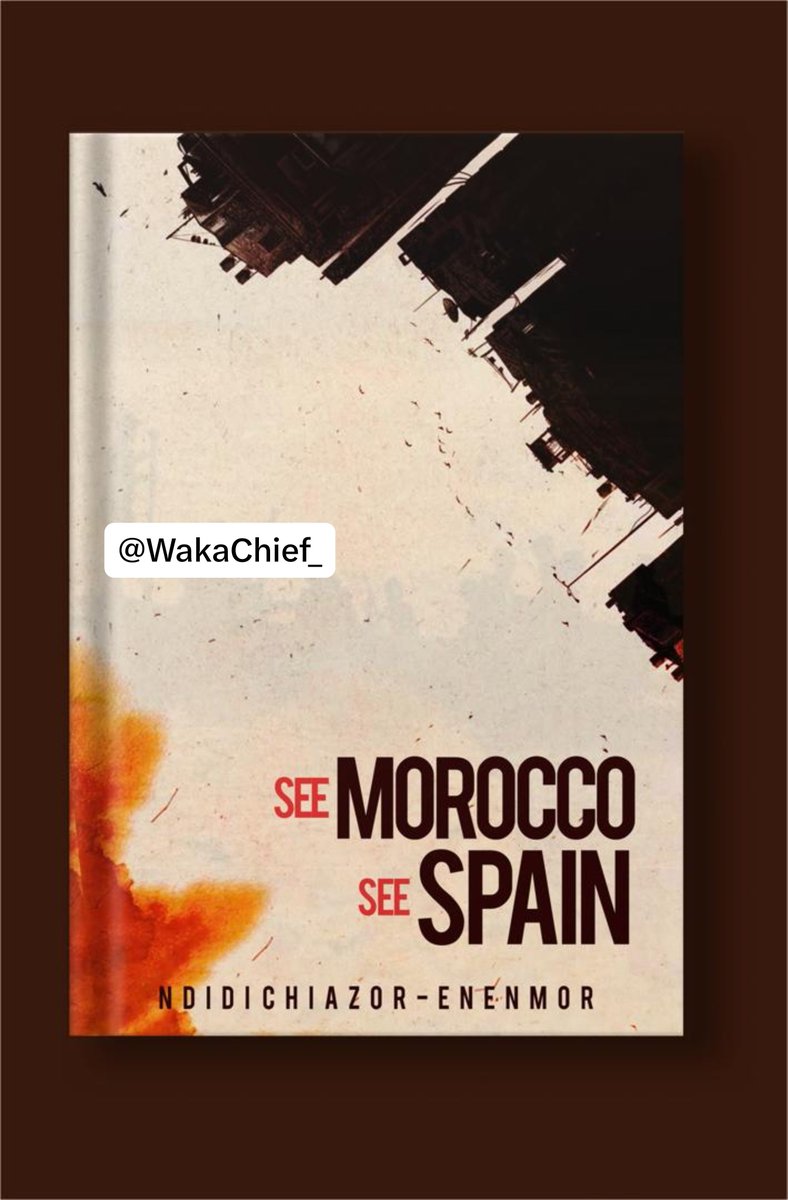
3. "See Morocco, See Spain" by novelist Ndidi Chiazor-Enemor.
PS: add yours, let's build a desert-themed reading list.
OCTOBER 2
Tomorrow, I am pausing the daily videos on why nobody should contemplate going to Libya.
That’s because I have an important (to me) little announcement.
On Saturday, we resume the daily videos.
Day 3 (English) of me telling you to avoid Libya.
The risk of abduction is high.
I met a Nigerian who was abducted, tortured, used as a slave by the Arabs for 8 months, and he still paid a ransom for his freedom.
I met a young man from Edo who was abducted and sent to Central Africa Republic (CAR), then got sold to a second set of kidnappers. After two captivity spells and five months on the road without getting to his destination in Libya, he made a U-turn to Nigeria.
I was almost kidnapped myself.
And guess what? If you get abducted and you pay the ransom quickly, problem. If you pay it late, problem!
#NoToLibya
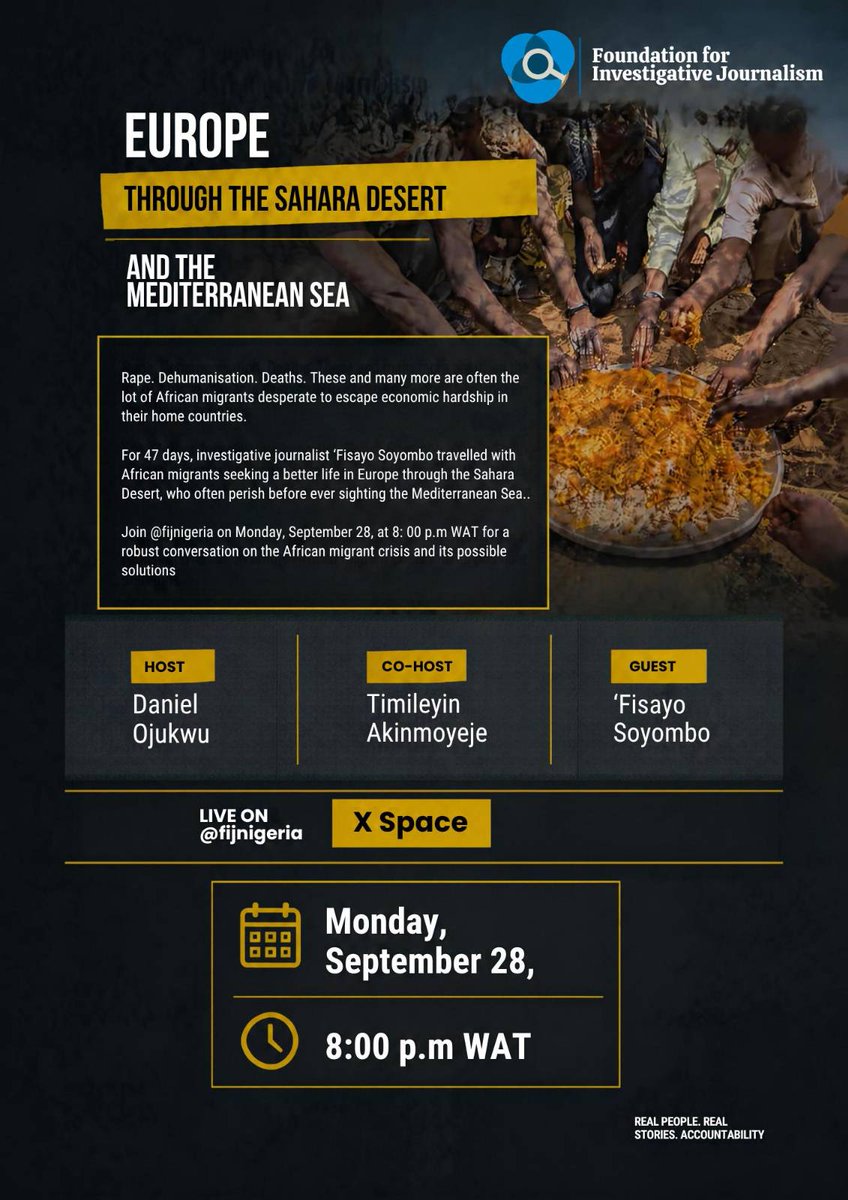
More than just a story, @fijnigeria’s latest investigation ‘Europe Through the Sahara Desert and the Mediterranean Sea’ has become a movement.
I have received (and granted) two requests for the three-part series to be translated in Hausa. I have received (and granted) a request for the three-part series to be translated in Yoruba. I have also received (and granted) a request for the three-part series to be translated in Igbo.
Similarly, I have received (and granted) a request for the documentary (due for release Dec 1) to be translated into Arabic. I have received (and granted) a request for the documentary to be translated into Yoruba. I have received (and granted) a request for the documentary to be translated into Igbo.
What’s left, in terms of translation, is to have the series in Arabic, French and Edo, and the documentary in Hausa, French and Edo.
Together, we can enlighten our brothers and sisters who travel to Libya out of ignorance. The ones who do it out of stubbornness can then only have themselves to blame.
With 24 hours gone and ‘Aminu from Yobe State’ still not found, I am reproducing a Hausa version of my original post for wider reach, courtesy of @Salimsanishehu1:
Ina neman Aminu daga Jihar Yobe, shi ne dalilin da ya sanya rayuwata ta kasance har zuwa yanzu, shi ne mutumin da ya ceci rayuwata a yankin Sahara a tsakanin garin Gatrun zuwa Sabha a daren 24 ga watan Yuni. Kafin na ankara, na yi masa godiya, na nemeshi na rasa sama ko kasa bansan inda ya yi ba.
Idan kasan Aminu wanda ya tafi kasar Libya ta Sahara a farkon wannan shekarar da muke ciki kuma ya tabbatar maka da labarinsa da na bayyana a rahoto na (Bangare na III), Dan Allah ina so a hada ni da shi.
Ina so na yi duk mai yiwuwa dan ganin na tseratar da shi daga Libya (idan yana da burin barin kasar), sannan na sama masa aiki a Nigeria.
Ana cewa, idan aka yi maka alheri...
I have finally finished reading @fisayosoyombo’s amazing account of crossing the desert into Libya, a route many unsuccessfully try to take to Europe. I believe that his wonderful account would have done more to dissuade many from embarking on this perilous journey than any public awareness campaign.
In academic qualitative research, we call this kind of research Ethnography. The researcher immerses himself deeply in the subject matter and becomes a research tool. Fisayo could easily have earned a PhD from this work if it had been planned as an academic research project. I don't think it's too late. It just needs to be complemented now by structured interviews and other research.
I am amazed by Fisayo’s physical fitness and endurance, and his capacity to bear pain and discomfort. I stan the man over and over again. 🙌🏽
“No one leaves home unless /
home is the mouth of a shark"
- "Home" by Somali-British poet Warsan Shire.
African governments are failing their young people and driving them to make extreme choices for their wellbeing. Between a rock and a hard place; to stay home or venture forth into a deadly wilderness.
Africa’s most celebrated investigative journalist, @fisayosoyombo tells a harrowing story of Africa’s failure to create prosperity for its citizens 60+ years after independence
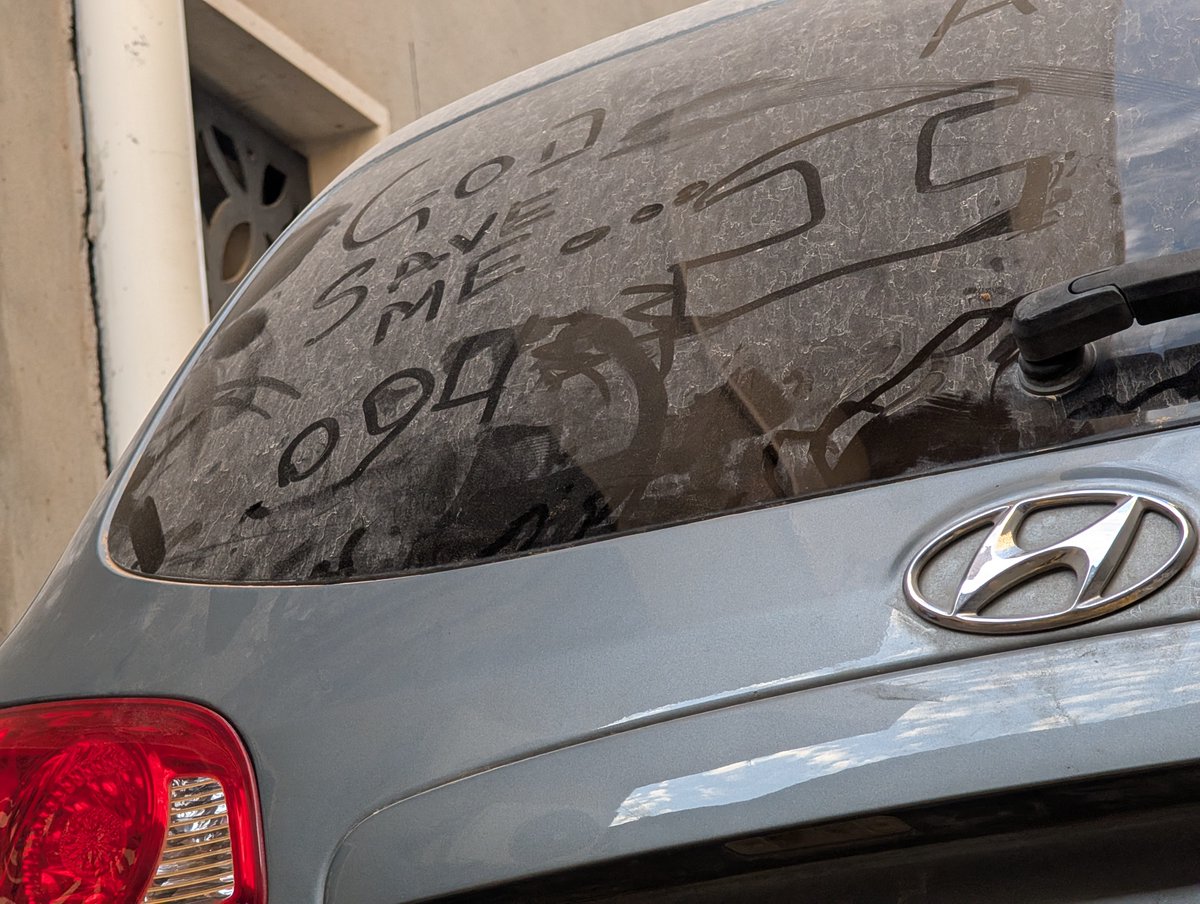
‘God Save Me’.
That was the graffiti (pictured below) imprinted on a car by an unknown African migrant held hostage at a trafficking house in Ghut Shaal, Janzur, in north-western Libya.
In truth, only God can save any migrant who gets stuck in Libya after abandonment by heartless Libyan traffickers and kidnappers or arrest and detention by the police. But the mortal that I only am, I am determined to save as many migrants as possible from asking God to save them after embarking on an ill-advised trip to Libya.
Therefore, starting tomorrow and for the next 20 days, I’ll be on a campaign of short videos enlightening the public on why they should steer clear of Libya. These videos will be on all social media platforms, but my primary targets are Tiktok and Facebook, where traffickers often hoodwink unsuspecting youth with fake promises of a better life.
For the first 10 days, my messages will be released in English (morning) and Pidgin (evening).
The final 10 days will be made in Hausa (morning), Igbo (afternoon) and Yoruba (evening), consequently eliminating language barriers among subliterates and illiterates, who constitute the prime target groups of traffickers.
I know some will only learn by experience and will proceed to Libya regardless of advisories to the contrary, but I also know many would stay put in Nigeria if they had access to credible information.
Migrants like ‘Para’ and Samuel who told me “I wouldn’t have come if I knew I would suffer this much”, those are my targets. So help me God!
Migration Crisis: My Biggest Fear Was Being Abducted In Libya- Soyombo
As a foreign journalist, I had spoken to people who had been there because I had never been there myself. They told me there was about a 30% chance that I could be abducted, so I asked myself how I could prepare for it. I even had plans for what I would do if I were abducted. But I never imagined I would end up being treated like a slave by traffickers. We did everything for them. We made their beds when they woke up, and when the truck tyres got stuck in the mud, they would force us to use our bare hands to pull them out. It wasn’t a request, they were violent about it.
Fisayo Soyombo, Investigative Journalist
Aya!
I’ll be on Arise TV anytime from 8:30am today to discuss @fijnigeria’s latest investigation, ‘Europe through the Sahara Desert and the Mediterranean Sea’.