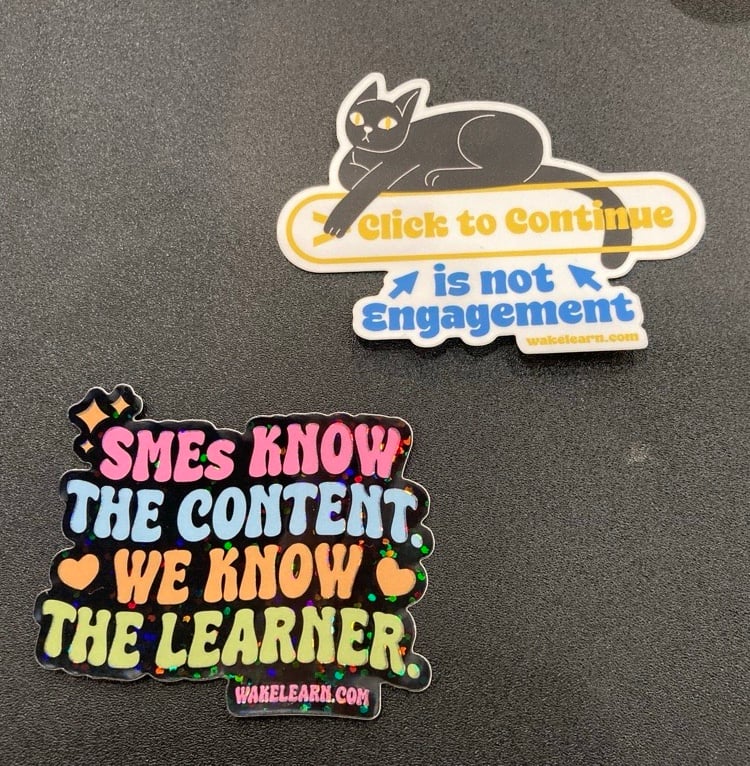
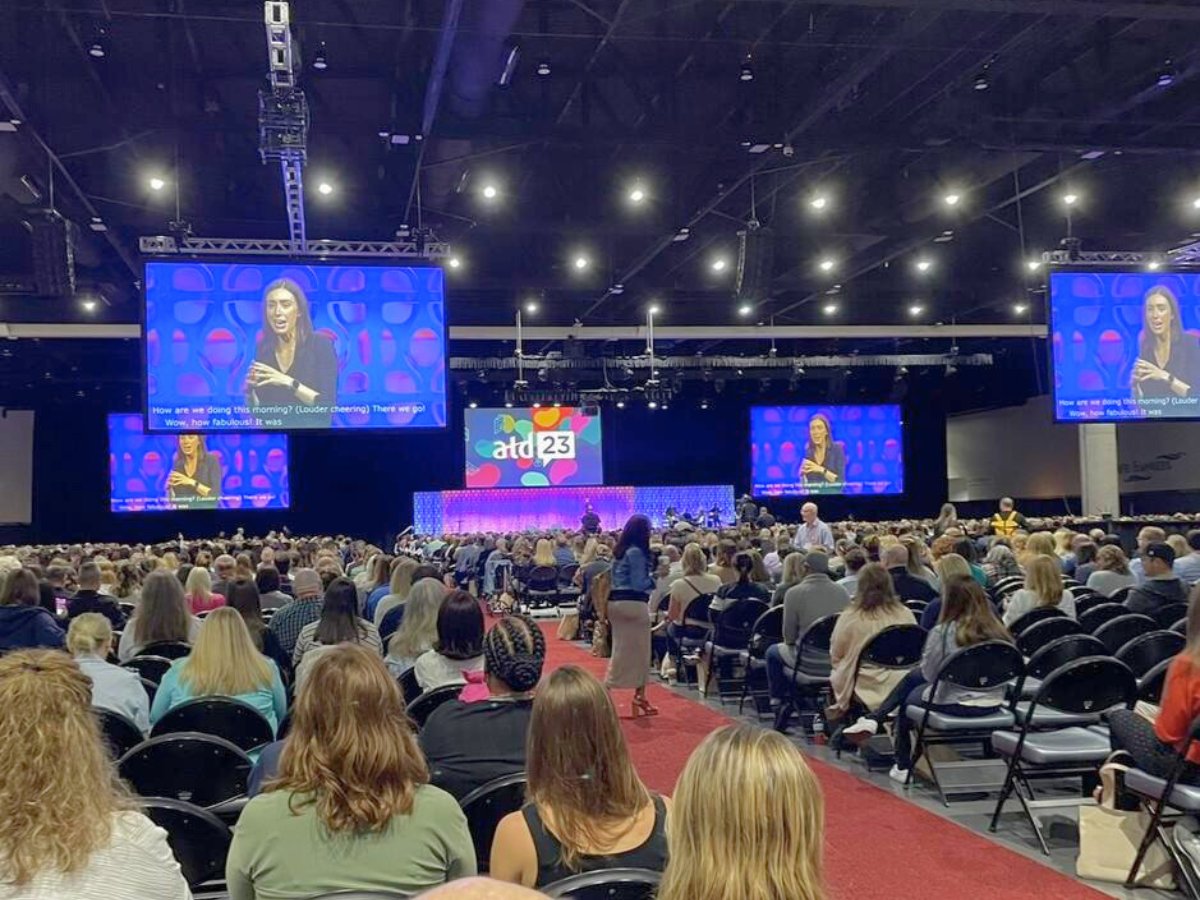
We are having a great time at ATD 2026. If you're here this week, come find us at Booth 2220. We're talking custom courses, scenario-based learning, content migration, and microlearning. Plus - we have great stickers.
#ATD2026
Every decision a learner has to make takes attention away from actually learning.
Clear navigation. Obvious next steps. Purposeful interactions only.
Design that reduces decision load is design that works.
#UserExperienceDesign#LearningExperience#CognitiveLoad
Microlearning isn't about shorter content. It's about whether employees can find and use the right resource at the moment they need it.
We design job aids and performance support built around how your org actually works. https://t.co/y0tU40Dw0i
#Microlearning#WorkplaceLearning
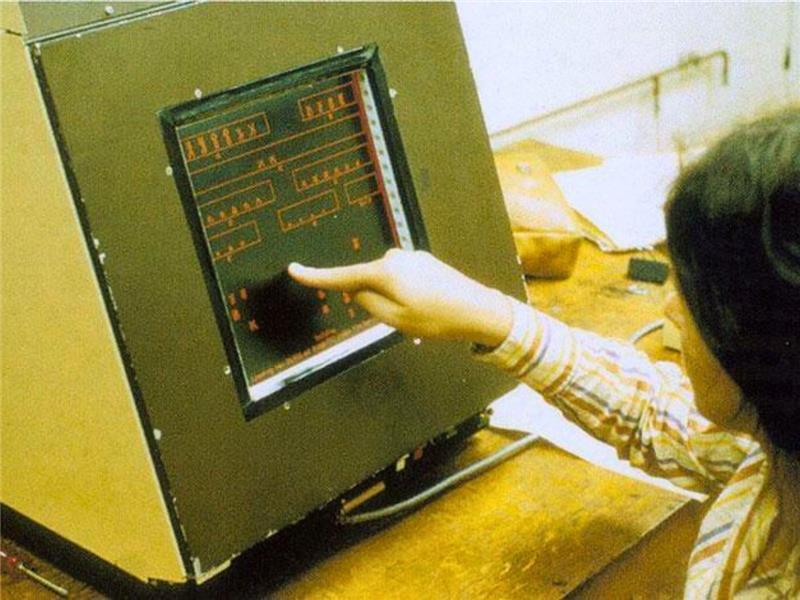
In 1960, learners on one of the first e-learning platforms started messaging each other instead of engaging with the content.
Some things don't change. The platform was never the point.
#LearningHistory#LearningDesign
One format doesn't fit every learning goal.
Microlearning, scenario-based courses, custom content, content migration — the right approach depends on what you're actually trying to solve.
https://t.co/PsG4Obf0WX
#WorkplaceLearning#InstructionalDesign
Re-reading feels like learning. It usually isn't.
Retrieval practice (quizzes, recall prompts, short exercises) builds retention far more effectively. The effort is the point.
#LearningScience#InstructionalDesign
Learning rarely fails in training. It fails in the moment of need.
If people can’t quickly find, understand, and use what they need, the learning hasn’t truly worked.
#LearningDesign#WorkplaceLearning
Skimming isn’t a bad habit. It’s a signal.
When content is clearly structured and scannable, learners slow down and engage with what matters.
#LearningDesign#WorkplaceLearning
The most expensive learning problem no one budgets for is confusion.
It shows up as rework, repeated questions, and lost time.
Clear design reduces that hidden cost.
#LearningDesign#WorkplaceLearning
If learners keep asking the same questions, it’s rarely their fault.
Repeated questions are usually a design signal, not a learner problem.
Clear learning doesn’t need more explanation, it needs better design.
#LearningDesign#WorkplaceLearning
Under time pressure, learners retain up to 40% less.
If learning has to work when time is tight, it has to be built differently.
Design for interruption, make decisions obvious, and optimize for first use.
#InstructionalDesign#LearningStrategy
Before creating something new, take a closer look at what you already have.
Learning content rarely fails all at once. It drifts. What was clear becomes cluttered, examples age, and structure gets heavier than it needs to be.
That’s often where the biggest gains start.
Some of the most valuable learning work in January starts with nothing new.
Before building more, it’s worth asking what’s actually helping learners, what feels overloaded, and where people are getting stuck. Clarity often does more than adding content.
#InstructionalDesign
January is a natural moment to reset how learning works.
With a bit more space and clearer priorities, it’s a good time to focus on what learners actually need and how you’ll know it’s working.
#LearningStrategy#LearningAndDevelopment
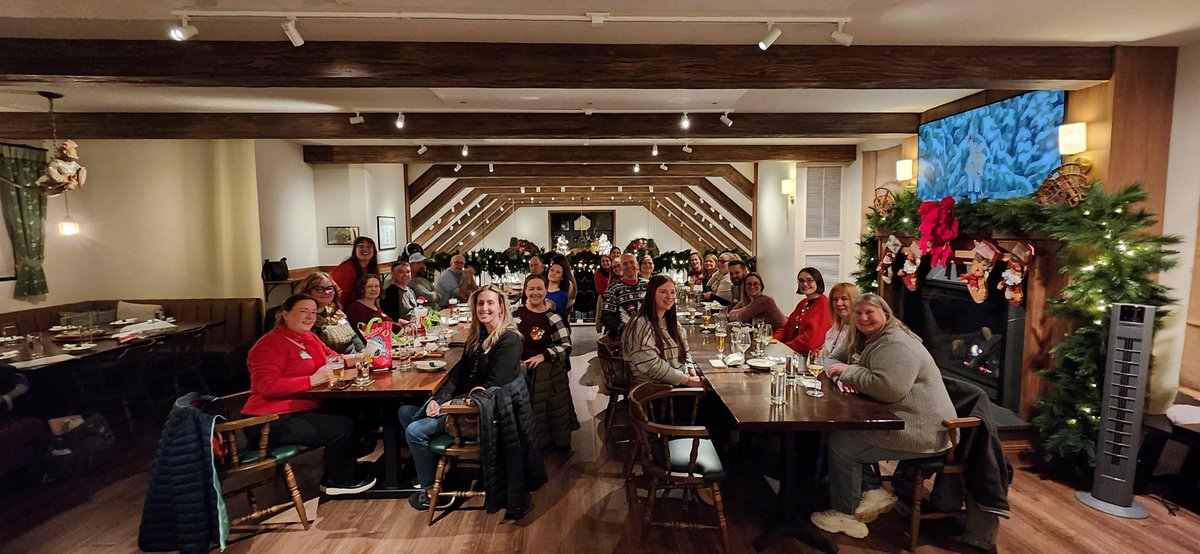
Ending the year with the people behind the learning.
The conversations, collaboration, and relationships are what shape the work we do every day. We’re grateful for our team and everyone who was part of this year, and we’re excited for what’s ahead.
More content doesn’t always mean better learning.
Intentional pauses help learners retain more and stay engaged.
That’s a core principle behind effective training design.
https://t.co/SvVVoX8rNl
#InstructionalDesign#TrainingDevelopment
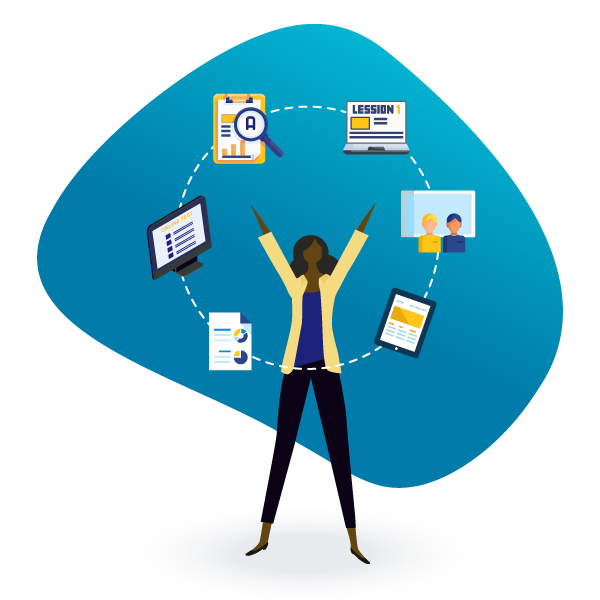
3 ways to create e-learning that engages:
1️⃣ Mix media—video, animation, audio, text
2️⃣ Build a story with real-world scenarios
3️⃣ Keep it interactive with quizzes & branching
Need help? Wake Learning designs custom instructional experiences: https://t.co/wGfKcxaT1r
31% of employees struggle with info overload and 20% have thought about quitting, according to a @wisetail survey.
This article shows how training can add to the problem. Wake Learning builds learning programs that help avoid it.
https://t.co/QLA0Dp3UWE