Surgical point of view:
Knowledge of the relationships between the Superficial Musculoaponeurotic System
(SMAS) and the key neurovascular points will enable better planning and performance of a procedure.
The dangerous electrolyte abnormality wasnHyperkalemia
Why insulin if the patient isn't diabetic?
The goal is NOT to lower blood sugar.
The goal is to rapidly lower serum potassium Insulin stimulates Na⁺/K⁺-ATPase which drives potassium from blood into cells
This can reduce serum potassium within minutes.
Why give dextrose too?
If insulin is given alone severe hypoglycemia may occur So dextrose is administered to prevent insulin-induced hypoglycemia
while still allowing insulin to shift potassium intracellularly.
ECG findings that make doctors panic
-Tall peaked T waves
-PR prolongation
-Widened QRS
-Sine-wave pattern (pre-arrest)
These changes indicate imminent risk of fatal arrhythmias.
Insulin + dextrose does NOT remove potassium from the body
It only temporarily shifts potassium into cells
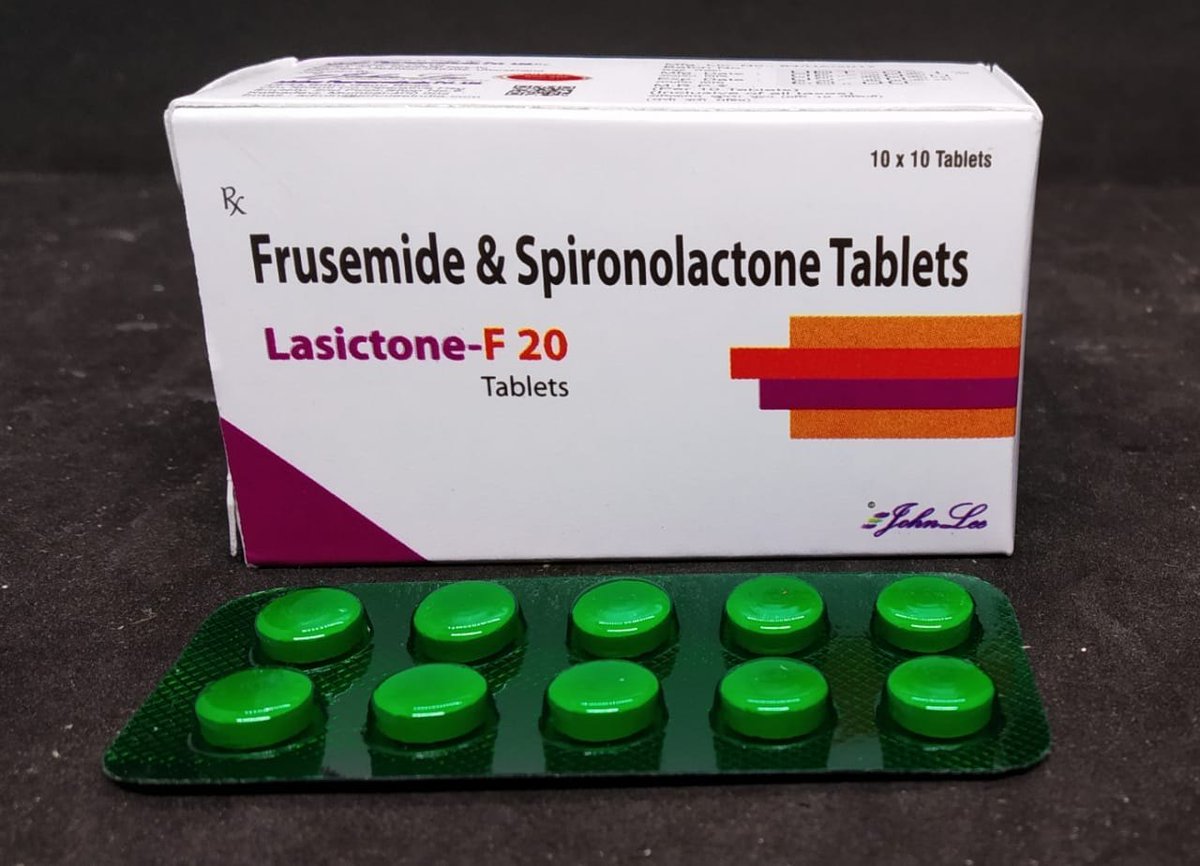
Definitive potassium removal may require Loop diuretics Potassium binders,Dialysis
Insulin hides potassium inside cells; dextrose protects the patient from hypoglycemia.
The doctor looked at the ECG and shouted:
"Give insulin + dextrose NOW!"
No diabetes.
No high sugar.
Which dangerous electrolyte abnormality was this combination actually treating?
✅ C) Tetralogy of Fallot
Children with TOF often instinctively squat after exertion or a cyanotic spell.
Squatting increases systemic vascular resistance, reducing the right-to-left shunt and improving pulmonary blood flow.
One of the most elegant compensatory mechanisms in medicine. 🫀💙
@DrMedica_13 Tetralogy of Fallot
Squatting increases systemic vascular resistance, which reduces right-to-left shunting through the ventricular septal defect and temporarily improves pulmonary blood flow and oxygenation.
Answer: B. Ramipril
Explanation: Facial swelling (especially of the lips, tongue, or face) after starting antihypertensive therapy is characteristic of angioedema, a well-known adverse effect of ACE inhibitors such as Ramipril.
Ramipril (ACE inhibitor) → ↑ Bradykinin → Angioedema
Can occur within hours, days, or even months after starting therapy.
Potentially life-threatening if airway involvement occurs.
🛑 B. Nephrotic syndrome
🔷️Periorbital edema is a classic early feature of nephrotic syndrome
🔷️Occurs due to severe hypoalbuminemia and reduced oncotic pressure
🔷️Edema is typically more prominent in the morning
🔷️Children commonly present with puffiness around the eyes
🔷️Associated with massive proteinuria (>3.5 g/day)
🔷️Hyperlipidemia is another important feature
🔷️Generalized edema (anasarca) may develop in severe cases
The correct answer is B. Nephrotic syndrome.
Nephrotic Syndrome classically presents with periorbital edema, especially in the morning, due to:
Massive protein loss in urine (proteinuria)
Hypoalbuminemia
Reduced plasma oncotic pressure → fluid shifts into tissues
Why not the others?
Cirrhosis → more commonly causes ascites and pedal edema
Right heart failure → mainly dependent/pedal edema
Lymphedema → localized non-pitting swelling, not typically periorbital
So, periorbital edema = classic clue for nephrotic syndrome.
✓ A. Down syndrome.
• Fissured/scrotal tongue with deep longitudinal grooves is seen in 40-50% of Trisomy 21 cases, due to macroglossia & genetic predisposition.
✓Diagnosis- Clinical (median groove >2-6mm deep & branches), biopsy rarely (granular parakeratosis).
∆ Complications: Food trapping can lead to halitosis/candidiasis (oral hygiene is the key).
• Prevalence increases with age (5% general → 40% Down), no treatment needed unless symptomatic.
Deep longitudinal grooves on the tongue are most strongly associated with which condition?
A. Down syndrome
B. Diabetes mellitus
C. Hypothyroidism
D. Crohn’s disease