@elonmusk In India, the challenge is teaching a car to expect the unexpected:
a cow, a wedding procession, a political rally, a pothole, a tractor, three bikes on one lane.
Launch FSD in India and you'll either create the world's smartest AI... or the AI will start questioning humanity.
@RT_com Symbolism often comes before substance. Flags and ceremonies set the tone, but the real story lies in what those 40 agreements eventually deliver.
In geopolitics, optics open the door... outcomes decide the room.
@RT_com When both sides keep “changing goalposts,” it usually means a deal exists in theory, not in reality. Urgency rises, but clarity doesn’t.
It’s like negotiating while the finish line keeps moving.. everyone is running, but no one actually arrives.
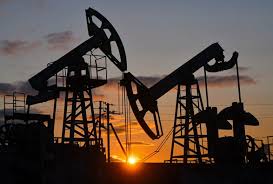
India signals it will keep buying Russian oil while deepening UAE energy ties, a clear move to secure supply in a volatile market.
It’s less about alignment & more about stability.
In geopolitics, ideology bends, energy security doesn’t. #CrudeOil
@Osint613 Pausing an operation in exchange for a potential deal shows how leverage can shift quietly. Sometimes influence isn’t about acting more..it’s about getting others to pause.
It’s like pausing a game mid-play because someone claims they can change the outcome..
@business This isn’t just about energy imports, it’s about using positioning at the right moment. When geography and timing align, even a constrained player can expand room to maneuver.
It’s like finding an open lane in traffic while others are stuck... not faster, just better placed.
@GlobalIJournal Outcomes matter more than optics. Visits like this often signal dialogue,not delivery. When one side seeks leverage and the other offers process, the gap reflects priorities,not just results
In geopolitics, presence shows intent,absence of agreement shows who still holds leverage
Modi West Asia Move-Security +Energy +People
India and the UAE are strengthening ties beyond headlines
This is long‑term positioning like building reserve during calm to stay steady in crisis
Real partnerships aren’t built in moments of tension they’re prepared before they arrive
Starving on the front lines: Food supply in crisis as Ukraine fights Russia
War didn’t remove hunger from the battlefield... technology just made it harder to deliver the meal.
@FoxNews When trust breaks down, mediation becomes harder regardless of who is involved.
It’s like questioning the referee mid‑game - the match doesn’t move forward, it just stays stuck.
Peace talks depend less on accusations and more on who can still be trusted to sit at the table.
China Draws Red Lines Ahead of US Talks
Beijing is setting boundaries early - Taiwan, system, rights, development.
Not just messaging, but positioning.
Like marking the field before the game begins.
Takeaway: Power starts with defining limits.
Why Geography Still Decides Power
In an age of AI & satellites, we talk technology like it rewrote power, but geography is still quietly in charge like mountains still slow armies, seas still decide trade, and chokepoints still make small places powerful.
Russia says the US cannot take Irans enriched uranium without Tehrans consent
The issue again comes down to sovereignty, who controls strategic assets on the ground
Great powers respect strength,not claims
That makes any unilateral move unlikely without broader international deal
@sidhant Interesting to see the focus on reserves. In today’s environment, energy security is becoming a key pillar of national resilience, not just economics.
Israeli strikes in Beirut signal rising friction again despite the April ceasefire.
Ceasefires in the region seem to be holding tactically... but not strategically.
That keeps the risk of sudden escalation alive.
@BRICSinfo Warnings like this underline how fragile the Strait of Hormuz situation has become.
As they say, “a spark can light a wildfire” even small incidents here can escalate quickly.