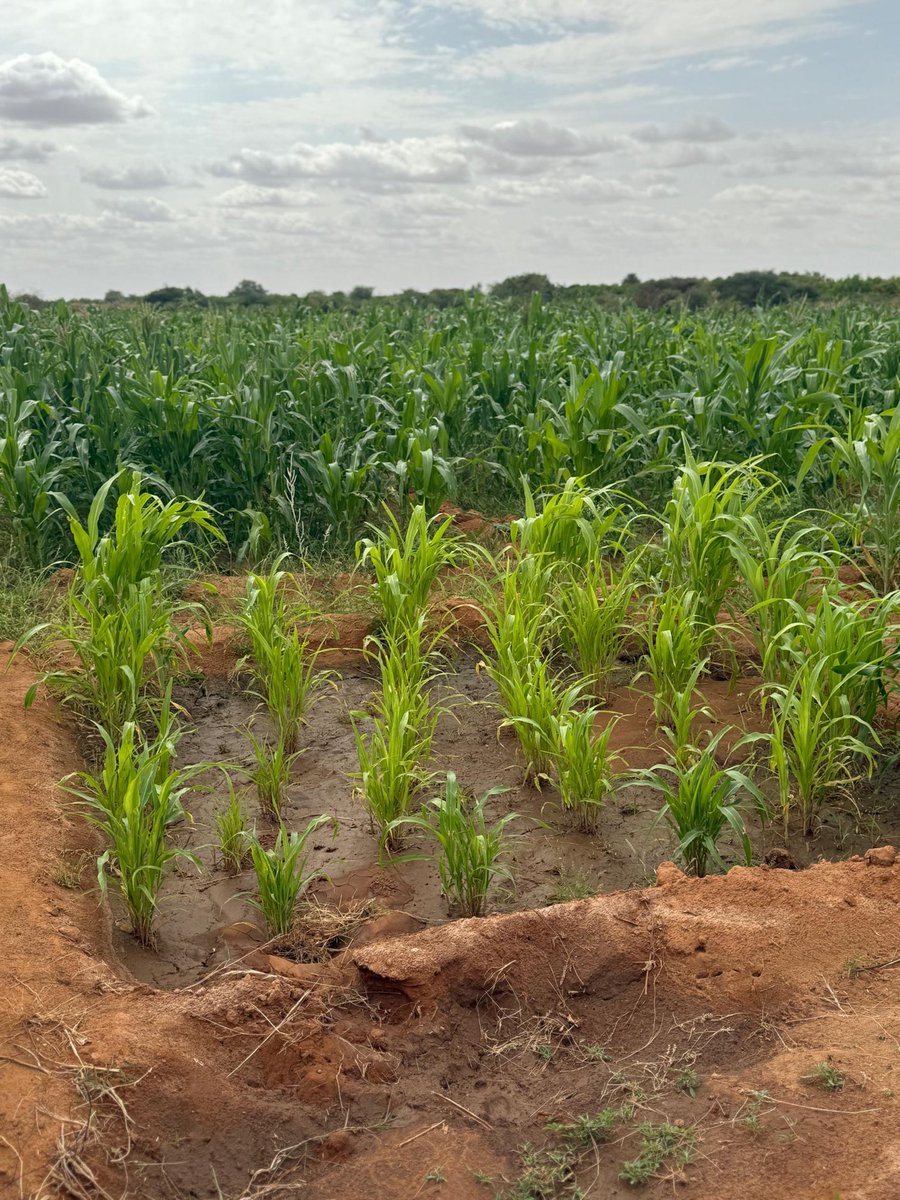
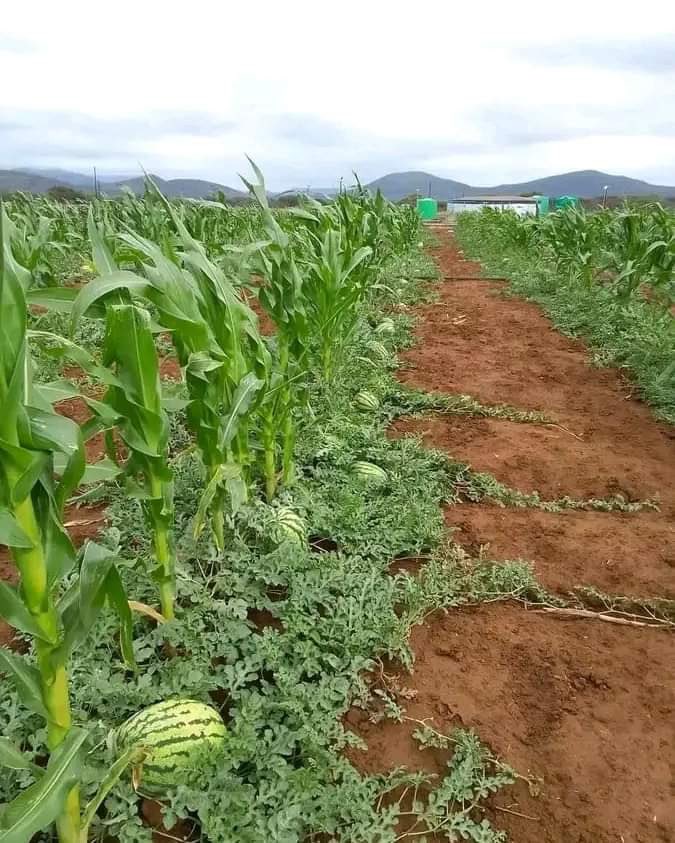
The Ministry of Agriculture and Irrigation of Jubaland has been continuously distributing agricultural inputs to farming communities along the outskirts of Kismayo district and across the wider Jubaland region. More than 2,000 farmers have already received essential supplies.
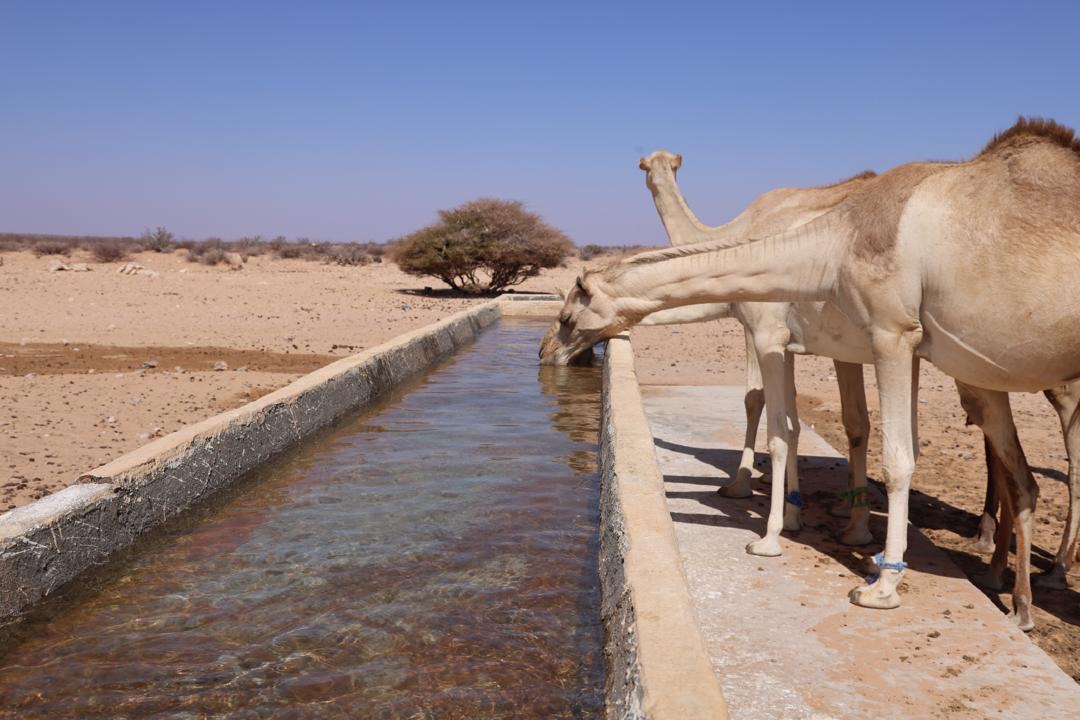
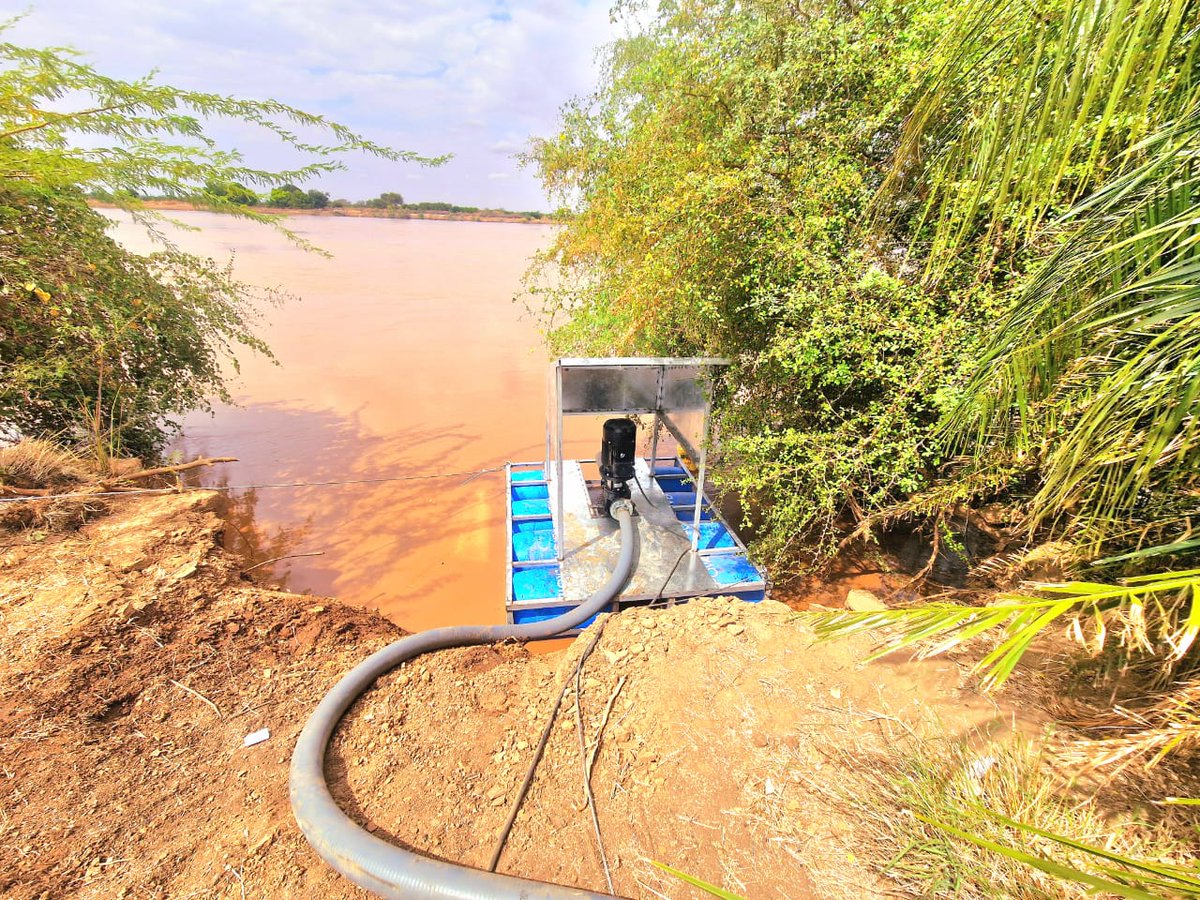
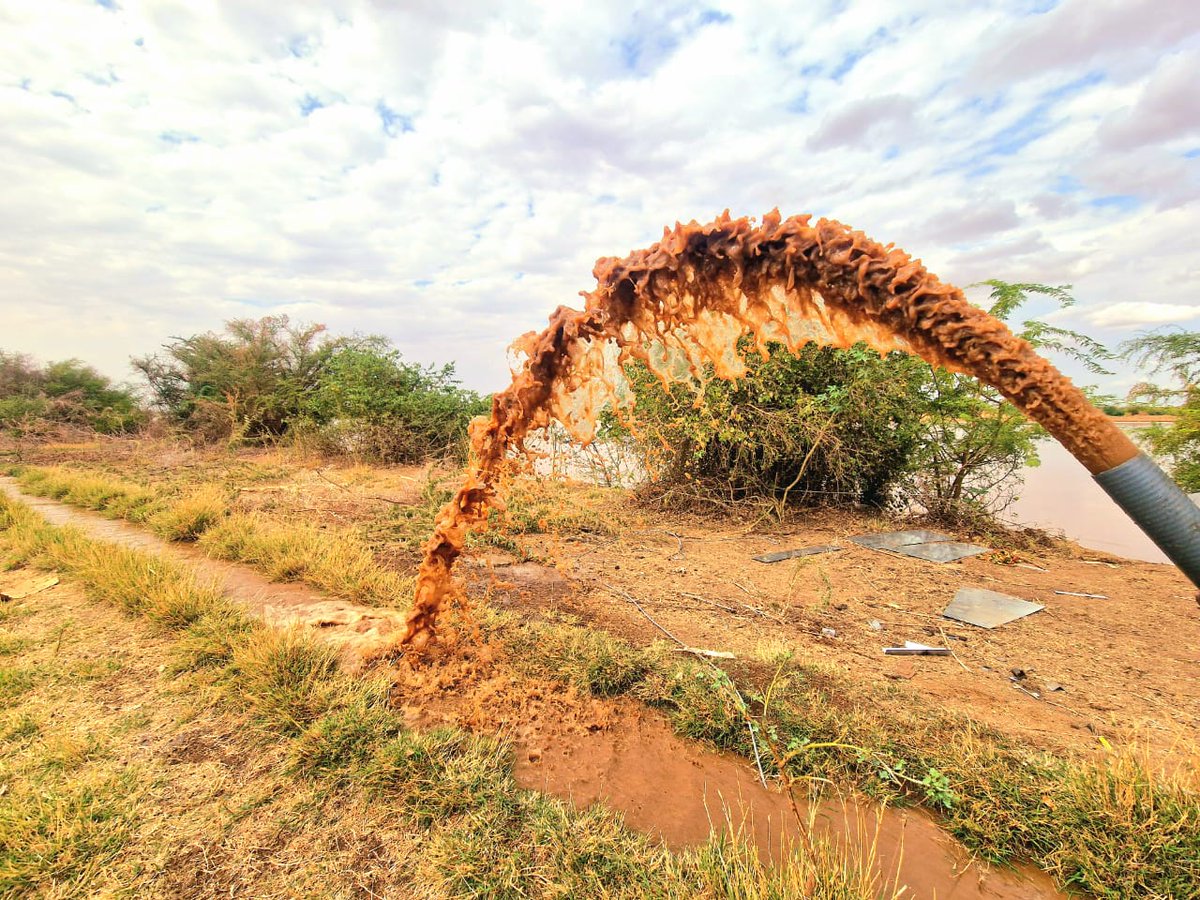
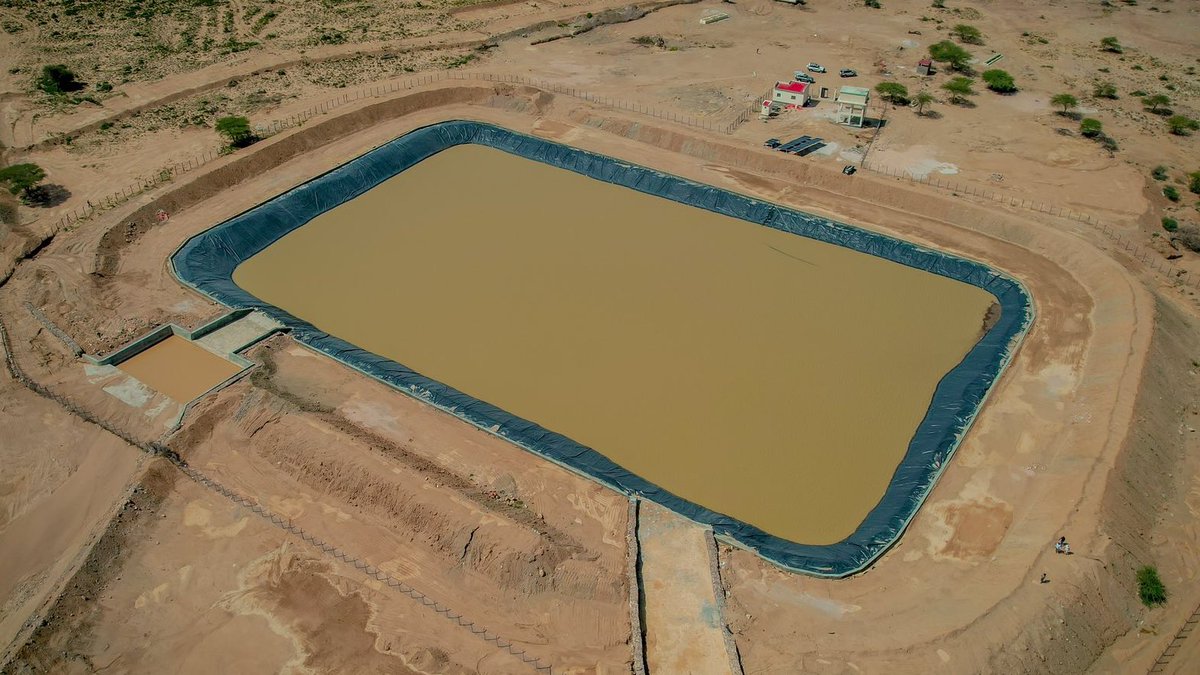
@gabowduale@NIS_EastAfrica@NorwayInSomalia Your investments in sustainable water infrastructure represent a vital step and strengthening resilience farming communities . The initiative aligns with local needs, harnessing solar or other renewable sources to pump and distribute water efficiently for irrigation like Ljuba
The MOAI, in collaboration with instructors from the Jubaland technical Institute has organized a hands-on training program on agricultural machinery for 25 students.we need to produce a new generation of skilled technicians and agri engineers who cn address challenges faced.
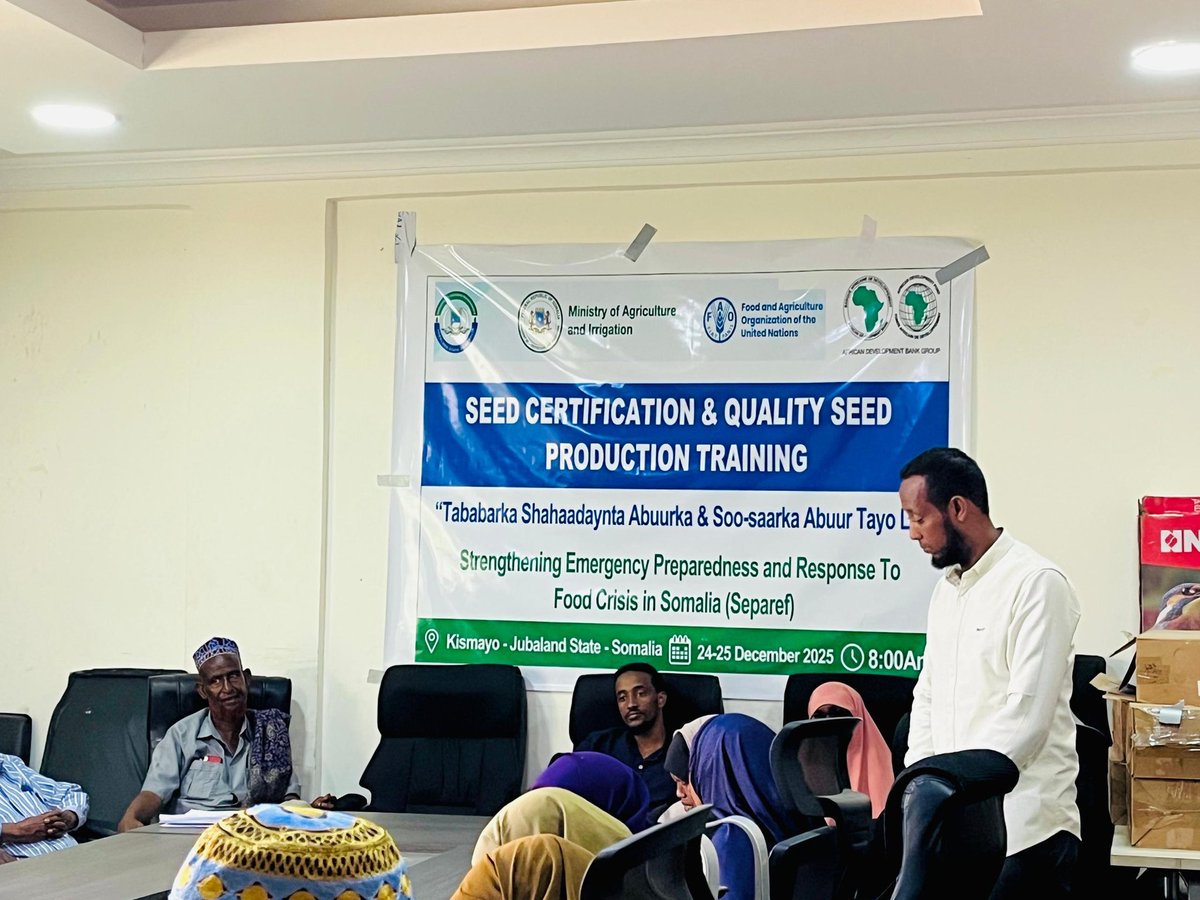
Day 1 Build capacity in quality seed production techniques.
Aim: To equip seed producers and lead farmers with the hands-on technical skills required to produce seeds that meet certification standards.
Outcomes:practices specific to seed production, including field selection
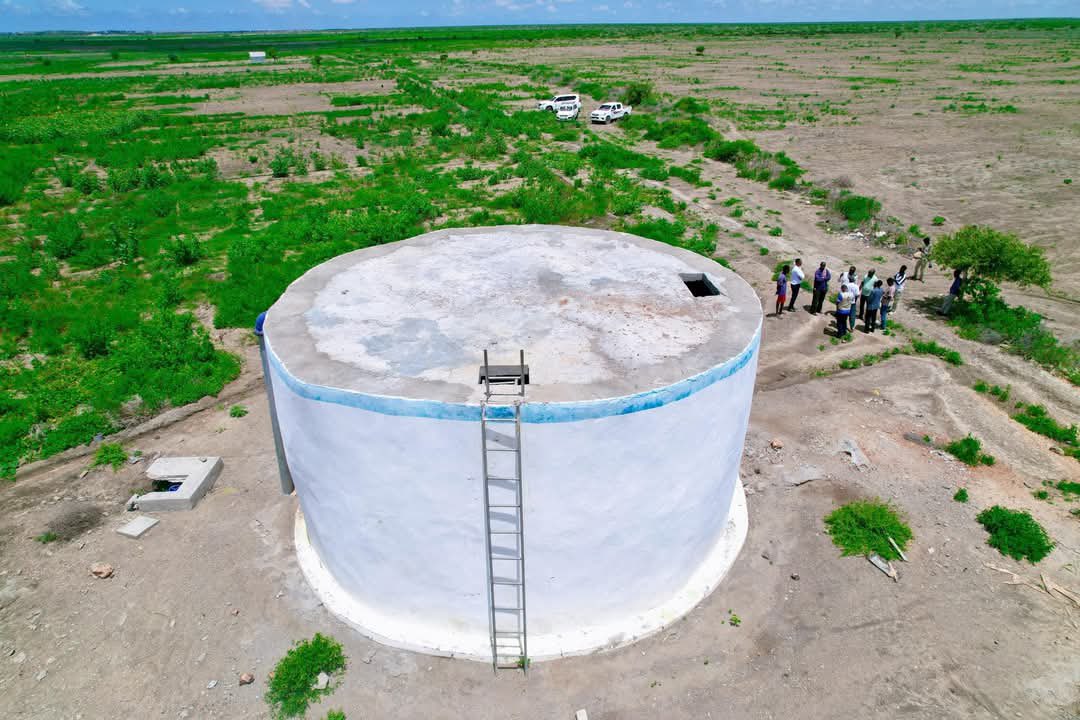
Farmers in Dolow r benefiting from a solar pumping system designed to irrigate vast amount of land. With the amount of water that drains through the Somali Rivers, food security should have been a guarantee. @NorwayInSomalia @SwissEmbassyKE @NIS_EastAfrica
In alignment with the CadRe programme's core objectives, the(FAO) has identified the strategic expansion of climate-smart agricultural infrastructure as a key driver for sustainable development.FAO has initiated the installation of two additional greenhouses in the Kismayo North
rural-to-urban migration on jubaland’s farming systems and rural livelihoods. We agreed to work collaboratively to support and empower Internally Displaced Persons (IDPs), particularly those displaced from the agricultural communities settled in Luglow,Dolow and luuq
Actions farmers can take to halt soil salinization if strategically used effectively
1.Use Mulch to Decrease Evaporation
2.Use Good Quality Water
3.Reduce Pumping When Salinity Starts Growing
4.Grow Salt-Tolerant Plants
5.Add Organic Matter
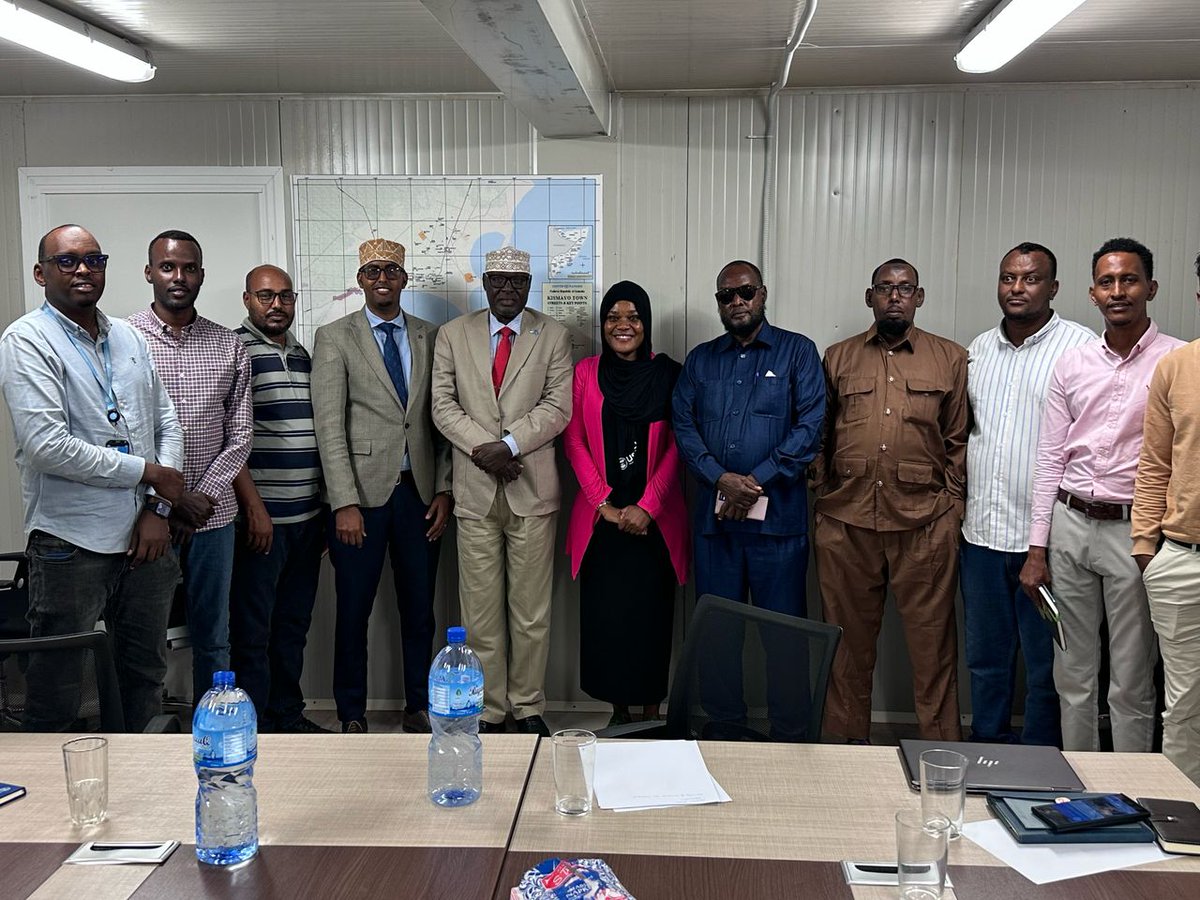
We had visit to the state minister and the director general for the ministry of agriculture and irrigation federal government as introduction event for the new DG for the ministry of agriculture jubaland state
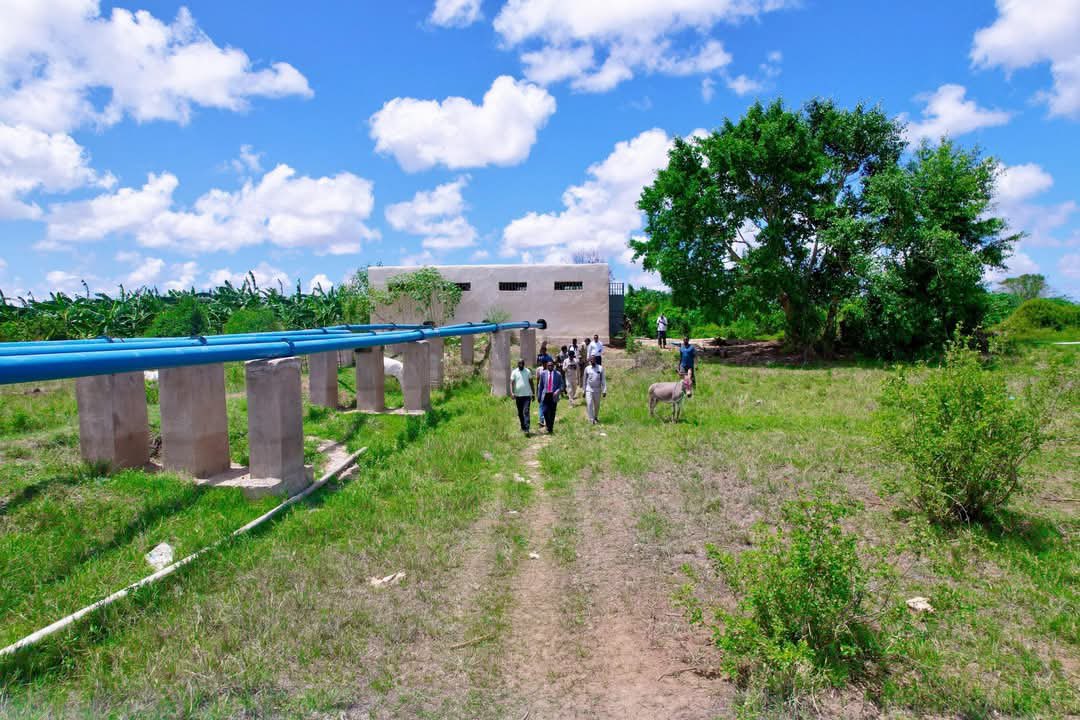
The Ministry of Agriculture and Irrigation, led by the Deputy Minister, conducted a courtesy visit to the outskirts of Kismayo to oversee and monitor the ongoing canalization projects implemented by various NGOs.The visit aimed to assess the progress and quality of the work.
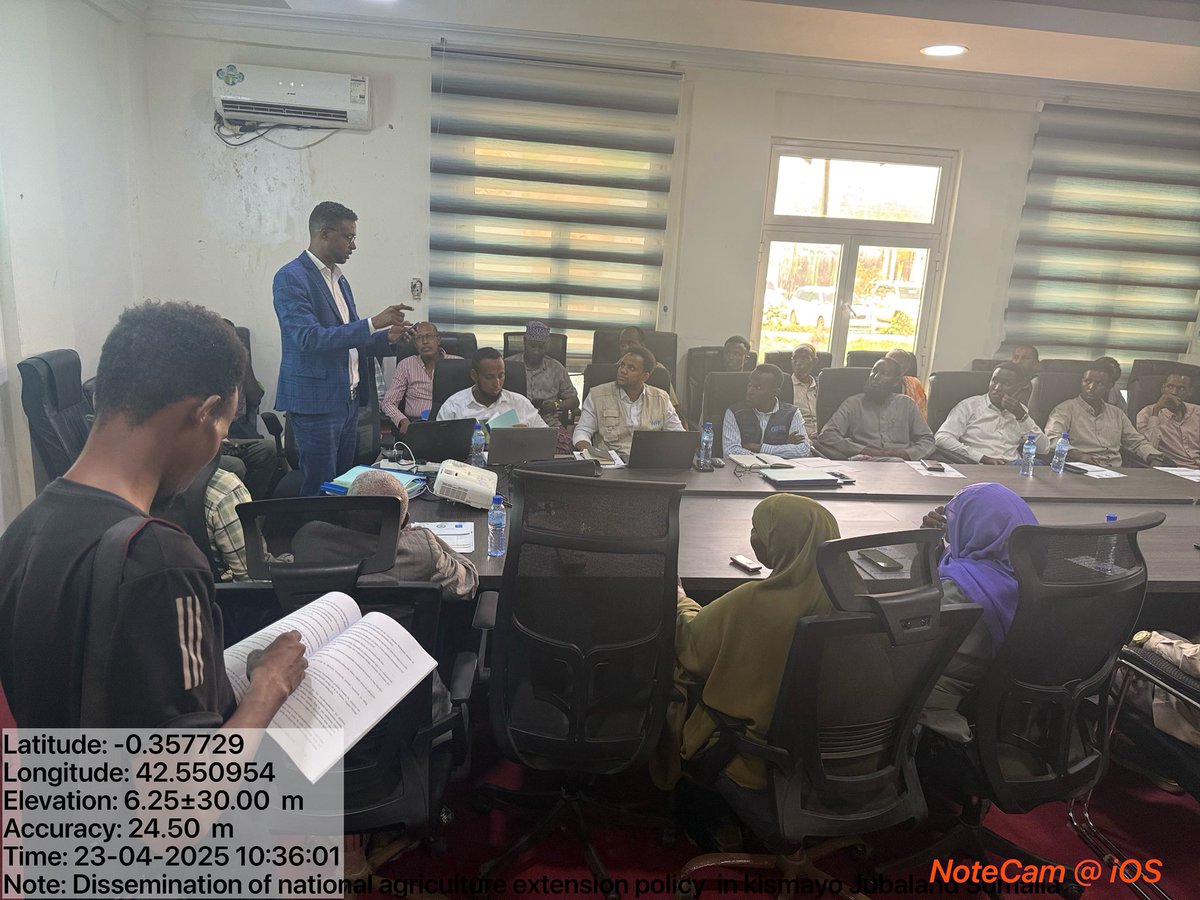
The Ministry of Agriculture and Irrigation (MoAI) is pleased to facilitate a discussion forum in Disseminating for the National Agricultural Extension Policy (NAEP)
This important policy was developed by the Ministry of Agriculture and Irrigation at the Federal Government level.
Jubaland production line ministries had a meeting with FAO main office in Kismayo to discuss with several agendas, including current projects and those in the pipeline it was a fruitful meeting
Types of Farmer Organizations
Cooperatives: Farmers pool resources for collective benefits.
Producer Groups: Focused on producing and marketing specific crops.
Water User Associations: Manage sustainable water use for irrigation.
Agri-Advocacy Groups: Promote policies
Anticipated La Niña Impact and Need for Collaborative Effort.
The upcoming La Niña weather pattern poses an additional threat to the already dire situation.This phenomenon is expected to exacerbate the drought,leading to heightened challenges for vulnerable populations in Jubland
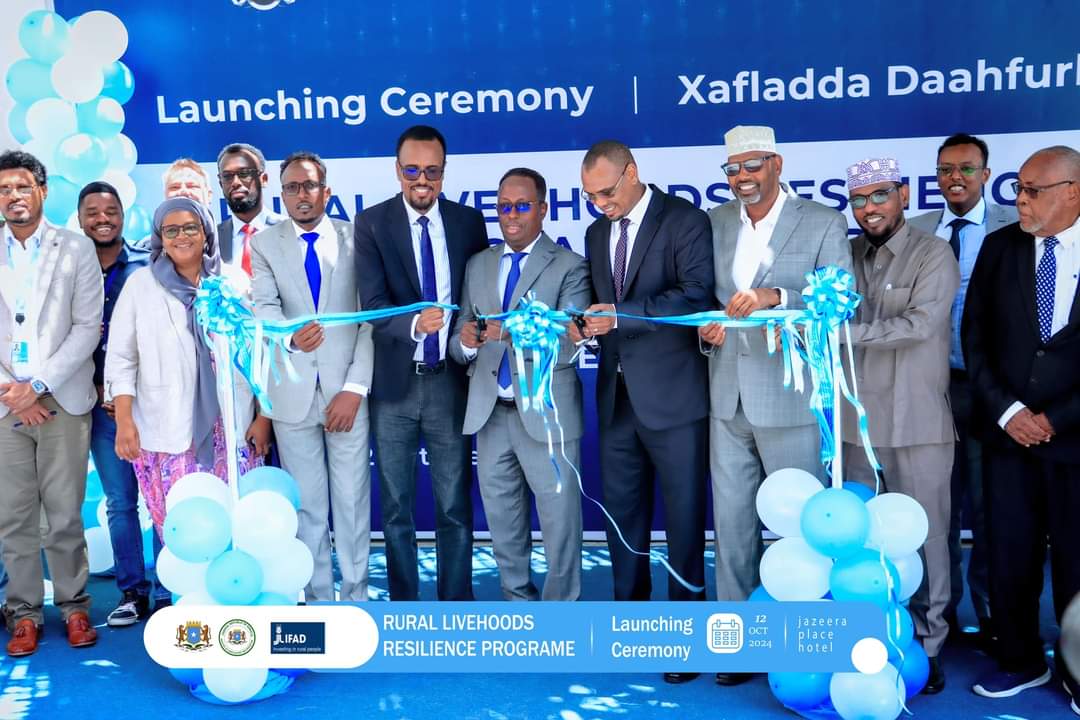
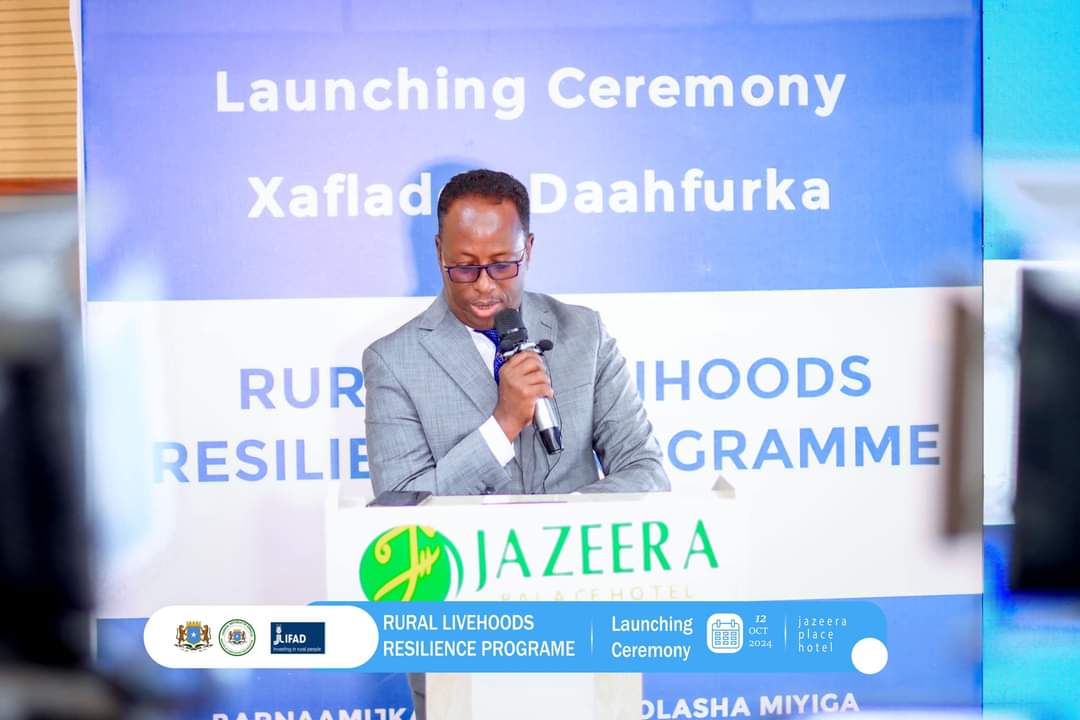
Ministry of agriculture and irrigation jubaland state team was part of launching ceremony of the Rural Livelihood Resilience Program event, organized by the Ministry of Agriculture and Irrigation federal government.