It's time to build a water ethic.
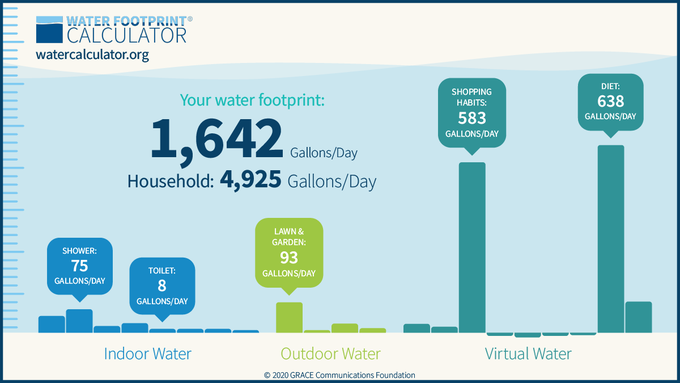
To start, find your total water use, which means not only tallying all the water in your home, but all the water consumed to produce your food, goods and services. Go here to launch the Water Footprint Calculator: https://t.co/M1Eav8zuiE
Did you know that a #waterfootprint has three component parts?
The blue, green and grey water footprints combine to make the total.
Learn more about water footprints and what makes them a robust, durable assessment tool.
https://t.co/PrLaI5sBPZ
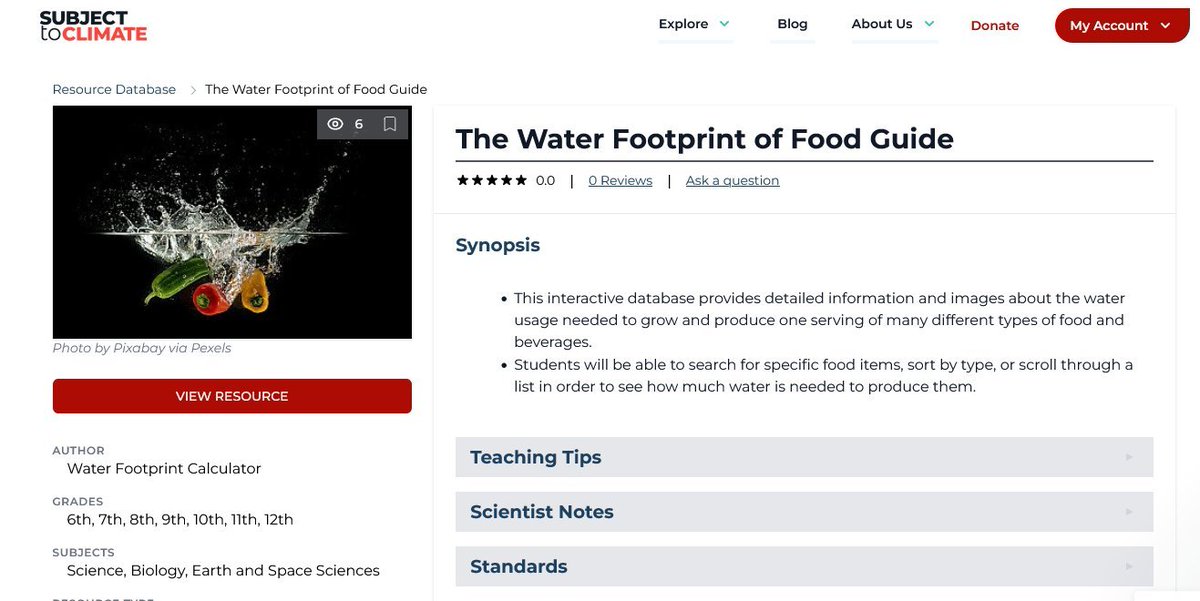
Have you checked out @subjecttoclimat, the climate and environmental education clearinghouse?
We've partnered up to share some of our educational resources so that #teachers can utilize our content as well as great content from other organizations.
https://t.co/LE7J0Hpr1R
"So, when you think of your next meal, think of water. ...Because when we live our lives, we live our lives through water. Whether we see it or feel it, water is what we depend on for just about everything."
https://t.co/0KK6sk86Vf
Yes, rain and precipitation (really soil moisture) is measured as the green #waterfootprint component of the total water footprint.
Here's an exploration of why "rain counts" in the big picture.
https://t.co/GKOsY5rfPQ
Water and wastewater #infrastructure is about important as it gets to the health of people, economies and ecosystems, yet the backlog of projects is huge. While the Infrastructure Investment Act will help, more is needed.
https://t.co/TJqMKIoHqf
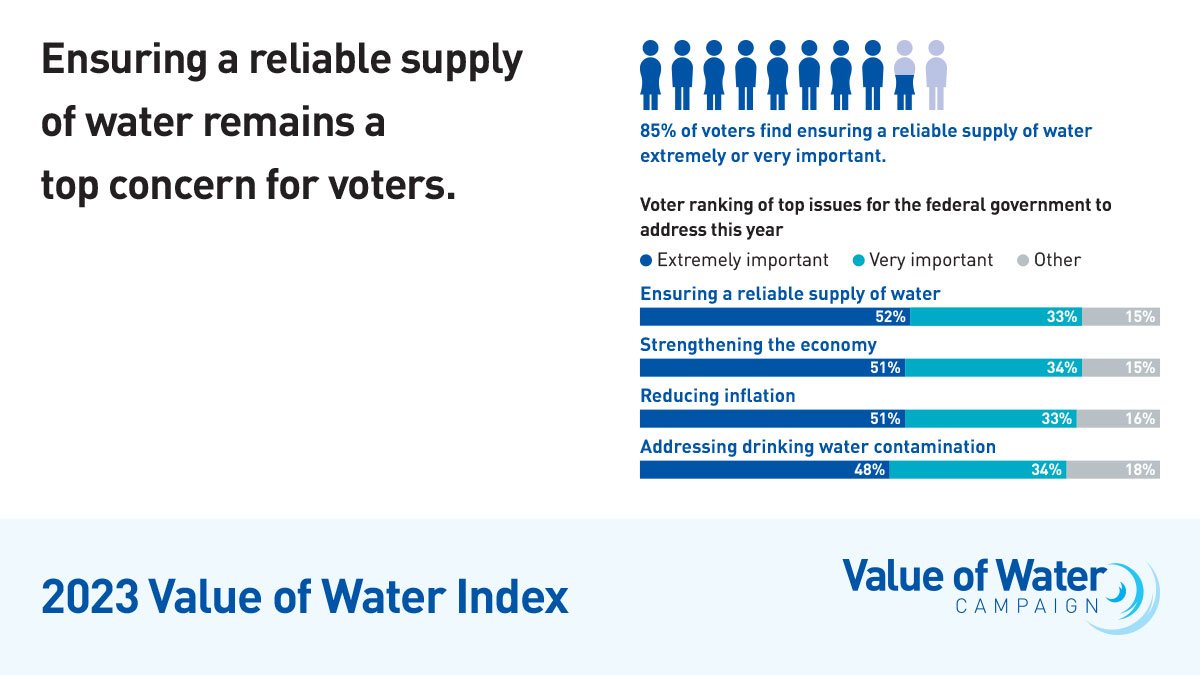
New @TheValueOfWater poll highlights that a safe and reliable water supply is the number one issue for American voters. (1,000 people; national poll)
Key findings: https://t.co/IseAWgZND9
For California groundwater, it's save rain for a sunny (hot and dry) day.
Farmers and water managers are working to recharge overexploited aquifers while abundant water is available. @greylmoran explains in @CivilEats.
https://t.co/SOLJ5W13LG
#VirtualWater or embedded water: What is it?
"Virtual water, also called 'embedded water' or 'indirect water,' is the water 'hidden' in the products, services and processes people buy and use every day." More:
https://t.co/UnrMzp9o0D
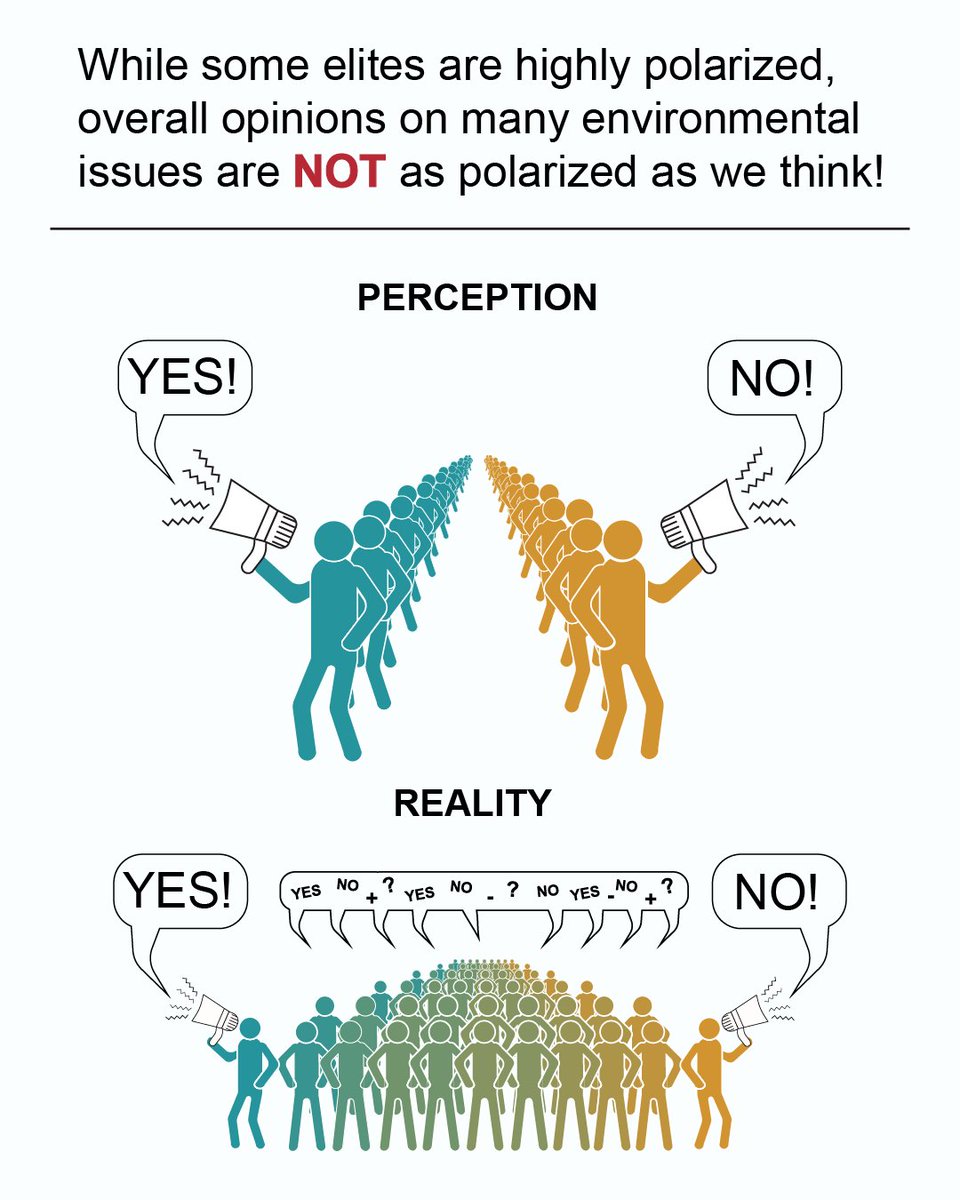
Excited to share our new paper on environmental decision-making in times of polarization, published in Annual Review of Environment and Resources https://t.co/nPoX6SKHgm with Yoshi Kashima, Linda Steg and @tdietzvt
What, where and how crops are irrigated have shifted over time in the United States, a recent study finds.
What are some big changes? Even more crops are irrigated for animal feed, and groundwater is an increasingly turned to as a crop irrigation source.
https://t.co/mCsE9UPjmt
“Even though we're seeing this recharge of surface reservoirs we still need to use water efficiently. The fact that we have water available this year buys us more time but it doesn’t change the need to make those [long-term] changes in sustainability & resiliency”—@_HeatherCooley
"For the first time since 2006, CA officials have increased allocations from the vital State Water Project to 100% of requested supplies as reservoirs across the state are nearing capacity & an epic snowpack has yet to melt."
Rainy day groundwater storage
https://t.co/QDXPGkfEl1
"For the first time since 2006, CA officials have increased allocations from the vital State Water Project to 100% of requested supplies as reservoirs across the state are nearing capacity & an epic snowpack has yet to melt."
Rainy day groundwater storage
https://t.co/QDXPGkfEl1
Here's a valuable new overview of water use in California, created by @PPICWater.
They also provide California water use fact sheets for agriculture, communities and the environment.
https://t.co/JQo39omxeo
"Everyone’s habits, practices and purchases impact both the amount of water they use and their impact on water resources. This is a great time for people to educate themselves about how water runs throughout their lives."
Remember water on #EarthDay2023.
https://t.co/oquw992fZM
Iowa, like other farm states, has serious problems with nutrient pollution from Ag runoff.
Although there are low-tech ways to reduce pollution, it seems that government payments to farmers—public funds for private pollution—is the most likely resolution.
https://t.co/h8WulX0jEj
Last month delegates from 170+ countries gathered for the first major @UN-convened water conference in 46 years. Sadly, there was minimal attention paid to agriculture & the food system, the largest user & polluter of water.
Read our latest from @kolsaw: https://t.co/WuWKA7jW6d
Too much, too little or too polluted.
Many parts of the United States suffer various #water crises, whether it stems from overuse, mismanagement, drought, climate change or industrial contamination. More here from @Ginger_Zee:
https://t.co/EnSwpE3tde
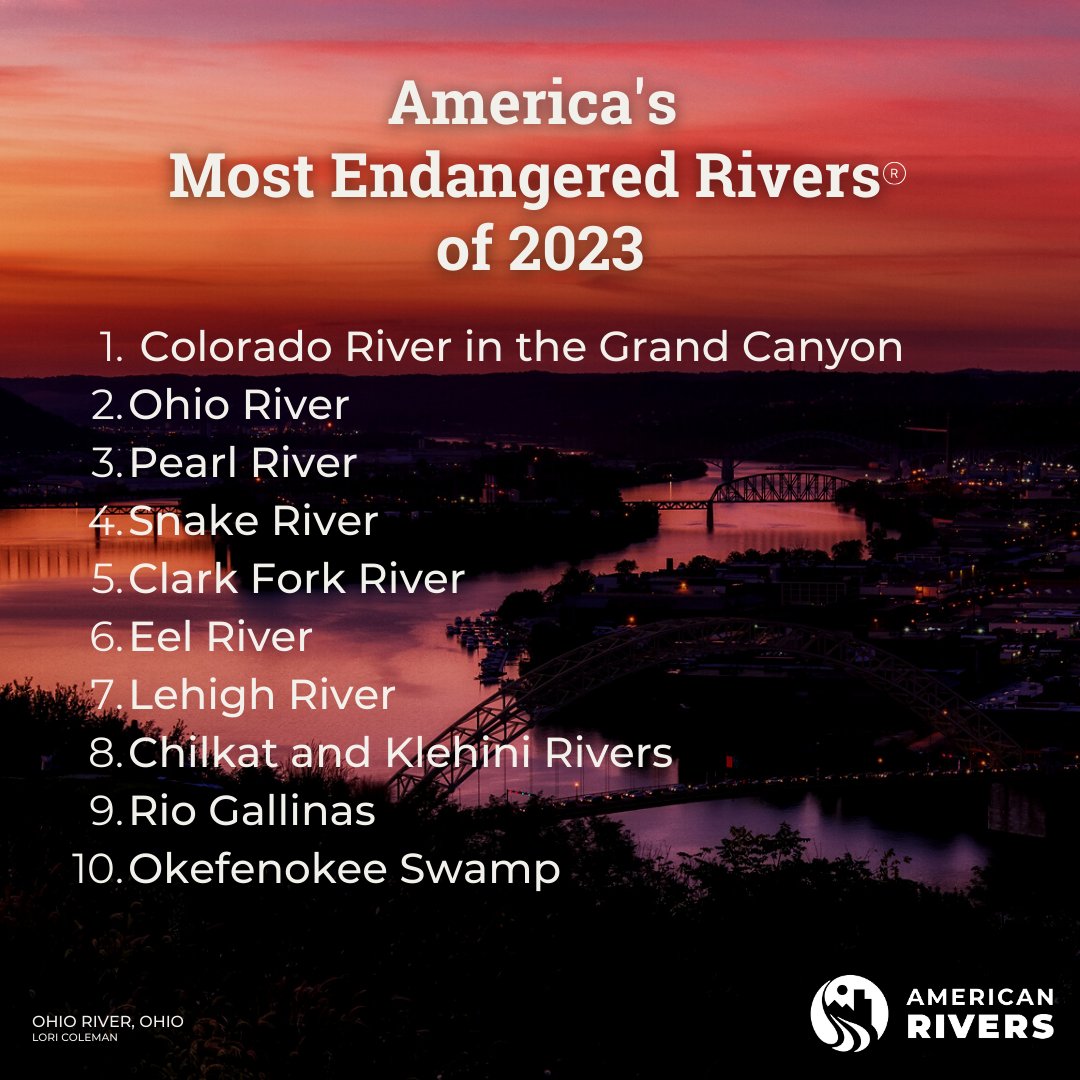
Introducing America's #MostEndangeredRivers of 2023 - This year's list underscores how human health and public safety are directly connected to the health of our rivers. Each river is at a tipping point, they need you - Take Action Now!
https://t.co/NH9cZWblOe
"Practically speaking, water might be the linchpin to the systemic approach we need to deal w/ the multiple crises we face w/ climate, food, energy, economies, & yes, water."
Reflections on the #UN2023WaterConference, its worth & shortfalls. @foodprintorg
https://t.co/pWL7mG7sQd