Waterproof! focuses exclusively on residential and commercial waterproofing, and covers industry issues and trends more thoroughly than any other publication.
Roofs are no longer just protective surfaces. Now, they are considered key pieces of urban stormwater infrastructure. Read more: https://t.co/Vc6mw1MnZe
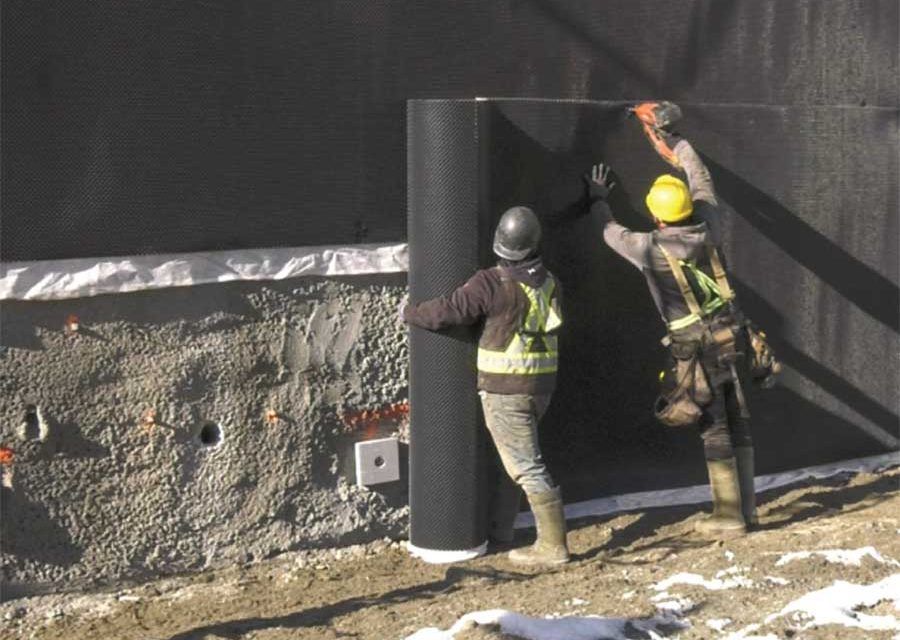
Get foundation waterproofing wrong and it’s difficult if not impossible to remediate. Get it right and the building is protected for decades. Read more: https://t.co/TMy2q4kyvj
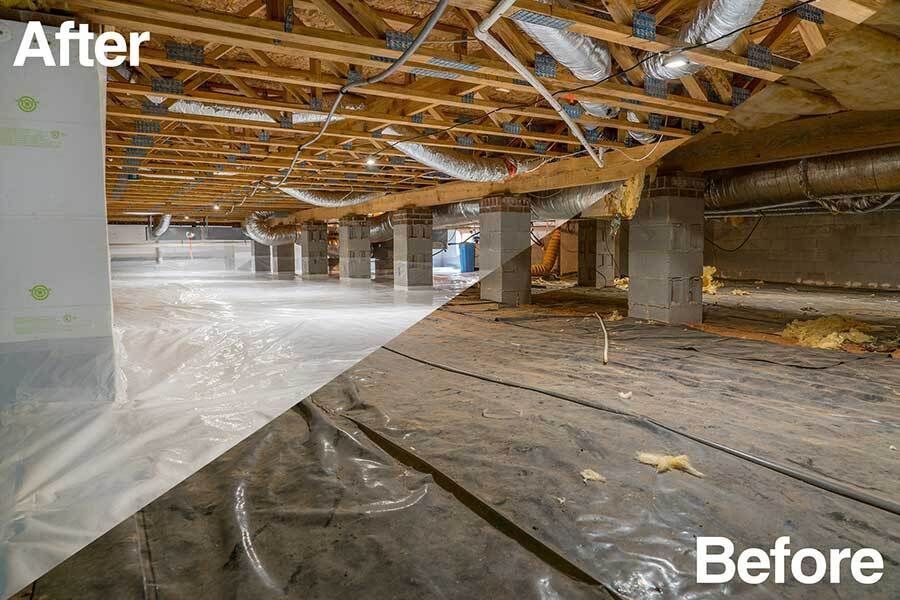
Left untended to, a crawlspace can undermine a home’s safety, compromise air quality, and expose its occupants to a range of biological and chemical hazards. Full story here: https://t.co/6cen8ergVK
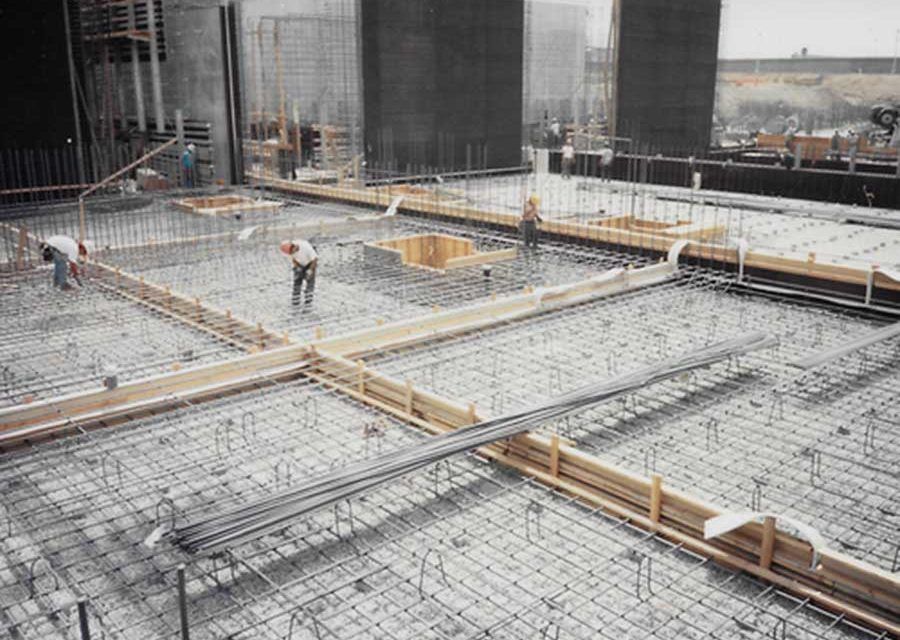
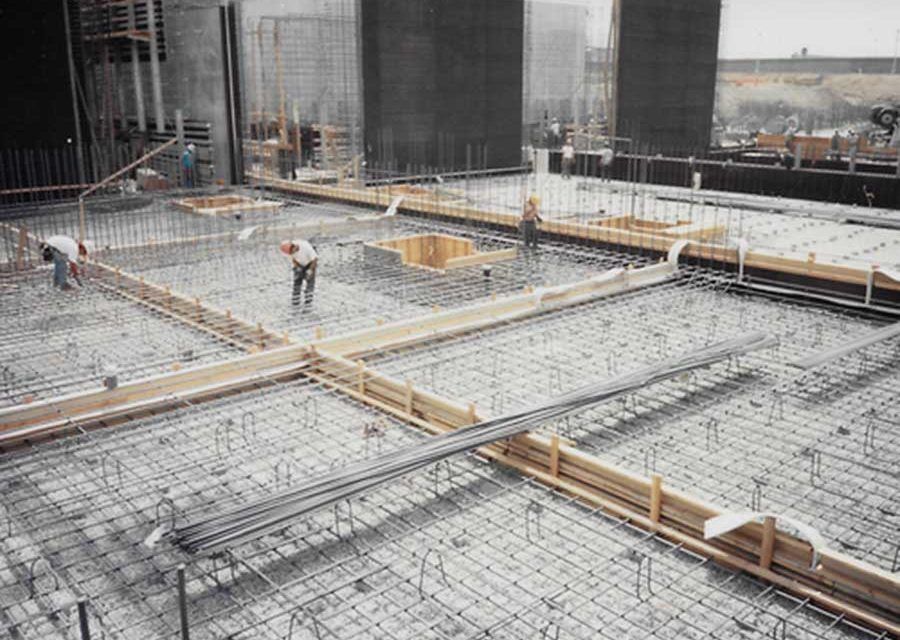
Waterstops are one of the most widely used methods for preventing water from passing through concrete construction joints. While the concept is straightforward, proper installation requires careful planning. Read more: https://t.co/A1Pscjcm3J
IEQ is a broad term that describes everything that shapes how healthy, comfortable, and durable a home actually is. And according to the EPA, it deserves more attention than it gets. Full story here: https://t.co/qr731LFIVG
Shifting from traditional “seamed” systems to a monolithic silicone roof coating strategy can transform the building envelope from a depreciating liability into a durable, high-performing investment. Read more: https://t.co/05w0BjiaOB
New-construction waterproofing gives contractors a known substrate. This is something restoration work almost never offers. Full story here: https://t.co/gg5IuV4zg8
Many owners can’t say what kind of roof their building has. Even if they do know, the attitude often amounts to: We’ll deal with it when it leaks. Read more: https://t.co/w02RW7ReD8
Roofs are no longer just protective surfaces. Now, they are considered key pieces of urban stormwater infrastructure. Full story here: https://t.co/Vc6mw1MnZe
Get foundation waterproofing wrong and it’s difficult if not impossible to remediate. Get it right and the building is protected for decades. More here: https://t.co/TMy2q4kyvj
Left untended to, a crawlspace can undermine a home’s safety, compromise air quality, and expose its occupants to a range of biological and chemical hazards. Full story here: https://t.co/6cen8ergVK
Waterstops are one of the most widely used methods for preventing water from passing through concrete construction joints. While the concept is straightforward, proper installation requires careful planning. Read more: https://t.co/A1Pscjcm3J
The ocean has always been a hostile place for concrete. Seawalls, dry docks, piers, and bulkheads that once seemed permanent are showing their age, and their vulnerabilities. Story here: https://t.co/9P1QUzGsUV
Most commercial envelope failures happen at the seams, not the surfaces — and fixing that requires systems thinking, not better products. More here: https://t.co/tQlCsBcdWo
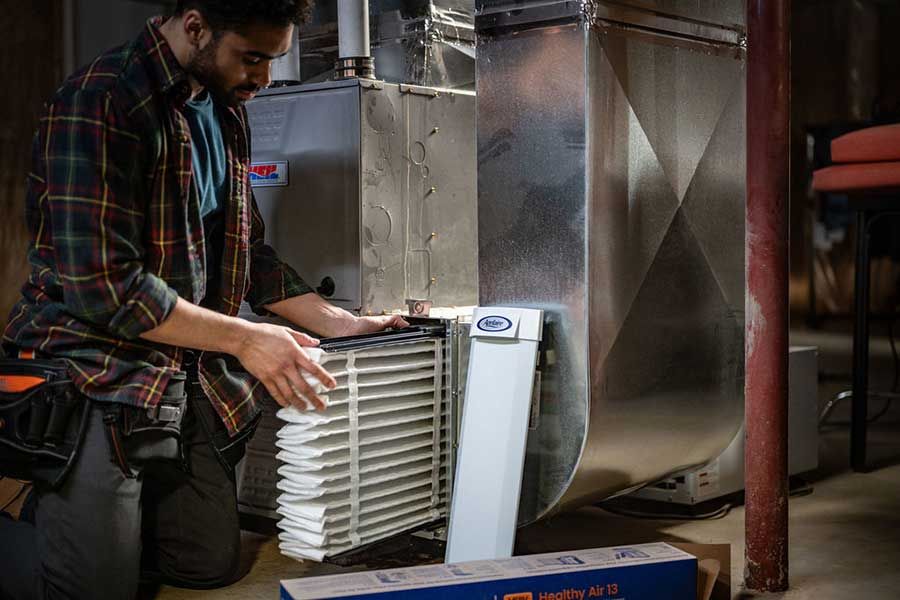
Basements are easy to ignore … until they’re not. Tools available today make it possible to manage basement air quality continuously, without requiring homeowners to pay constant attention. Read more: https://t.co/dDzJMjvvZI
The three dominant membrane types are TPO, EPDM, and PVC, and each carry their own legacy while also continuing to evolve. Increasingly, though, the best option isn’t a single membrane but a hybrid assembly. Read more: https://t.co/t1RsH9Fp6n
A centerpiece in the heart of Albany, the New York State Capitol Building’s central courtyard required updates to its roofing and cladding. More here: https://t.co/W6u9EMmfzV
How do you know if waterproofing solutions will stand the test of time? One study, started in 1983, seeks to answer that question. Read about it here: https://t.co/a9ubM0z3rp