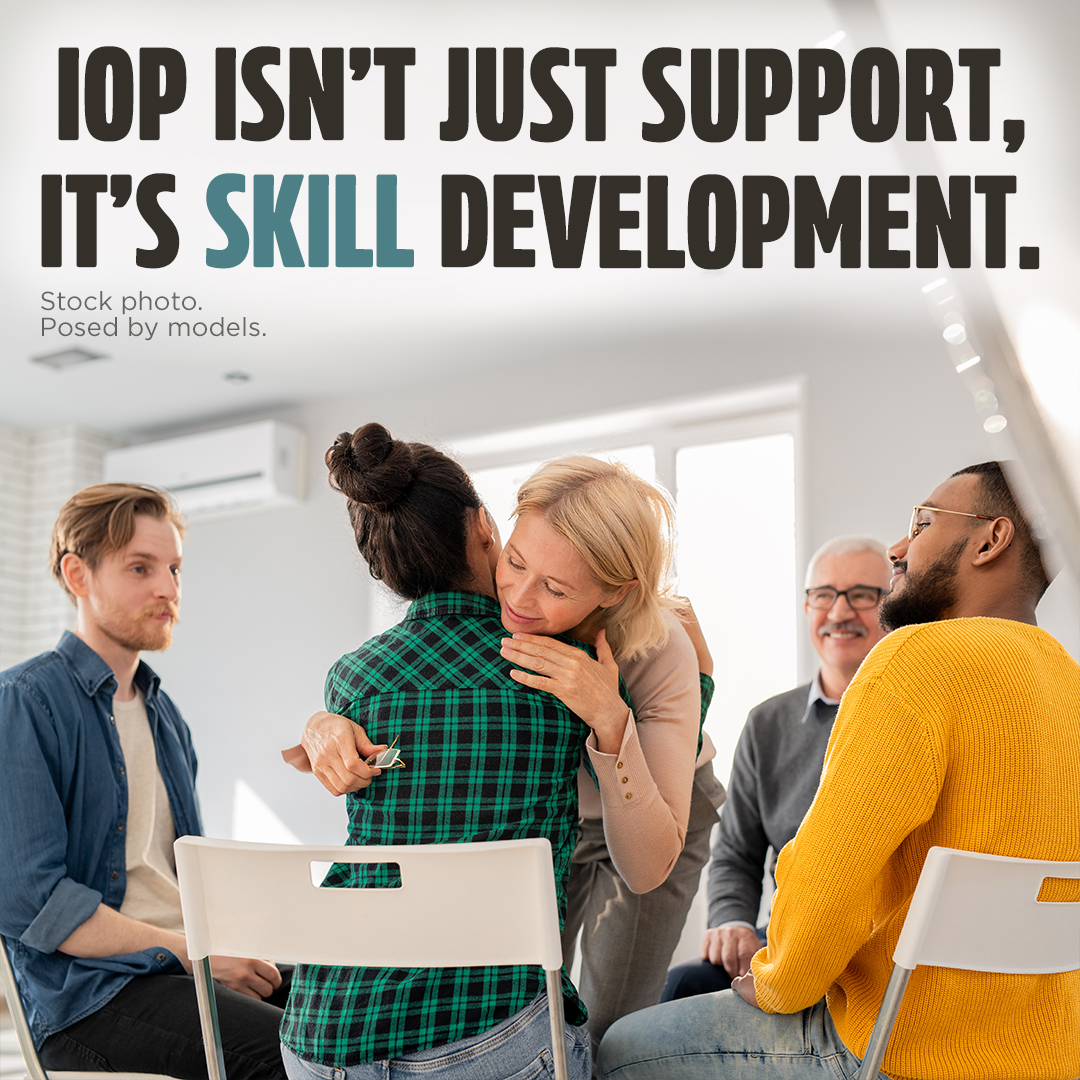
IOP isn’t just support, it’s skill development. Participants learn tools that carry beyond treatment and into daily life. It’s not just about feeling better, it’s about staying better.
Strong skills + supportive care = lasting resilience.
Healing doesn’t have to be lonely. One of the reasons IOP works so well is because it combines clinical support with peer connection- a healing trend that’s gaining more attention. You don’t have to heal in isolation. Connection is a part of recovery.
Not all care looks the same, and that’s okay. For many people, an Intensive Outpatient Program (IOP) bridges the gap between weekly therapy and full-time care.
More people are rejecting “hustle culture” and prioritizing well-being first, and that’s a healthy shift. Burnout, anxiety, and exhaustion aren’t badges of honor; they’re signals that support is needed.
As the seasons begin to shift, it’s a good time to check in with yourself; honestly and gently. How are you really doing right now? Pausing to notice your emotional state is an important step in caring for your mental health.
When spring arrives, there’s often an expectation to feel lighter, happier, or more motivated. But healing doesn’t follow the calendar. If you’re still feeling heavy, tired, or overwhelmed; that doesn’t mean you’re doing anything wrong.
As spring approaches, many people feel pressure to “get back on track” or handle things independently. But healing often requires more support, not more self-discipline. Reach out to learn more about how IOP services at Water’s Edge CHC can support your healing this season.
Spring can bring new challenges for those navigating eating disorder recovery, changes in clothing, routines, and body-focused conversations can feel triggering. You deserve compassion in every season.
Binge eating is far more common than many people realize, and it’s not about willpower or “good vs. bad” eating. It often hides in shame, secrecy, and self-blame, but the truth is this: binge eating is a learned response to discomfort, not a moral failing.
Dating and relationships can bring up challenges around self-image, vulnerability, and connection, especially for those navigating eating disorder recovery. Recovery and healthy relationships can coexist with the right support, openness, and care.
February often focuses on romantic love, but love also looks like care, patience, and compassion toward yourself.
This month, consider asking:
💜 How am I showing myself kindness?
💜 What support do I need right now?
Self-love isn’t selfish; it’s essential to healing.
IOP may be a good fit if you’re:
• Struggling but still at least minimally managing some daily responsibilities
• Needing more support than weekly therapy
• Looking for structure without residential care
Wondering what an Intensive Outpatient Program (IOP) really looks like?
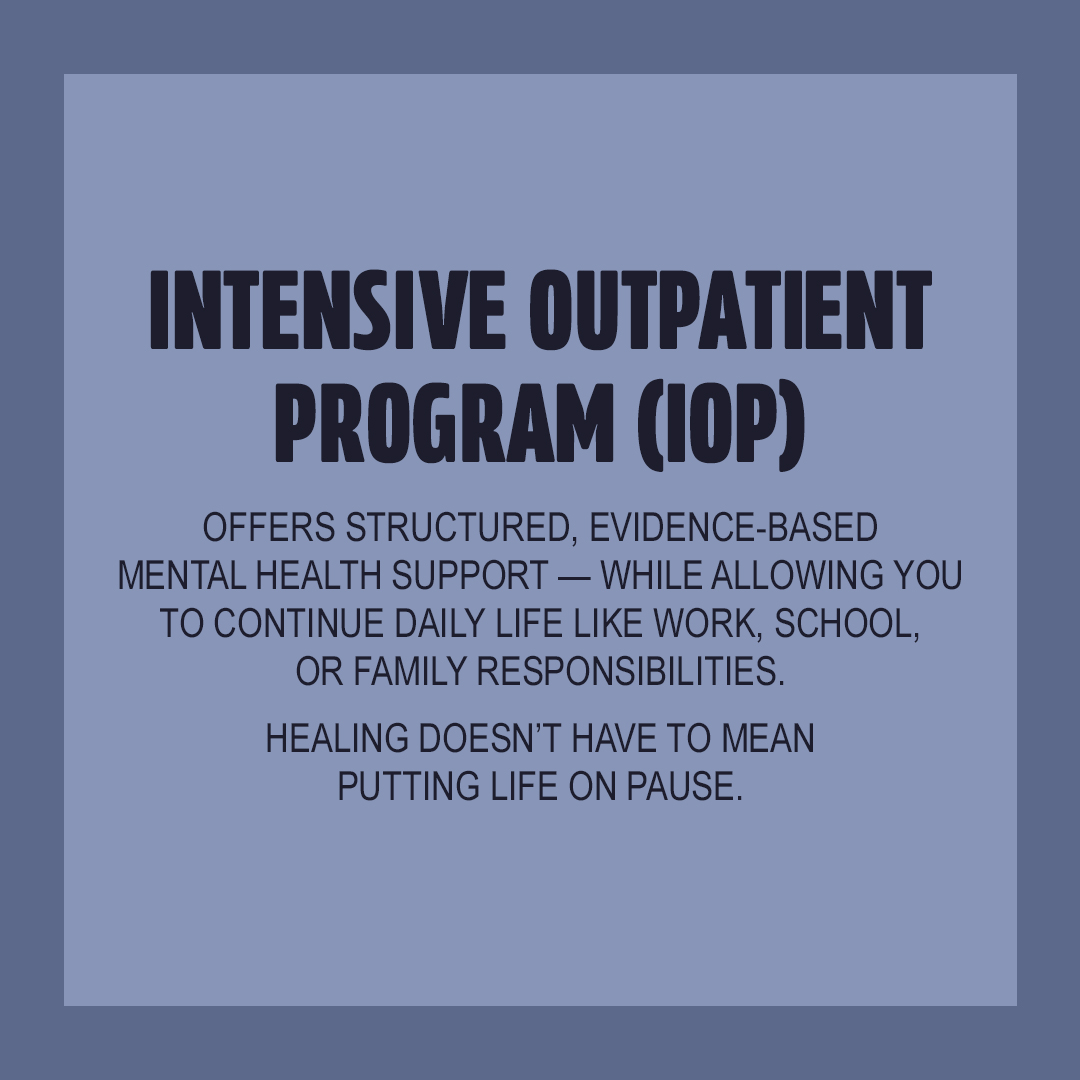
IOP offers structured, evidence-based mental health support, while allowing you to continue daily life like work, school, or family responsibilities.
Progress doesn’t have to be loud or visible to matter.
Some days, progress looks like:
• Getting out of bed
• Eating consistently
• Asking for help
• Resting without guilt
Every small step counts. We see you.
Alchemy isn’t just old magic or pseudoscience, it’s a rich symbolic system that mirrors the inner journey of transformation. Read more on the blog: https://t.co/jaKhxGENNG
Not everyone feels festive during the holidays, and that’s okay. You’re not alone, and your feelings are valid.
One way to find comfort is to make a list of people you care about and reach out to them, it can help you feel connected and supported.
Binge eating is more common than you think—and it’s not about willpower. It’s a coping strategy rooted in deeper emotional and biological layers. Let’s replace shame with understanding.
Read more on the blog: https://t.co/jevZNm72cp