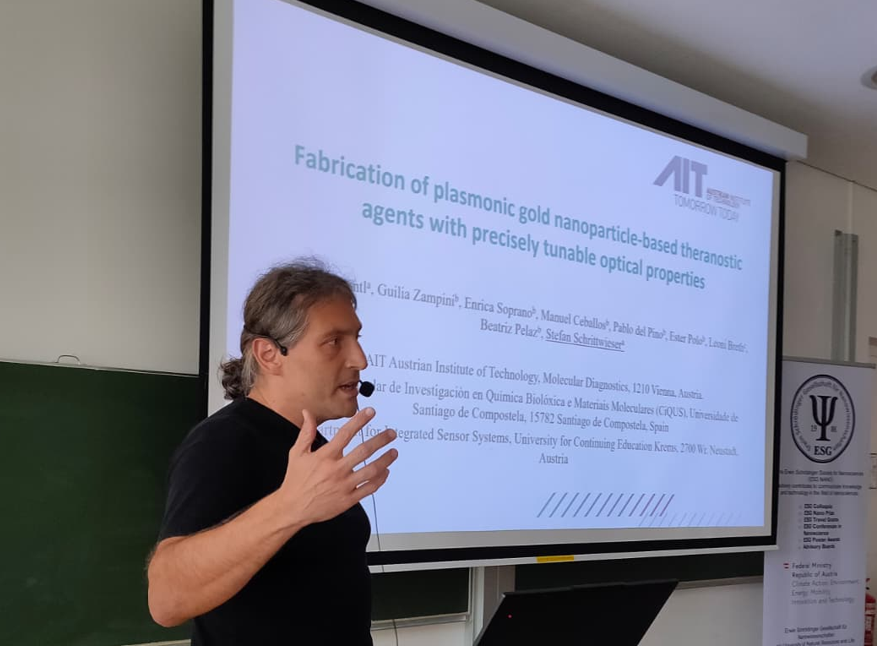
Our AIT partners Christian Derntl and Stefan Schrittwieser presented how the magnetic and optical properties of nanostructured materials can support innovative biosensing and theranostic applications.
#WATERsense#Nanoparticles#Biosensors
This work highlights the potential of magneto-optic properties in nanostructured materials. We are proud to see how Water Sense is represented at this scientific forum and to share our research with the nanoscience community.
Thank you @EUeic for featuring WaterSense on #WorldLakeDay!
We're proud to develop next-generation technologies combining nanotechnology, Raman spectroscopy and machine learning to enable real-time water pollutant monitoring and help protect freshwater ecosystems.
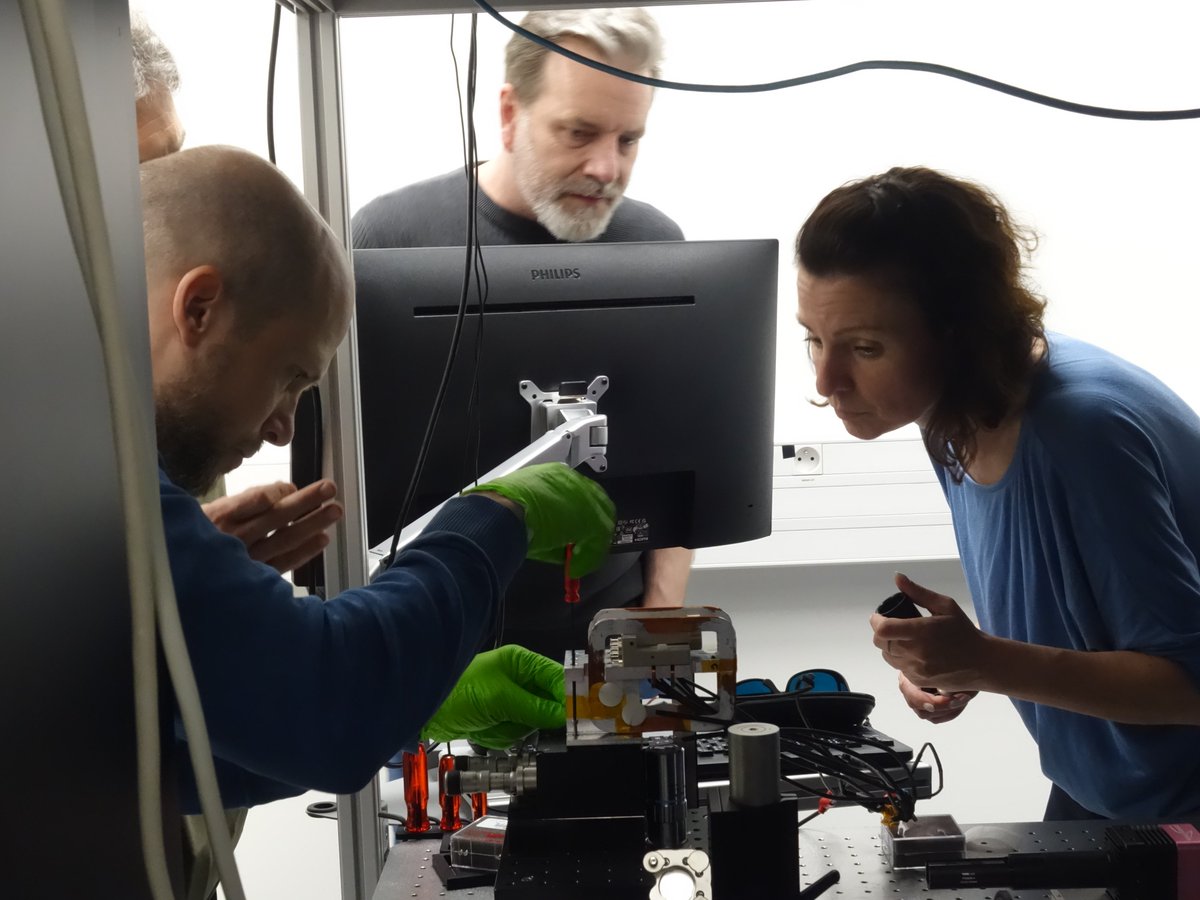
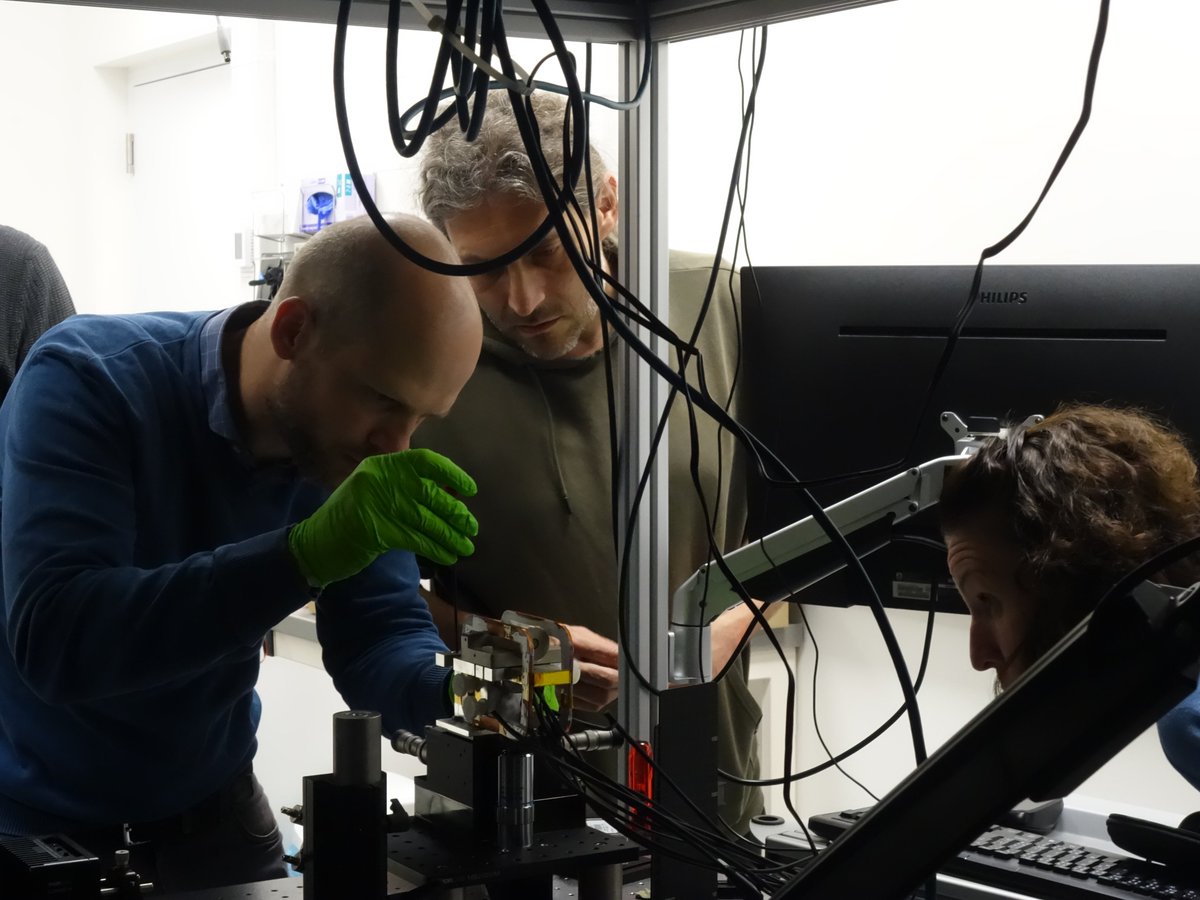
During the recent project meeting hosted by Barbora Špačková, Nicholas Scott and Jakub Dostálek at FZU. Stefan Schrittwieser and Christian Derntl (AIT) kicked off integration of the WATERsense device.
By merging these complementary approaches, WaterSense aims to enable highly sensitive, selective, and on-site detection of water contaminants, paving the way for smarter environmental monitoring solutions.
WATERSense aims to build a better future by targeting water pollution. The compromise and passion of the coordinator @martaestrader with the future generations is seen as she explains to this young class the importance of managing contaminants and the vision behind the project.
This May 11th took place the first meeting in person of the WATERSense project after the Kick-Off.
For more information, check the webpage of the project:
https://t.co/119QtSFqJX
And stay tuned for more news!
#WaterSense
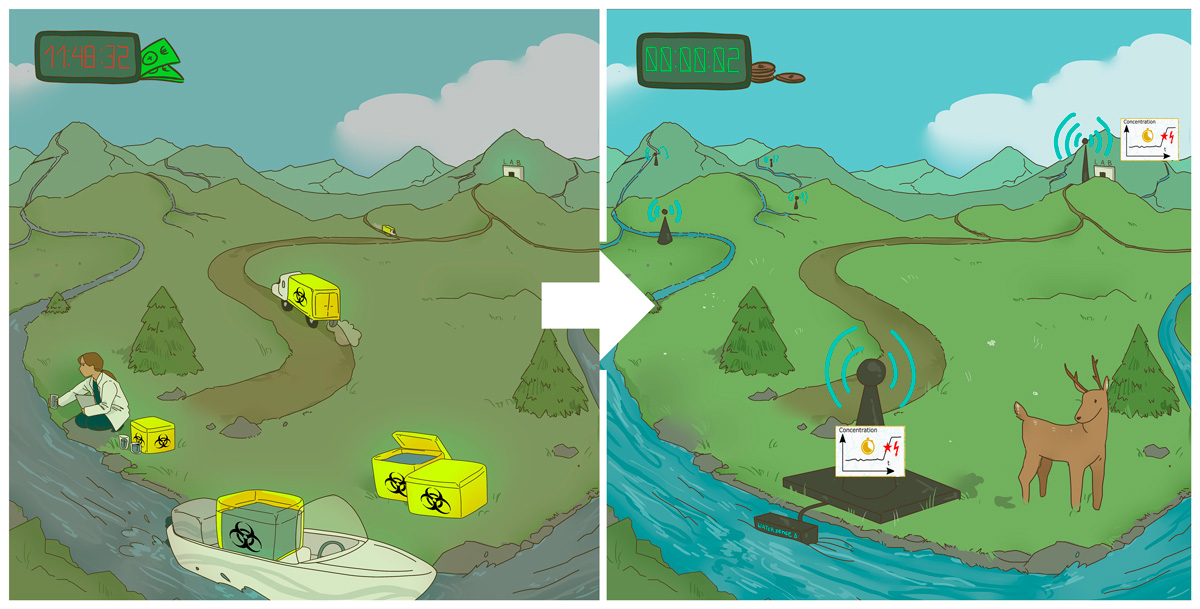
Clean water is essential and monitoring it should be smarter, faster, and more sustainable. That’s the ambition behind WATERsense.
The consortium brings together 6 partners across nanomaterials, nanooptics, hydrology, and spectroscopy to build a real-time water pollutant sensor
The consortium includes @UniBarcelona , @cinbio_uvigo , Institute of Physics of the Czech Academy of Sciences, Institute of Hydrology of the Czech Academy of Sciences, Austrian Institute of Technology, and @lightnovo.
Clean water is essential for life, yet contamination remains a silent and persistent threat. Our approach harnesses magneto-optical nanosensors integrated with advanced fluidic systems to identify pollutants remotely and in real time. Stay tuned for more info on the project.