This kid has never played basketball. He does do track tho. Freak athlete walking the halls of Sandy Creek. We just submitted his video to GHSA for the slam-dunk comp. Roughly 6 foot. Tell your athletes don’t even bother if they don’t have bunnies like this. Sun White is coming !
Yep he died two months after being fired for covering up decades of sexual abuse of young boys by his longtime pedo defensive coordinator
And a few years before that he shit his pants on the sidelines
What a legacy
He was seventeen years old when the state decided he was disposable.
And what happened next revealed how easily America erased Black childhood when power felt threatened.
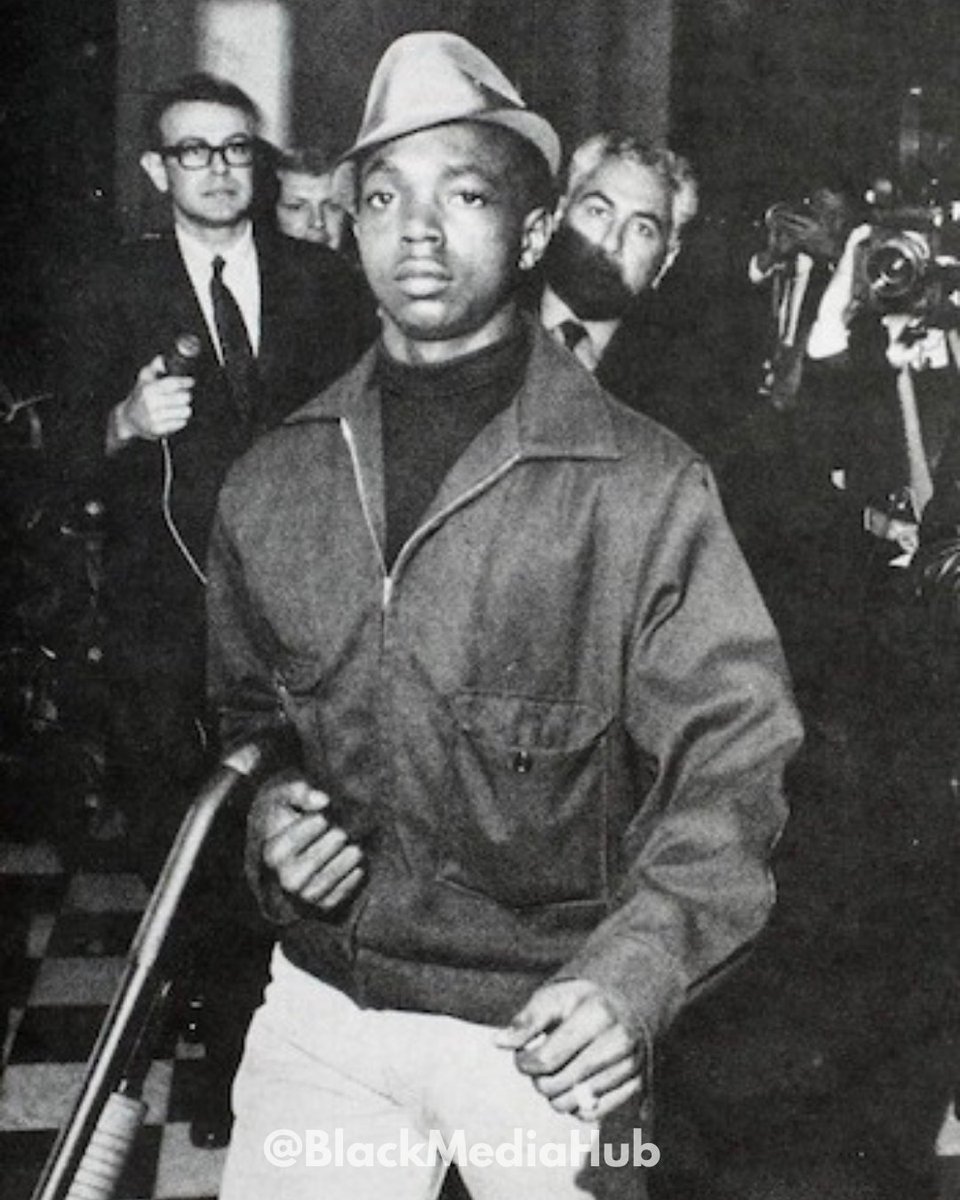
In 1968, Bobby James Hutton was still a teenager. He was a high school student from Oakland, California, known within his community as quiet, serious, and thoughtful. Yet history would come to know him primarily through the circumstances of his death, often stripped of the most important fact of all: he was a child. Bobby Hutton was the youngest founding member of the Black Panther Party, and among the Panthers he was affectionately called “Lil’ Bobby,” a name that reflected both his age and the care others felt toward him.
Bobby joined the Panthers not because he sought violence, but because he believed in dignity, protection, and community responsibility. The Black Panther Party was not only about protest. It organized free breakfast programs for children, monitored police behavior, and insisted that Black people deserved safety in their own neighborhoods. For many young people like Bobby, the Panthers represented structure, purpose, and a refusal to accept abuse as normal. At seventeen, he believed that standing up for his community mattered.
On April 6, 1968, just two days after the assassination of Dr. Martin Luther King Jr., Oakland was tense and heavily policed. That night, police surrounded a Panther residence where Bobby Hutton and Eldridge Cleaver were inside. Officers fired hundreds of rounds into the building and deployed tear gas, forcing those inside to retreat into a basement. The gas made breathing difficult, visibility nearly impossible, and the heat from the damage caused parts of the space to burn. For more than an hour, the situation escalated without restraint.
Eventually, the shooting paused. And then Bobby Hutton did what he believed would protect his life. He removed his shirt, raised his hands, and walked out of the building to demonstrate clearly that he was unarmed. Witness accounts consistently state that he complied fully. He did not fire a weapon. He did not threaten officers. He surrendered.
Moments later, police opened fire.
Bobby Hutton was killed at the scene. He was seventeen years old.
His death was not followed by accountability. No officer was convicted. The narrative quickly shifted away from the circumstances of the shooting and toward criminalizing the Black Panther Party itself, a familiar pattern in American history where state violence against Black youth is reframed as justified force. Over time, Bobby’s age was often minimized or omitted, as if adulthood could be retroactively assigned to make his death easier to accept.
But age matters.
It matters because Bobby was legally a minor. It matters because his decision to surrender should have guaranteed safety. It matters because Black children have long been denied the protections routinely extended to others. Bobby Hutton’s death exposed a truth that still echoes today: Black youth are often treated as threats before they are treated as human beings.
Bobby did not live long enough to graduate, to choose a career, to grow into the man he might have become. His life was cut short not in a moment of chaos, but in a moment of compliance. That fact alone forces an uncomfortable reckoning with how power operates when fear overrides justice.
Remembering Bobby Hutton is not about glorifying conflict or reducing his life to tragedy. It is about telling the truth fully. He was not just a Panther. He was not just a headline. He was a seventeen-year-old who believed his life had value, who believed surrender meant safety, and who deserved the chance to grow up.
Black history demands that we remember him as he was. A child. A believer in community. And a life taken far too soon.
Bobby James Hutton, 1950–1968.
The first Black Panther killed by police.
A teenager whose age must never be erased.
In these times of struggle. Cant forget those who are still locked up from past rebellions against the US & their white supremacist forces.Heres 2.
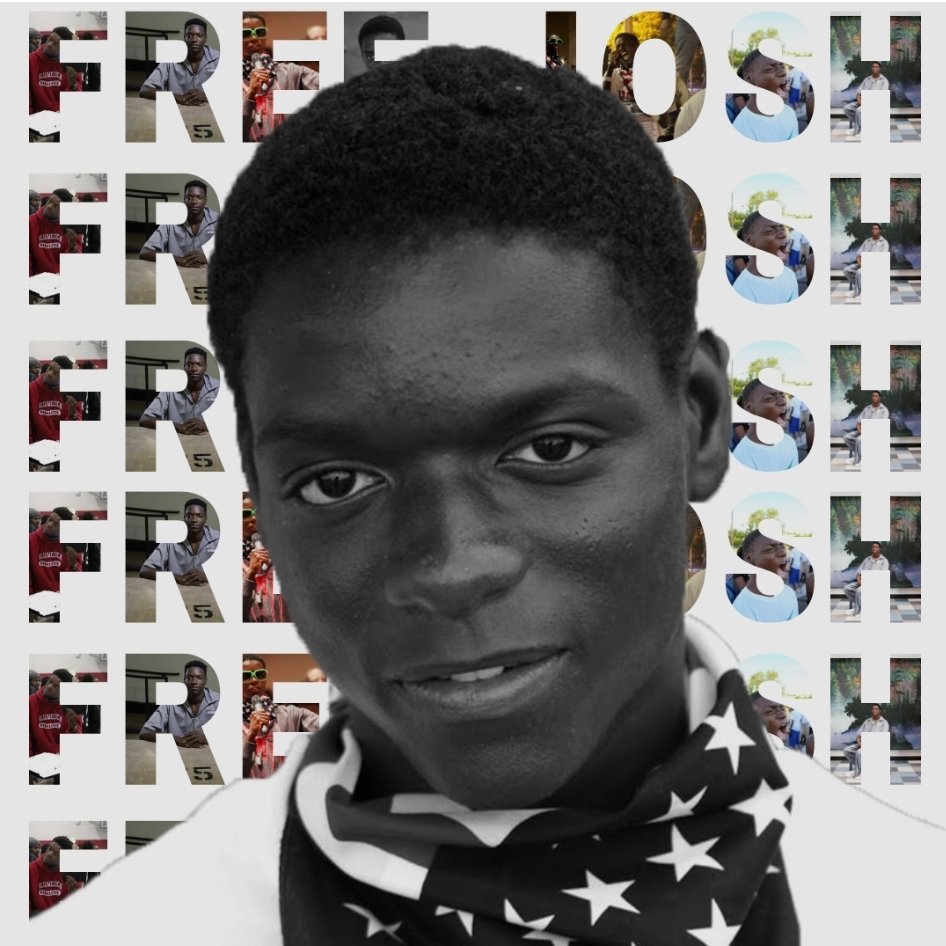
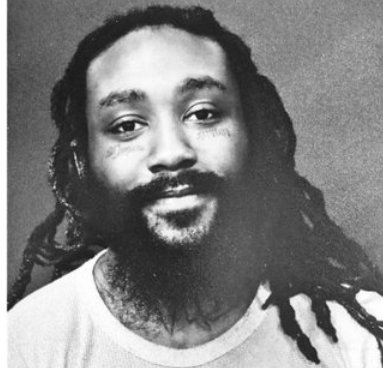
Ferguson uprising was 12 yrs ago & Josh Williams is still locked up.And Malik Muhammad is locked up from the George Floyd Uprising..
FBI headquarters is named after J. Edgar Hoover, who used State power to destroy MLK’s reputation, undermine his movement, and encourage him to kill himself. If you value “fairness and justice,” denounce Hoover’s legacy, rename the building, and exonerate everyone you railroaded.