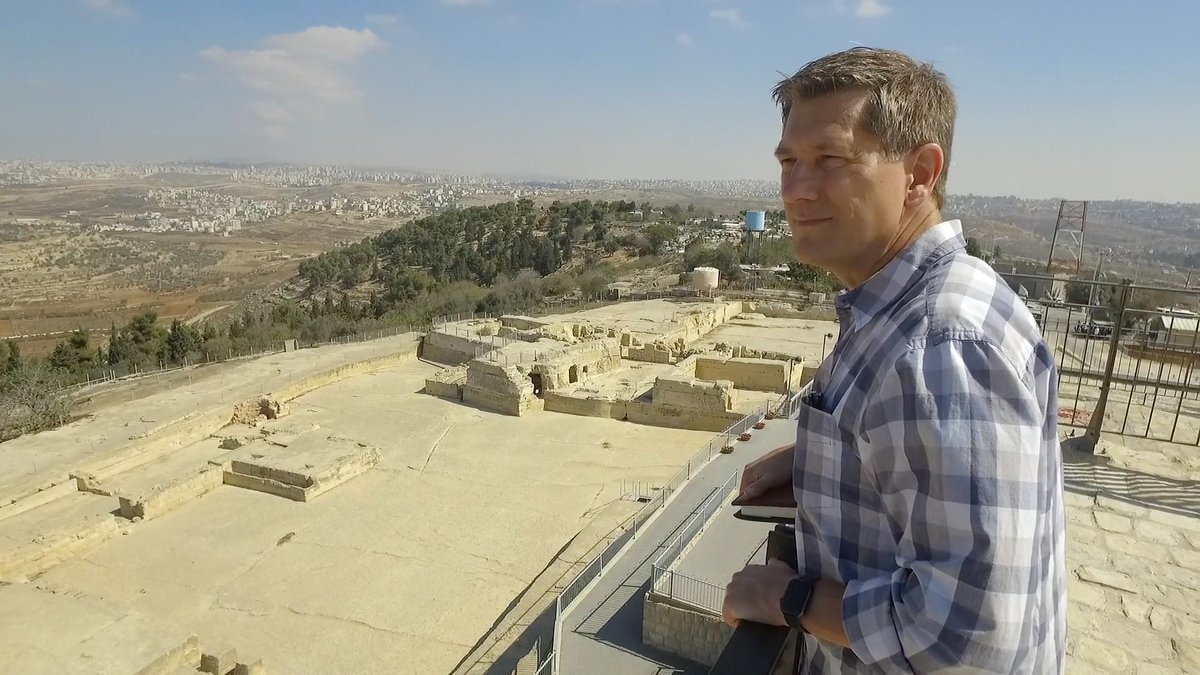
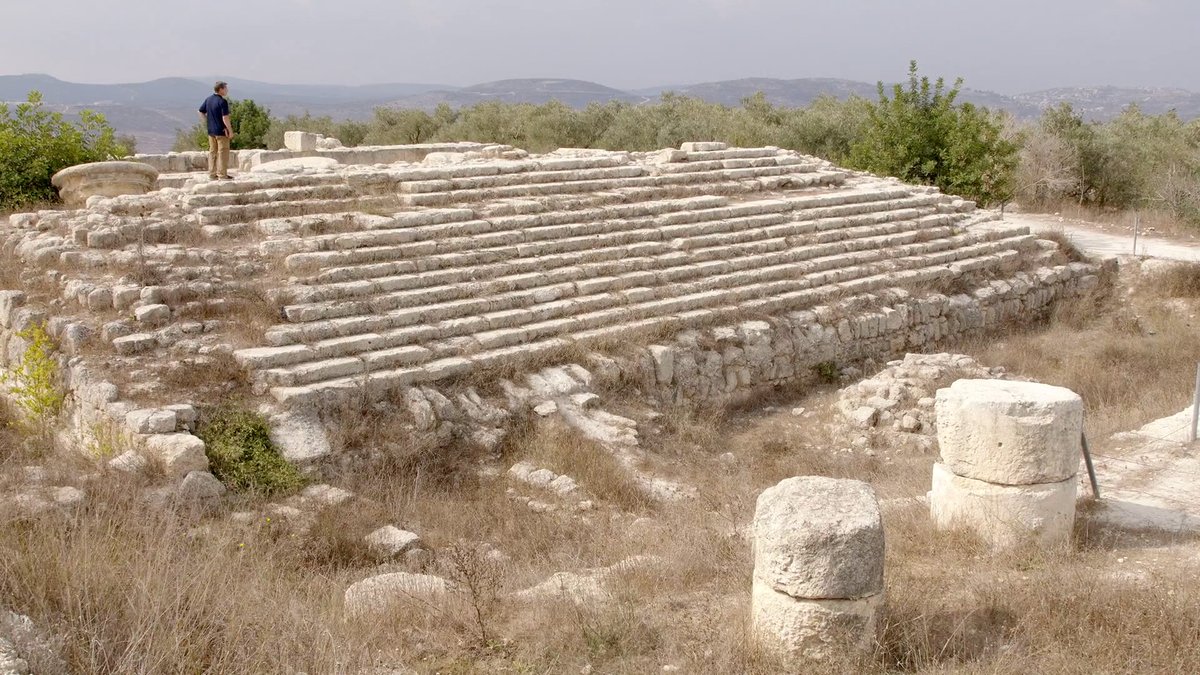
In the thick of our anxieties, we need to see the big picture. David kept calm by quoting God's survey of the lands: "I will portion out Shechem [pictured] and measure out the valley of Succoth" (Ps. 108:7). David remembered it ALL belongs to God who remains in complete control.
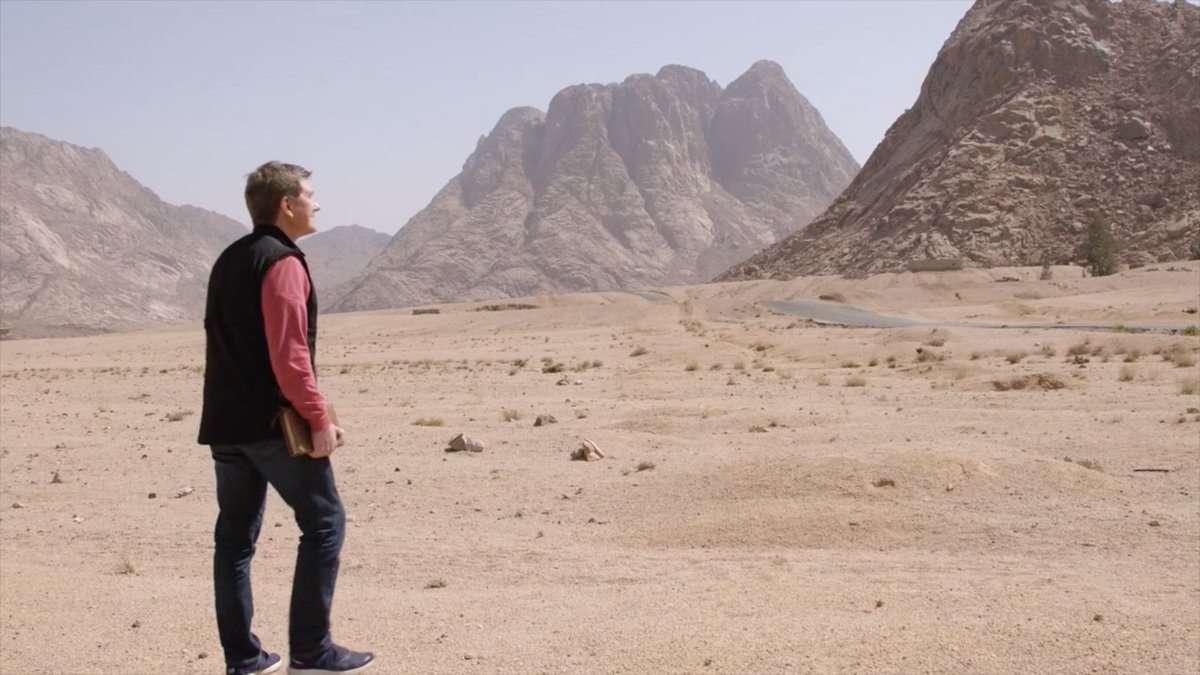
Moses delayed to come down from Sinai (pictured), so His people made a golden calf (Ex. 32:1). God's work in our lives isn't always rapid-fire Red Sea partings. Sometimes we sit below Sinai and #wait. In those seasons, don't allow the delay to sidetrack your devotion to your God.
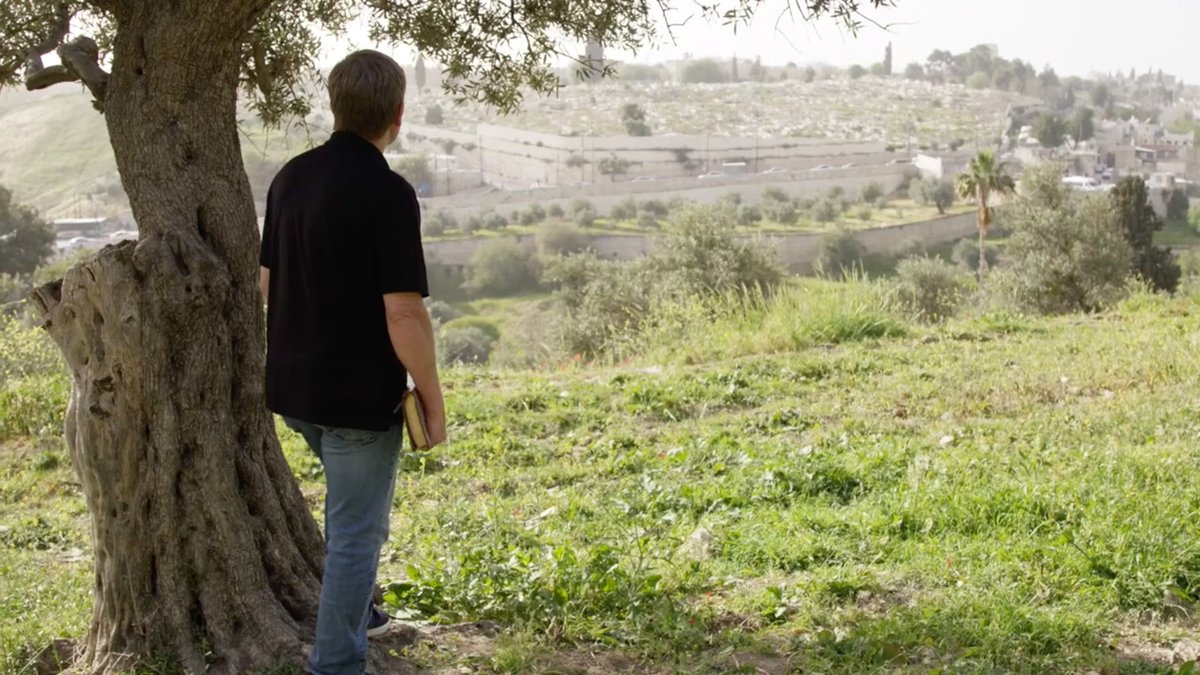
Jesus' prayer of surrender in Gethsemane (pictured) was echoed in the moment of His death on the cross, ending a life of obedience and surrender to the Father. Christ could willingly lay down His life, because He knew He would also rise again. His motivation is also our model.
God's promise of hope points to Christ's coming kingdom, when even the death of children will find vindication. In Jeremiah's day, the territory of Benjamin (pictured) wept for the children who went into exile. But God used the tears to point to hope (Jer. 31:15-17; Matt. 2:15).
God's New Covenant promises to restore Jerusalem—including its infamous Hinnom Valley (pictured). The restoration reflects a repentant Israel who knows the Lord through His provision of grace: "I will forgive their iniquity, and their sin I will remember no more" (Jer. 31:34-40).
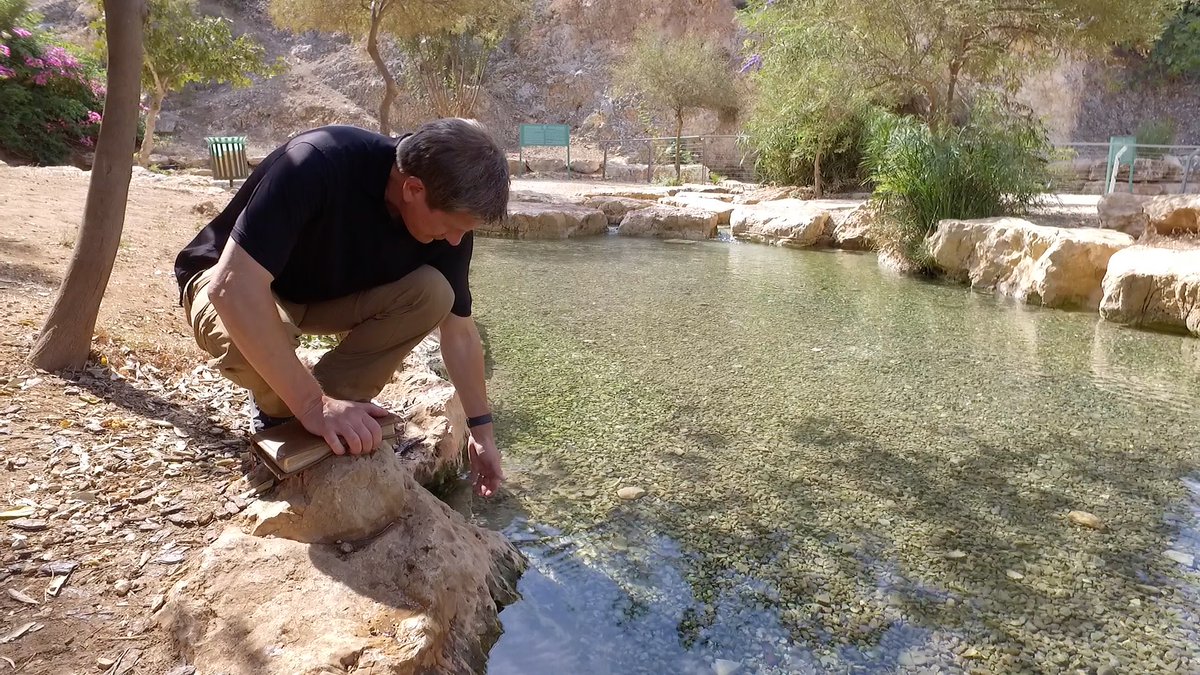
Your influence matters. The Spring of Harod (pictured) has flowed in Israel for millennia and reminds us: "Like a trampled spring and a polluted well is a righteous man who gives way before the wicked" (Prov. 25:26). Never give way! Many people rely on you to walk with God today.
In ancient Israel, a city wall served as its protection. The same is true of us: "Like a city that is broken into and without walls is a man who has no control over his spirit" (Prov. 25:28). Our choosing patience when provoked gives us a powerful defense in the battles of life.
God's deliverance of His people from Egypt and His gracious provision along the way served as motivation "that they might keep His statutes" (Ps. 105:45). God's plan to give them the land included shaping their character to live there. Our journey with God has the same goal.
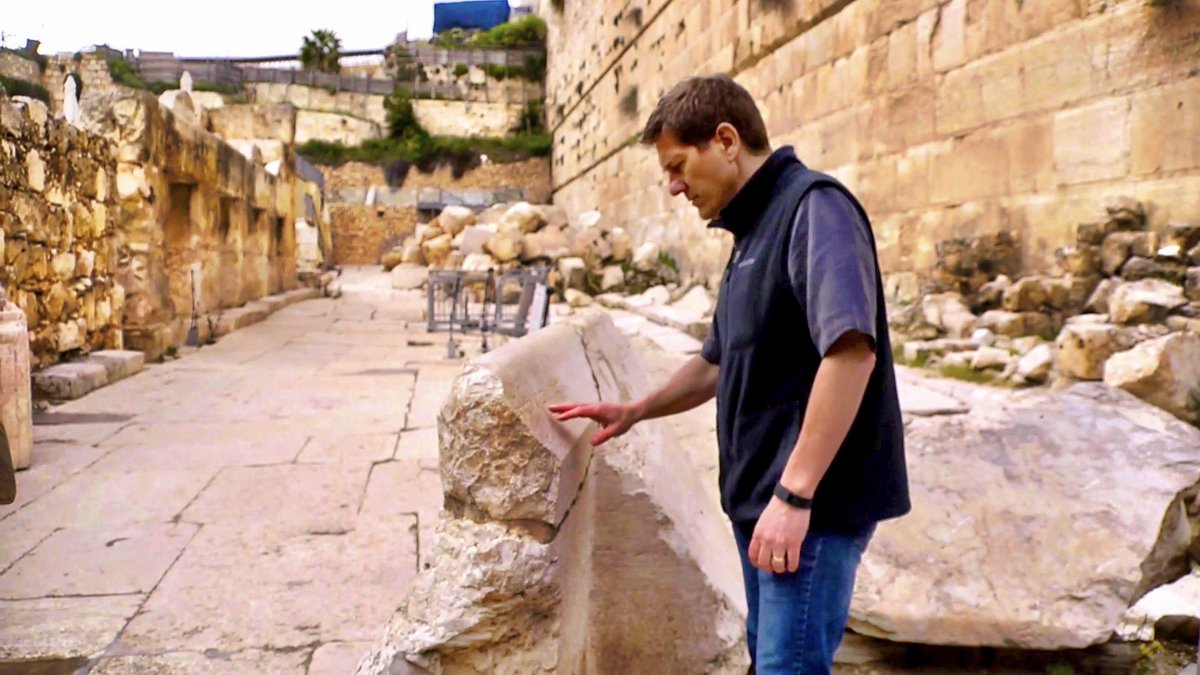
The stones from Jerusalem's destroyed Temple still lay where they fell. The destruction forced a hard stop to sacrifices, and it urges us to rest in the final sacrifice God has promised in the prophets and provided in His Son: "Their sins... I will remember no more" (Jer. 31:34).
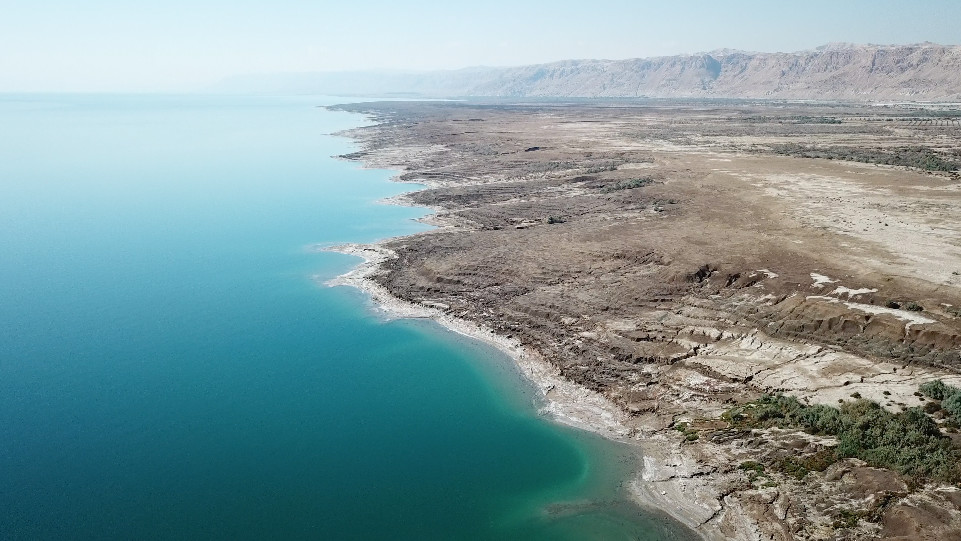
God describes a person who trusts in people as "cursed," and pictured them as a "land of salt" like the nearby Dead Sea (Jer. 17:5-7). Trusting God alone frees us to love people rather than need them. A great question for today: "Do I really believe I can trust God with my life?"
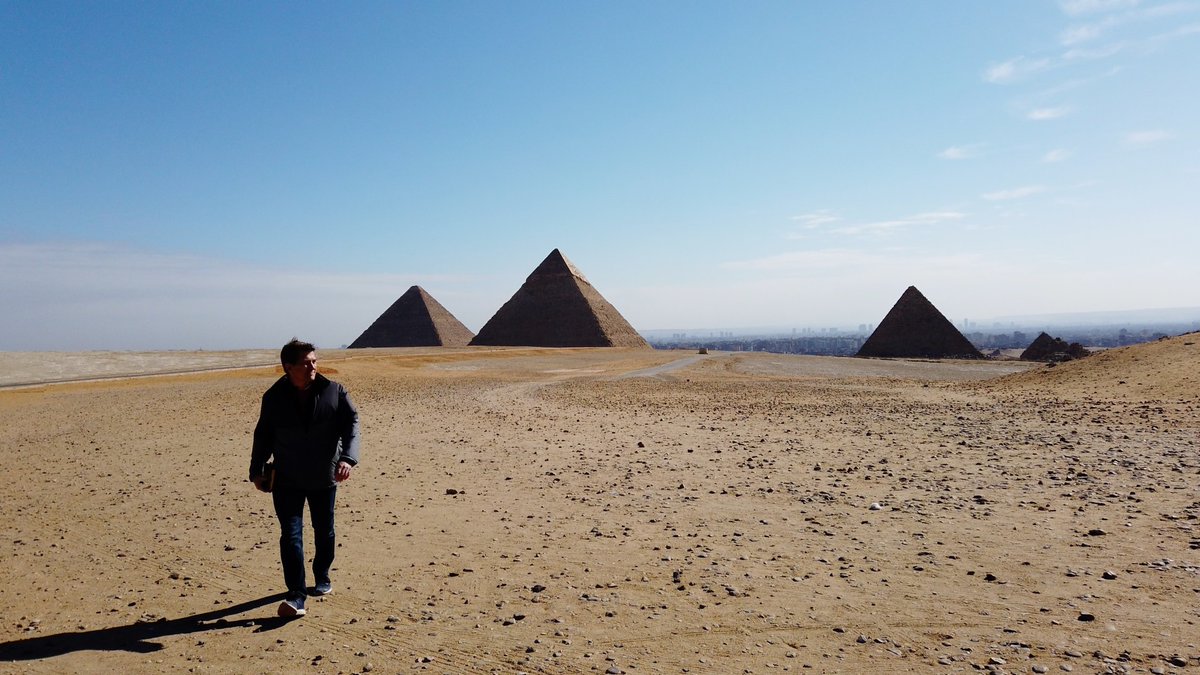
After Jeremiah said God refused to let His people run to Egypt, they went anyway, settling in "the land of Pathros" (Jer. 44:1) along the Nile. When God's Word contradicts what we have determined to do anyway, truth—which protects us from a future we can't see—becomes useless.
The Apostle Paul's martyrdom occurred outside #Rome at what today is a beautiful place. Paul wrote: "The time of my departure has come. I have fought the good fight, I have finished the course, I have kept the faith" (2 Tim. 4:6–7). The legacy we leave at the end is what matters.
The Book of Hebrews points us to the wilderness where God's people failed to enter the Promised Land (Heb. 3:8). The unbelief of a few discouraged a nation. The wilderness hasn't changed, and neither has its lesson for us. We need to encourage each other to trust God—every day.
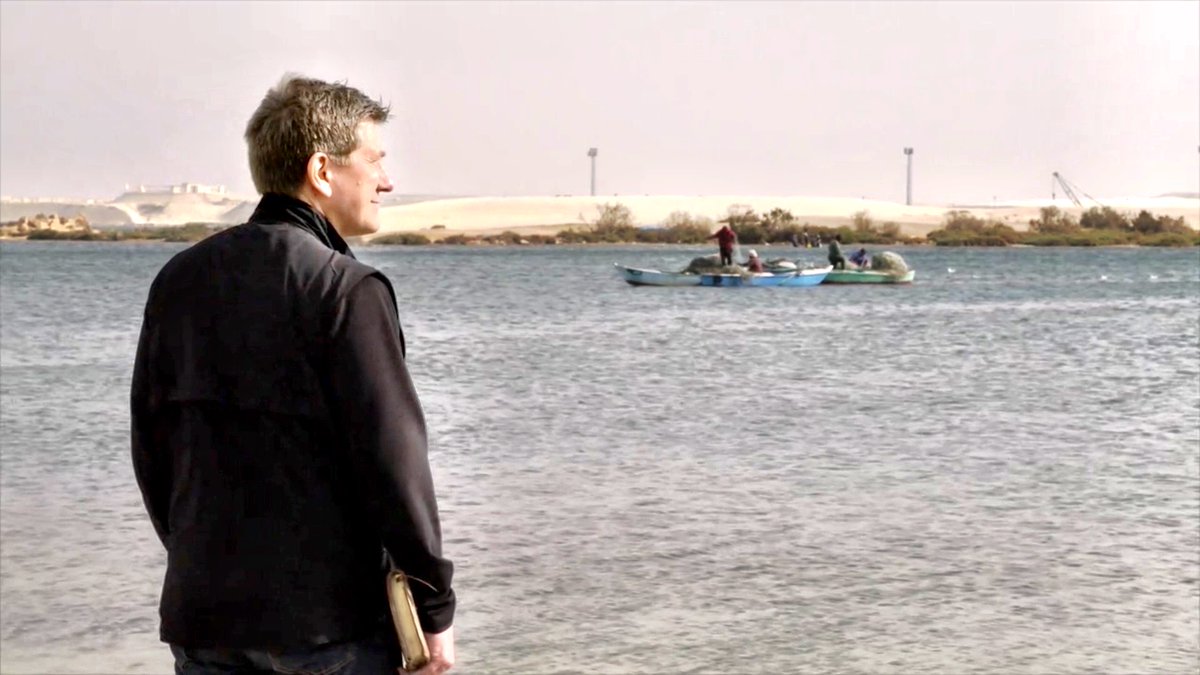
As when the Hebrews faced the Red Sea (pictured), so God's mercy shows up in our impossible situations and delivers us that we will respond as they did: "Then they believed His words; they sang His praise" (Ps. 106:12). As you face the Red Sea today, remember God's faithful past.
Archaeology weaves a unified story with Scripture. In 1935 at Tel Lachish (pictured), an inscribed pottery shard was found with a draft letter to Jerusalem—written during the Babylonian invasion. It said only the cities of Lachish and Azekah remained. Jeremiah 34:7 says the same.
The influence of a leader who governs with biblical wisdom offers a nation longevity (Prov. 28:2). But national sins produce a constant turnover in bad leaders, as occurred in Samaria (pictured). Such a principle is timeless and challenges all precedent, policy, and partisanship.
Everyone will confess it one day. The unbeliever as well as the believer in God, "will know that I am the LORD" (Ezek. 28:22, 26). The key difference? God's people will know Him as the "LORD their God." Better to bow the knee before Christ today than to have it bent tomorrow.
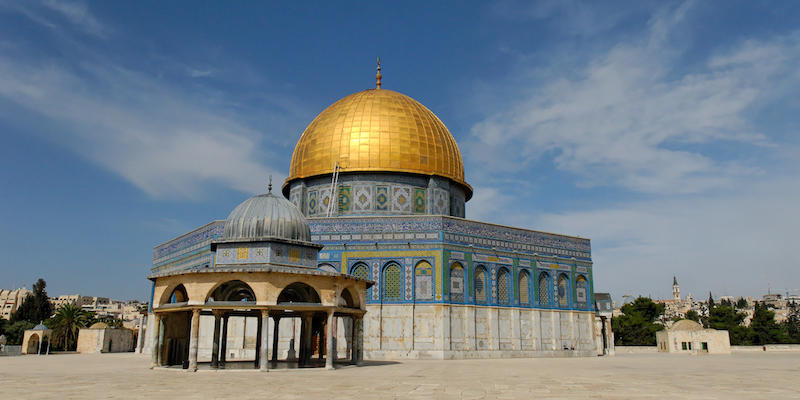
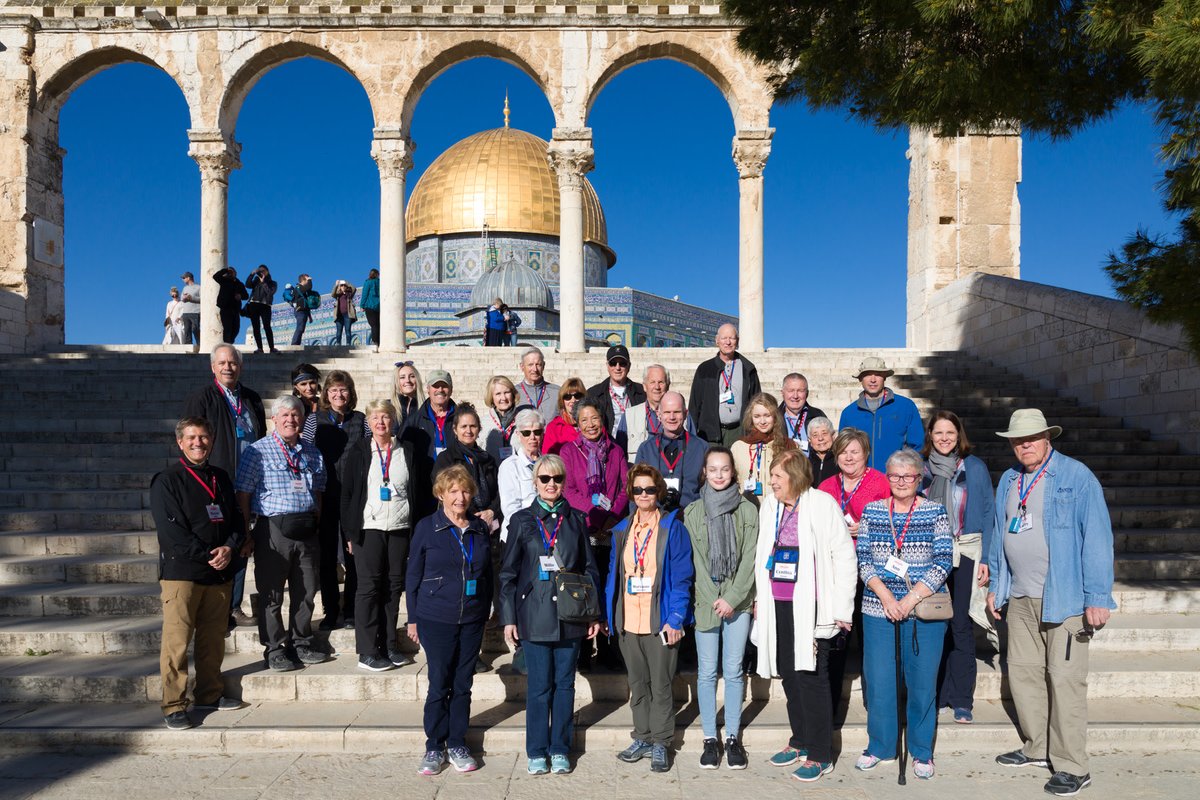
Visiting Jerusalem's Temple Mount today still represents walking in sacred space, and not because of the golden shrine. We remember the One in whom we trust, the Lord Jesus, walked here—and will again someday.
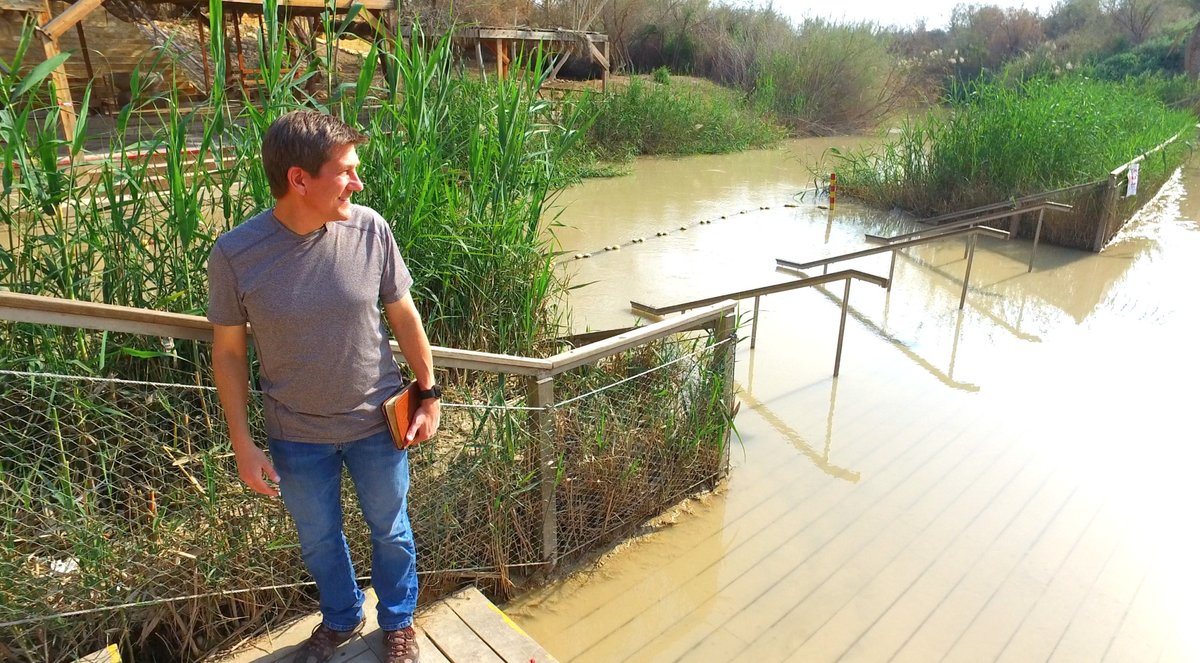
Memories do their best work in urging us to gratitude. Psalm 114 celebrates when "the Jordan turned back" (Ps. 114:3). We also need a Jordan River, a place—or memory—that triggers a response of gratitude. Jesus' command to partake "in remembrance of Me" reminds us to do the same.



![WayneStiles's tweet photo. In the thick of our anxieties, we need to see the big picture. David kept calm by quoting God's survey of the lands: "I will portion out Shechem [pictured] and measure out the valley of Succoth" (Ps. 108:7). David remembered it ALL belongs to God who remains in complete control. https://t.co/4rXvuwWqtq](https://pbs.twimg.com/media/G3Ku6i9W0AAKkYY.jpg)