One important detail: the screen input was captured externally (camera-based), not via framebuffer APIs.
That made execution reliability much more interesting.
Late 2024, while building Food Camera, we built a voice-to-execution system that could operate a real computer.
The system observed the screen externally (camera-based) and executed actions through standard UI interaction on the host machine.
Sharing a clip below.
@lijiali_vision@LiveX_ai@googlecloud@nvidia Big thanks to @lijiali_vision for your amazing service and tech! Excited to have more AI tech partners to bring even greater innovation to smart wearables—smartwatches, smart rings, and even new consumer AI hardware very soon, serving tens of millions of Amazfit users worldwide.
Some big apps, like music providers, suffer under the dominance of ecosystem giants. Yet, they are unwilling to invest even minimal resources to help smaller independent device brands integrate music features. This weakens the community, including themselves.
These tech giants lock users into their ecosystems, creating a consumer trap. Switching from a Samsung phone to an iPhone makes your Samsung watch and ring unusable, and vice versa for the Apple Watch. Fortunately, some independent brands work to support both iPhone and Android.
These tech giants lock users into their ecosystems, creating a consumer trap. Switching from a Samsung phone to an iPhone makes your Samsung watch and ring unusable, and vice versa for the Apple Watch. Fortunately, some independent brands work to support both iPhone and Android.
There's a lot of wrong information going around about the Samsung Galaxy Ring compatibility. So let's clarify:
1. Yes, it doesn't work with iPhone. Womp. Womp.
2. I confirmed (link below) that the Galaxy Ring works with any Android smartphone, so long as they run Android 11+ and you have Samsung Health 6.7 installed https://t.co/SmWADrtxHx
BUT...
3. Re-confirming what @LisaEadicicco also wrote: Certain Health AI features like the Energy Score for tracking average sleep time and heart rate variability do not work on non-Samsung Android phones https://t.co/bIfs15VKDn
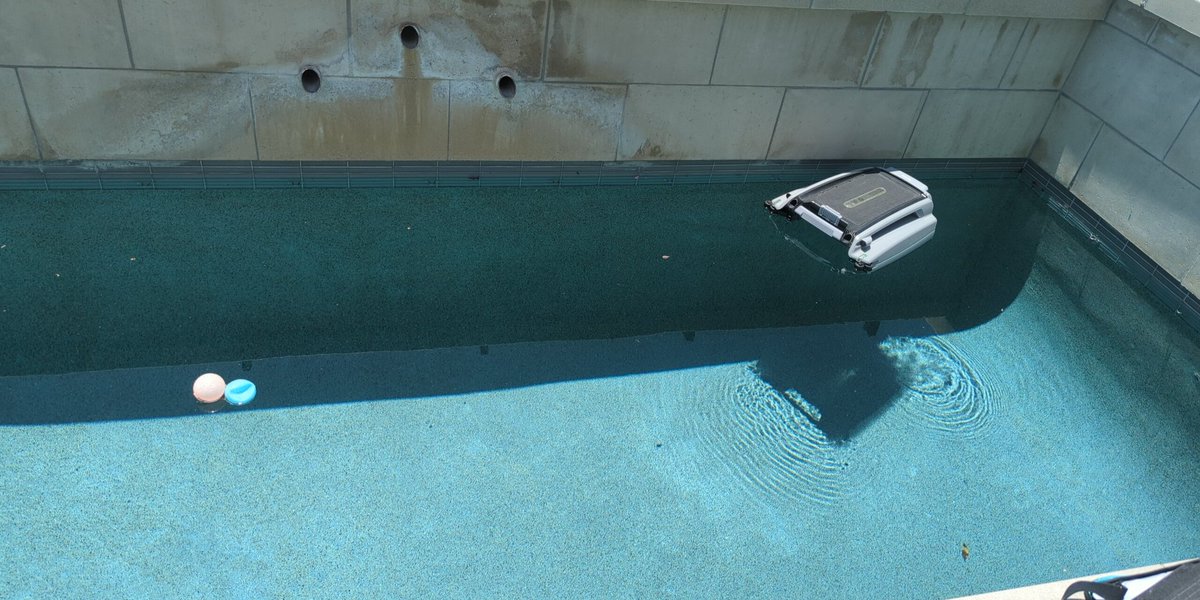
There are solar-powered pool cleaners for cleaning debris from swimming pools. Since I bought mine, I’ve never had to charge it. Could we build a massive solar-powered, AI-driven device that roams the ocean to collect marine debris?
A new form factor should prioritize privacy. Human needs have never changed: people want to communicate happily with friends and family, share important moments, handle work efficiently, and live healthily. Apple has nailed this, but it can be even better.
Apple's vast assets are both a strength and a burden. The development and product teams are stuck supporting all these various-sized screens. Now is the time to create a new form factor.
People have forgotten the original purpose of designing specific hardware forms. Constrained by its vast assets, Google is stuck with smartphones, leading to slower resource allocation and responsiveness.
After using these AI devices, it's shocking one of them comes from a former major consumer electronics team. Worse than that team making mere teenagers’ toys. Their misguided focus on 'revolutionary' design will quickly lead to their oblivion in the consumer market.
We've inherited the legacy and innovations of wearable pioneers FJP, harnessing their knowledge to challenge today's tech giants. As we step into the next era, we're poised to win, honoring their past and ensuring a victorious future that builds on their discoveries and expertise
In the AI hardware space, success depends on deeply defining user scenarios and understanding consumer needs, complemented by crucial hardware production experience.
After the recent launch of the first AI-driven device, we are entering a new era of hardware. What categories and characteristics will define the success of this generation of AI devices? What lessons from the past decade's industry developments can we carry forward?
Product definition and trade-offs are important as great ideas. Deep insight into human nature, strong engineering understanding in hardware, embedded system, algorithm, and cloud, is essential to know what's necessary, what's possible, what's risky in such a complex product
Humane's journey is similar to Jawbone's. Both had great ideas and good funding, but struggled to deliver practical devices. Only those who have figured out supply chain, global sales, and competing against smartphone giants, while still growing steadily, can seize this chance
Aiming to replace smartphones misses the mark. Even laptops serve its unique role. Bringing new value and innovation, instead of trying to do too much all at once. The first iPhone set a high bar by ensuring a flawless experience for checking emails and playing music.
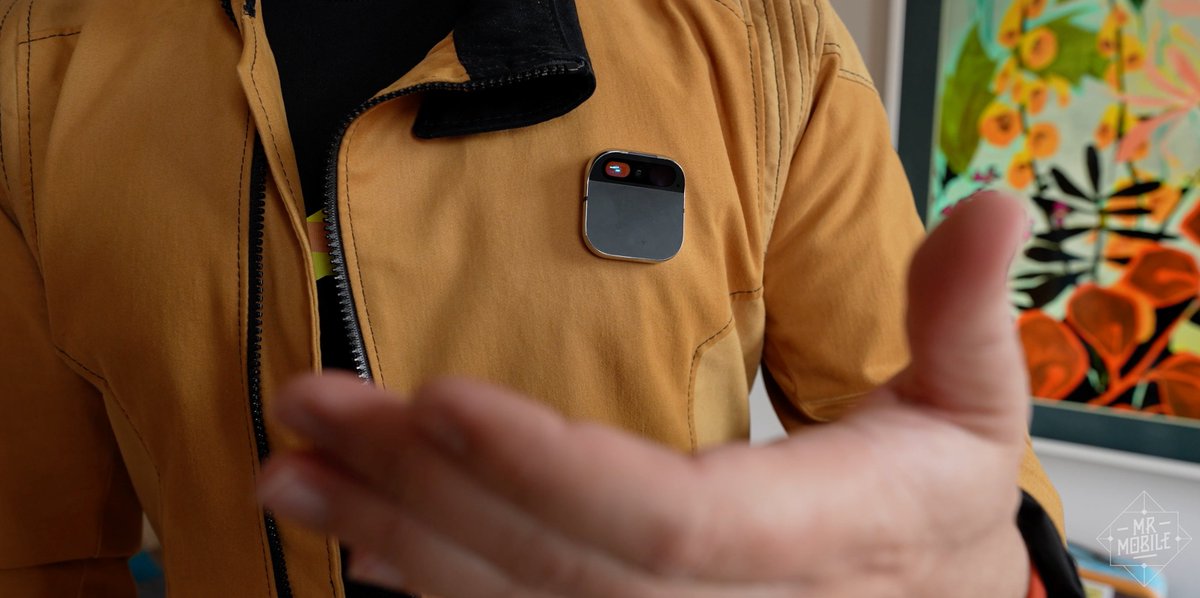
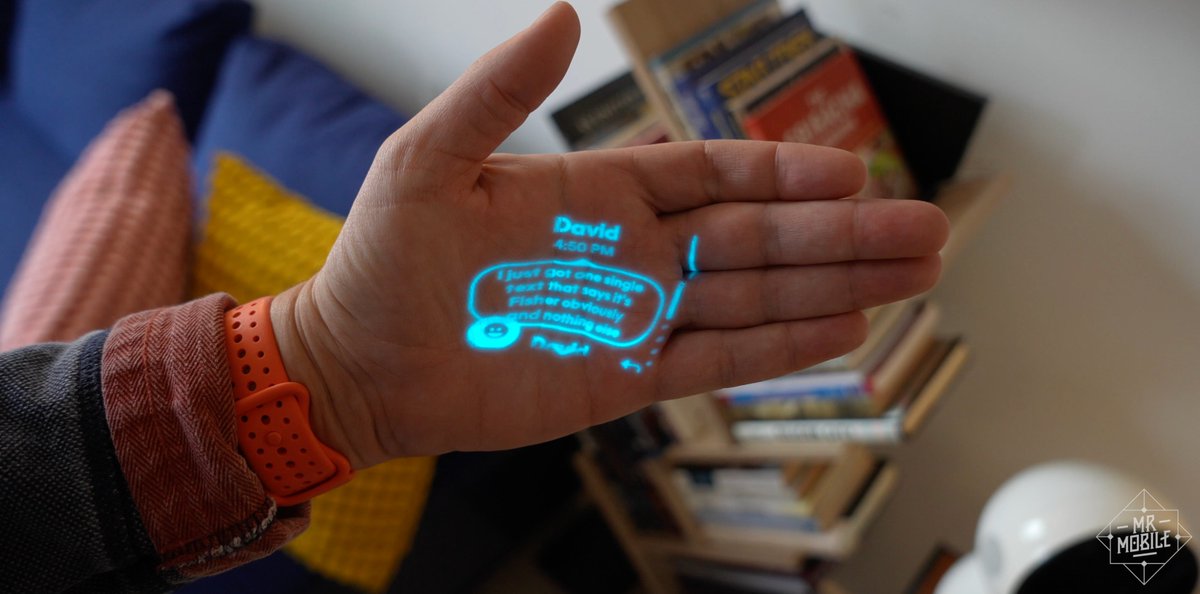
The Humane Ai Pin is a mobile phone meant to save us from our phones, a wearable computer built to keep us in touch without putting a screen between us and the world. It’s a bold idea with a solid mission (plus, LASERS! 😄)
But it also arrives as skepticism toward AI is building, tolerance for subscription-based gadgets is dropping – and more importantly? It just doesn’t do enough yet.
My review after 10 days wearing this modern combadge:
https://t.co/FkrkodoF2J
Discover Amazfit Balance: Ultra-thin elegance meets week-long battery life. Life's too short for bulky watches and daily charges. Empowered by GPT4, instantly respond to friends' messages directly from your wrist—just say the word.
From playing music, to organizing your day, and a whole lot more, Zepp Flow™ connects you and your #Amazfit#smartwatch like never before 🗣⌚ With an operating system fully-integrated with #AI, just interact naturally and see what it can do. #ZeppOS 3.5
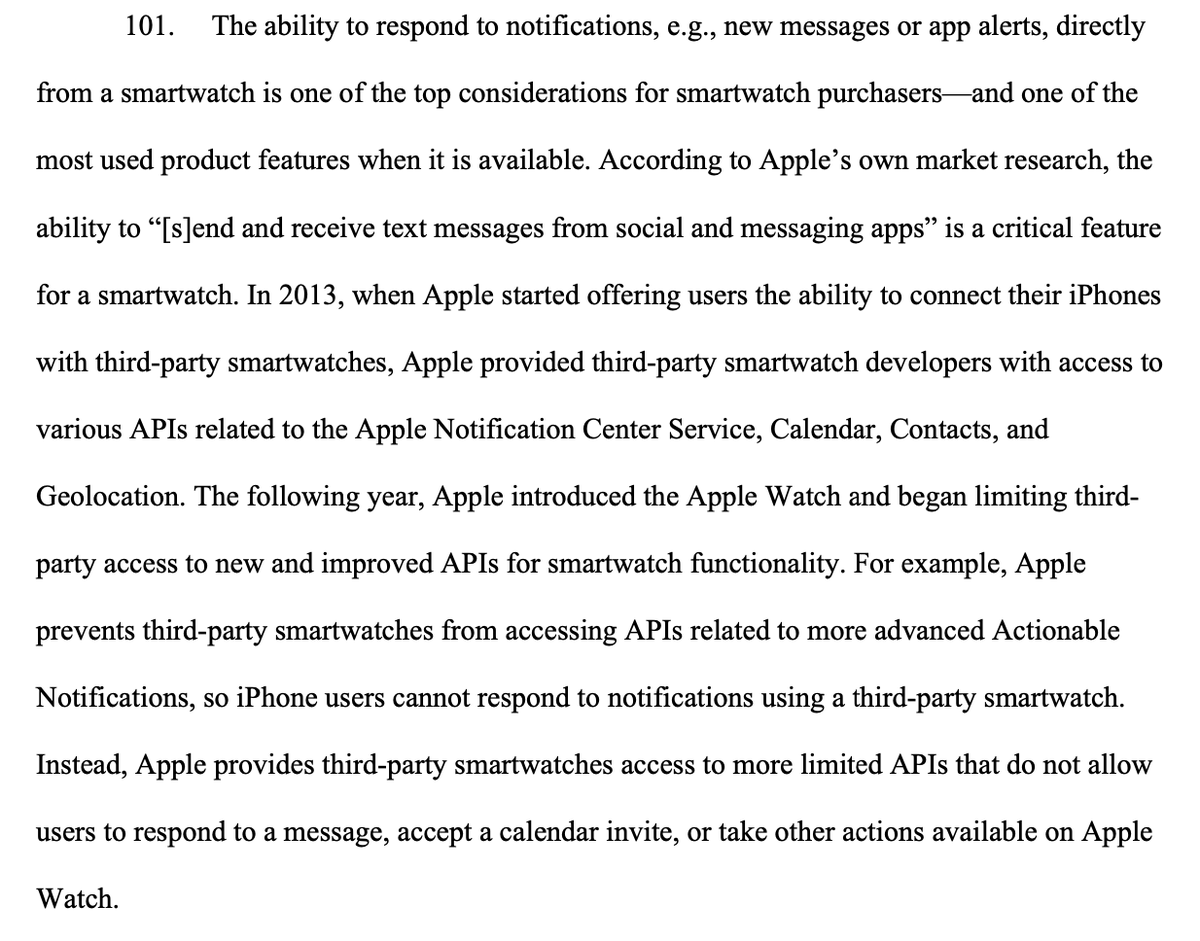
The joys of navigating the smartwatch space. Seems like we're in the same boat with our Amazfit - subtleties of API diplomacy and all. It's not just an orchard thing, looks like the Google Android folks might be stirring the same pot, albeit with a different spoon #SmartwatchSaga