Assistant Professor @HongKongPolyU. Physiotherapist passionate about fall prevention, exergaming, dementia care, and geriatric rehabilitation. @AgeingJ
Step tests correlate well with a number of physical and cognitive measures in older adults with #dementia. The Four Square Step Test and Choice Stepping Reaction Time Test can also differentiate between those with and without a major cognitive impairment.
https://t.co/YvFAqFAbd0
Excited to share that my recent grant application to the Health and Medical Research Fund has been approved. I’m honoured to receive HKD 1.5 million in funding to support our project on evaluating the effects of #exergaming on balance and #FallsPrevention.
Greqat news! My study on using Nintendo Ring Fit Adventure™ for fall prevention has been named a top cited article of 2024 in the Australasian Journal on Ageing.
I hope this inspires more innovation in using tech to keep older adults active and engaged.
https://t.co/El7kUyXxsF
Have you registered for the 3rd World Falls Congress? The early bird registration will end tomorrow on 24 Mar 2026.
Looking forward to meeting all people from different parts of the world who are keen to study falls prevention!
https://t.co/8bUUbGGXcQ
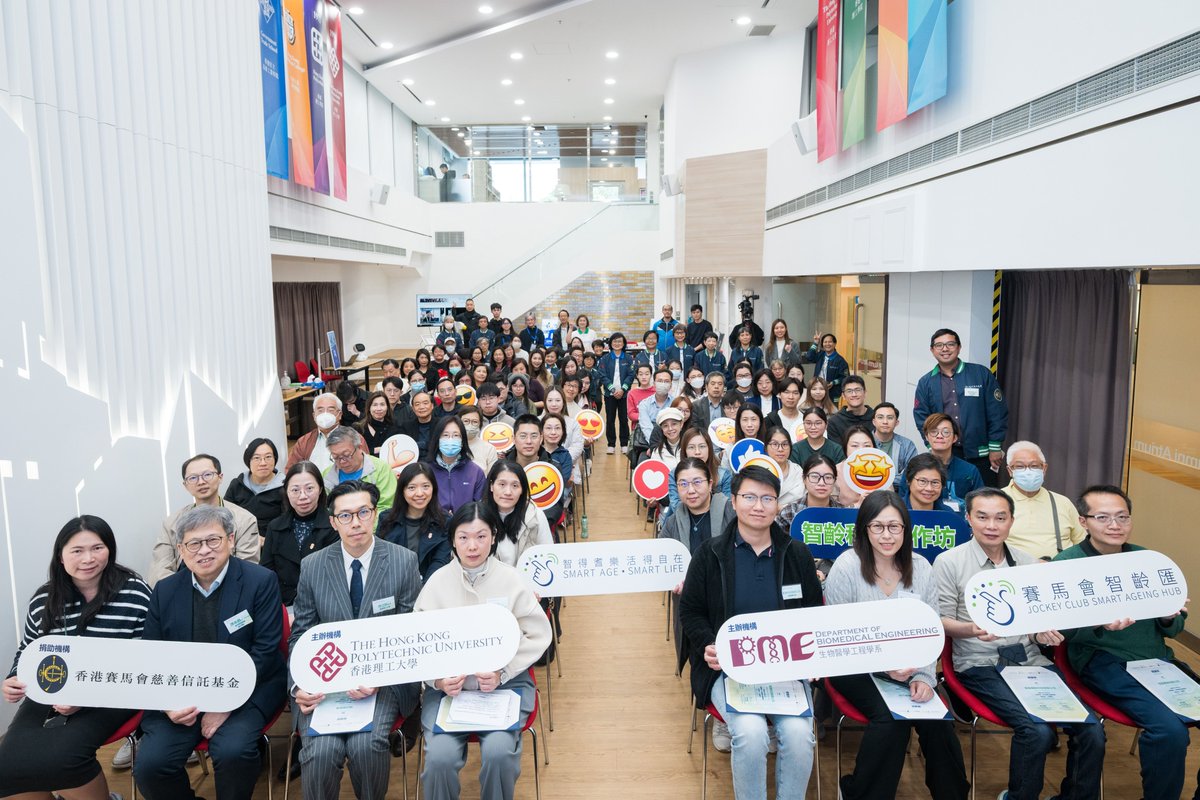
It is my great pleasure to be part of the event organized by the Jockey Club Smart Ageing Hub.
We should organize more events like this to let people know that we have many different ways to prevent falls and reduce fall-related injuries.
https://t.co/s7VWTuIpbB
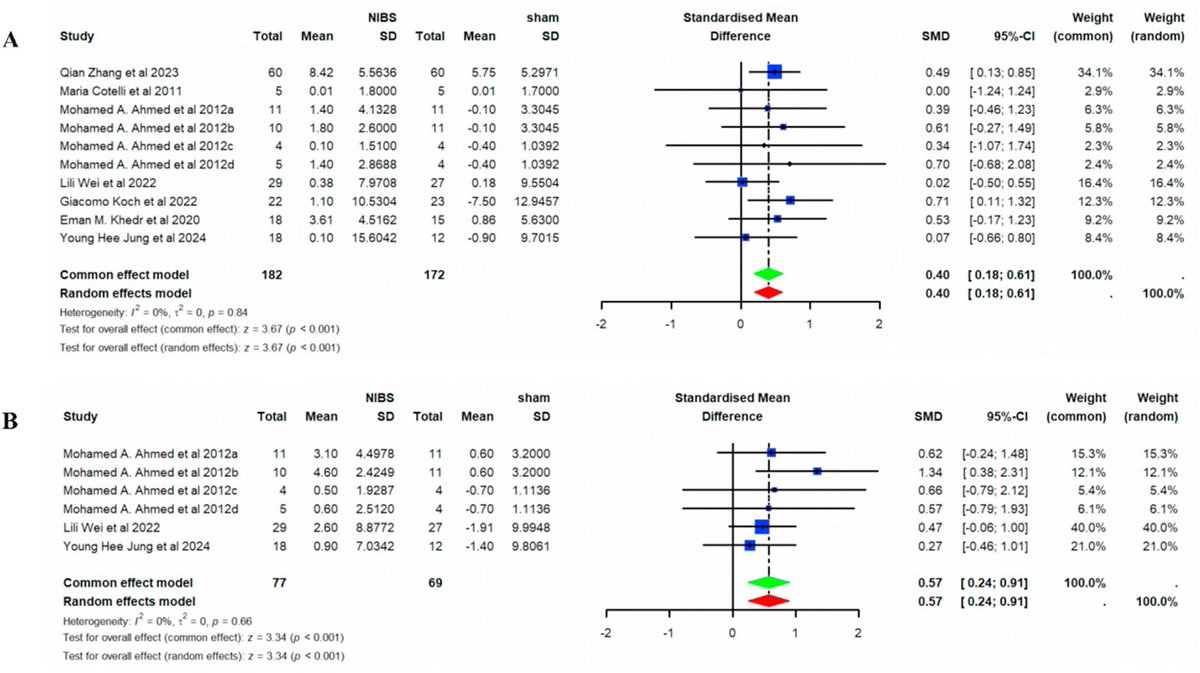
tDCS targeting a single brain region yields similar improvements in global cognition compared to multi-target stimulations. Stimulating left frontotemporal lobe and left DLPFC yielded significant improvements in global cognition.
https://t.co/dUAyX8IM7v
The Asian Falls Network Webinar Series in April!
This time, we have invited experts from Pakistan and the Philippines to share their critical research and practical intervention strategies for fall prevention. Join the webinar using the QR code!
New publication alert!
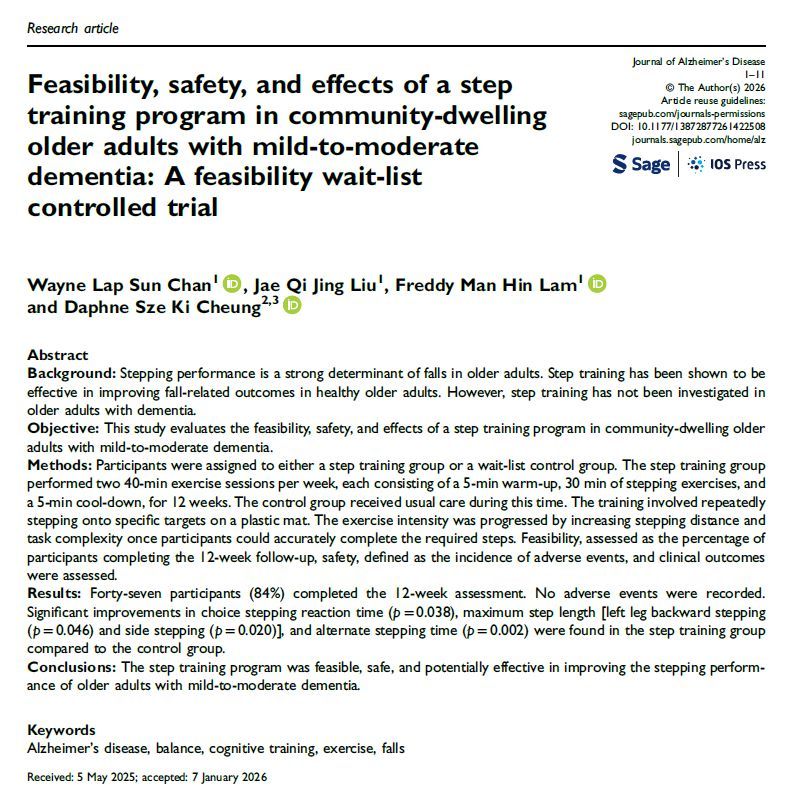
Our latest published feasibility trial demonstrates that step training incorporating cognitive-motor tasks is both safe and achievable for older adults with mild-to-moderate dementia.
https://t.co/haZB6B8ylc
Traditional rTMS can improve ADLs in people with cognitive impairment. The effects on ADLs are small post-intervention and moderate at follow-ups. The effects in people with AD are particularly more prominent.
https://t.co/dUAyX8IM7v
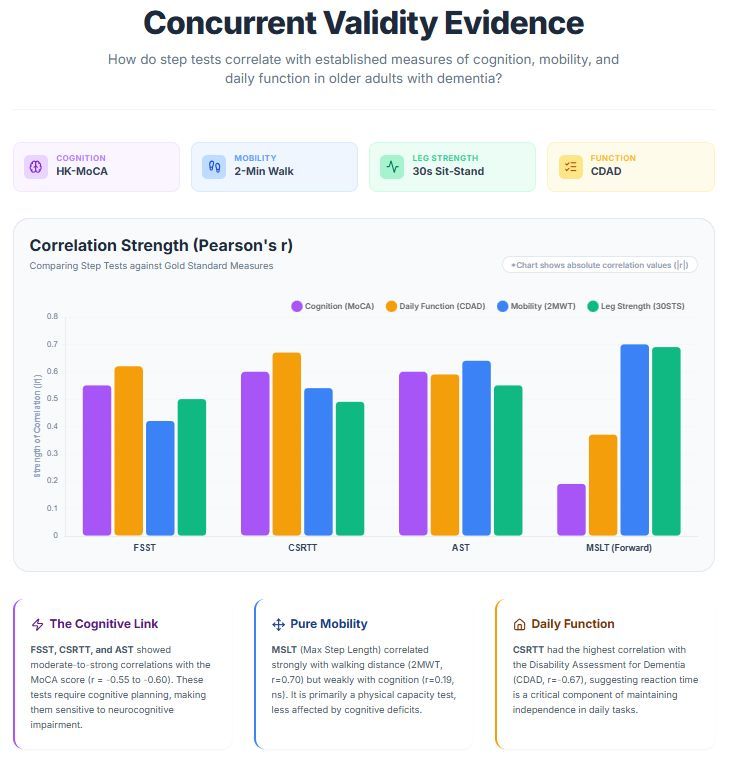
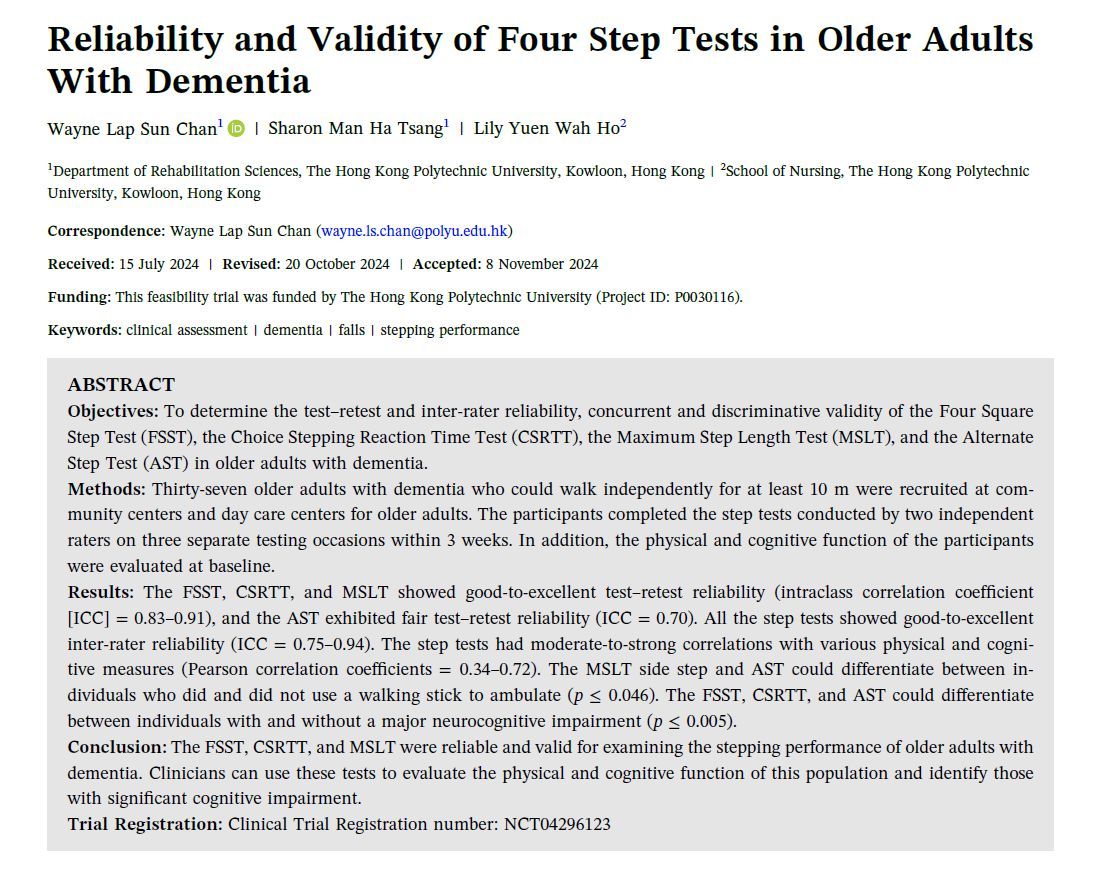
Stepping performance, measured by Four Square Step Test, Choice Stepping Reaction Time Test, and Alternate Step Test, is moderately to strongly associated with mobility, global cognition, and functional independence in older adults with dementia.
https://t.co/7BXT5IX5mV
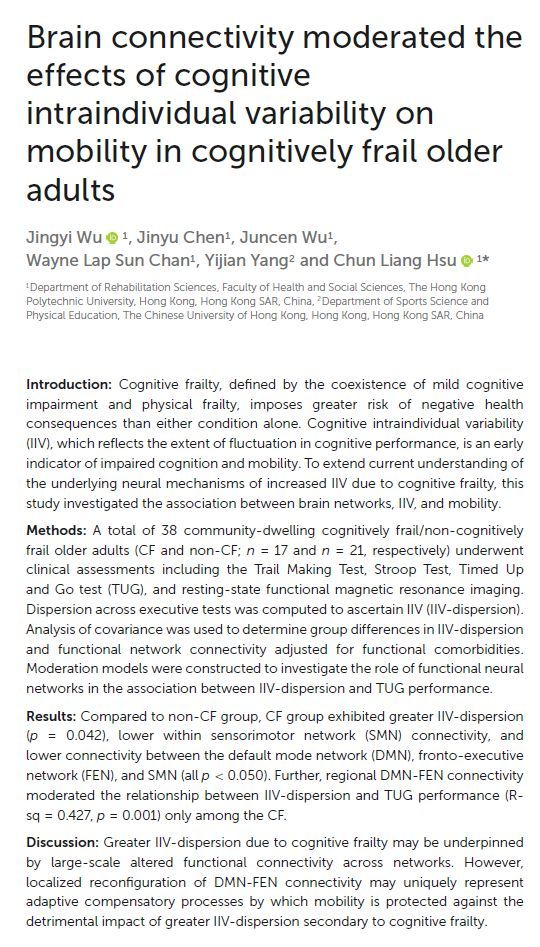
Stronger connectivity between the default mode and fronto-executive networks acts as a protective mechanism in cognitively frail individuals. This enhanced connection moderates the negative impact of cognitive instability on mobility.
https://t.co/daOYxhpqYM
New publication!
This systematic review and meta-analysis found that adding real-time postural feedback during exercise training may have a significant immediate effect on dynamic balance in people with Parkinson's Disease.
https://t.co/nQQLiJa73D
It was my pleasure to be invited to share my perspectives on the use of the latest smart ageing technologies for fall prevention, the reduction of restraints, and rehabilitation among older adults living in nursing homes.
#Gerontechnology#SmartAgeing#Rehabilitation
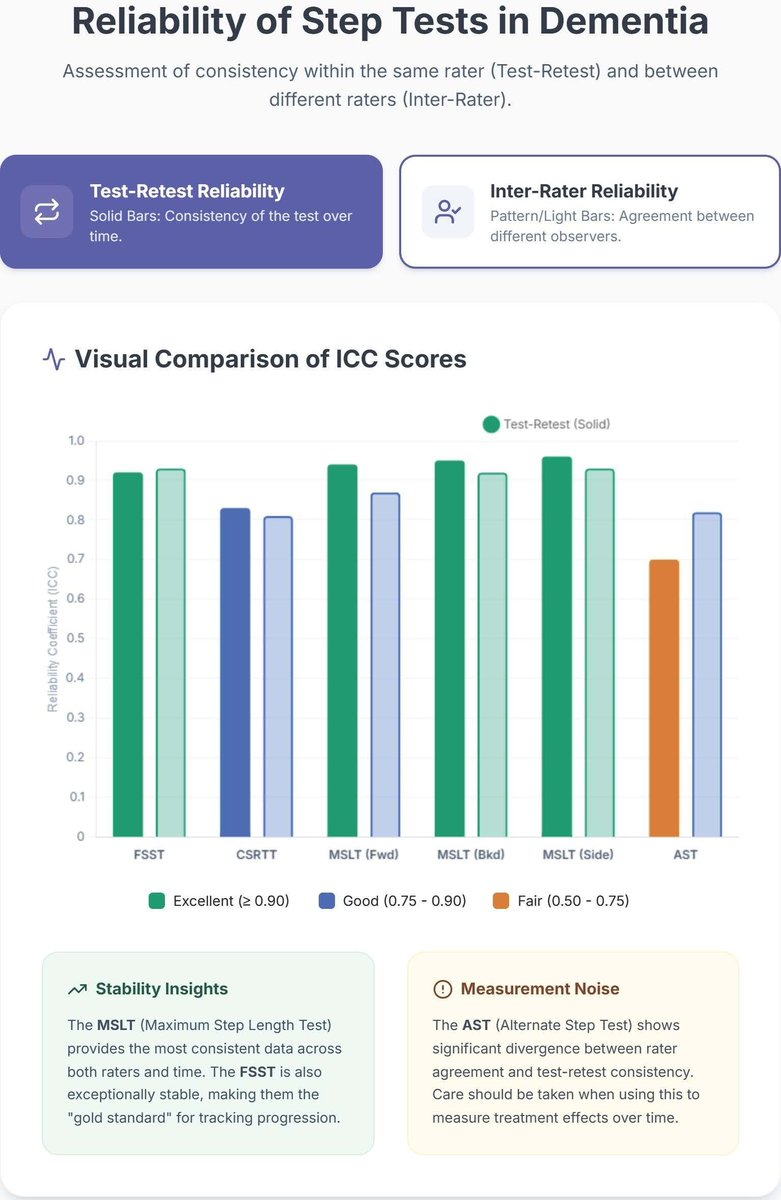
Four Square Step test, Choice Stepping Reaction Time Test, and Maximal Step Length Test have good to excellent test-retest and inter-rater reliability. However, the Alternate Step Test has relatively lower reliability.
https://t.co/7BXT5IX5mV
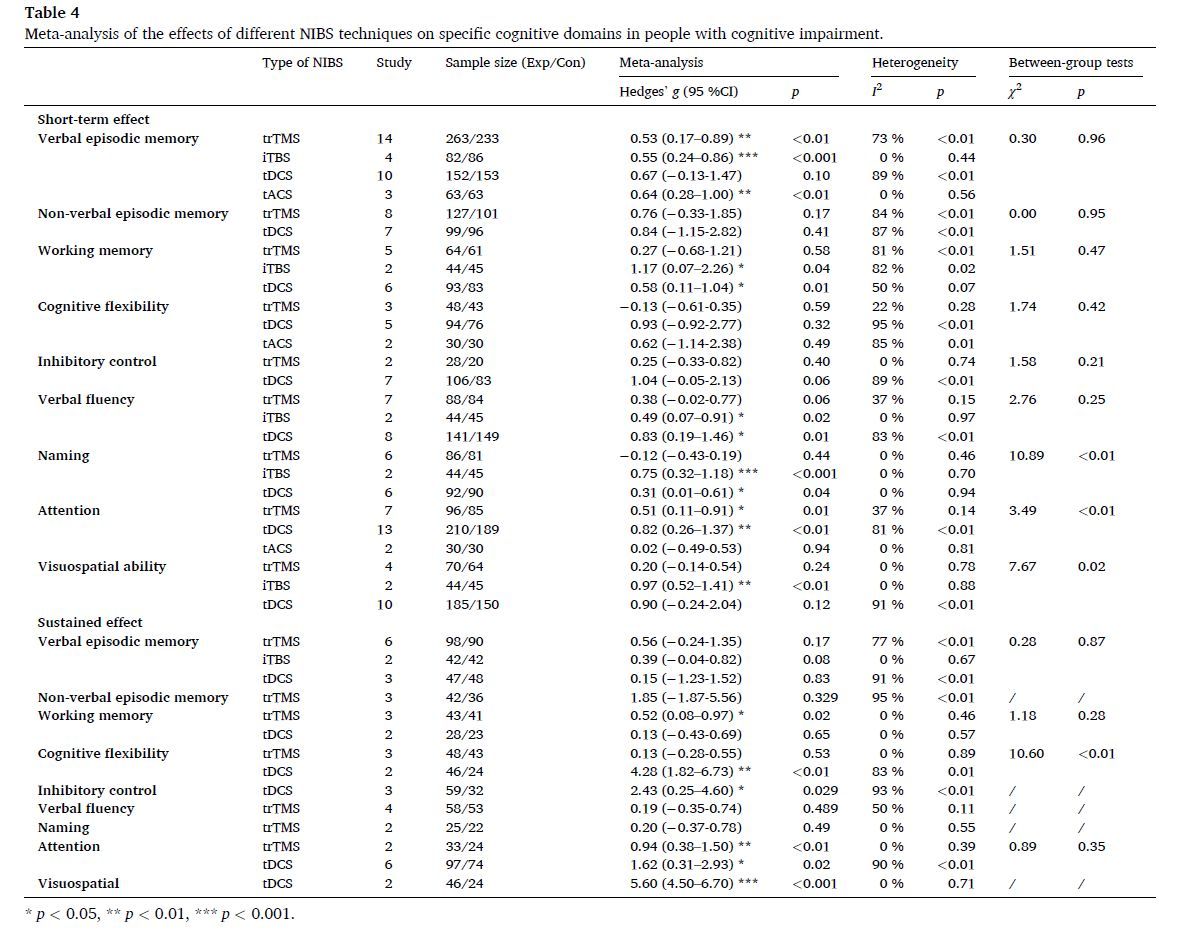
Our meta-analysis shows that traditional rTMS has short-term effects on episodic memory and attention, and moderate to large sustained effects on working memory and attention.
https://t.co/dUAyX8IM7v
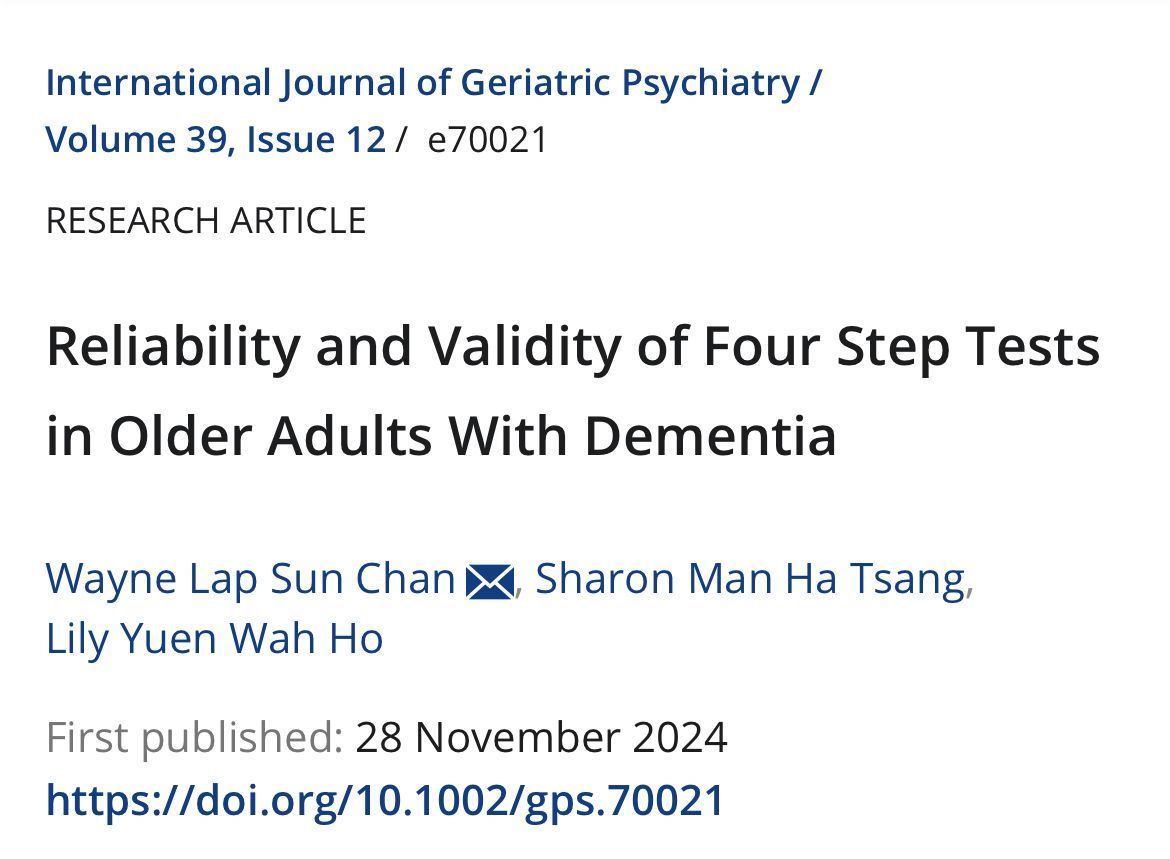
The full-text version of my previous publication, "Reliability and validity of four step tests in older adults with dementia," is now available. Various step tests are reliable and valid for examining the stepping performance in this population.
https://t.co/Px5O2ww5iv
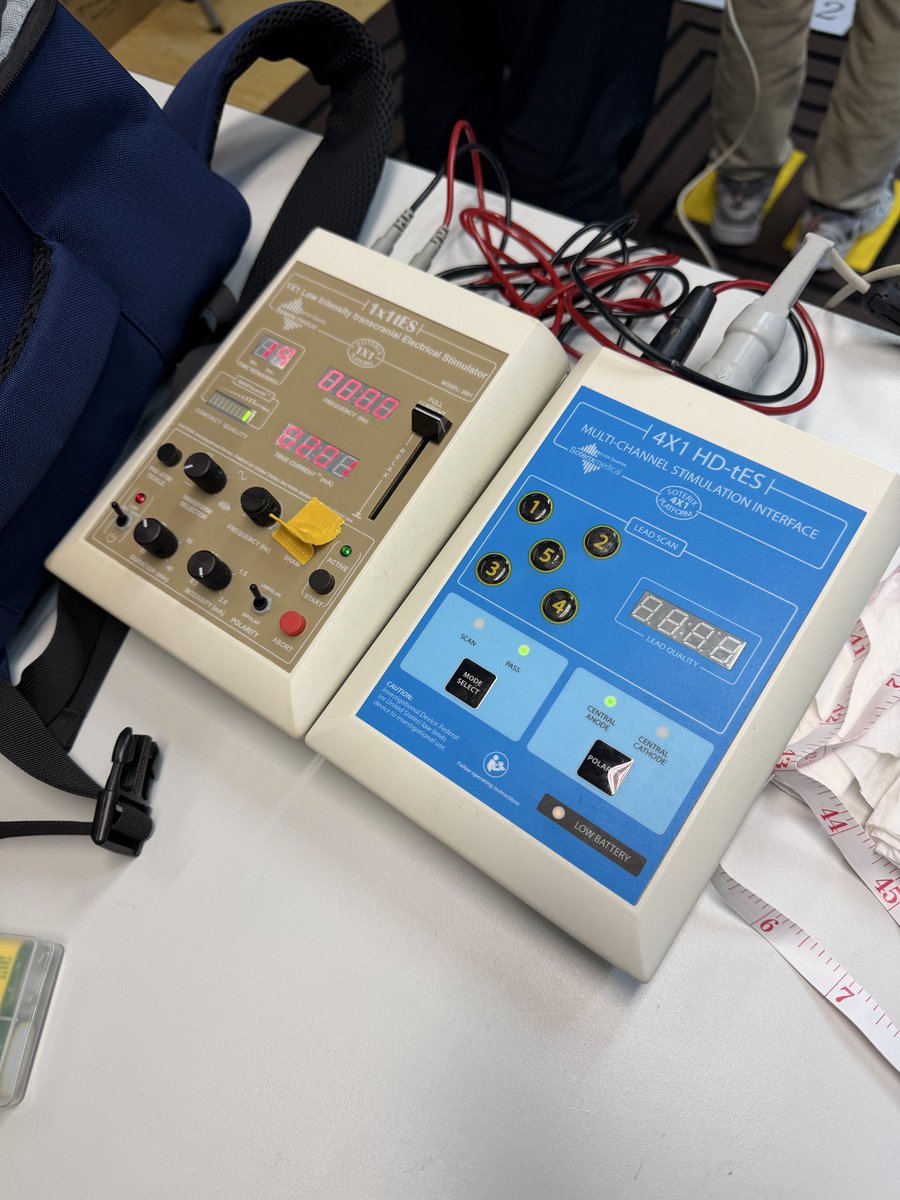
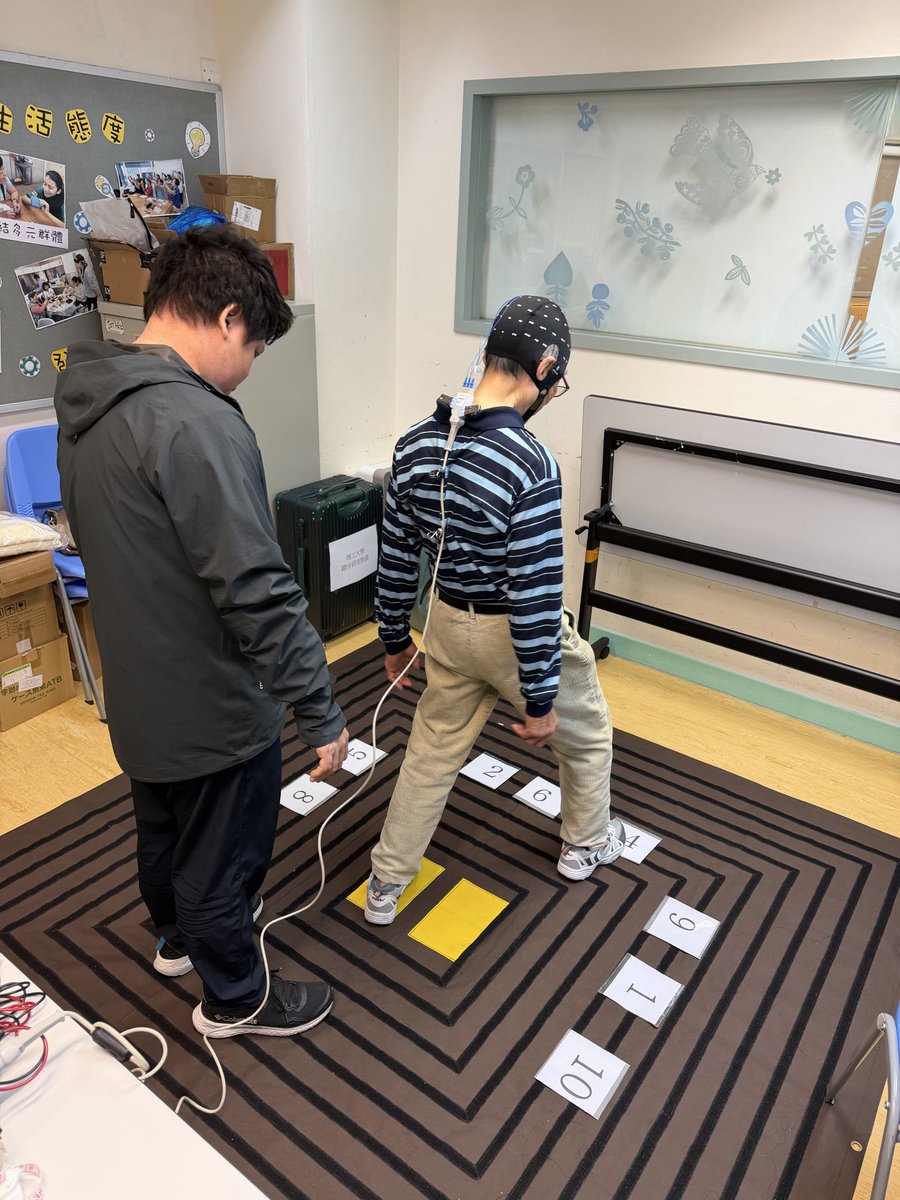
Great to see that my PhD student is working on her project to investigate the effects of high definition transcranial direct current stimulation (HD-tDCS) combining with step training in older adults with mild dementia.
#tDCS#BrainStimulation#Dementia#StepTraining
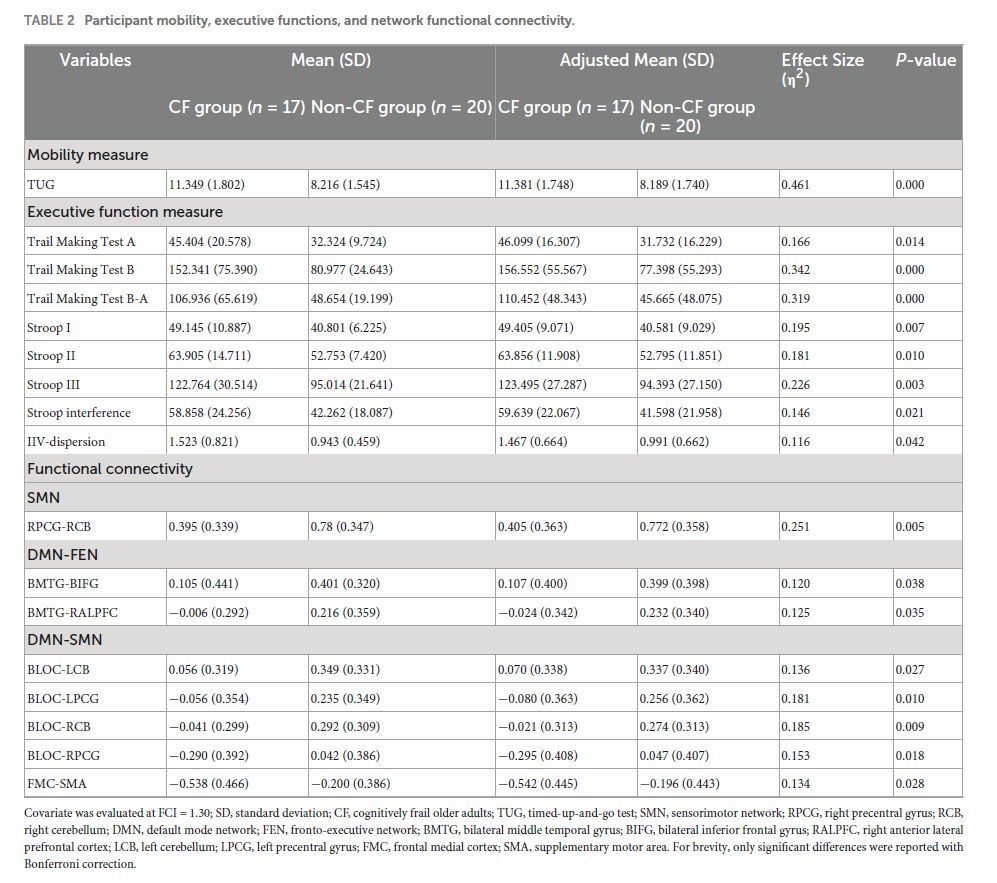
Cognitive frailty is associated with significant alterations in brain network communication. The study found reduced connectivity within the sensorimotor network and between key cognitive (default mode, fronto-executive) and motor networks.
https://t.co/daOYxhpqYM
Join the Asian Falls Network webinar on January 28, 2026, on optimizing fall prevention for ethnically diverse older adults in Australia. It will feature "MOVE Together: Reduce Falls," an intervention co-designed with Italian, Chinese, and Arabic-speaking communities.
Cognitively frail older adults exhibit greater fluctuation in their executive function performance (higher IIV) and poorer mobility compared to their non-frail peers.
https://t.co/daOYxhpqYM
Older adults with cognitive frailty showed greater cognitive intraindividual variability and poorer mobility. They also exhibited altered connectivity within the sensorimotor network (SMN) and between the DMN, FEN, and SMN.
https://t.co/daOYxhpqYM