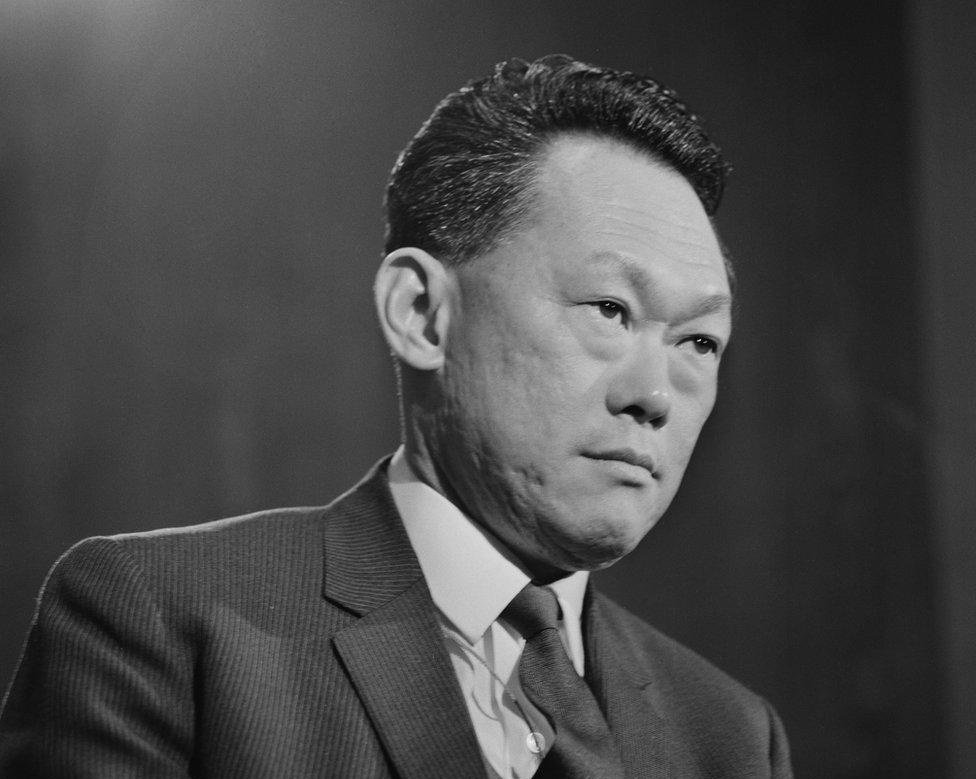
Lee Kuan Yew proved that a nation's destiny is engineered, not inherited.
In 1965, when Singapore was unceremoniously booted out of Malaysia, the international consensus predicted absolute state failure.
He inherited a swampy, impoverished island with a population of just two million people living in squalor.
It had zero natural resources, no agricultural land, no military defense, and lacked even enough basic drinking water to sustain human life.
If Lee Kuan Yew had operated on the standard of modern populist politics, he would have spent the next thirty years weeping on international stages, blamed historical external factors, and begged neighboring countries for permanent welfare handouts. He didn't. He went to work.
While post-colonial leaders across Africa and Asia turned inward to launch economically illiterate isolationist experiments, Lee championed hyper-globalization.
He realized that if you have no domestic market, your only asset is human capital. He cleared the malarial swamps of Jurong, instituted strict pro-market property rights, lowered taxes, and laid down red carpets for Western multinationals like Texas Instruments and Hewlett Packard before the supporting infrastructure even existed.
His domestic masterclass was built on structural logic, not ideological fantasies.
He gave his anti-corruption units actual teeth, starting with his own cabinet. If a politician stole public funds, they didn't get a promotion or a diplomatic posting, they went straight to prison. Zero tolerance meant global investors knew their capital was safer in Singapore than in London or New York.
He transformed subjects into stakeholders through the Central Provident Fund and the Housing Development Board. By aggressively shifting 75% of the population out of slums into state-of-the-art public housing, he gave ordinary citizens a physical, equity-based ownership stake in the country's survival.
He instituted mandatory bilingualism and made English the main national language to plug his workforce directly into the global grid.
He hired elite technocrats based on raw competence, completely ignoring ethnic divisions.
Teachers were paid corporate-level salaries because he understood that a first-world economy cannot be built by an uneducated majority.
In a single compressed generation, GDP per capita skyrocketed from under $500 to overtaking the United States and the United Kingdom.
The structural lesson of Singapore is a devastating indictment of Africa's current leadership.
It proves that poverty is not a permanent geographical curse; it is a choice made by incompetent elites who prefer primitive capital accumulation over national engineering.
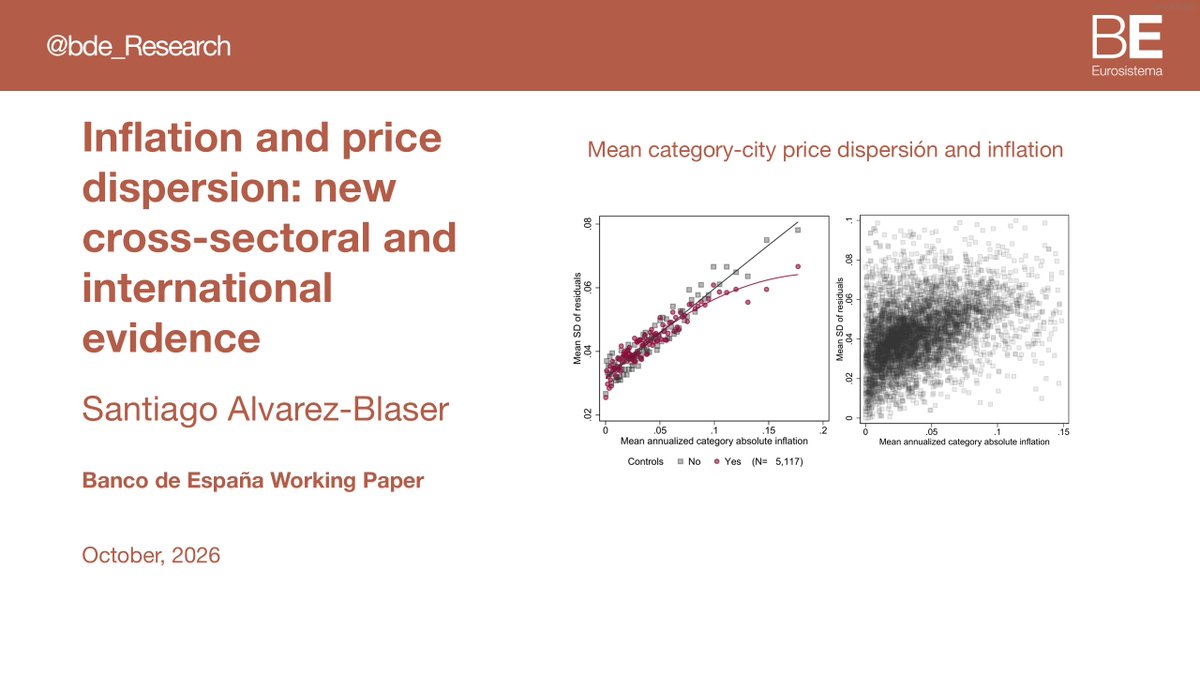
Does inflation distort relative prices? Weekly online prices from 60,000+ restaurants and supermarkets in 18 countries show that 0 to 10% inflation comes with 46% more price dispersion in supermarkets, 73% in restaurants @SEAlvarezBlaser ➡️ https://t.co/dNLymoGw3l #bdeResearch
Muy contento por la noticia. Hoy, la prestigiosa revista The Lancet, en su capítulo regional para las Américas (@LancetRH_Americ), publicó nuestro artículo titulado: "When the earth shakes on fragile foundations: the Venezuelan earthquakes and two decades of public health system erosion".
Cuando digo "nuestro" es un decir, mi aporte fue mínimo entre un grupo muy top de médicos venezolanos encabezados por la Dra. @mgrillet@Betopaniz@Carlos_Chaccour@AAcostaserrano, Fhabian Carrión
El artículo argumenta que los dos terremotos que sacudieron recientemente la costa norte de Venezuela solo agravarán una crisis sanitaria que aqueja al país desde hace veinte años. El evento pone en evidencia la debilidad de nuestra infraestructura de salud, la escasez de medicamentos, lo poco que queda de la vigilancia epidemiológica y la larga ausencia de inversión sectorial.
La crisis humanitaria de salud en Venezuela tiene sus raíces en décadas de malas políticas sectoriales, autoritarismo y corrupción. La infraestructura de investigación, la cobertura de vacunación y el control de las enfermedades infecciosas en general, acumulan muchos años de deterioro, los terremotos harán la crisis más grave.
La ayuda internacional de corto plazo no bastará por sí sola para lograr una recuperación duradera. Esta exigirá reconstruir instituciones que rindan cuentas, capaces de gobernar con transparencia y de aplicar políticas de salud equitativas, como única vía para que el sistema sanitario recupere su resiliencia.
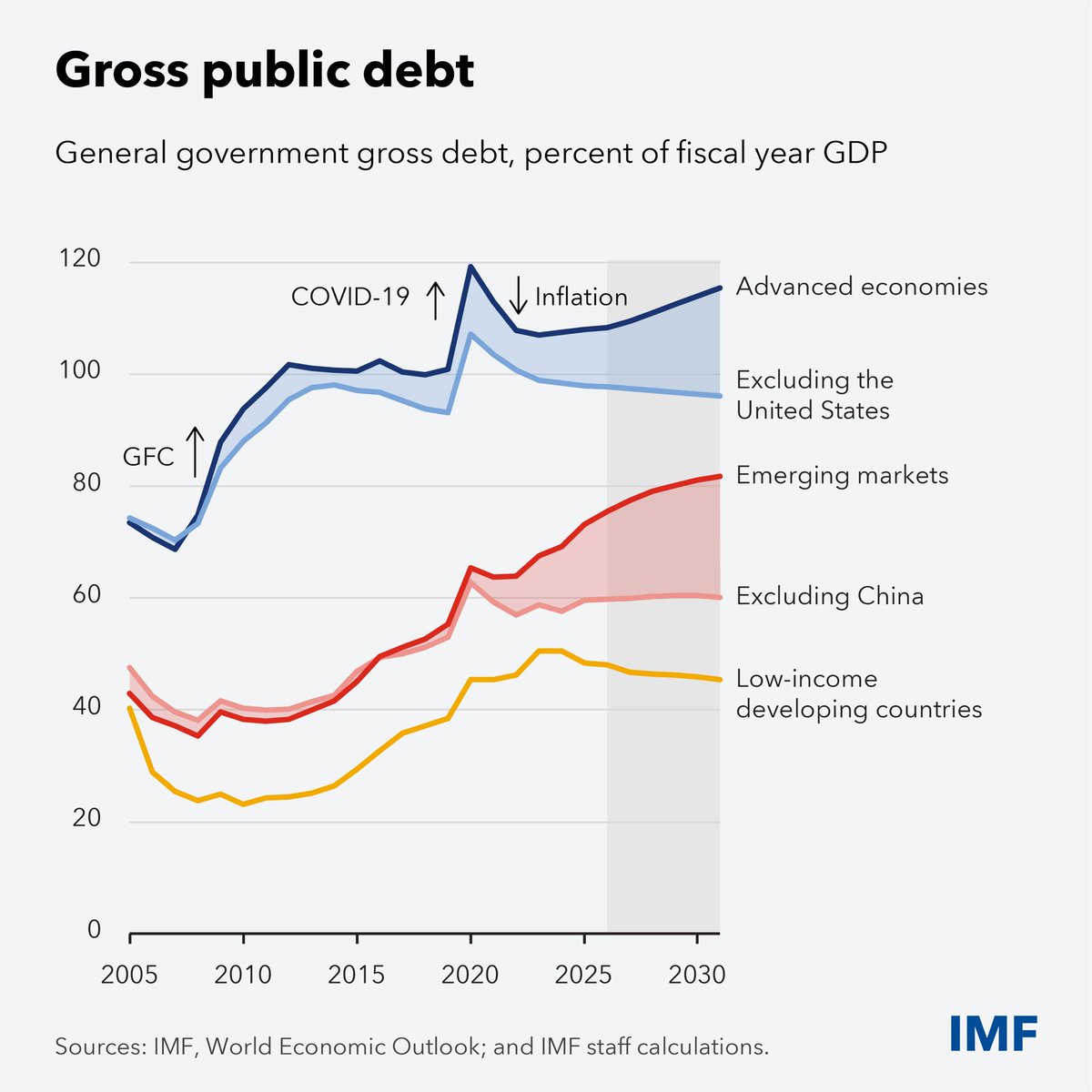
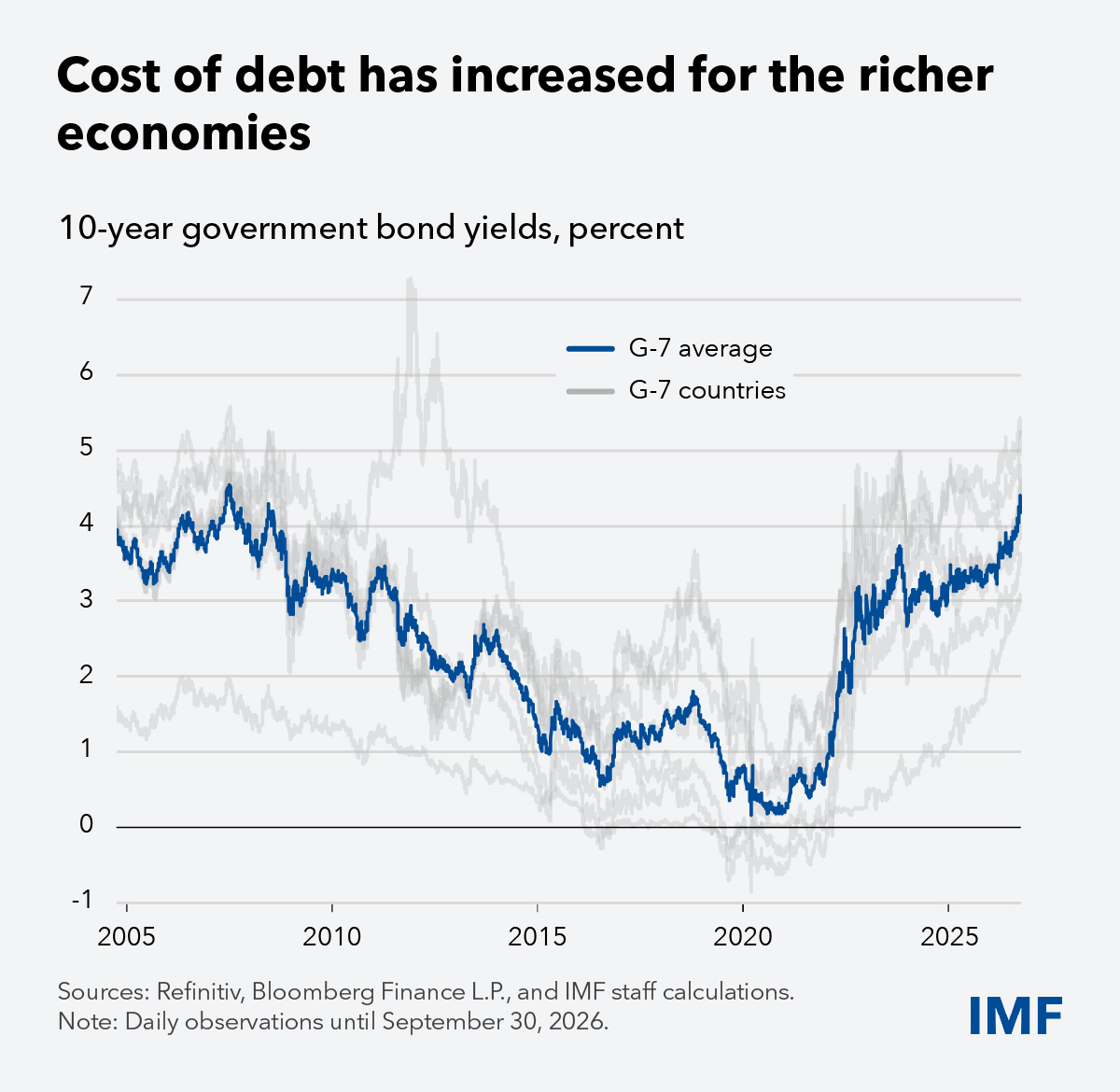
Rising bond yields are adding pressure on public finances already strained by high debt. Putting fiscal policy on a credible path now can help contain borrowing costs and limit future risks. Read more in the latest Fiscal Monitor blog: https://t.co/yIXkG7VUlx
El progreso contra la pobreza está amenazado.
Por 1ra vez desde 2010, el Índice de Pobreza Multidimensional global de @pnud y @ophi_oxford muestra un aumento en la cantidad de personas en #PobrezaMultidimensional, casi 1,2 mil millones: https://t.co/Nlva5I9Sam
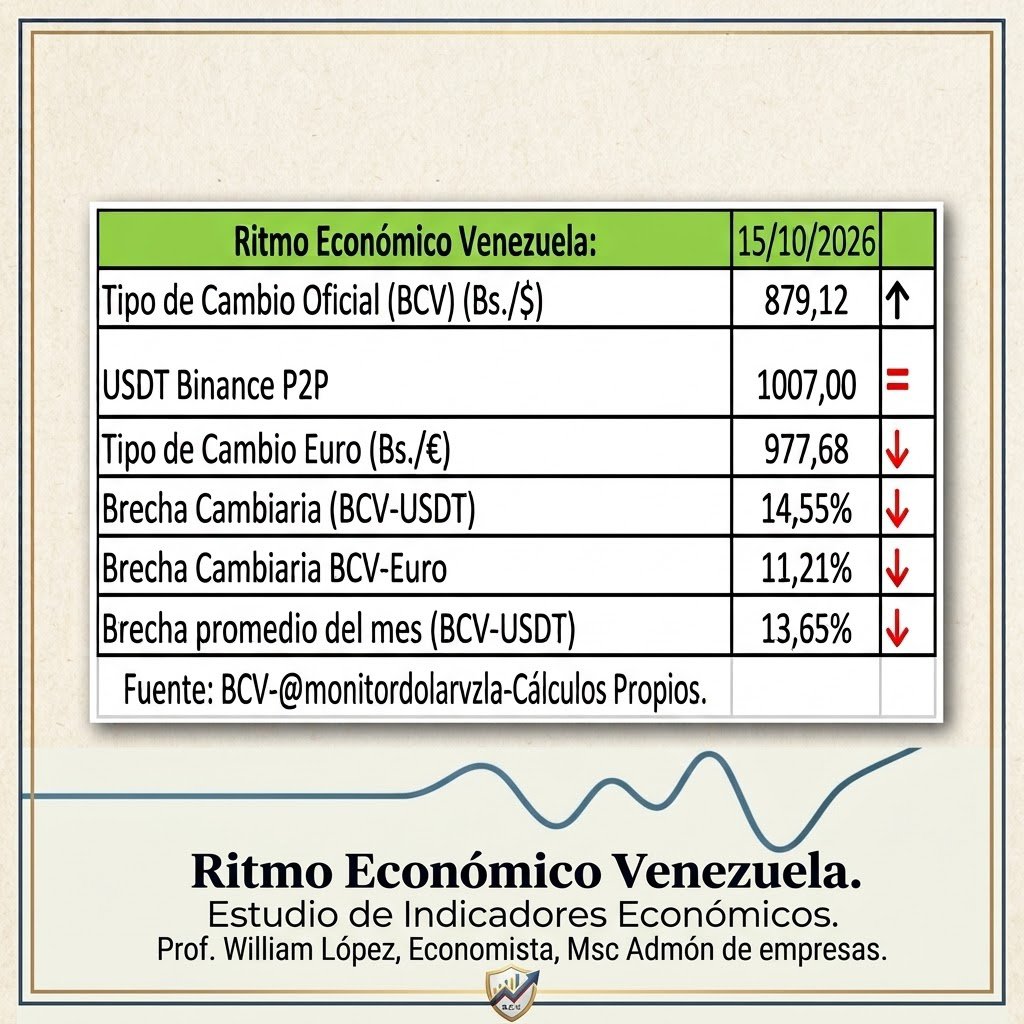
Según la OPEP la cesta petrolera venezolana, se ubicó en septiembre en $93,75/b. un incremento de 22,04% respecto a agosto($76,82/b).
La producción según fuente directa, durante septiembre promedió 1.206.000 (b/d), subió apenas 0,42%, respecto agosto (1.201.000 b/d)
@EconPerez Importante dato, estamos acostumbrados solo a conocer la historia de éxito del Fondo Soberano Norruego. Bueno saber, que en ocasiones ha enfrentado perdidas.
Tokenized assets have grown rapidly, reaching roughly $65b. Yet they remain tiny compared with traditional capital markets’ $300t in assets. Our new GFSR explores the policy and market conditions needed for tokenization to scale safely: https://t.co/Xd1NOgqMla
Globalization and the growing importance of intangible assets are reshaping corporate income taxation. Tax competition remains a defining feature of the global economy, but its nature is changing as anti-avoidance reforms take hold, new IMF research shows. https://t.co/vwXHRxkW4n
1/2
The global economy faces three major crosscurrents: rapid arrival of AI, high energy prices, and record levels of public debt. IMF Managing Director @KGeorgieva explains how success will depend on how these crosscurrents are navigated. Watch her speech https://t.co/xrrMzjZnkD
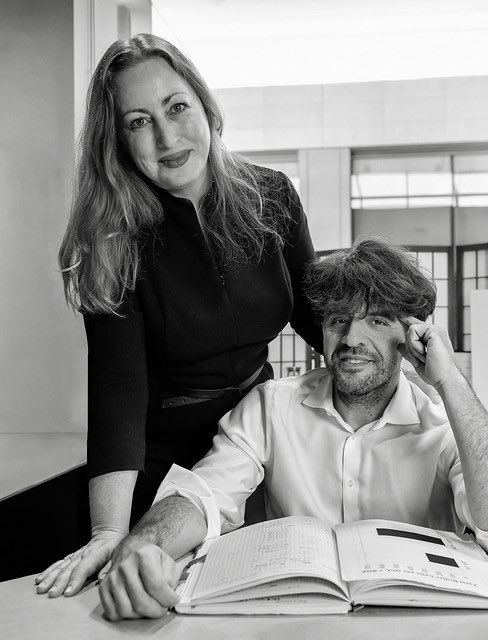
Ok. I’ve spent a whole day celebrating Karl Deisseroth’s very deserved Nobel (with every other brain enthusiast!). Now let’s talk about the brilliance of Dr. Michelle Monje, his wife.
A Stanford physician, neuroscientist and recipient of a MacArthur Genius grant, Michelle has helped pioneer cancer neuroscience, revealing how brain activity can fuel tumor growth and opening new possibilities for treatment.
And I say all this because I’ve been lucky to see her work firsthand and have been awe struck since the moment I met her. What makes Michelle extraordinary is the combination of scientific brilliance and her absolute unwavering commitment to children with devastating brain cancers. She is pushing the science forward because those children and their families cannot afford to wait.
Everybody deserves to know @michelle_monje.
Today we launched our Latin America and the Caribbean Economic Update.
The region has the potential to achieve stronger growth. Countries that have maintained sound macroeconomic frameworks, strengthened institutions, and advanced reforms are demonstrating what is possible.
Building on the region’s considerable talent and resources will require sustained policies and investment that raise productivity, create better jobs, and increase incomes.
The @WorldBankGroup is committed to supporting countries across the region in advancing this agenda.
https://t.co/ULR9WdE7ka
A esto debemos aspirar los venezolanos! Se debe avanzar en reformas constitucionales y legales que pongan límites claros al Poder! Entre otras cosas, acabar con la reelección indefinida!
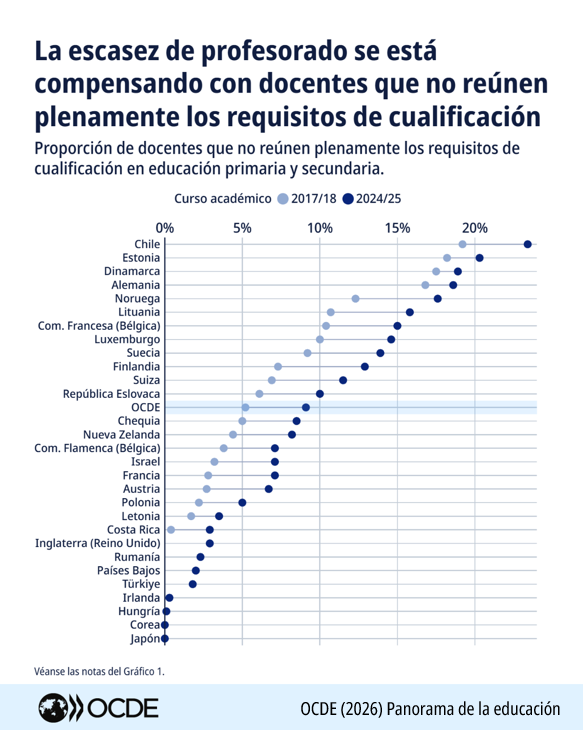
Como muchas profesiones, la docencia afronta una escasez de personal cualificado.
Para cubrir cada aula, muchos países recurren a docentes que no cumplen todos los requisitos de cualificación.
Consulta Panorama de la educación: https://t.co/YpvGCfNZ5c
#OECDEAG | @OECDEduSkills