Citizen Science initiative focused on helping people use sensors to measure, monitor and manage air quality through lifestyle changes and local policy. #H2020
COMPAIR featured in open-access Springer book 'Decide Better: Open and Interoperable Local Digital Twins'. Drawing on COMPAIR results, Chapter explains how interoperability can be achieved to improve uptake of IoT data to drive better outcomes for cities.
https://t.co/EUs0PbOTsI
Good air quality is a human right. Citizens will want to make sure that air quality stays within healthy limits by measuring it with their own devices. In the future, citizen science will not be a trending phenomenon. It will be a way of life.
https://t.co/aw9e5PyQKt
Citizen science is more than data collection, but the importance of data should not be understated, as without relevant data it's hard to make any substantial impact on policy, for example.
https://t.co/zzyqxGE4xM
Like any research project, a citizen science initiative should strive to produce results that are robust and scientifically sound. This requires putting in place measures to ensure a minimal acceptable level of quality is met.
https://t.co/ooc8yeaXWD
Find out how citizen science can help to overcome limitations of regulatory efforts by empowering local communities to collect high-resolution data on air quality in urban micro-environments.
https://t.co/2QTy3mEVTz
This report describes technical and organisational measures you can take to safeguard the rights and freedoms of your participants, especially if they are involved in data collection and have to use digital tools as part of citizen science.
https://t.co/rDXakH41L8
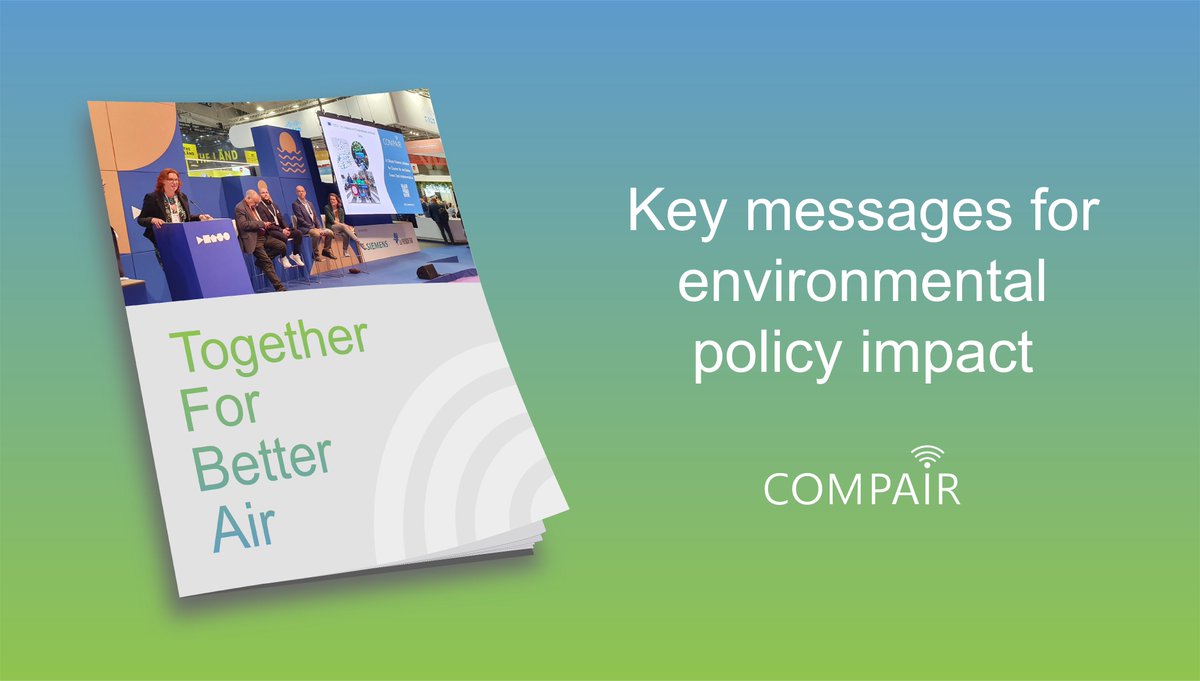
Citizen science has the potential to create actionable insights at the intersection of public participation and environmental policy. Report lists 24 points every citizen science project should consider when planning their environmental impact strategy.
https://t.co/yA9IOrMvPQ
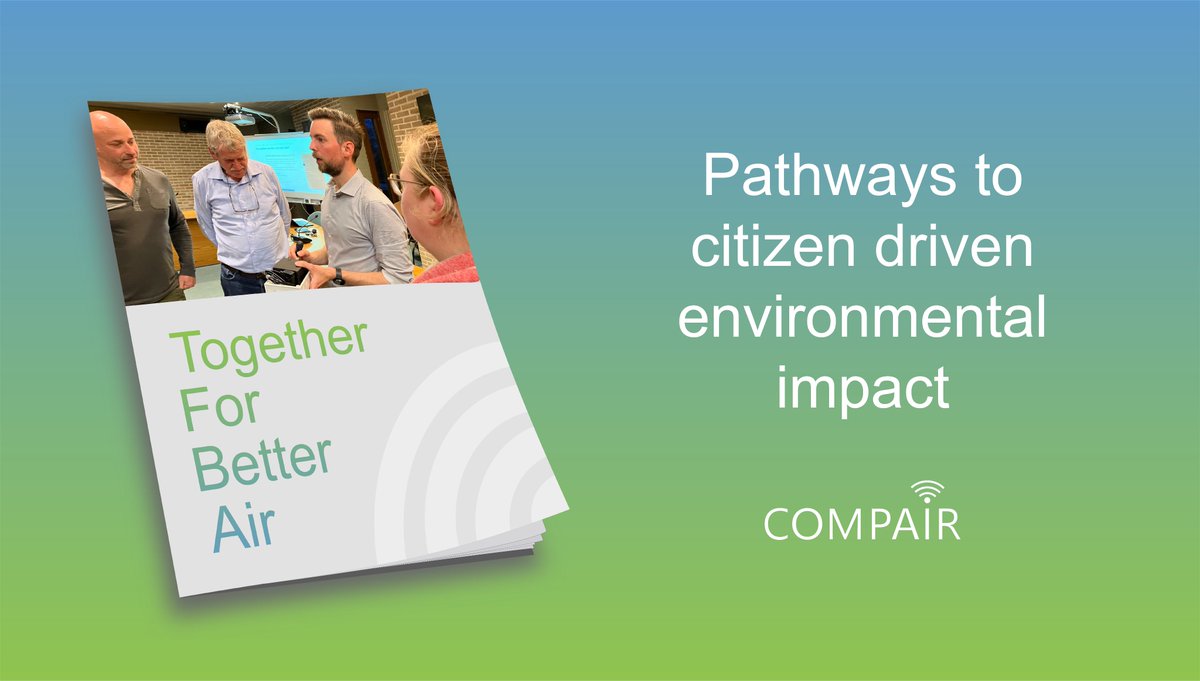
There is a lot of expectation from citizen science projects to deliver environmental change. But how can this be achieved? Report describes 4 pathways used in COMPAIR for that purpose:
-Participatory policy making
-Experimentation
-ICTs
-Awareness raising
https://t.co/XIwtquWufF
Participants who were actively involved in COMPAIR activities demonstrated greater awareness of environmental issues and were more likely to alter their behaviors, such as reducing car use or showing more support for local environmental policies.
https://t.co/Z3uTKQVVMO
The idea of COMPAIR was to co-create a model for how citizen science can tackle complex challenges like air pollution by generating local data that can be used to drive behaviour change and contribute to evidence-driven policy-making.
https://t.co/hmK7g6KNFt
The report demonstrates, on the example of 5 COMPAIR CS Labs, how public participation in citizen science can improve social cohesion and public policies in a number of areas e.g. environment, mobility, urban planing, education.
https://t.co/ff7apgRhR1
White Paper explains how, by implementing standards at the level of semantics, architectures and networks, greater interoperability can be achieved to improve the uptake of available IoT resources in smart cities.
https://t.co/jThguPClQ8
Data quality is a known is issue in citizen science projects that use low-cost sensors to monitor air pollution.
The report describes different tactics used in COMPAIR to address the problem, namely distant calibration and auto-calibration.
https://t.co/epKydGl9rx
Tackling a complex challenge like air pollution requires all members of the urban value chain to play a role: citizens, policy, industry, and academia.
Report shows how this consideration influenced engagement in COMPAIR to achieve clean air for all.
https://t.co/dWwjbGr66t
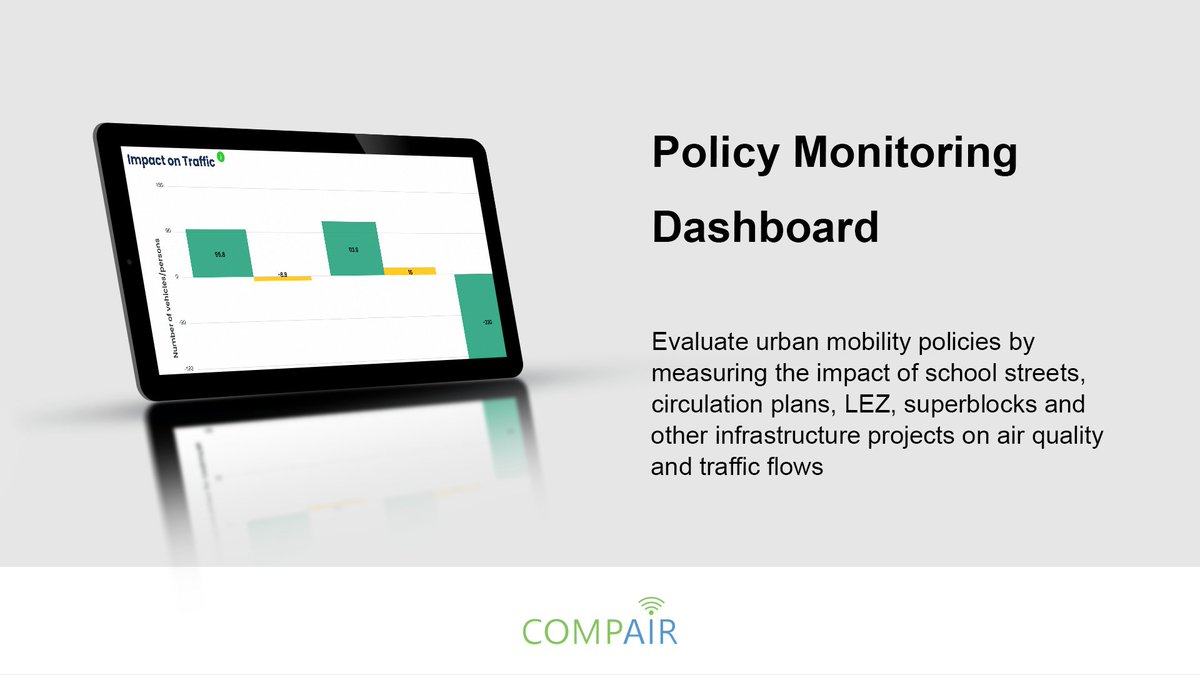
Policy Monitoring Dashboard helps study the impact of planning measures on traffic and air pollution. By monitoring target location & surrounding areas you can see if policy intervention is effective or simply moves the problem further afield/displacement
https://t.co/F7PQYFQeat
Do you know your impact on the environment? 🌍
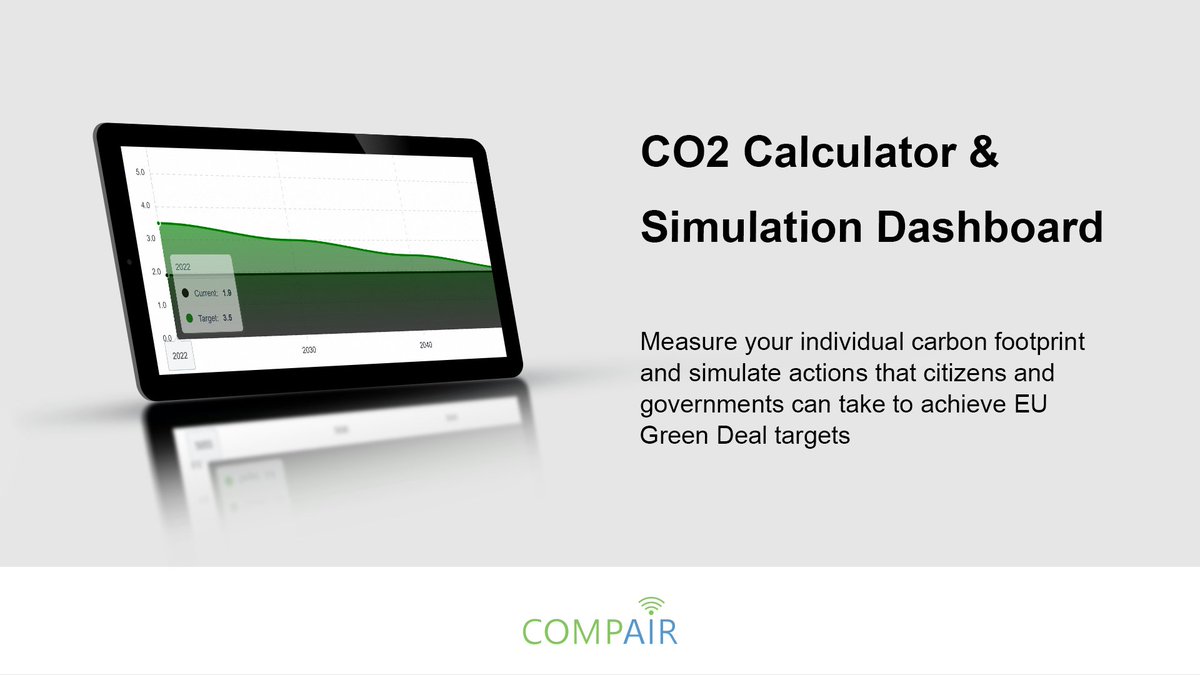
With the CO2 Calculator, you can find out your carbon footprint, learn how to improve it and then use Simulator check which measures you & govt can take to reach EU’s climate neutrality targets for 2030.
https://t.co/9EnD5lolJo
Do you know how good the air quality was when you went to work this morning? 👣
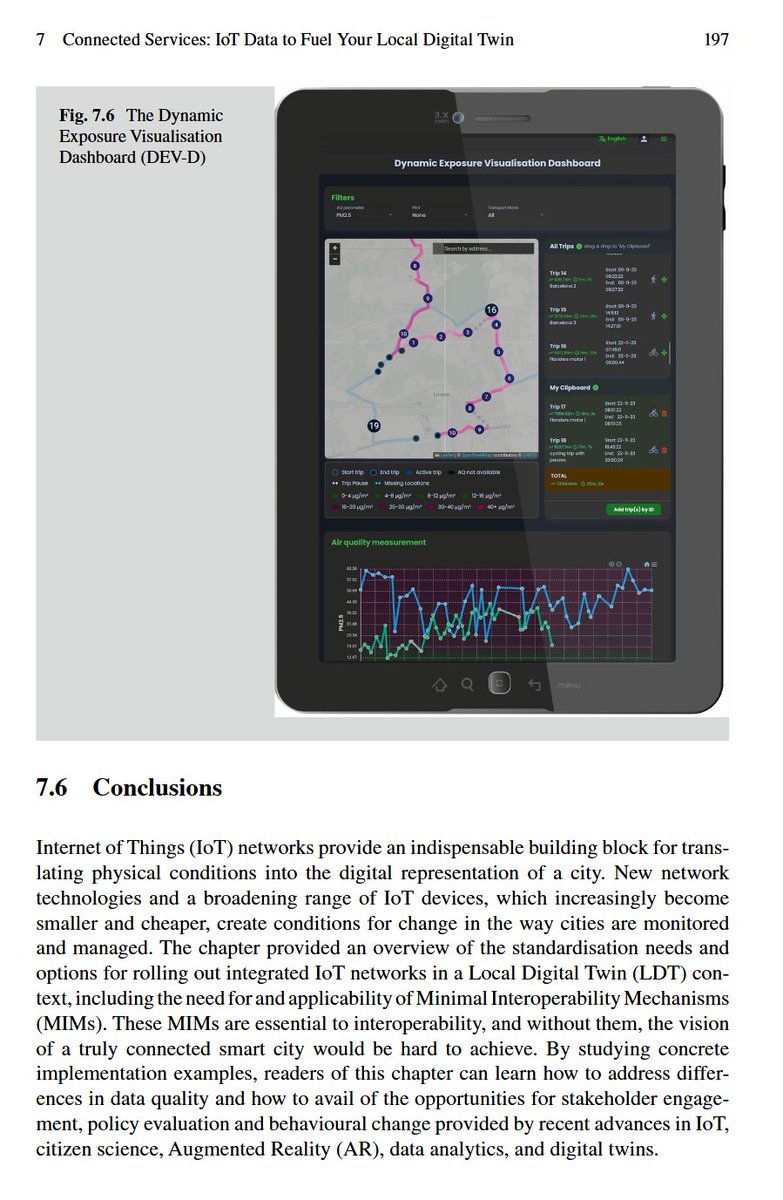
With DEV-D (Dynamic Exposure Visualisation Dashboard) you can easily check your personal exposure to air pollution based on where, when and how you travelled 🚶 🚴♂️ 🏃♀️
https://t.co/FGCIvIF9Ov
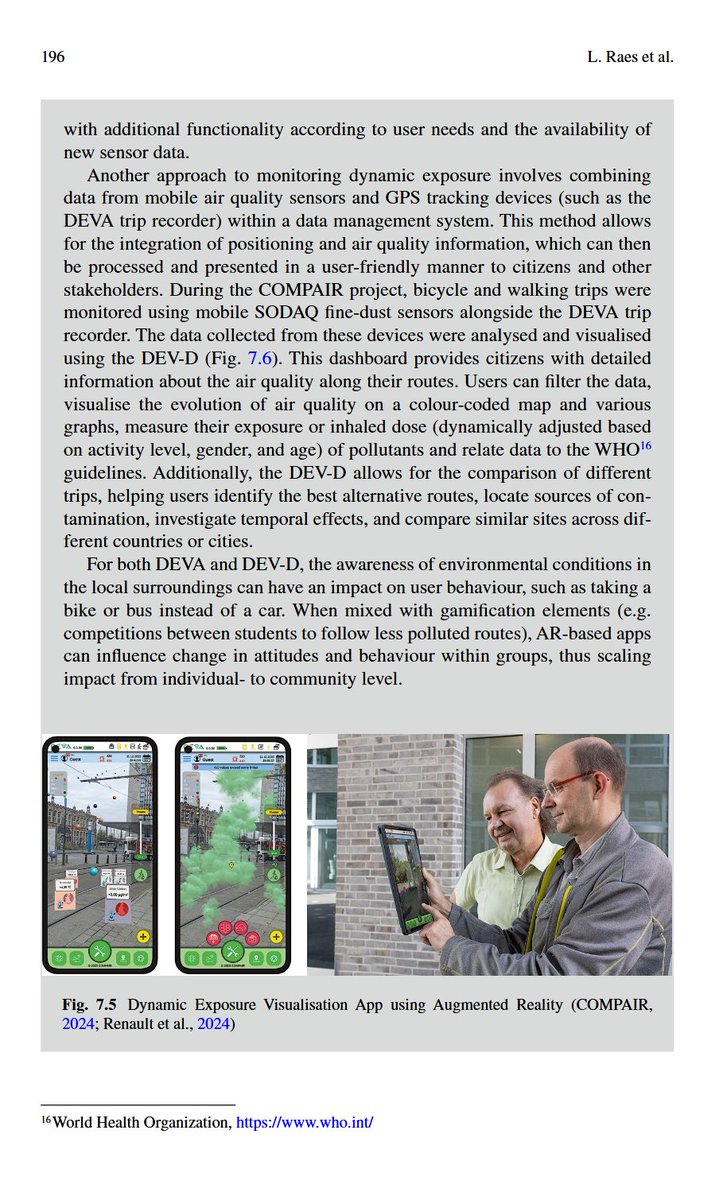
DEVA makes the invisible visible. It's the only app that displays sensor and modelled air quality data in Augmented Reality. Users can now ‘see’ air pollution on their devices wherever they are 🤳
Download now ⬇️
Android
https://t.co/6fLFePHYki
iOS
https://t.co/Tbq10hiskH
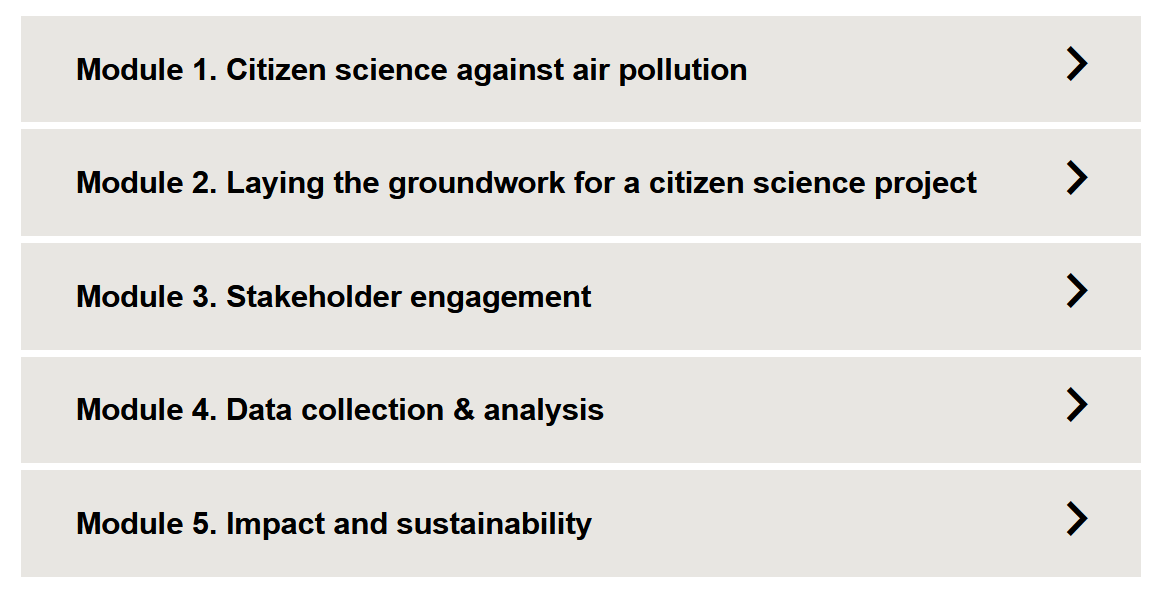
New online course for citizen science practitioners 👨🎓👩🔬
"Better together: Citizen science and digital tools to improve air quality policy" teaches A-Z of community-driven urban sensing in smart cities 👩🧔📡🌬️🚘
Become a certified expert. Enrol now.
https://t.co/qYTLGbscN2