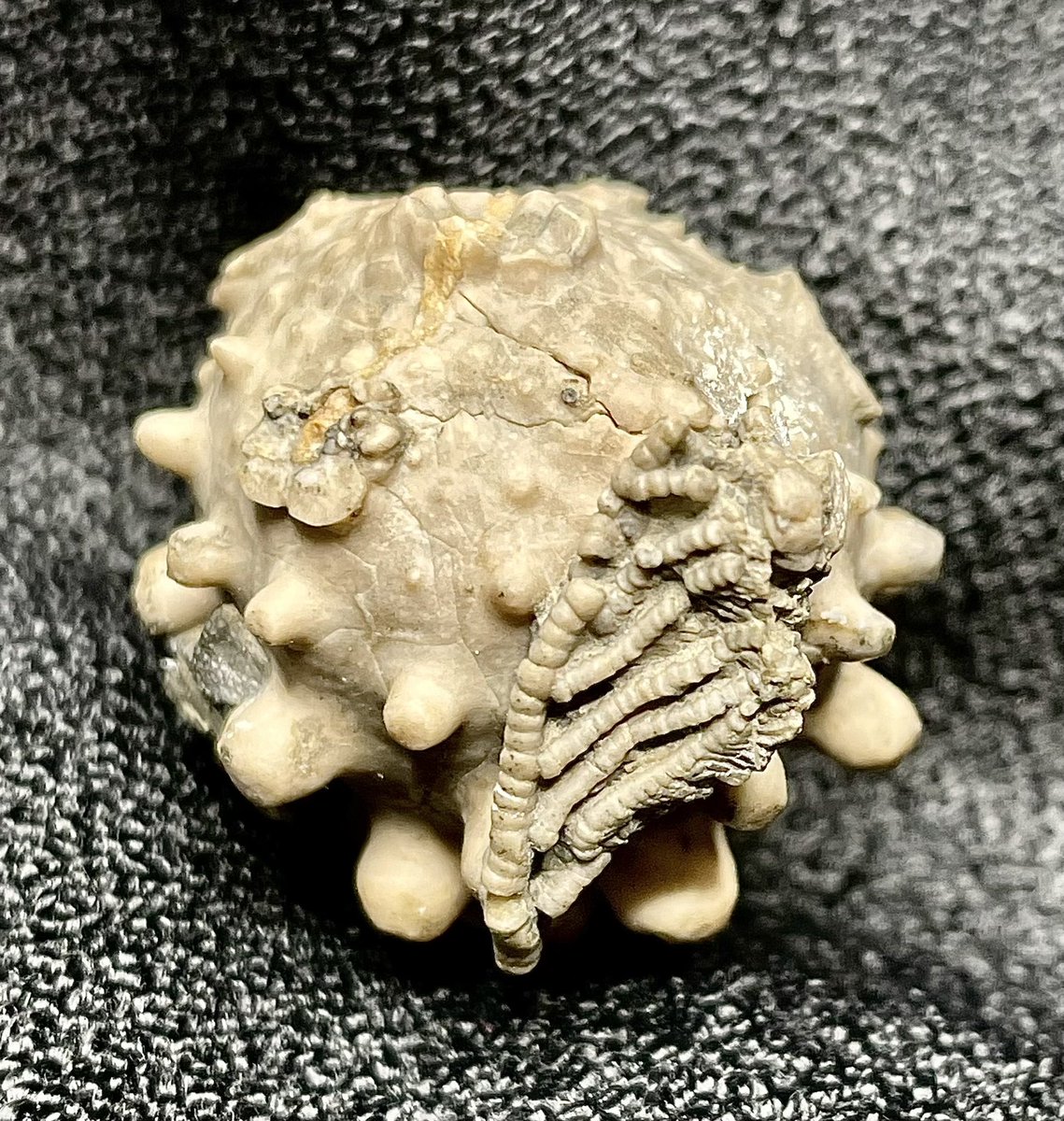
Crinoids are the less well known relatives of sea stars and sea urchins that belong to the phylum Echinodermata. This particular fossil (WM/P 596) was found in the Devonian Period rocks of Milwaukee by Kenneth Gass. #fossils#paleozoic#museum
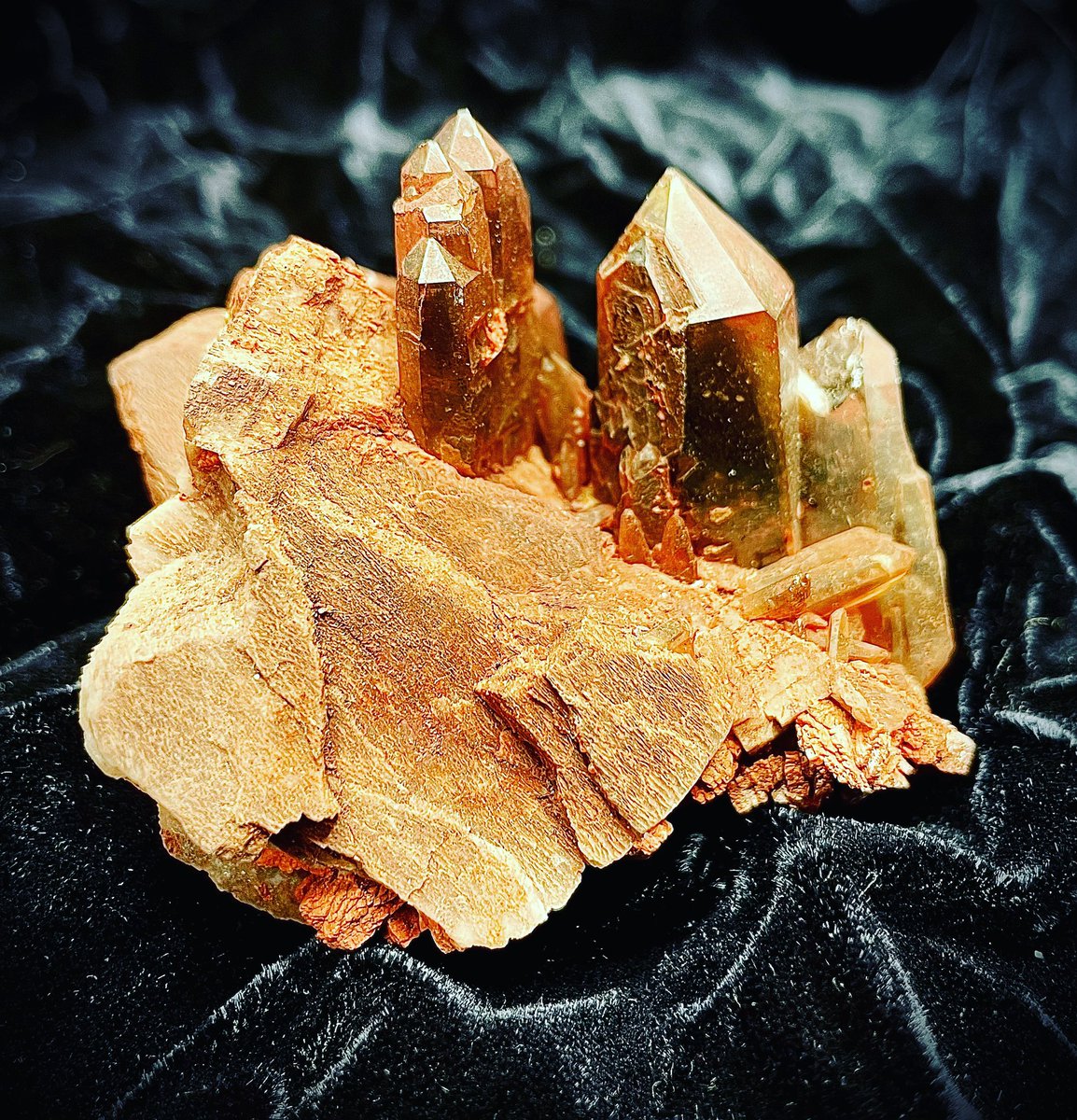
As we continue our look into the new collections, here is a 1.5 billion year old smoky quartz cluster from Wausau, Wisconsin. This specimen is 7x5cm with 3cm tall crystals. #museum#minerals#crystals#wisconsin
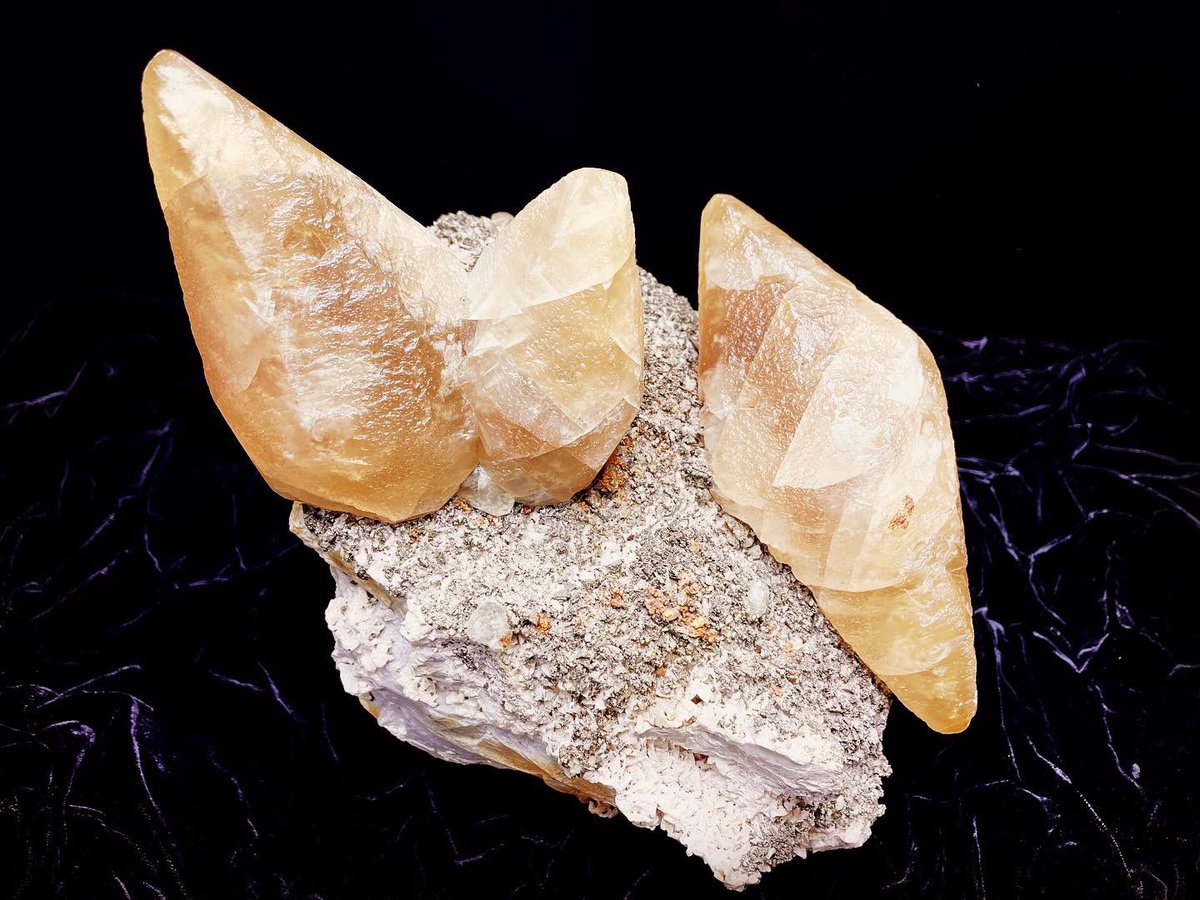
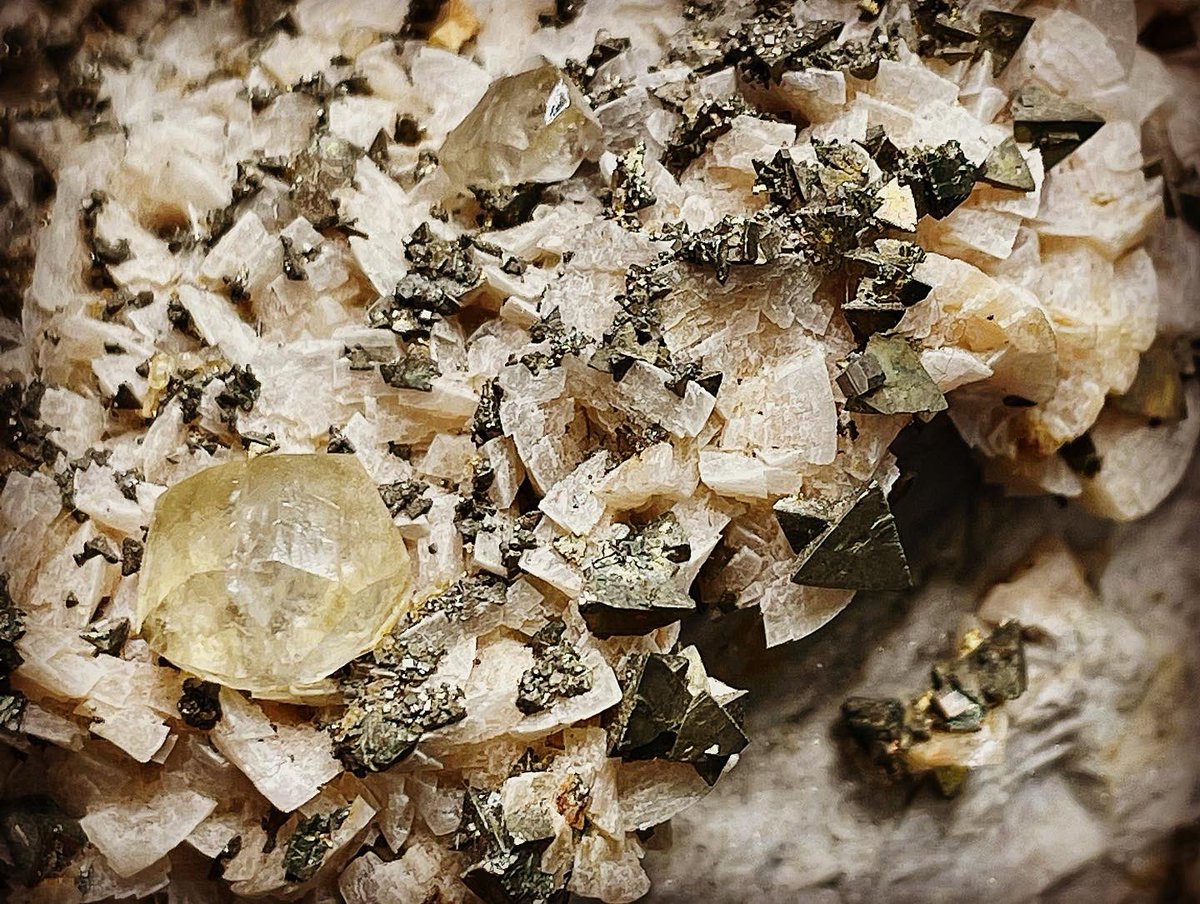
The WESM is busy organizing our collections. Enjoy our weekly posts highlighting specimens we are working with today. This is WM/M 825, an impressive example of calcite crystals on dolomite from Joplin, Missouri. The largest crystal is 18 cm tall! #crystals#geology#museum
UW-Madison isn't the only campus in Wisconsin that has a geology museum — those in the Appleton area may want to check out the @WeisMuseum on the @UWOFox campus in Menasha.
https://t.co/I75z6jJamh
🔬 The number of known species that once lived in North America went up by two thanks to a team of researchers that includes a @UWOFox paleontologist.
More: https://t.co/RjUMv1EJ2y
The Geological Society of America is holding its annual meeting this week in Portland, Oregon. On Tuesday, scientists were scheduled to celebrate the legacy of Joanne Kluessendorf, a respected geologist from Wisconsin, who passed away in 2018. https://t.co/wUT6xf1I2A
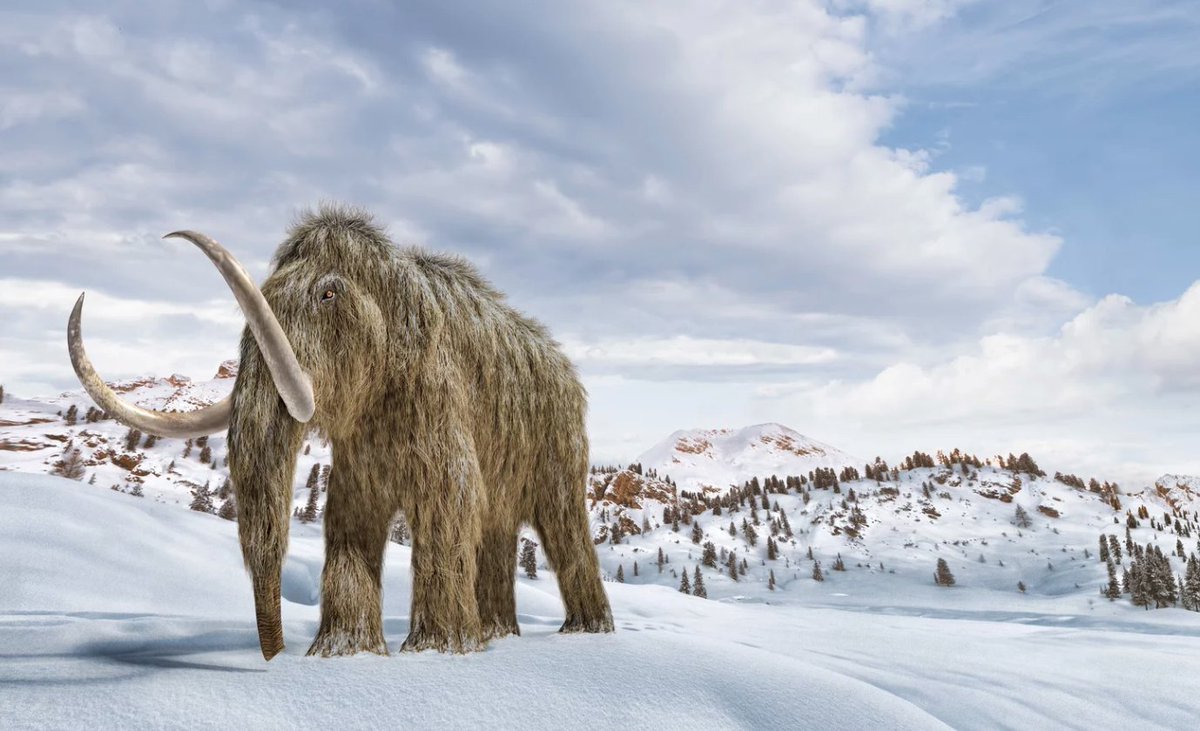
Joseph Frederickson, a vertebrate paleontologist at @UWOFox and director of the Weis Earth Science Museum, spoke with @NPR about what the recent eyebrow-raising woolly mammoth news could mean: https://t.co/9ksRs3QTbf
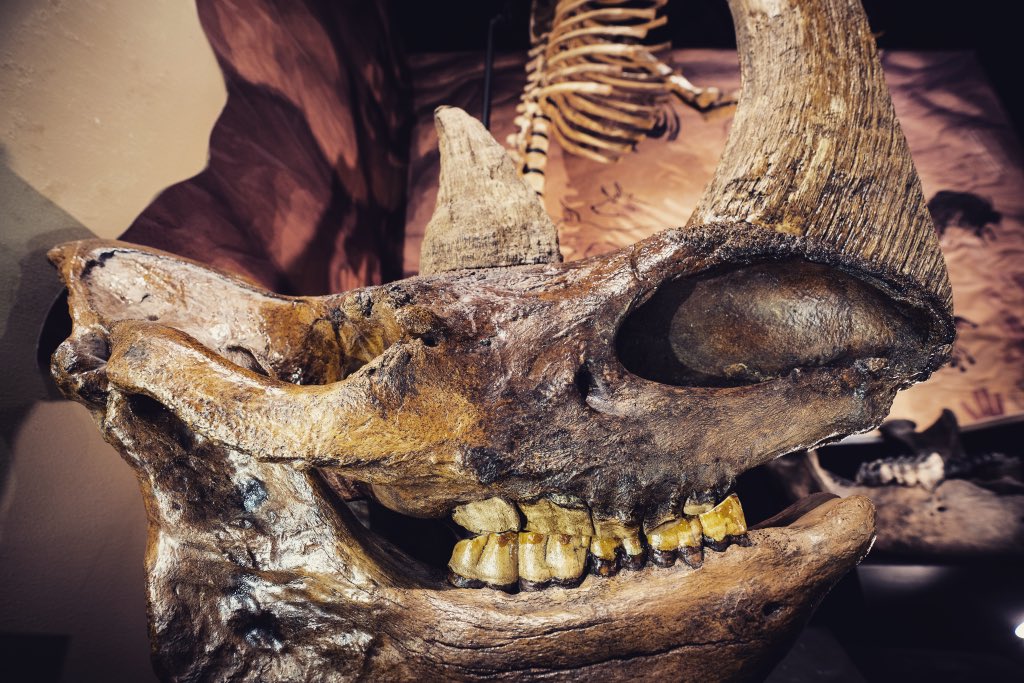
Happy #FossilFriday! This is the skull of a woolly rhinoceros (Coelodonta antiquitatis) which roamed Eurasia during the Pleistocene Epoch. Standing over 6 feet tall at the shoulders, this creature was about the same size as a modern white rhino but completely covered in long fur!
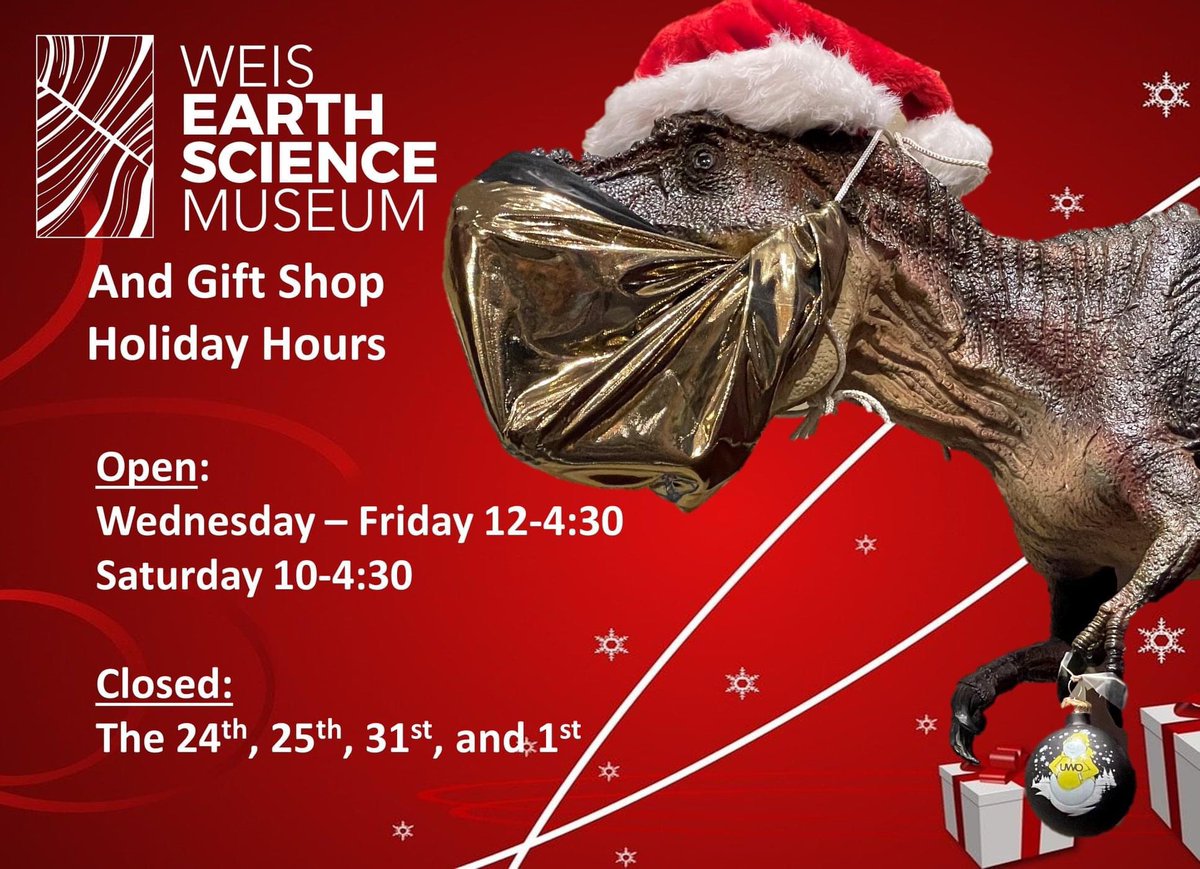
Summer has arrived! Starting next week the museum and gift shop will be open for our new regular hours: Wed-Fri 12 to 4:30 and Sat 10 to 4:30. We will be closed Sun-Tues and holidays.
More dinosaur research from UWO! Using metal replica dinosaur teeth and cow bones, Dr. Peterson and colleagues were able to determine that young T. rex could bite with bone crushing force. https://t.co/OctjlGIq8T
Today we recognize those who gave their lives in the service. To all the sacrifices military women, men, and families have made, we at the WESM thank you.