The new role looks great, but before you say yes, look closely at what you leave behind. For executives, unvested equity, deferred compensation, and benefits can make the timing of a career move worth a much closer look.
A lot can change in a year, and Medicare Open Enrollment (Oct 15–Dec 7) is the time to check if your coverage still fits. If your doctors, prescriptions, or costs have shifted, we can help align your healthcare needs with your overall financial plan.
After decades of earning and saving, turning off the paycheck can feel uncertain—even when you’ve prepared well. The key is understanding where your income will come from and how your plan adapts, turning what you’ve built into the life you actually planned for.
People don't schedule a meeting just to review investments—they do it because life changes. A new job, a growing family, or an aging parent can feel overwhelming. The best financial plans aren't built to stay static; they're designed to adapt as your life changes.
"Can we look at this together?" Some of our best meetings start with a client pulling out a statement and saying, "I've been meaning to ask about this." You don't need everything organized beforehand—most things aren't as complicated as they seem, and asking is the first step.
"What is your wealth actually for?" The answer is almost never a number—it's about the life you want to build and the people you care for. Once that purpose is clear, financial priorities come into focus so your plan reflects you, not just your portfolio.
Retirement brings an unexpected change in identity when meetings stop and routines shift. But your experience didn't retire with you. Whether through mentoring or community service, the lessons you’ve earned over decades can make your next chapter just as meaningful.
No one walks in excited to review beneficiaries. They say: "We've been meaning to update our wills," or "we just never got around to it." Families don't put off estate planning because they don't care—life simply gets in the way.
Unanswered financial questions have a way of taking up endless mental space. You don't need all the answers before reaching out—sometimes just bringing a question into the open is the first step toward feeling lighter.
When everyone counts on you, your own goals can easily take a back seat. But supporting others starts with planning for yourself. You deserve the same care you give everyone else—sometimes the best move is just making time for the conversation.
The hardest part of financial planning is filtering out irrelevant advice. A good plan acts as that filter, helping you ignore the noise, focus on what matters to your unique situation, and make decisions with clarity instead of urgency.
After decades of building a business, value becomes about more than just a number—it's about supporting your family, retirement, and future. If it's been a while since you connected your business's value to your personal financial goals, let's talk.
Retirement isn't just about reaching a portfolio goal; it's a means to more time with family, freedom to travel, and flexibility with your days. Great financial planning starts by asking: What do you want life after work to look like?
Every financial situation is unique, but the emotions around money—fear, uncertainty, and family responsibility—are universal. Those feelings heavily shape our choices. An advisor's greatest value is helping you talk through them to bring clarity when making big decisions.
In major life transitions, it's easy to feel like every decision requires an immediate answer—but usually, it doesn't. Thoughtful planning creates the space, flexibility, and guidance you need when emotions are high, letting you focus on processing what matters most.
For many executives, success becomes concentrated in a single company—providing your salary, bonus, equity, and future wealth. Stepping back to ask how much of your financial future depends on one outcome helps ensure your total picture stays balanced as your career grows.
Business owners carry a lot—balancing employees, clients, operations, and family. Somewhere in the middle are the high-impact decisions that lack a strict deadline but still need attention. When you're ready for the space and perspective to talk them through, our team is here.
Life gets busy, but the goals you set in January still matter. The halfway point of the year is the ideal time to pause, check your alignment, and ensure your strategy still supports where you want to go. There's plenty of time left to make real progress.
After decades of saving, spending in retirement can feel surprisingly uncomfortable. The hesitation isn't financial—it's emotional. Learning to enjoy what you’ve built is just as important as building it in the first place.
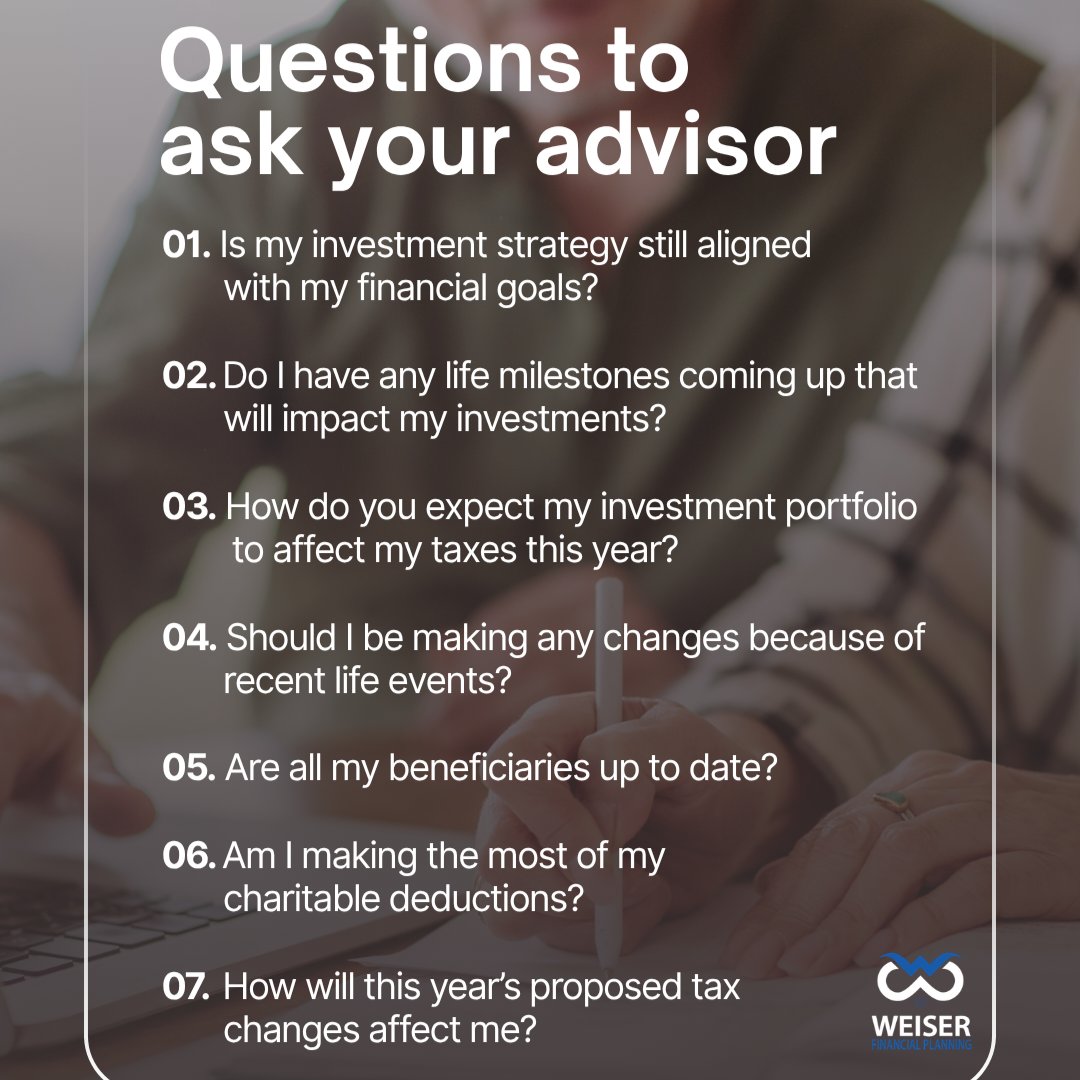
Review meetings are about more than just performance numbers. Life shifts, new opportunities arise, and priorities evolve. As your next check-in approaches, take time to consider how recent milestones, shifting goals, or unresolved questions might reshape your long-term plan.