SE RETIRA UN GRANDE EL JUGADOR MÁS DICIPLINADO EL MÁS HUMILDE EL QUE MÁS A APOYADO A LA UNCEF EL HOMBRE QUE NO TIENE ARROGANCIA EL SER HUMANO QUE HIZO GANADOR EL PUEBLO ❤️🫂🇵🇹❤️
Winning doesn’t come easy, but @vinijr knows all the right moves to get there. Dancing through defenders, obstacles, and doubt, all the way to the top.
#NikeFootball
El doctor Fadul asegura puede curar algunos tipos de Autismo. Yo no lo dudaría, uno nunca sabe, incluso muchas personas desconocen el hecho de que Fadul ha sido nominado 2 veces al Nobel de medicina
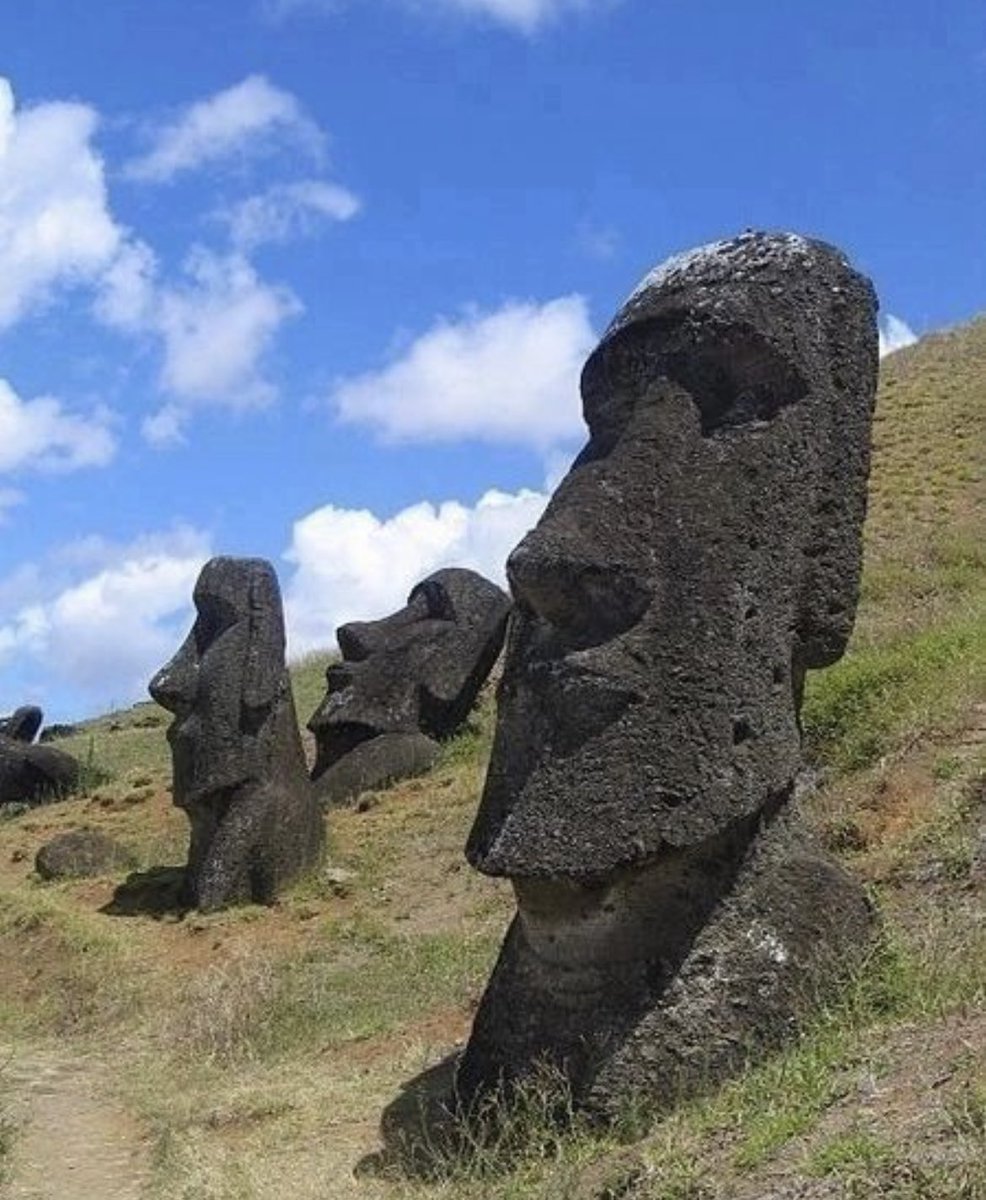
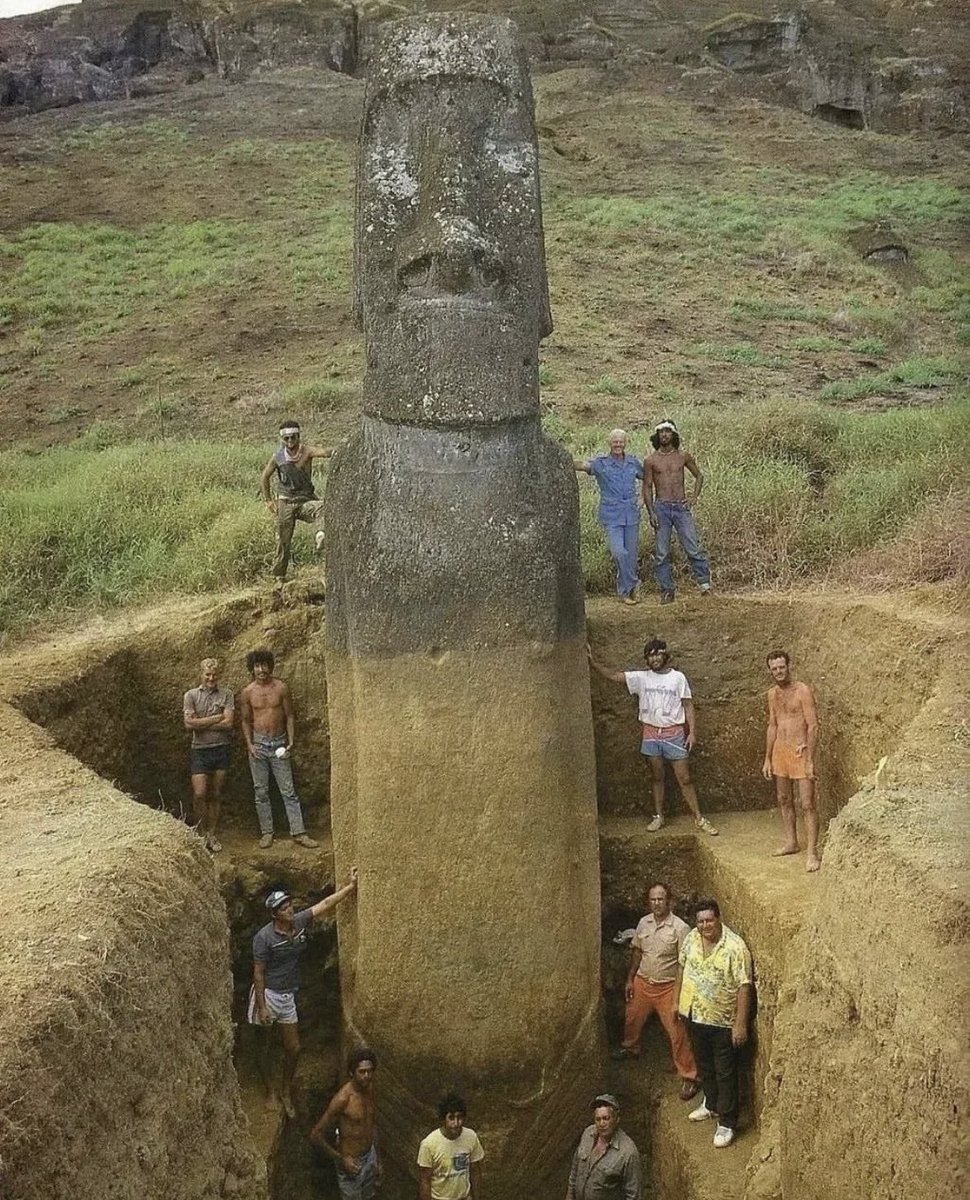
The enigmatic Moai statues of Easter Island, also known as Rapa Nui, have captivated the imagination of people around the world for centuries. These massive megaliths, often referred to as Easter Island heads, were not merely disembodied heads as commonly believed, but in fact, had full bodies. The island's history, culture, and the remarkable engineering feats involved in creating these statues make for a fascinating tale.
The construction of the Moai took place between approximately 1400 and 1650 A.D., during a period of intense cultural and artistic development on Easter Island. The statues were crafted by the island's native inhabitants, the Rapa Nui people, who inhabited this remote land in the southeastern Pacific Ocean. Despite the island's isolated location, the Rapa Nui managed to develop a sophisticated civilization with remarkable artistic and engineering skills.
The Moai statues vary in size, with some towering up to 10 meters in height and weighing up to an astonishing 86 tons. However, the average size of the statues is around half of that, still an impressive feat given the limitations of the tools and resources available to the Rapa Nui. In total, it is estimated that around 1000 Moai statues were carved on the island.
The primary source of the Moai statues was the volcanic crater known as Rano Raraku. This location was chosen for its abundant tuff, a type of compressed volcanic ash that was relatively soft and easy to carve with stone tools. The Rapa Nui people skillfully sculpted the Moai, transforming the raw tuff into intricate, imposing figures. The process of carving a Moai involved meticulous craftsmanship and required an immense amount of labor.
The statues were not merely symbols of artistic expression; they held deep cultural and spiritual significance for the Rapa Nui people. They represented deified ancestors, revered figures whose role was to watch over and protect their communities. The statues were erected on ceremonial platforms called ahu, which were often located along the coast. The ahu were an integral part of the Rapa Nui's ritual and religious practices.
Unfortunately, the reasons behind the decline of the Rapa Nui civilization and the abandonment of statue production remain the subject of much debate and speculation. It is believed that the ecological impact of deforestation, resource depletion, and internal conflicts may have contributed to their downfall. The construction and transportation of the Moai required significant amounts of timber for sledges and ropes, leading to the depletion of the island's once-abundant forests.
Today, the Moai statues stand as silent sentinels, testaments to the remarkable ingenuity and creativity of the Rapa Nui people. The mystery surrounding their construction and the legends that surround them continue to intrigue and inspire researchers, historians, and visitors alike. The Moai of Easter Island serve as a reminder of the power of human determination and the enduring legacy of ancient civilizations.
En Israël, des drones ont commencé à cueillir des pommes. La machine détermine la maturité, la douceur et l'intégrité du fruit, puis l'arrache délicatement de la branche....