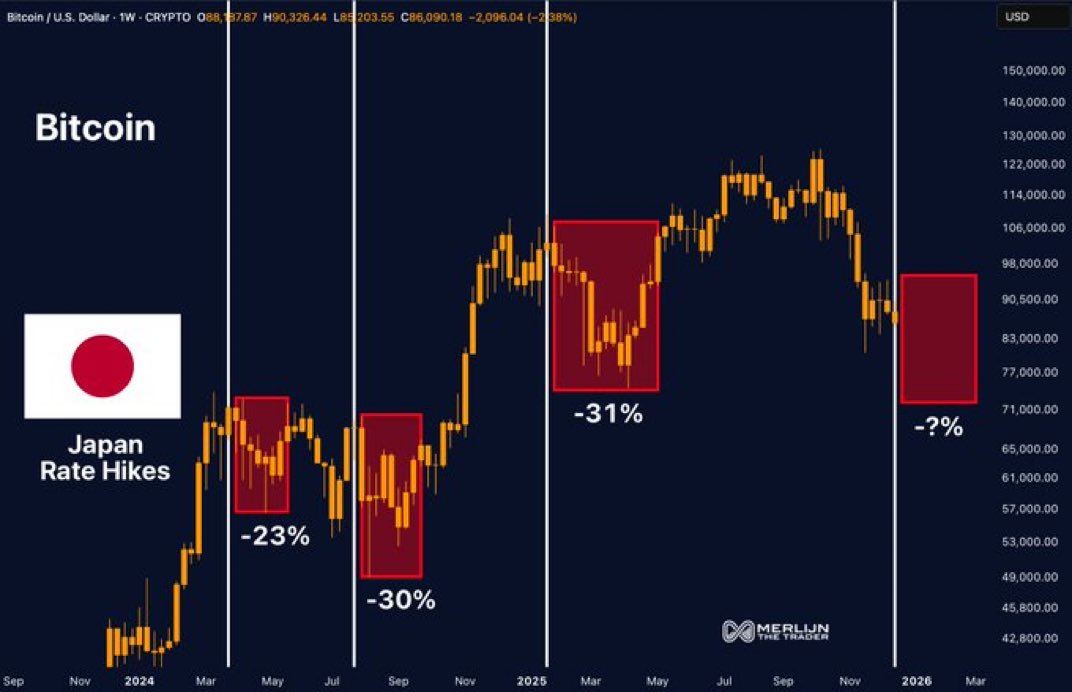
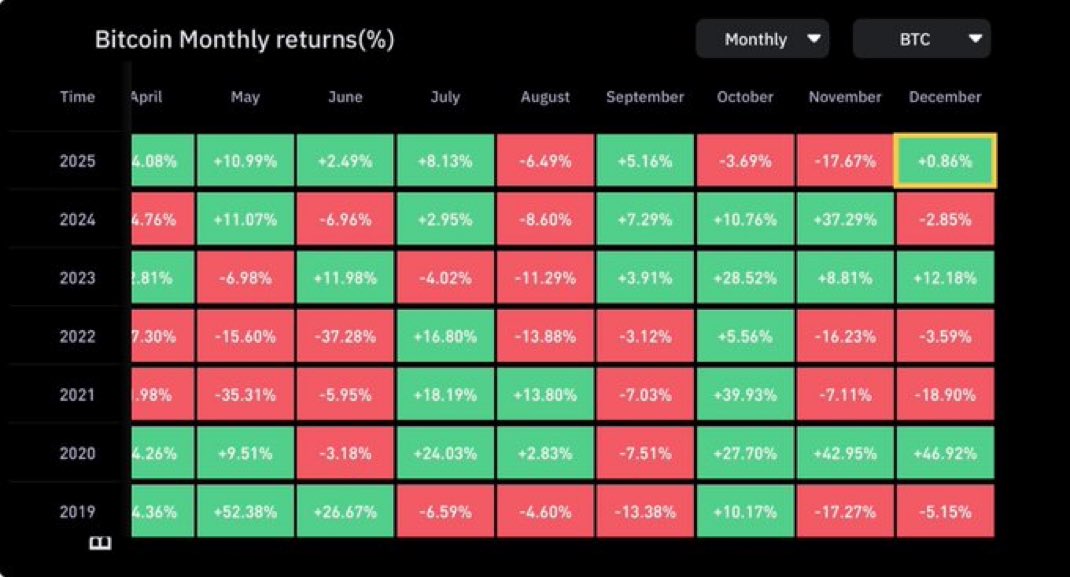
We're seeing the same old story play out once again—history on repeat, cycle after cycle.
A lack of adequate liquidity continues to be the biggest roadblock preventing a full-blown crypto bull market.
The last cycle was abnormally brief, while this one appears to be dragging on much longer.
At the end of the day, liquidity is the primary driver behind these wild market swings.
There's a slim possibility—roughly 10%—that we won't get a proper bull run in 2026, and it could even coincide with a sharp S&P 500 crash.
That said, a prolonged bull market remains the more likely outcome, given that the US government must find ways to tackle its enormous debt burden, and expanding the money supply is one of the go-to strategies for making that happen.
#Crypto #Bitcoin #BullMarket #Liquidity #CryptoCycles #BTC #MarketAnalysis #Crypto2026 #SP500 #MacroEconomics
We're seeing the same old story play out once again—history on repeat, cycle after cycle.
A lack of adequate liquidity continues to be the biggest roadblock preventing a full-blown crypto bull market.
The last cycle was abnormally brief, while this one appears to be dragging on much longer.
At the end of the day, liquidity is the primary driver behind these wild market swings.
There's a slim possibility—roughly 10%—that we won't get a proper bull run in 2026, and it could even coincide with a sharp S&P 500 crash.
That said, a prolonged bull market remains the more likely outcome, given that the US government must find ways to tackle its enormous debt burden, and expanding the money supply is one of the go-to strategies for making that happen.
#Crypto #Bitcoin #BullMarket #Liquidity #CryptoCycles #BTC #MarketAnalysis #Crypto2026 #SP500 #MacroEconomics
As of Dec 2025, the US economy's in late-stage expansion: GDP chugging at ~2%, unemployment ticking up to 4.6%, inflation ~3% (still above Fed's 2% target). Fed's easing rates to 3.5-3.75% to keep the party going.
Heading into '26: Slower growth (1.5-2%), soft landing vibes, but recession risks ~40% from tariffs & policy shifts.
Crypto tie-in: Bullish for risk assets like BTC/ETH in this easing cycle—lower rates fuel speculation. But if downturn hits, volatility spikes. Stack sats while the expansion lasts? 🚀📉 #BusinessCycle #CryptoEconomy
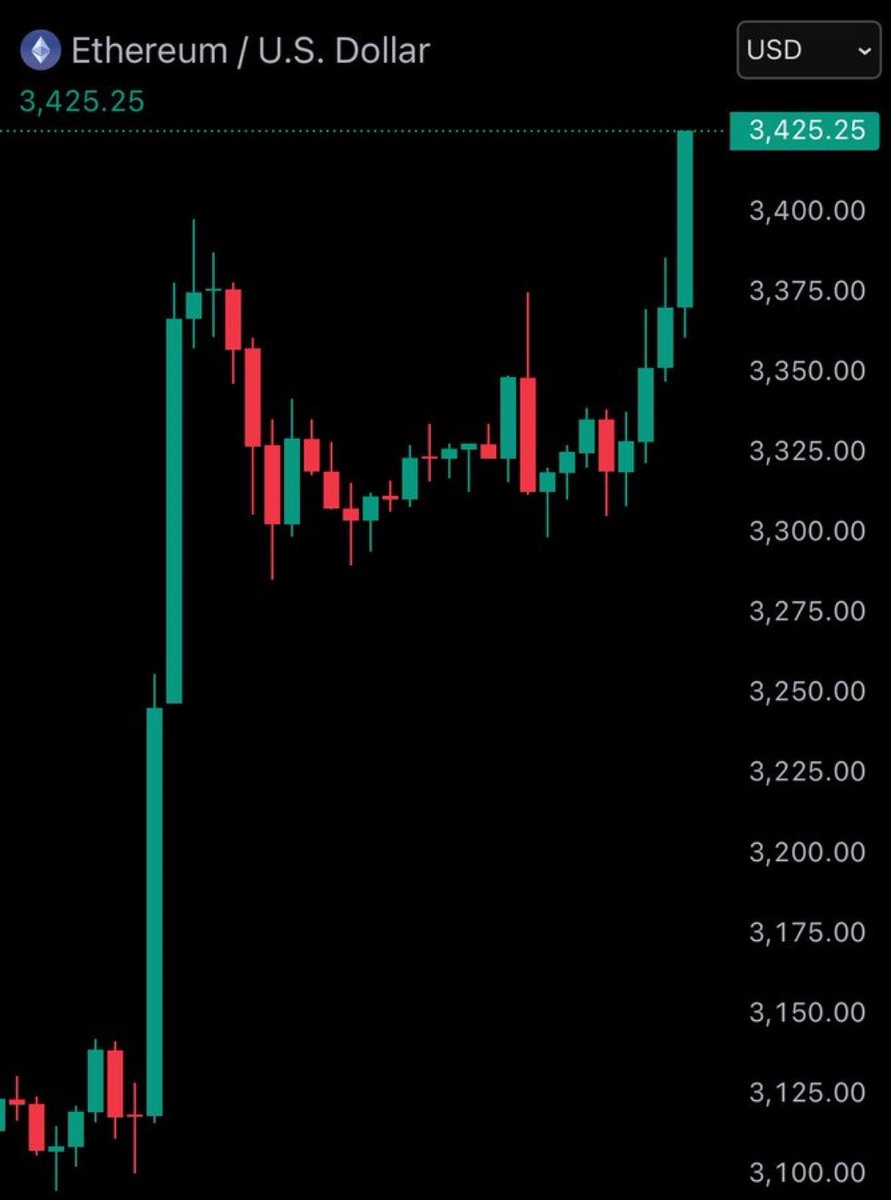
Ethereum (**ETH**) often drops more sharply than Bitcoin (**BTC**) during market downturns due to its higher **beta** — it amplifies Bitcoin's moves both up and down. This stems from several structural and market dynamics:
- **Higher volatility and risk profile** — ETH is generally more volatile than BTC. Historical data shows ETH experiencing ~30-50% greater price swings in many periods, as it's viewed as a "growth" asset tied to DeFi, NFTs, smart contracts, and Layer-2 ecosystems, while BTC is seen as "digital gold" — a more conservative store of value with stronger institutional backing (e.g., via spot ETFs that have seen larger and more consistent inflows).
- **Altcoin behavior** — As the leading altcoin, ETH tends to underperform BTC in risk-off environments. When investors flee risk, capital rotates into BTC first (raising BTC dominance, currently around 59%), causing the ETH/BTC pair to decline. Recent examples include periods in 2025 where ETH fell 5-11%+ while BTC dropped only 1-2%, often exacerbated by ETH-specific factors like spot ETF outflows (e.g., consecutive days of $19-42M outflows pressuring ETH more than BTC).
- **Liquidity and market flows** — ETH has lower overall liquidity and trading depth compared to BTC in many scenarios, leading to sharper price reactions during sell-offs. Leverage and liquidations hit ETH harder, as it's more exposed to speculative narratives.
Yes, **liquidity in the crypto market is still largely driven by Bitcoin**. BTC accounts for the majority of trading volume, market cap share (~59% dominance as of late 2025), and institutional flows. Major market moves often start with BTC (e.g., its drops trigger cascades into ETH and alts), and concentrated liquidity remains in top assets like BTC, ETH, and stables — with BTC leading the pack. Global liquidity trends (e.g., stablecoin inflows, ETF activity) heavily influence BTC first, rippling out to the rest of the market. This "Bitcoin season" dynamic persists, even as ETH has shown relative strength in some 2025 rallies.
### Potential Santa Rally in Crypto: A Festive Pump Incoming? 🚀🎅
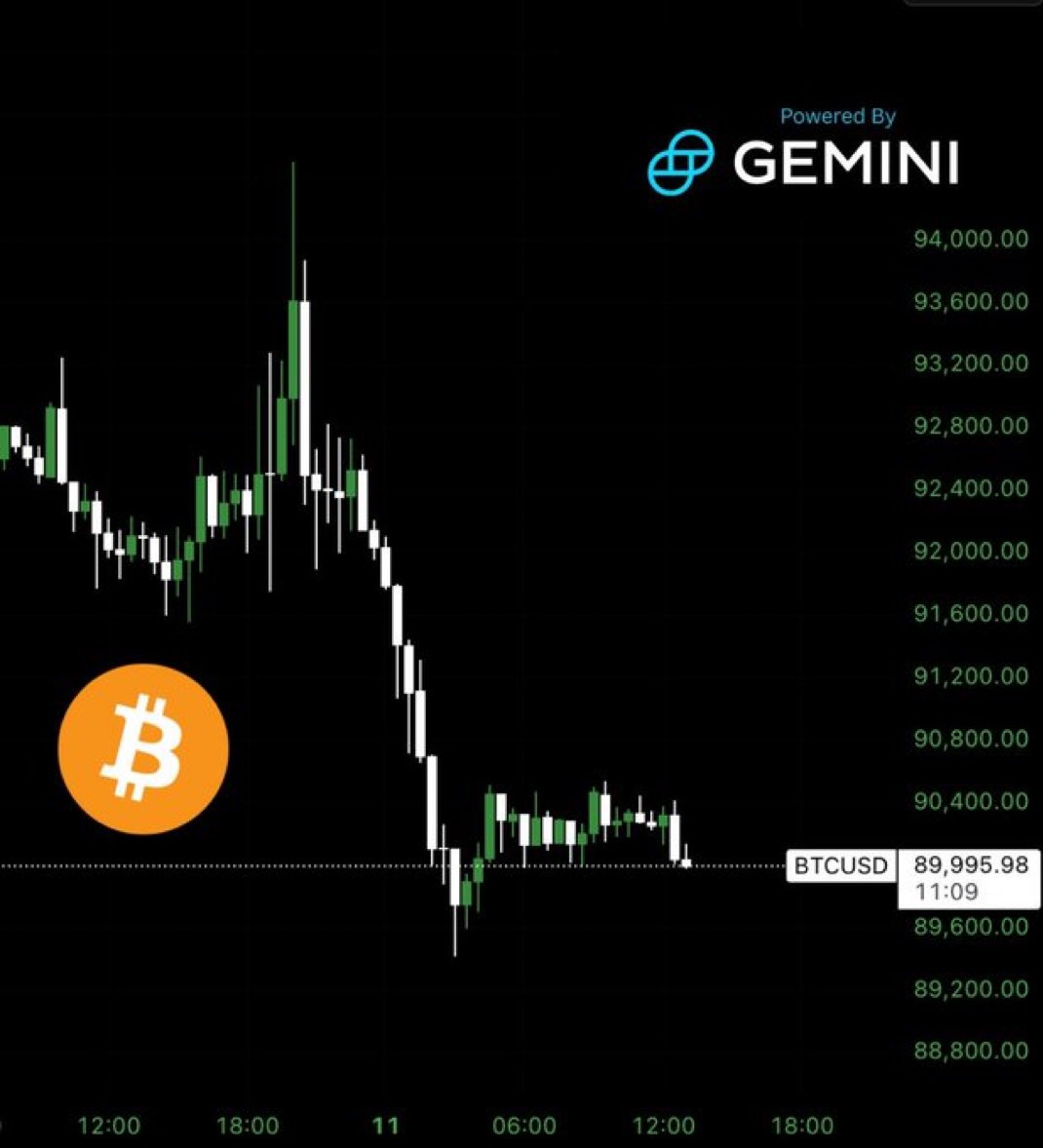
BTC dipped below $90K after the November scare, but December has historically been the most bullish month. Crypto has delivered a Santa Rally (Dec 24–Jan 3) in 8 of the last 10 years with average gains around 15%.
Why now?
- Most retail investors plan to buy gifts in crypto this holiday season (way more buyers than sellers)
- Fed rate cuts almost fully priced in = fresh liquidity coming
- Open interest surging, altcoins like SOL, XRP, and ONDO already heating up
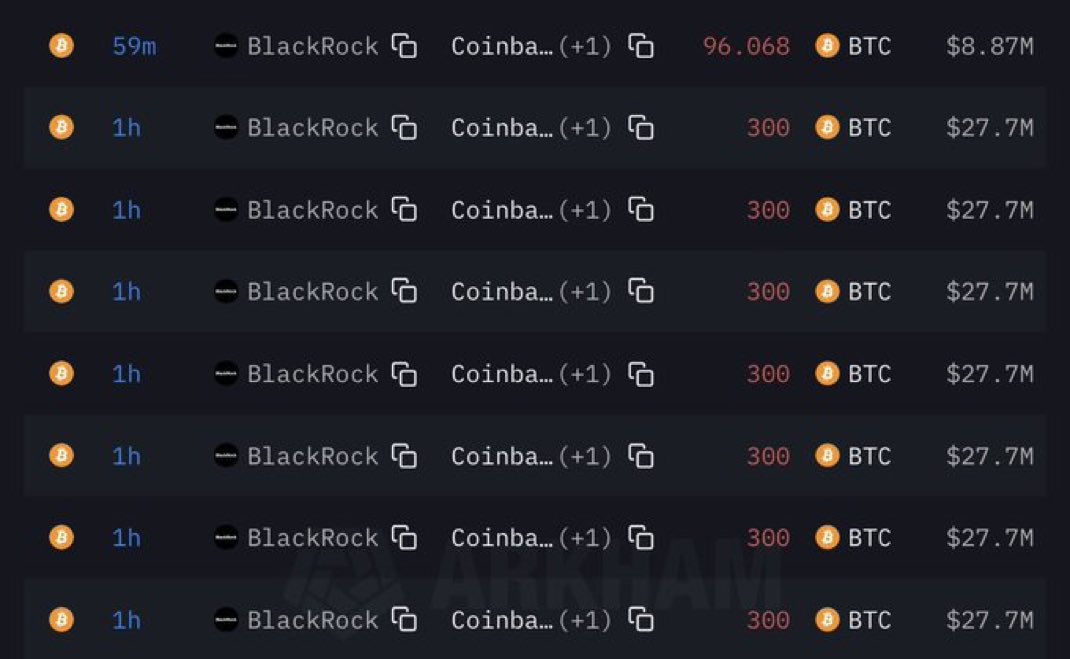
Add Trump policies + continued ETF inflows and we could see real euphoria. $150K BTC still in play before year-end?
Load the sleigh or wait for the dip? What’s your move? #Crypto #SantaRally #Bitcoin