Howdy! I’m Maria, and I’m dedicated to demystifying work with English Learners (ELs) in classrooms across the US. All opinions are my own. she/her/ella
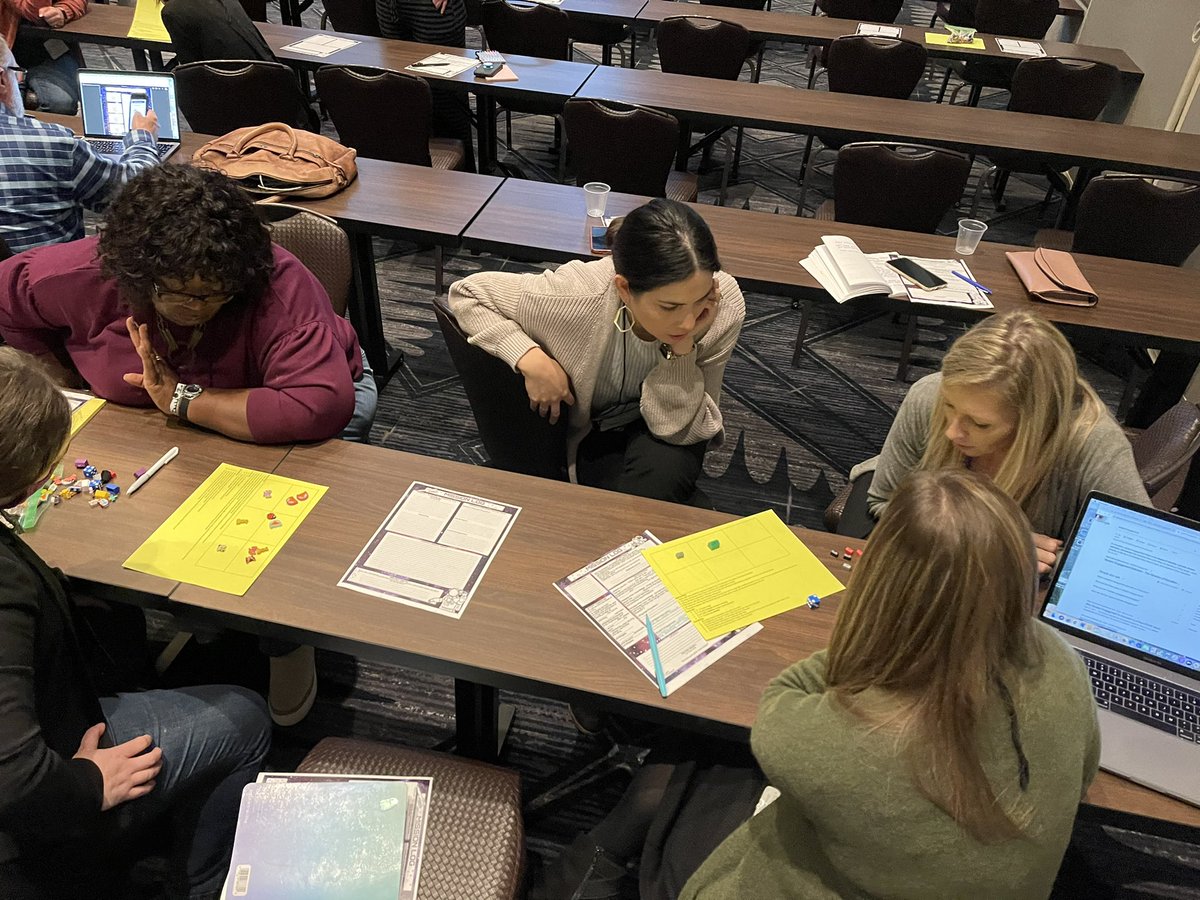
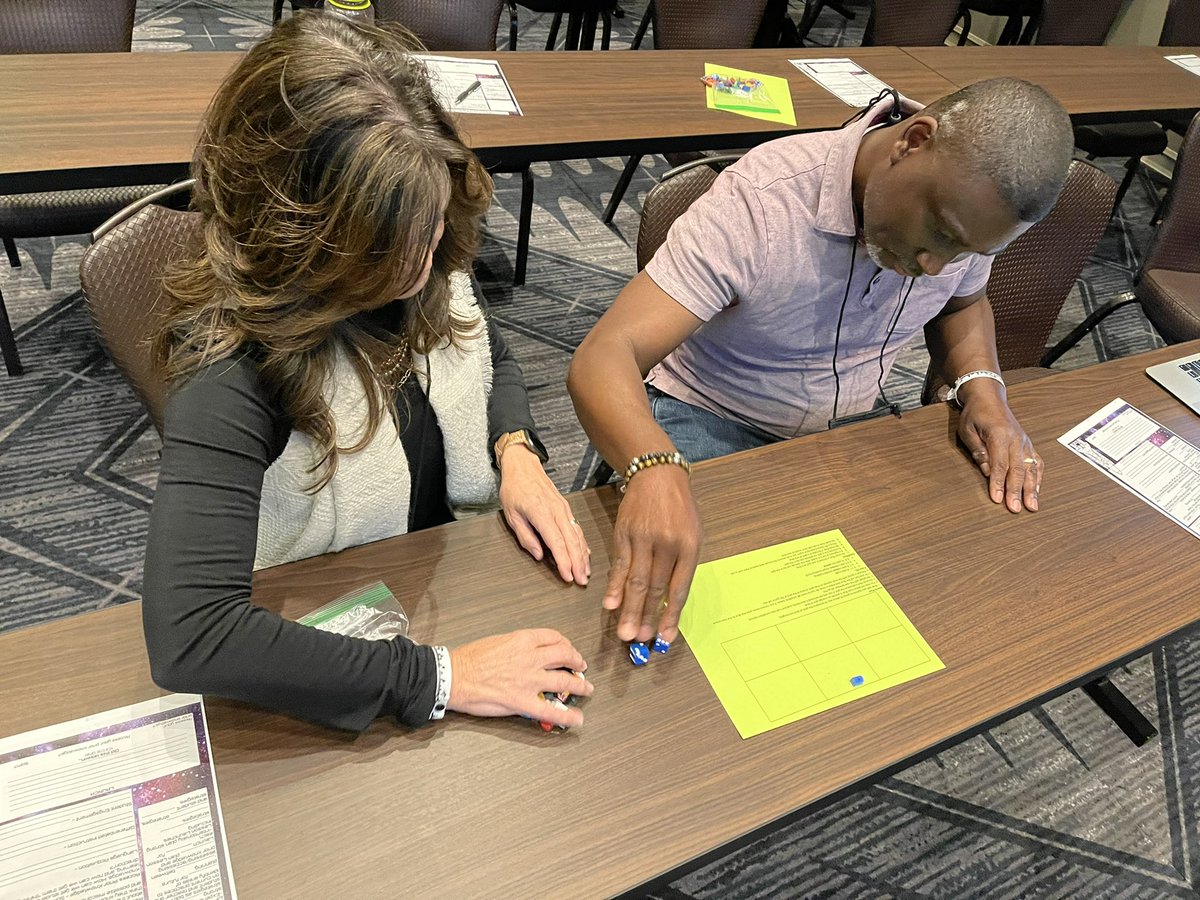
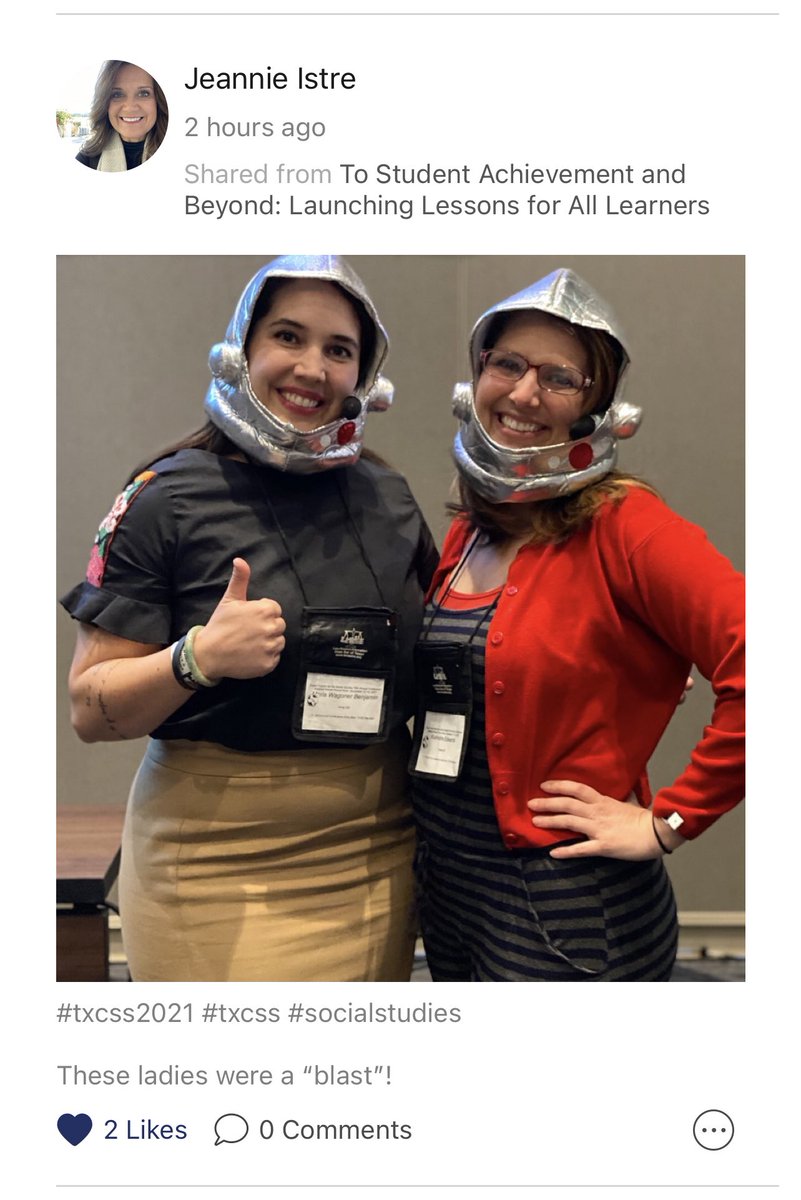
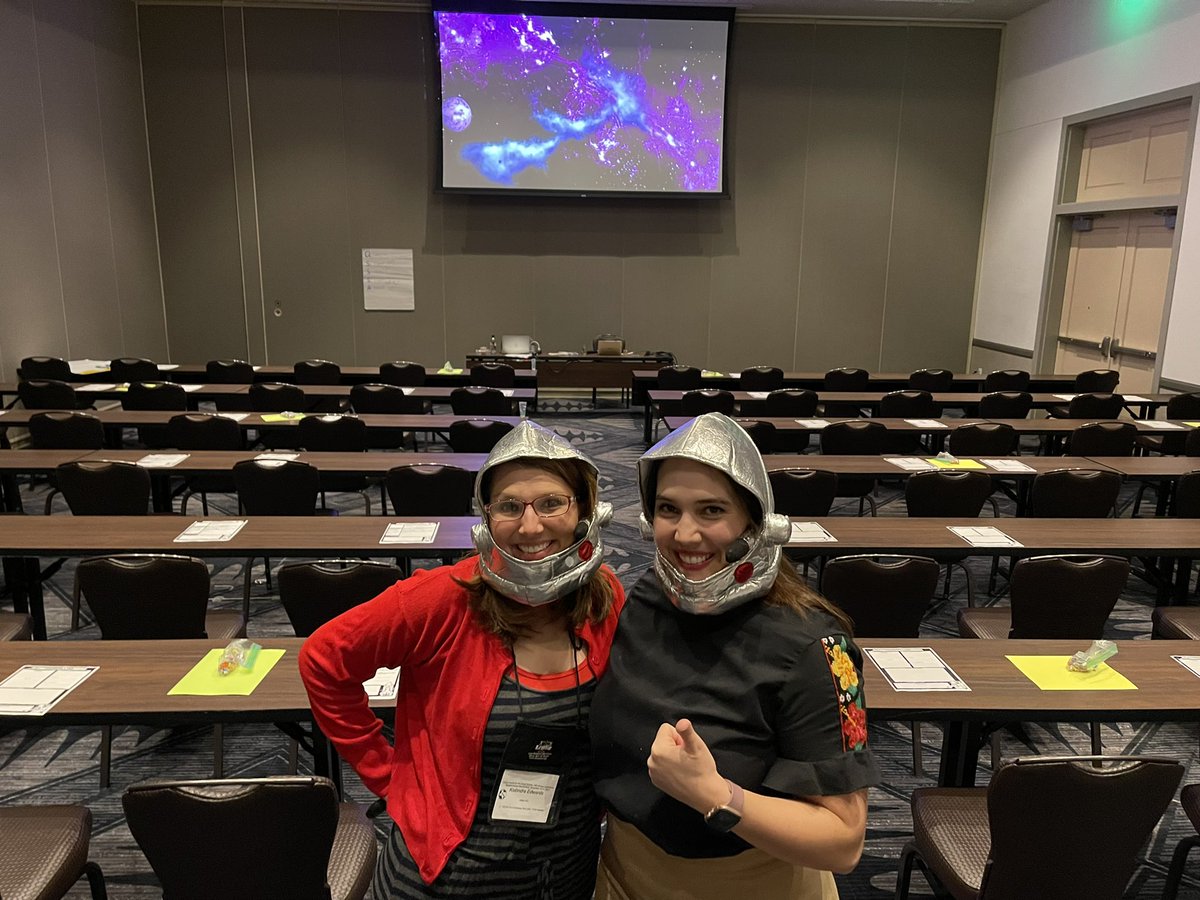
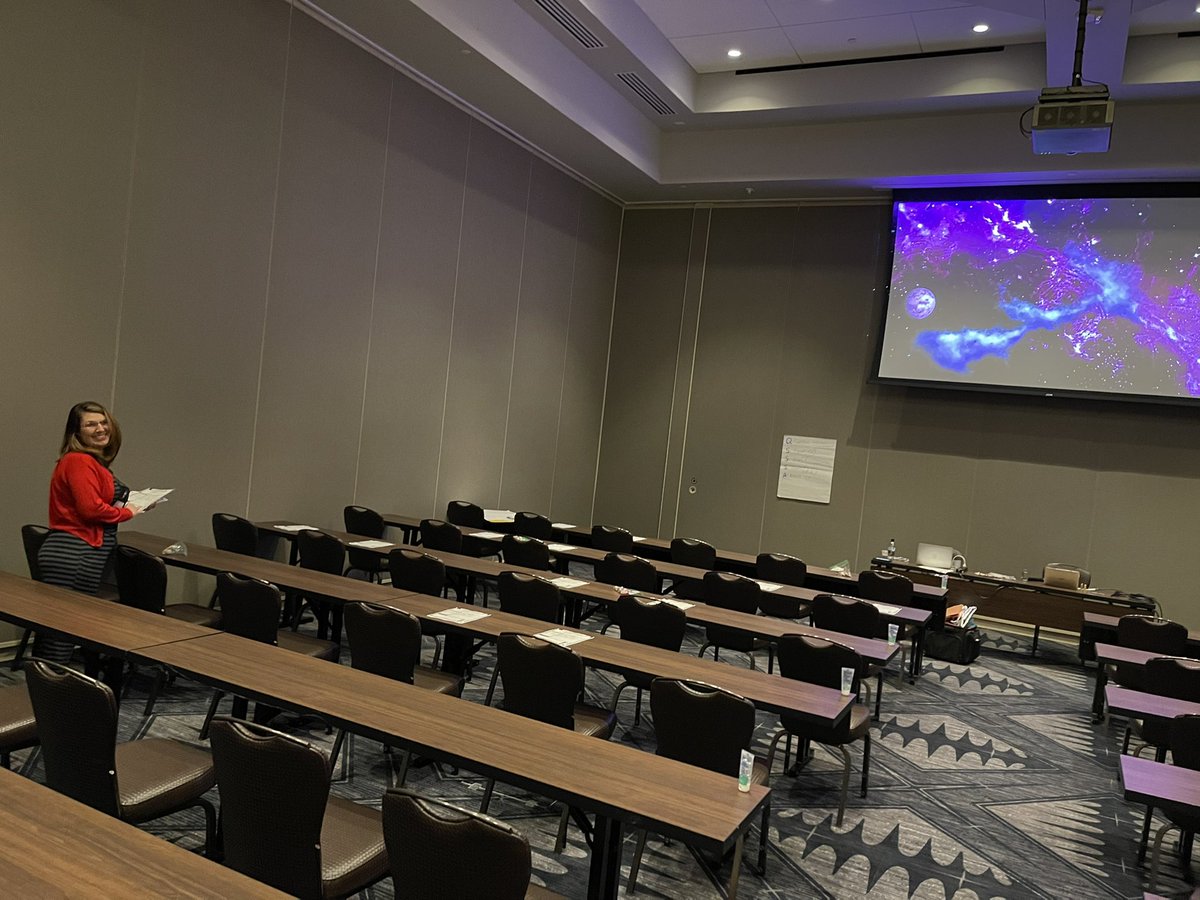
Presenting at the Texas Council for the Social Studies state conference this weekend! If you’re here, come see me at “To Student Achievement and Beyond: Launching Lessons for All Learners” #TXCSS2021
Classroom teachers: if you aren’t aware of your ELs’ English proficiency levels, they may be at risk of falling behind linguistically & academically.
Don’t leave this up to an EL teacher.
Language is everywhere-including in your classroom.
#ESL#ESOL#ELL#ELLchat#educhat
@DISDSocStud A4 it is important for us to understand how vertical alignment drives our instruction, whether we are enriching or supporting. Seeing Social Studies as a "big picture" content area is important to facilitate student understanding and critical thinking. #DISDSSChats
@DISDSocStud A3 Application of the Process Standards. Much of our content is spiraled, but a strong understanding of what and how to apply those skills is always helpful! #DISDSSChats
@DISDSocStud A2 Reading comprehension is a biggie. Social Studies is SO text-heavy and full of TEKS, in a perfect world, students would arrive at/near grade-level. However, many students don't have these skills quite yet, so it can be a great opportunity to build their capacity! #DISDSSChats
JUST IN: @BetsyDeVosED announces that students impacted by school closures due to the #coronavirus pandemic can bypass standardized testing for the 2019-2020 school year. More on these broad flexibilities for states ➡️ https://t.co/dd4Zmu9M76
A5) Just as cognitive verbs in content objectives and student expectations drive the depth and complexity of content instruction, these verbs drive how students show their understanding in both social and academic contexts. #ELLCHAT
@judiehaynes A4) YES! Every teacher is a language teacher, so having descriptors that can be applied in this way will also allow for accountability and equity for ELs in every class! #ELLCHAT
A2) In Texas, we use PLDs (Proficiency Level Descriptors). They encompass the four language domains and are separated between k-1 and 2-12 but otherwise not grade-specific. #ELLCHAT
A3) These descriptors are great for providing educators measurable proficiency levels, especially since they are more specific to grade bands than our PLDs in Texas. I can also see how it can keep expectations in check and prevent them from being too low/high. #ELLCHAT