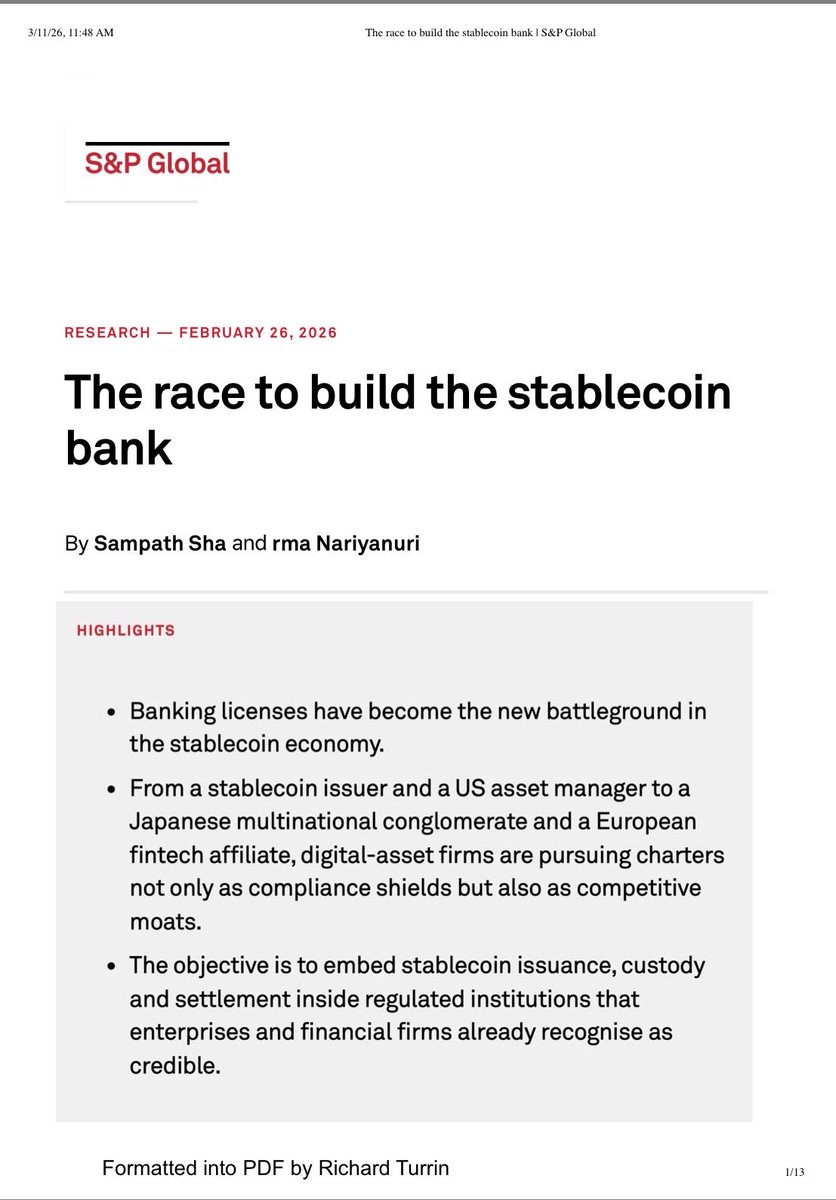
Just came across an interesting research paper from S&P Global called “The Race to Build the Stablecoin Bank.”
It basically lays out how the next phase of crypto isn��t about exchanges or trading.
It’s about who builds the regulated banks that issue stablecoins.
And yes… @Telcoin shows up in it. $TEL 🧵
@LarkDavis Ahh, nice to see others trying to follow in @telcoin’s steps. $TEL already HAVE approval, no conditions or ‘what ifs’ to worry about. Just…..a bank!
Telcoin TEL just became America’s first blockchain bank. They’re connecting mobile networks to crypto and stablecoins. If this works, your phone becomes your bank.
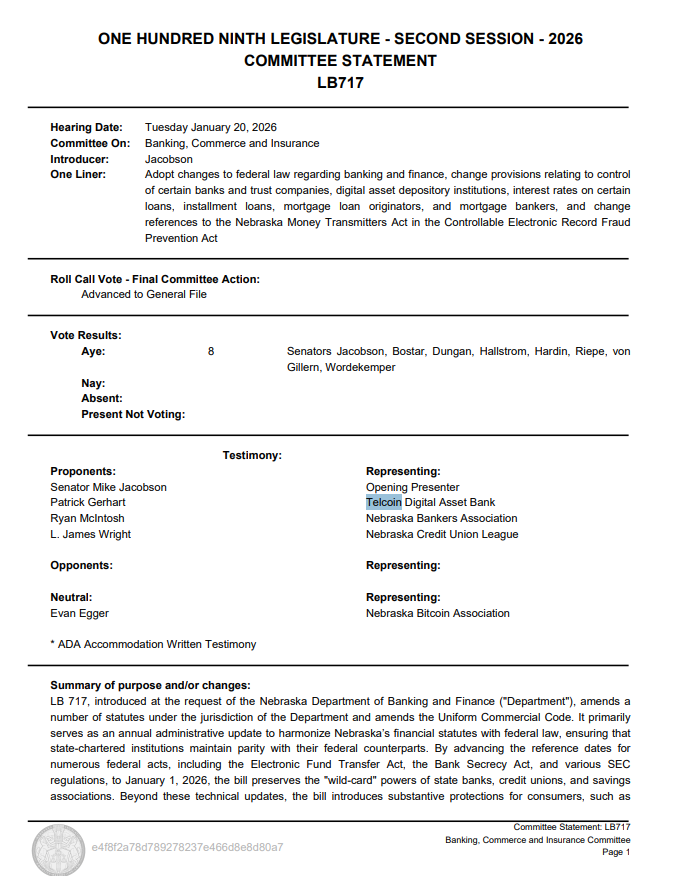
Nebraska lawmakers updating financial law (LB717) and @TelcoinDAB is literally in the room as a proponent.
That’s not “crypto lobbying”
That’s having a seat at the table while the rules get written.
First regulated digital asset bank. First-mover advantage. $TEL 🏦🔥
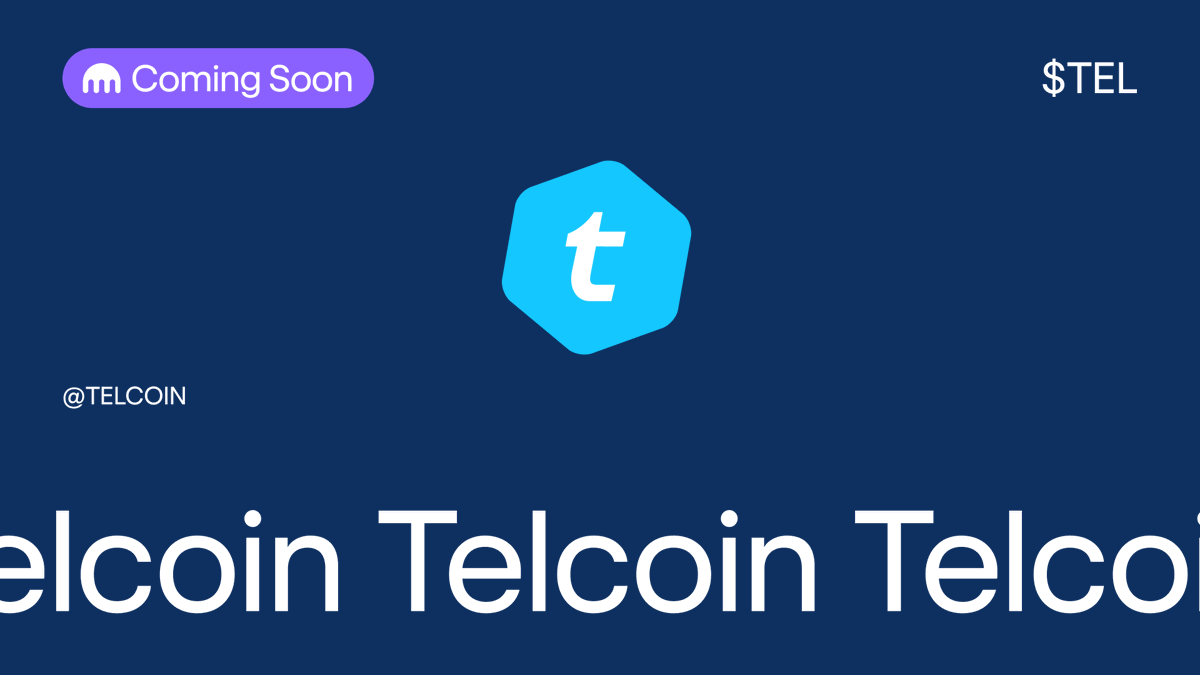
Coming soon to Kraken 📱
$TEL, the native token of Telcoin Network.
@TelcoinTAO aligns mobile networks around a shared blockchain standard, connecting global users to the Internet of Money.
Trading starts on Jan 22 at 14:00 UTC.
Get ready → https://t.co/kNX0x9LOnM
@tonies_UK Would be grateful for a response from @tonies_UK support. 3rd message to them over the course of a week and still no response. Had the toniesbox for 2 weeks and it has stopped working and is completely unresponsive.
A first for U.S. banking: a dollar-backed stablecoin issued directly on a public blockchain.
Under the Nebraska Financial Innovation Act and in line with federal GENIUS Act guidelines, Telcoin Digital Asset Bank has launched the eUSD stablecoin on Polygon.
A meaningful step toward blockchain-native bank accounts in the United States.
There’s a lot of confusion right now around “bank approvals” in crypto, and even in #Telfam, especially after the #OCC approved several national #trustcharters.
So let’s slow down and be specific about what was approved, and how that differs from what @Telcoin has built and been approved for.
This isn’t about who’s better (ok maybe a little 😂).
It’s about understanding what these charters actually allow.
First, the OCC approvals:
What the OCC approved were national trust bank charters.
Key characteristics of an OCC national trust charter:
• Issued by the Office of the Comptroller of the Currency
• Designed for fiduciary, trust, and custody activities
• Historically limited-purpose institutions
• Typically do not take retail deposits
• Typically do not make traditional loans
• Typically do not issue money
• Often operate without FDIC insurance
In crypto, these trust charters are primarily used for:
• Custody of digital assets
• Institutional trust and fiduciary services
• Safekeeping and administration
They are regulated.
They are legitimate, but they are not full depository banks, and they are not designed to issue digital cash.
https://t.co/7k5hz0Y5lf
@DelCrxpto It seems that way. @telcoin has been working diligently in the shadows for years and recently had final approval to launch Telcoin Digital Asset Bank, the first Digital Asset Depository Institution in the United States. An incredible achievement in the face of what you describe!
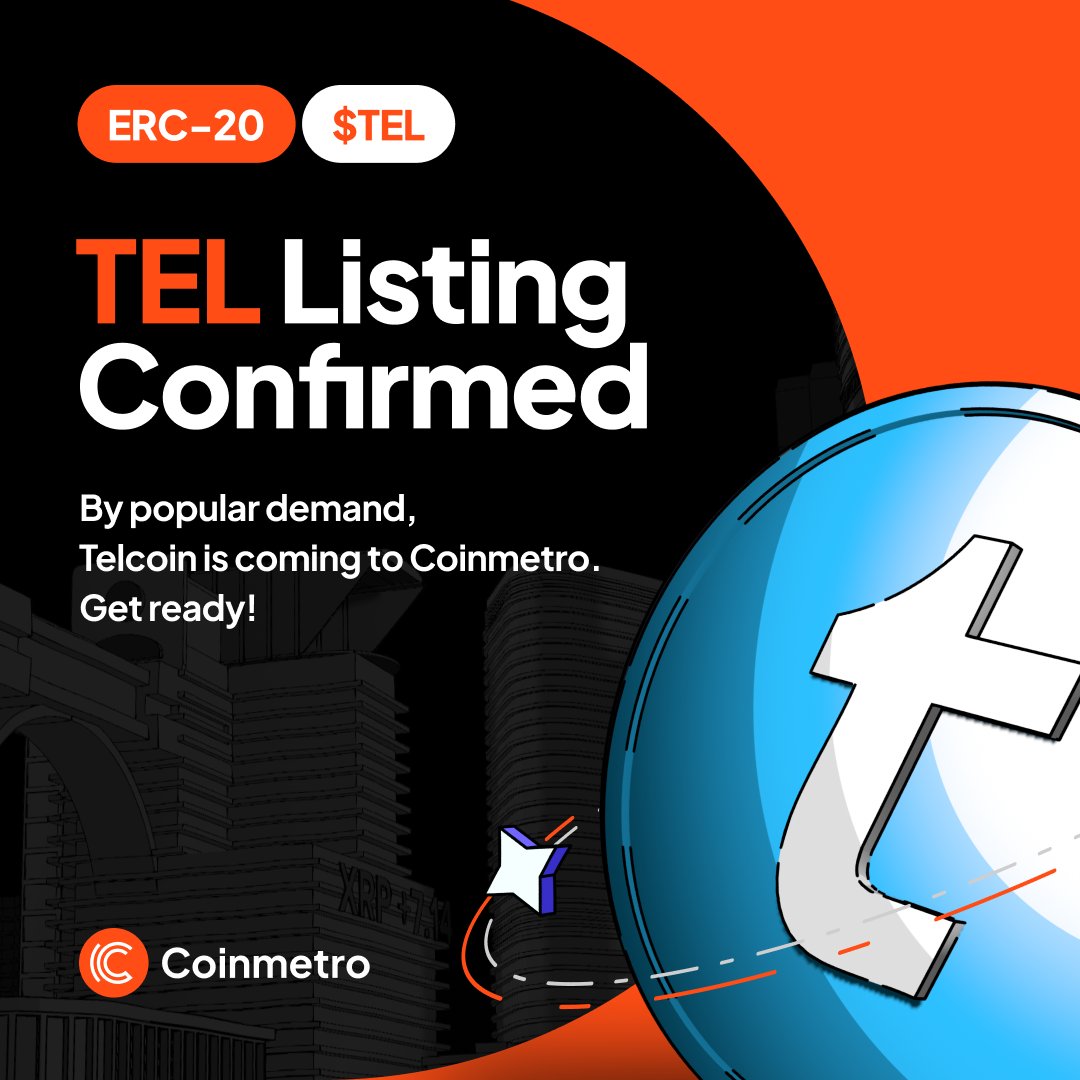
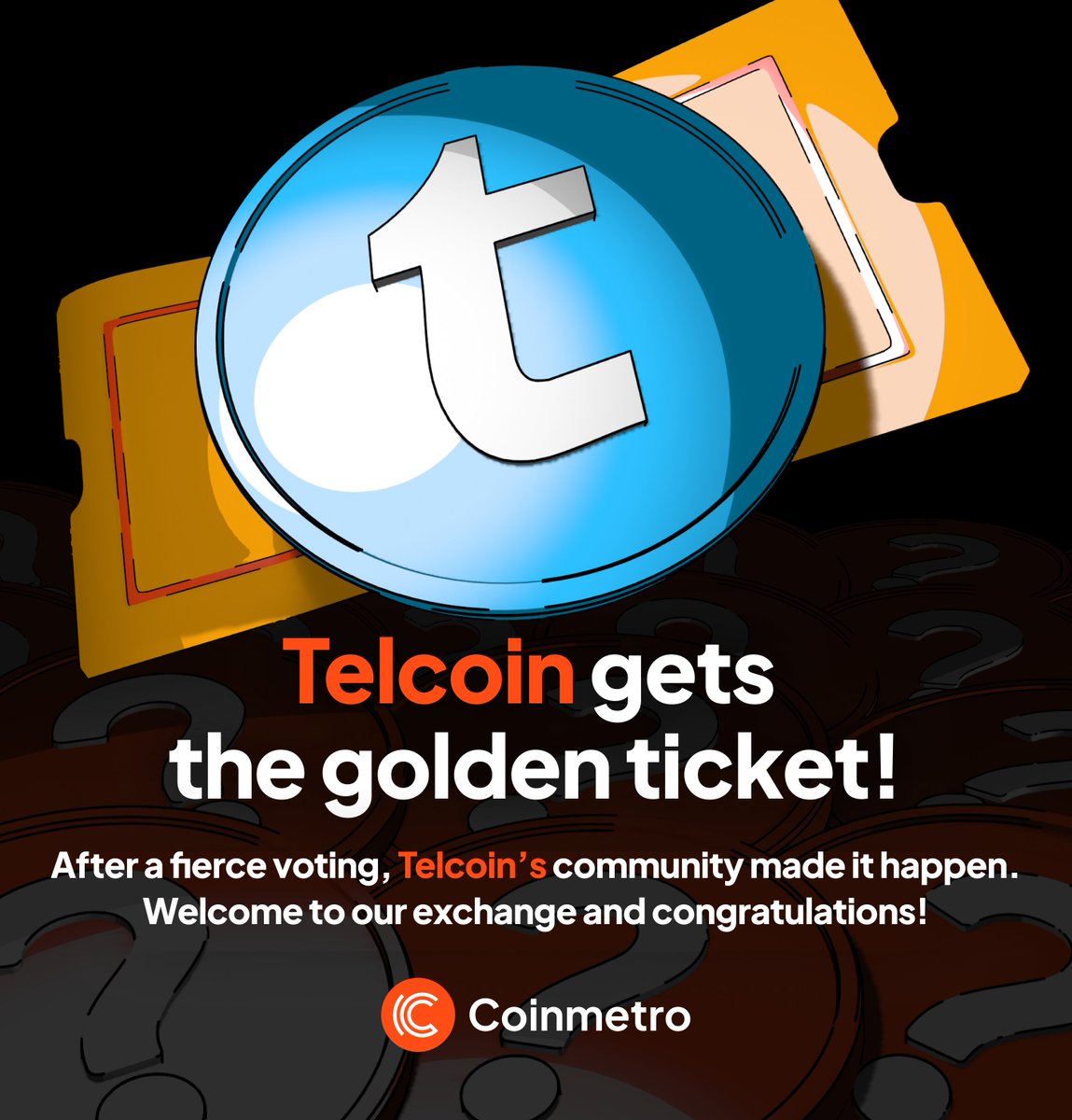
🏆 $TEL is the winner of Coinmetro’s Golden Ticket initiative — and takes the Free Listing! 🎟️🚀
Huge thanks to every community that showed up and participated. The energy was unreal. 🙌
We’ll start the listing steps with @telcoin representatives. Stay tuned.