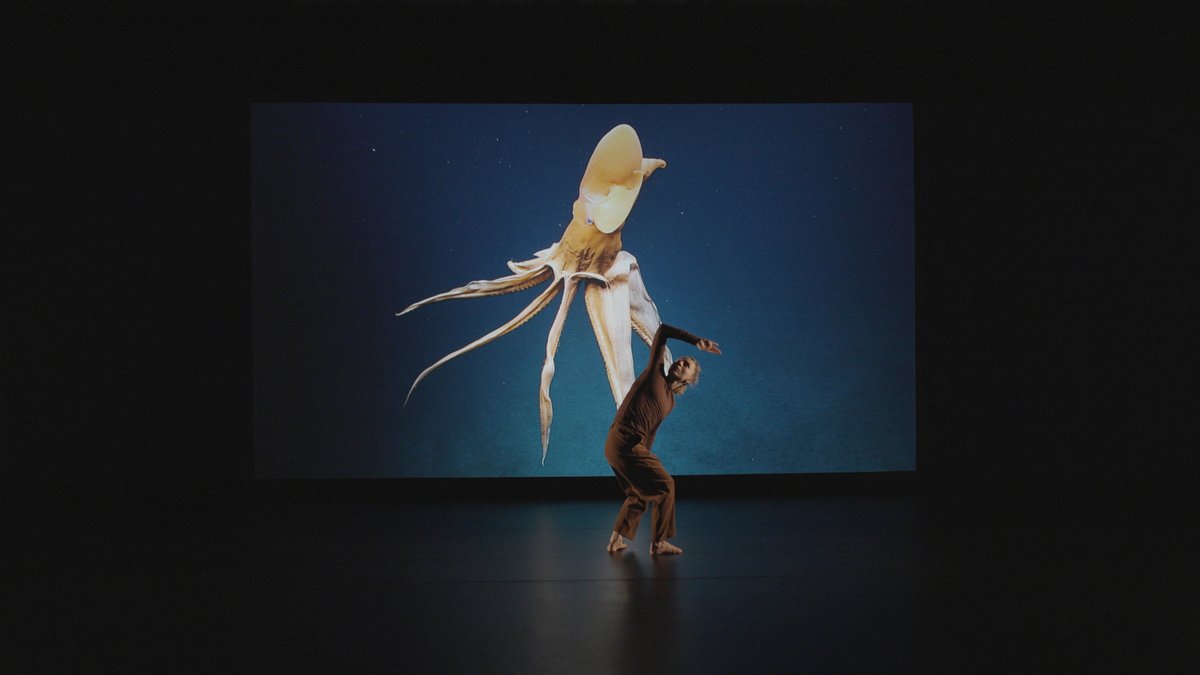
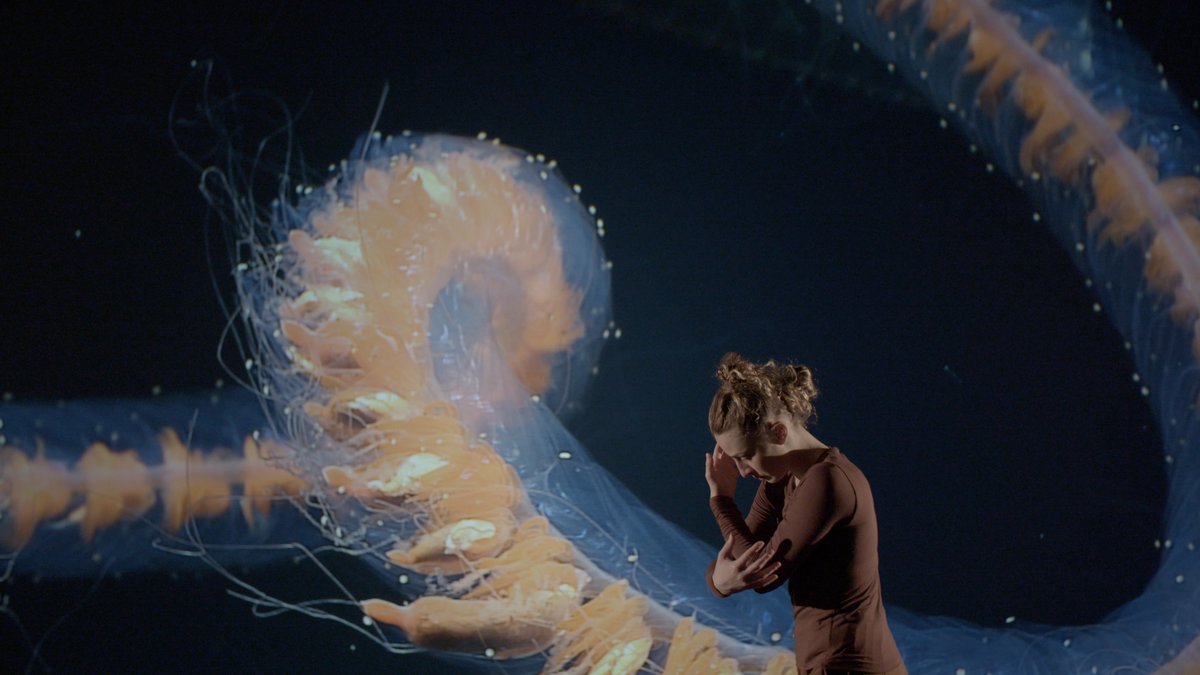
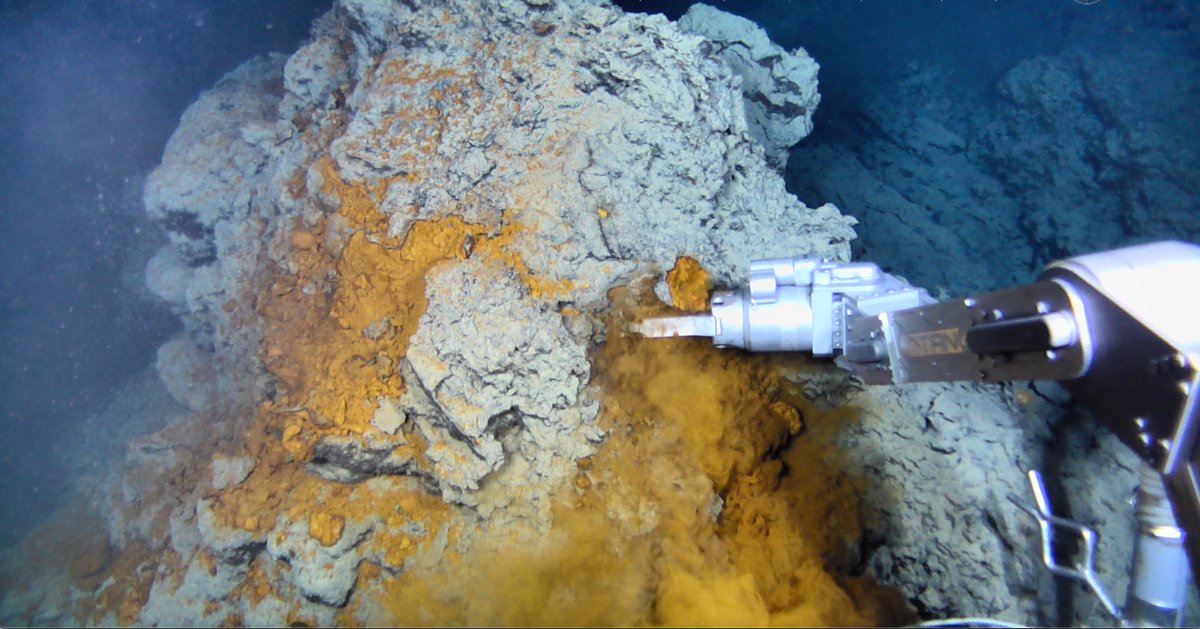
Our deep-sea experts have worked with artist Emma Critchley on an inspiring upcoming exhibition at @JHansardGallery.
The Soundings exhibition explores our relationship with the deep ocean and the impacts of deep-sea mining.
Find out more 👉 https://t.co/LR54GmME8t
The Azores are creating the largest marine protected area (#MPA) in the North Atlantic!
🌊Nearly 300,000 km² for marine conservation.
Leading by example, the Azores are making a significant contribution to Portugal’s & the EU's #ocean protection efforts.
Jérémie's mission is about to go down in French history: thanks to @geofr for this amazing article about tomorrow's dive to 10,800 metres in Horizon Deep!
https://t.co/aYFdi07cGI
#InkFishExploration
MBARI researchers and their collaborators have discovered large underwater ice formations in a remote region of the Arctic. This discovery reveals an unanticipated mechanism for the ongoing formation of submarine permafrost ice.
Dive in: https://t.co/InEPrMRRr7
.@VictorVescovo writes for @Economist_WOI on how the new secretary-general of the International Seabed Authority can bring more transparency to the organisation by adopting a new approach to assess the merits of deep-sea mining (DSM). He challenges the narrative that DSM is a necessary and profitable industry, and calls for a more thorough examination of its financial and technological feasibility. Learn more: https://t.co/KXcQr8Hpyg
🦈AGEING CHIMERA🐟
Did you know, we have no idea how old chimaeras get? Dr Brit Finucci (@BritFinucci) talks us through the challenges of ageing chimeras and why we don't know if they live to be 10 or 100 years old.
Listen to our chimaera episode:https://t.co/4LyAXgmL2o
📸NOAA
⏰ REMINDER! This #DeepSea coral needs a name!
There is still time to suggest a suitable name for this new-to-science, yellow and plate-like coral.
🗓️ Submit your name by 8 September 2024.
Don't miss this opportunity ➡️ https://t.co/s5WeC9m2wo
@Dr_MTaylor
📢 Paper alert
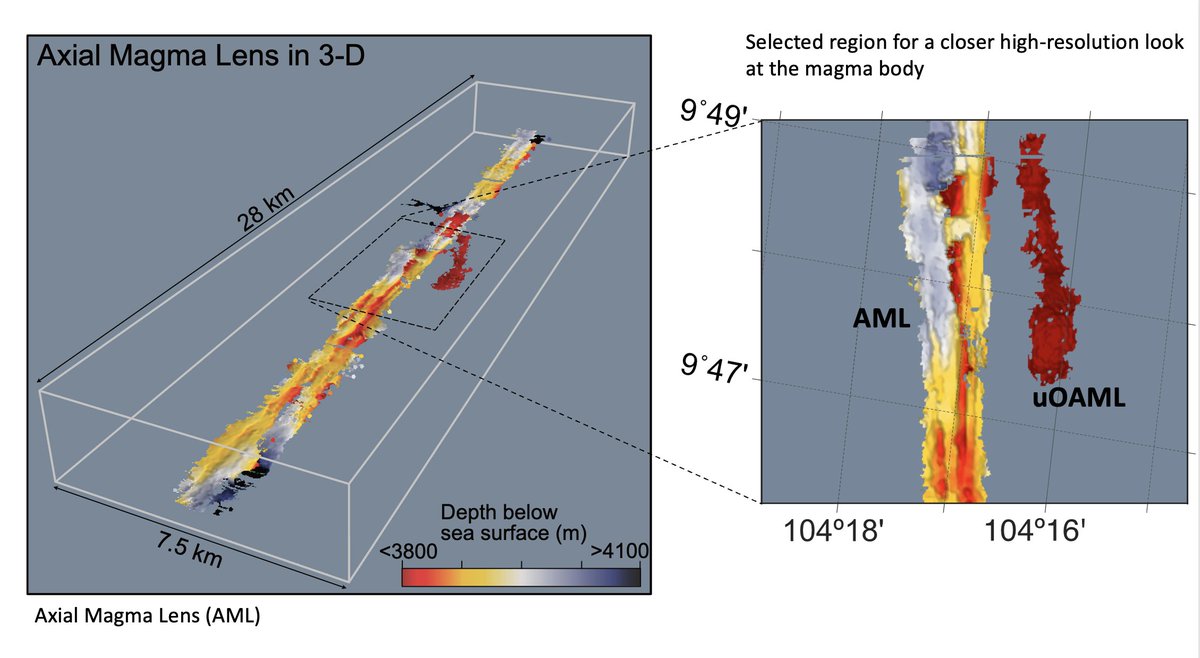
🤔What happens when ultra-high-resolution seafloor and subsurface images meet at the East Pacific Rise 9ºN?⛴️
🔎We obtain the most direct evidence for magmatically controlled nucleation of faults near a fast-spread mid-ocean ridge📄https://t.co/67eergzOZL
Thank you, John Oliver, for your wonderful, long-form piece covering Deep Sea Mining and why we should not move forward with it. The facts, combined with some appropriate, scathing wit, was welcome to the debate. (Episode 14, available this week on HBO Max)
https://t.co/dJS8NVhBIG
Today in a joint declaration,
@EmmanuelMacron 🇫🇷 & @JoeBiden 🇺🇸 committed to take a precautionary approach to #DeepSeaMining
https://t.co/NivfeMHeyD
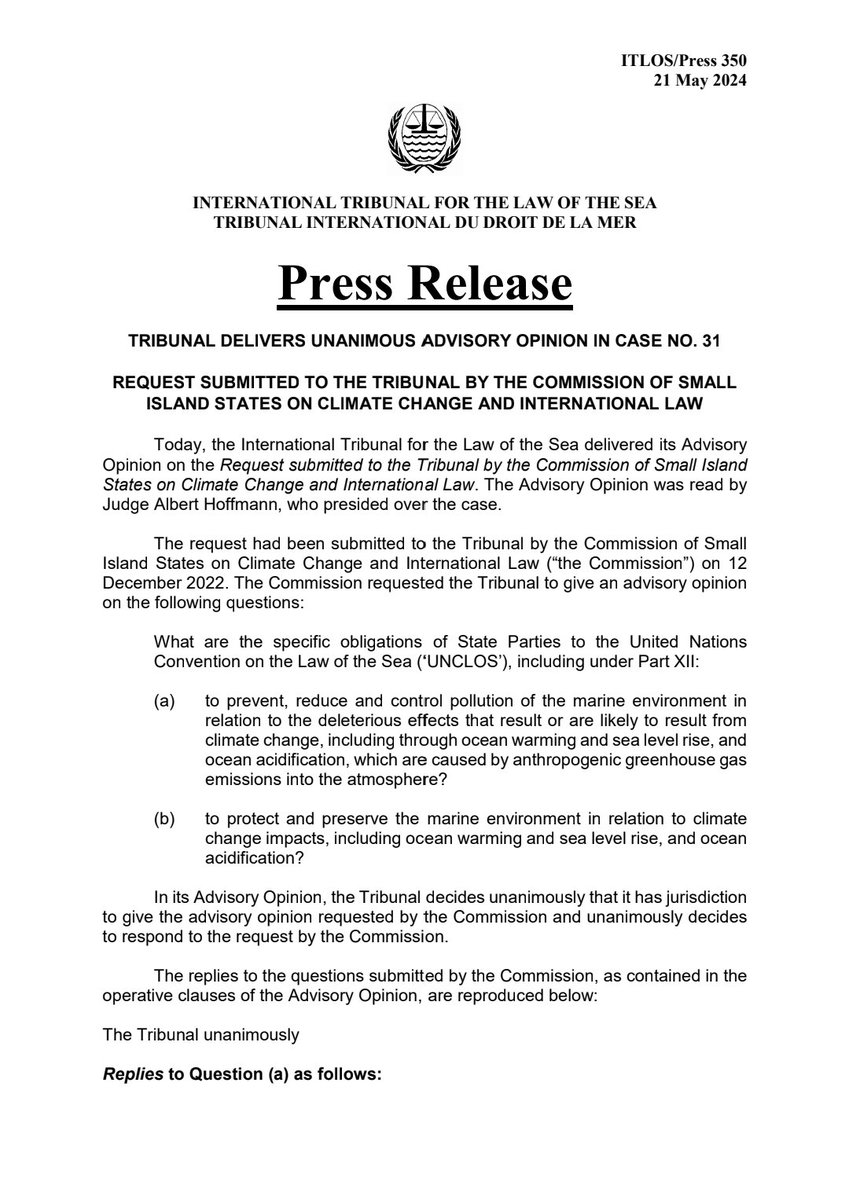
BREAKING NEWS: And now this from the International Tribunal for the Law of The Sea - The rationale for the ruling on the obligation to protect the marine environment from harmful effects of GHG emissions should equally apply to #deepseamining and deep-sea bottom fisheries! #defendthedeep
#VendrediLecture 🌊 La spécialité de Kim Moutard ? Les grandes profondeurs. Étudiante @Geosciences_ENS @psl_univ, elle s’intéresse à la dynamique des systèmes géologiques et magmatiques actifs au fond des océans. Rencontre 👇https://t.co/1PweeSBJQH
Latest news from our cruise at EPR 9°50'N : Five new hydrothermal vents discovered in the Eastern Tropical Pacific Ocean https://t.co/bwGkWT0p0U via @physorg_com
Les fonds marins enfin accessibles ⁉️
Si la pression et l'obscurité compliquent leur exploration, la robotique nous permet d'accéder à ces mystérieux environnements en 3D... 💡 et en direct ! ⤵️
https://t.co/o7rhcHvNdf
Thanks to @Ifremer_fr teams, to the scientific teams and crews of #MoMARSAT cruises and to @EMSOeu for the access to the Azores node of the EMSO Research Infrastructure (European Multidisciplinary Seafloor and water column Observatory).
PhD paper out ! I'm proud to share my work now published in @AGU_GCubed on #hydrothermal diffuse fluids formation and shallow circulation at #hydrothermalvents at Lucky Strike field : https://t.co/eRrs8votJS
#deepsea
In parallel we were able to precisely map the distribution of these diffuse fluids at the site scale. Our results suggest diffuse heat fluxes is in the upper range of previously published Lucky Strike hydrothermal field estimates.