Paleolithic Archeologist | Reading the past in the bones | working at @iam_csic | Atapuerca Research Team | Aff. Rsch. at @iphes | Ramón y Cajal research fellow
Teniendo en cuenta las recientes noticias es bueno recordar que un perfil público en Google Scholar que no esté correctamente curado al ser utilizado en convocatorias públicas de plazas podría constituir un delito de fraude o falsificación de documento público
#ICTSNews
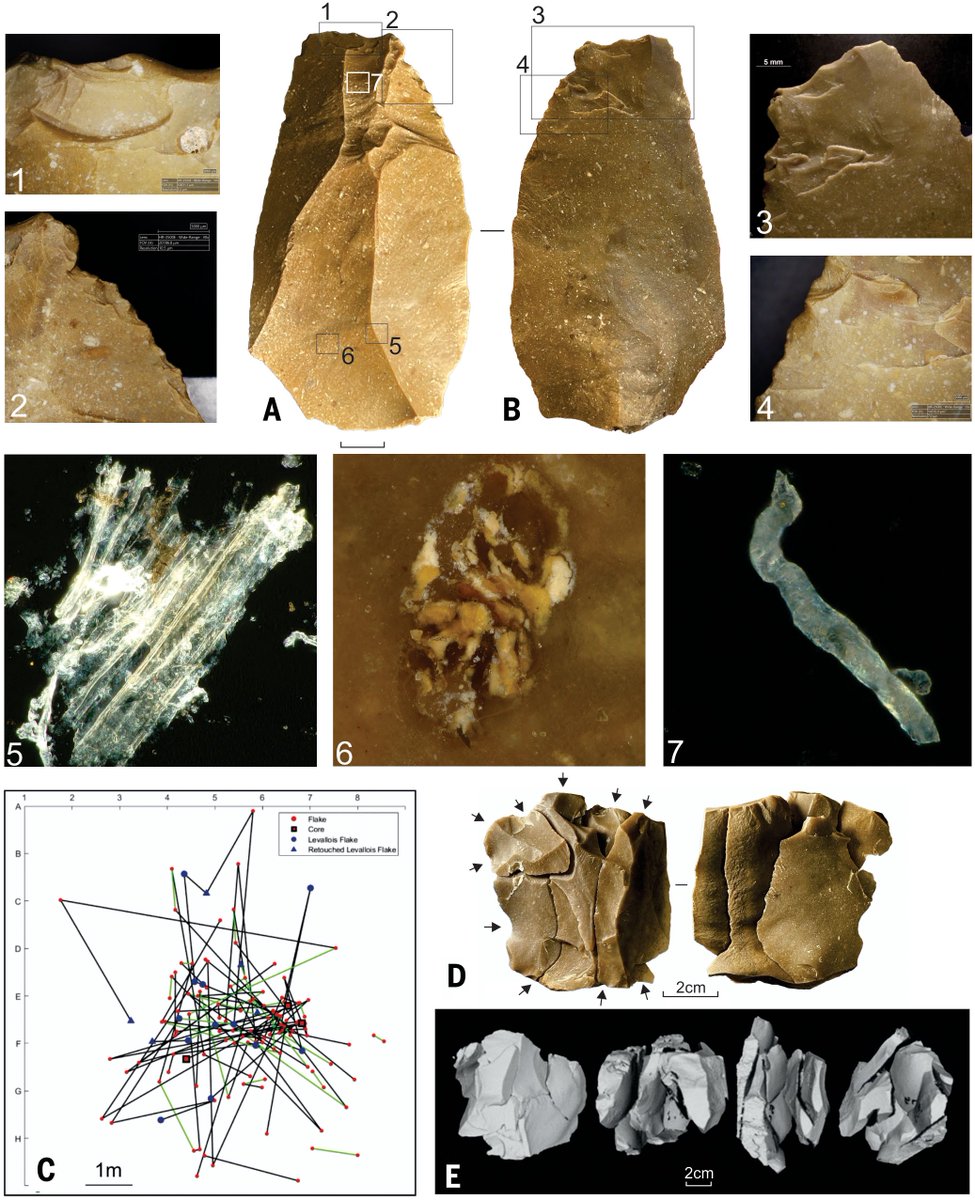
Hallan indicios de veneno vegetal en armas de caza de hace 125.000 años en Arabia
Evidence of plant-derived poison on 125,000-year-old hunting weapons in Arabia
+info: https://t.co/C5ZjPdwpzt
Algunas sociedades prehistóricas practicaban el canibalismo. Los restos nos lo cuentan a veces con gran claridad. ¿Pero qué significaba para ellos? ¿Qué papel jugaba en su universo cultural?
Hablamos de ello con @WhiteRabbit36 en @masdeuno.
https://t.co/6X0oWRoCGm
Neolithic Cannibalism Wasn’t an Act of Desperation. Almost 1,000 Skeletal Fragments From Caves in Southern Spain Show How Eating Human Flesh Was a Continual Practice
https://t.co/A3tNZccqXJ
Catalonia was thought to be almost devoid of palaeolithic art, but these engravings dating back 26,000 years have been found in a tourist hotspot
https://t.co/Ke8rvGZnwA
Catalonia was thought to be almost devoid of palaeolithic art, but these engravings dating back 26,000 years have been found in a tourist hotspot
https://t.co/shduByFljN
📰 Archaeologists discover the 3rd-largest assemblage of Ice Age cave art ever found in Mediterranean Iberia in a region thought devoid of cave art, transforming our knowledge of Palaeolithic art.
#AntiquityResearch#ArchaeologyNews via @newscientist
https://t.co/If1sicdZTT
The Neanderthal hand from Abauntz Cave has been featured among @Nature's best science images of October 2026.
Foto: @GuillnMaria from @iphes
https://t.co/0wL5OEsgbC
280 gravures paléolithiques (55 animaux) ont été identifiées dans une grotte touristique de Catalogne, la Cova de la Font Major. Passées inaperçues pendant des décennies ces figures représentent des chevaux, des cervidés, des aurochs et un rare ours des cavernes d’au moins 19 000 ans. Il s’agit du 3e plus grand ensemble d’art pariétal de la façade méditerranéenne ibérique.
https://t.co/zEXeOwc5s0
📰 El New York Times se hace eco de las últimas investigaciones colideradas por el @iam_csic y el @iphes_cerca en las cuevas de Malalmuerzo, Carigüela y Majolicas (Granada).
https://t.co/RzCa0jGXGP
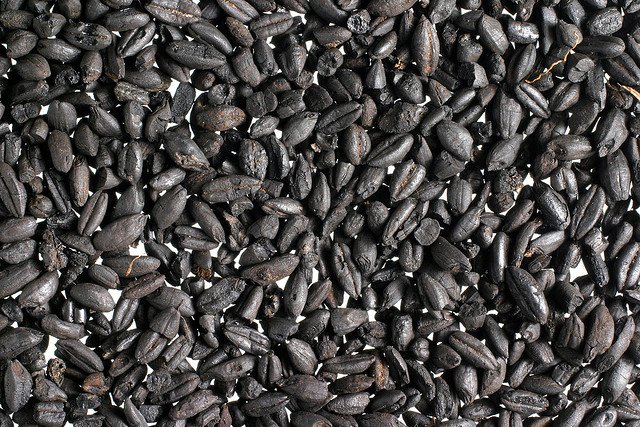
Siempre digo que los hallazgos más interesantes en arqueología suelen ser los más humildes. En nuestra última excavación en Etiopía, la clave está en un puñado de semillas quemadas. Os cuento:->