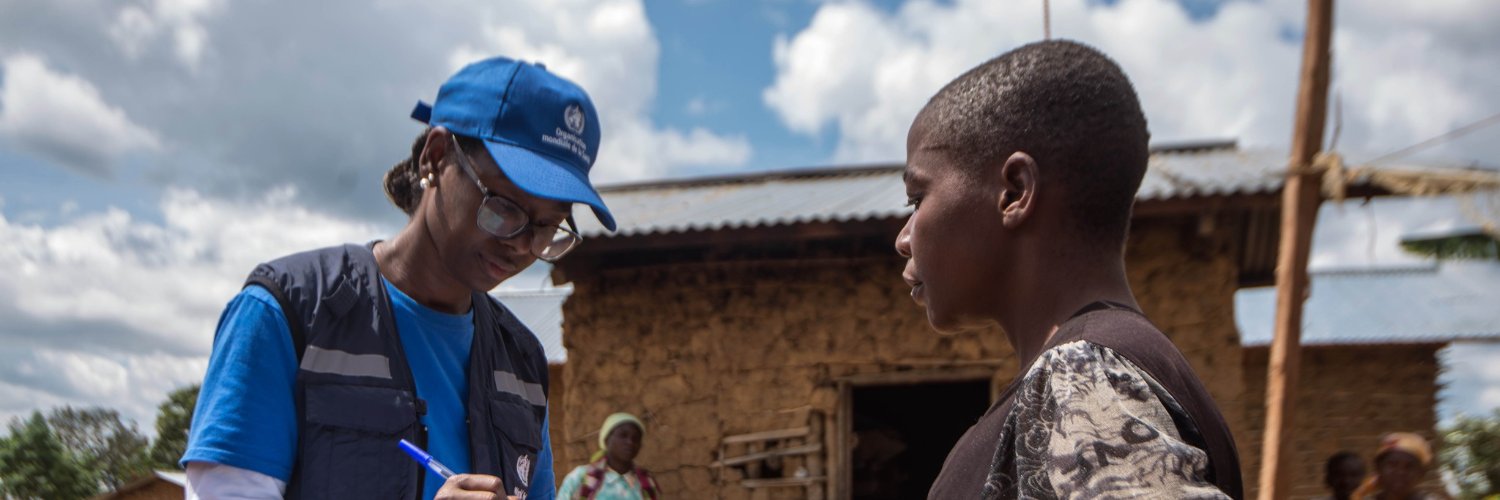
You may never have heard of them, but for 1.41 billion people, action against neglected tropical diseases is still needed. Some diseases, like sleeping sickness, are on track towards elimination.
Others are rising.
Dengue cases hit a record high in 2024.
The new WHO report shows where the world stands and what it will take to finish the job. https://t.co/ZjKTaVdH32
Medicines safety starts with you and me.
Whether you’re a patient, healthcare professional, regulator, or company, we all have the power to make medicines safer https://t.co/VtjPxi24ke
#MedSafetyWeek
The Climate Crisis is fuelling disease outbreaks.
The Climate Crisis is driving higher rates of heart and lung disease.
The Climate Crisis is driving higher rates of cancer and asthma.
The Climate Crisis is making healthy diets less affordable.
I call on leaders ahead of #COP31 to put people's health at the centre of negotiations. @WHO recommendations are here: https://t.co/AZyMkSIrP0
Science drives progress in health and is the foundation of everything @WHO does.
Next Tuesday, we launch the global Together for Science and Health movement to:
-Strengthen information integrity
-Make evidence more accessible and relevant
-Build trust through transparency, credible voices and genuine community engagement
Join us: https://t.co/rzHdRD4JbP
Viruses know no borders. Neither should our resolve to stop them.
In a joint commentary @ministerBHOS Sjoerd Sjoerdsma and I make the case for stronger international cooperation and sustainable, flexible financing to protect global health security.
I thank the #Netherlands for its €7 million contribution to the Ebola response and an additional €10 million in flexible funding to @WHO for future emergencies.
Investing in health security abroad is investing in health security at home.
https://t.co/nUqL4GL90m
Nearly six months into the Ebola outbreak in the DRC, more than 10,500 people have been infected. Now, two new vaccine candidates are set to enter clinical trials, offering fresh hope in the fight against the deadly Bundibugyo virus, @WHO explains.
https://t.co/aVm98oKKDz
Climate change and our health are connected.
If the planet is in peril, so are our lives, our well-being, and our progress.
But there’s a way out and it is backed by science.
Here are 6 climate-health actions to bookmark.
Let’s be optimists and build a safer future for all. Let’s act now.
Medicines can cause side effects.
You can help prevent them by taking your medicines as instructed.
Take your medicines in the right dose, at the right time, and in the right way https://t.co/VtjPxi24ke
#MedSafetyWeek
Another attack on health in #Myanmar, on 4 November, has reportedly killed at least five health workers in Kawling township, Sagaing region, bringing the total number of attacks on health in 2026 to 65 with 63 deaths.
With 4 million people displaced by conflict and disasters, Myanmar's health system is already struggling with recurrent outbreaks, resurgent malaria and other vector-borne diseases, and many unvaccinated children at risk of measles and polio. Continued attacks deprive people of lifesaving care.
I cannot say it loudly enough: health care is #NotATarget. It must be protected at all times.
Physical activity helps prevent heart disease, some cancers and diabetes, and promotes healthy weight and mental wellbeing. Inactivity increases disease risk.
Yet the latest @WHO estimates show almost no progress in getting young people moving over the past 15 years, with girls furthest behind: https://t.co/t22LhAyTEU. This is worrying.
The answer is not to tell adolescents to try harder.
I call on parents, teachers and schools to #BeActive and help children move regularly, and on leaders to build schools, streets and communities where being active is safe, easy and normal.
Now, #LetsMove with commitments and action!
Itchy skin?
Burning eyes?
Sleepless nights?
Awkward spots?
Not all side effects are obvious. They can range from a skin rash, headache or upset stomach to changes in sleep, mood or other unexpected symptoms.
Some side effects appear soon after starting a medicine; others may develop after prolonged use, a change in dose, taking several medicines together or even after treatment has stopped.
If your medicine is making you feel worse, tell your doctor! Help make medicines safer for everyone! https://t.co/txktfp1WkC
#MedSafetyWeek
28% of adolescent girls report no active days in the previous week, compared with 22% of boys.
Only 11% of girls report seven active days, versus 17% of boys.
This gap is not about girls’ interests or ability.
Safer spaces, inclusive sport and recreation, and supportive school environments can help remove the barriers holding girls back.
🔗 https://t.co/tsCkM3jnt2
When climate-related disasters, disease outbreaks or conflicts overwhelm health systems, Emergency Medical Teams (EMTs) are ready to step in and support in providing lifesaving care when people need it the most.
Today, 77 teams from 42 countries are internationally classified, including Ethiopia’s national team, which is the first civilian team in the African Region to achieve classification.
Investing in EMTs is not only about responding when crisis strikes.
I thank Health Minister @MekdesDaba for hosting the 7th Emergency Medical Teams Global Meeting.
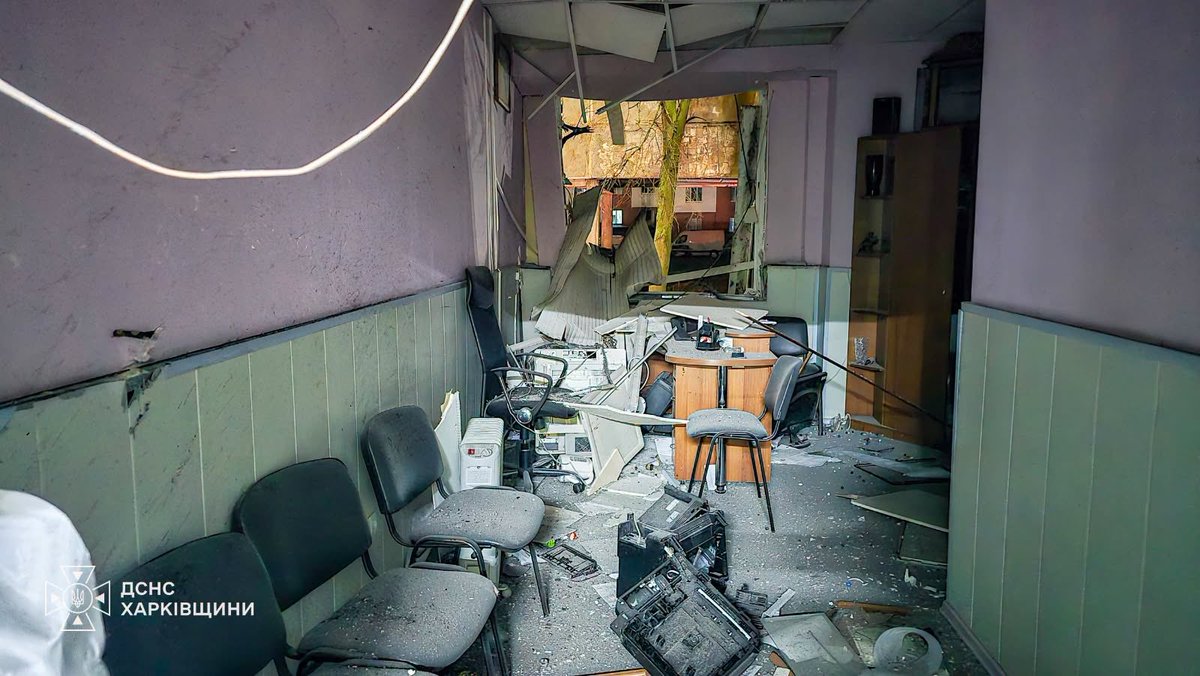
Attacks on health care in #Ukraine continue. The latest verified by @WHO took place in Kharkiv and Dnipro on 3 November, and Komyshuvakha on 2 November.
In Kharkiv, two health facilities were damaged, affecting their neurology, cardiology, trauma, surgical and hospice departments, and forcing the evacuation of patients. A health worker was also injured.
In Dnipro, a hospital's hospice and surgical departments sustained damage to windows and the roof. Patients were evacuated.
In Komyshuvakha, a shelter was struck while four health workers were providing care to people inside. The health workers remain missing, and search and rescue operations are ongoing.
@WHO stands with all health workers who continue caring for patients, including in shelters.
Since February 2022, WHO has verified over 3400 attacks on health care in Ukraine. Hospitals, patients and health workers must never be targets of war.
The best medicine is peace.
The ongoing Ebola outbreak caused by the Bundibugyo virus has taken a devastating toll on people’s lives and health, claiming over 5000 lives.
Supporting the Democratic Republic of the Congo’s health response, WHO and partners are working to advance vaccine research, treatments and medicines that can improve care and save lives. WHO expert groups have recommended adding two candidate vaccines to the ongoing Tumaini clinical trial in the DRC, marking a milestone in protecting people against Bundibugyo virus.
Here’s how science is driving the search for solutions in the face of a crisis.
Learn more: https://t.co/h1vCk1EgtW
One in four adolescents worldwide are not active enough.
That is around 240 million young people aged 11–17, who are not getting 60 minutes of moderate-to-vigorous physical activity on any single day of the last week. Only 14% reported being active on all seven days.
Every young person deserves opportunities to move, play and thrive.
🔗 https://t.co/tsCkM3jnt2
"Next Tuesday marks World Science Day for Peace and Development.
Science has always been the driver of progress in health, and the foundation of everything WHO does.
But evidence improves lives only when it is trusted, understood and translated into policy and practice.
Misinformation and disinformation have become a systemic public health risk.
They distort decisions about vaccination, treatment, prevention and care, and can undermine emergency responses.
Next Tuesday, WHO will launch a new global movement called Together for Science and Health.
This initiative will bring together partners to focus on three connections: between science and society; science and policy; and science and communication.
Its purpose is not simply to rebut false claims.
It is to strengthen information integrity, make evidence more accessible and relevant, and build trust through transparency, credible voices and genuine engagement with communities.
We invite governments, institutions, civil society, media, technology companies and communities everywhere to join us"-@DrTedros
"Now to one of the great success stories in global health – the fight against neglected tropical diseases, or NTDs.
NTDs are a group of 21 diseases that mainly affect poor and marginalized communities in tropical and subtropical regions.
In 2020, the World Health Assembly adopted the global roadmap for NTDs, with a target to eliminate at least one NTD in 100 countries, and to reduce the number of people needing interventions for NTDs by 90%, by 2030.
Today, WHO is publishing its mid-term evaluation of the global road map, which shows very encouraging progress.
As of June this year, 63 countries had eliminated at least one NTD;
The number of people requiring interventions has fallen by 19% since 2020;
And last year, only 10 cases of Guinea worm disease were reported.
But progress is uneven, funding is fragile and dependent on a small number of donors, and recent funding cuts have disrupted services and programmes.
Now is the time for countries and partners to step up, not step back.
That means increasing domestic financing, sustaining external support and integrating services for neglected tropical diseases into primary health care and universal health coverage"-@DrTedros