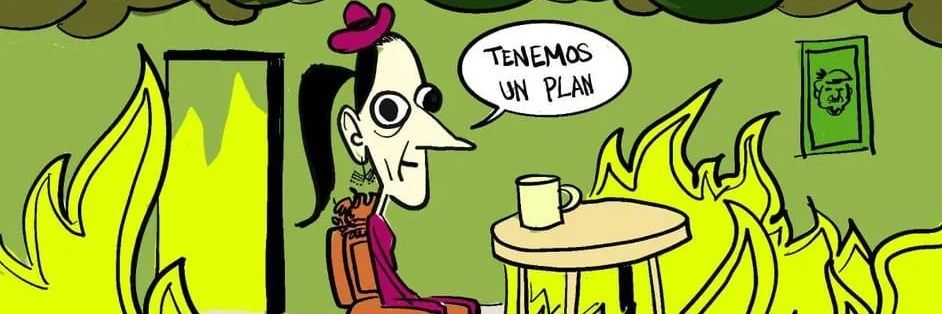
Tom Cruise, que ha salido indemne de las escenas más arriesgadas, se sube al ladrillo en que está trepado González Iñárritu y sufre la caída más estrepitosa del siglo.
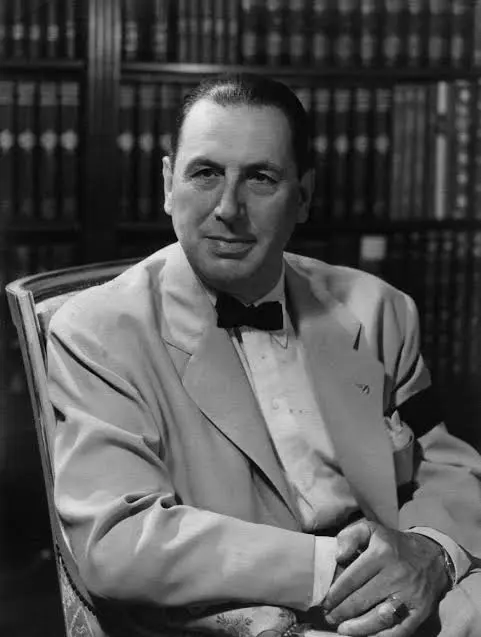
You heard that Juan Perón destroyed Argentina's economy, but what actually happened?
Perón nationalized Argentina's central bank in March 1946 and handed price-setting power over beef and wheat exports to a state agency called IAPI. That single move strangled the two industries that fed the country.
IAPI bought grain from farmers at prices it set, then sold that grain on world markets at actual prices, pocketing the spread. Farmers received roughly half the international price for wheat throughout the late 1940s. They responded the only rational way: they planted less. Cattle ranchers faced identical incentives and reduced their herds. Argentina's beef exports fell from 400,000 tons in 1946 to under 200,000 tons by 1952.
The central bank nationalization meant Perón controlled credit allocation directly. He flooded industry with cheap loans while agriculture starved of capital. Foreign exchange reserves accumulated before 1946 were gone by 1952.
The price signal is the only tool an economy has to communicate scarcity and opportunity across millions of producers simultaneously. Suppress that signal in two of your most productive sectors and output collapses.
By 1955, when the military removed Perón, Argentina's share of world wheat trade had collapsed from a dominant position to near irrelevance. A country that once fed Europe had engineered its own agricultural decline through deliberate, economically illiterate, socialist policy.