@GenXTalks1 We had one in downtown Manhattan, KS. There was an Intellivision in the store next door that I don't remember the name of. I think it then had Atari shortly thereafter. LOL.
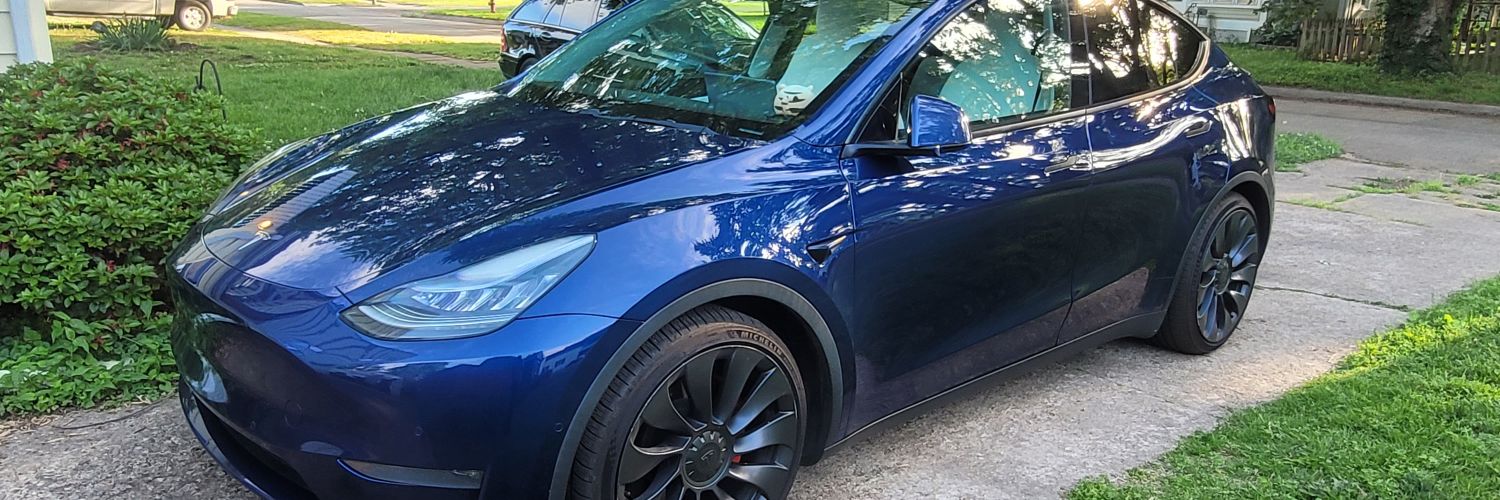
21 MYP with FSD replaced the 21 RAM 4x4 Ecodiesel. My friend is dealing with what most call Alzheimers/dementia. It has taken her vision and short term memory. I am now her caretaker and it has caused many sleepless nights. I dont get to choose when those nights are or how many. I still have to get her around and go places regardless. The situation was just an accident waiting to happen. FSD solved the safety issue.
Would you pay $4 for a single strawberry? There’s a reason many fruits are mainly available frozen. Apples can be stored for 9–12 months. Strawberries have less than two weeks from the moment they’re picked to the store shelf—and you have to use them almost immediately after buying them. A little research makes this obvious. As for the labor: if a job can be done by a non-English-speaking, uneducated immigrant, tell me which Americans are lining up for it. Immigrants are often willing to kill chickens, do dangerous work, and take almost any job for a better life. The average American—starting with citizenship and free education that opens doors to better options—doesn’t want those jobs. I don’t see 30 American citizens sitting in the rain, snow, cold, or heat waiting for whatever day-labor work the staffing companies can find. Please, give me any examples of what you "Say" is happening. I keep giving you facts that don't support your thought process. This is a capitalist economy. The dimished self worth of a person plays a larger role in them not standing up for themselves. Someone leaving their home, family, and friends to do what it takes to get ahead will always triumph over someone who doesn't think they should go for the $20 an hour job. I won't pick strawberries for $20 an hour. I won't kill livestock, our skin poultry either. Do a bit of research; I believe in legal immigration. I also know that it is damn near impossible for anyone who doesn't have money to make legal immigration work. Do some research on the challenges people face entering this country. My last statement is this: If you want the job, or to keep the job. Just ask what is required and learn to do it. It really is that easy. This pertains to working for yourself as well.
@CareBeckman@MrBeast MrBeast is attending a presentation event with a YouTube theme, I believe. I created an alternate attire image, well 3 actually. A Beastibles and the Robes of Jesus version.
Hell, I would have grabbed him by the ankles and held him upside down. If he didn't want to give up his info so his legal guardians could be called. Then I would have called the Police Department. If he hit me, duct tape or Saran Wrap would be used to keep his arms and legs in check.
Rent the house out. Take out a loan where the payment is 1/2 of the rent received. Put that money into a liquid asset that your husband has no access to. Then allow the rent to cover the loan. Then tell your husband, " Feel free to help him however he can. If he doesn't get paid back, you can either help get finances back in order or venture out on your own. Otherwise, just say Nope. How else can we help him?
I am not proving your point. You need to look at more than what is on the surface. If you are serious about this, then read this:
**Migrant farm workers primarily fill roles that most U.S. citizens choose not to take under current wages and conditions, rather than displacing large numbers of willing American workers.**
Farm labor is seasonal, physically demanding (often stoop labor in heat or cold), located in rural areas, and pays modestly—median wages around $17–18/hour recently, though piece rates and hours vary. In a full-employment economy with better-paying or less grueling alternatives available, few native-born workers apply for or stick with these jobs long-term. Historical patterns show that once an occupation becomes associated with immigrant labor, stigma and expectations reinforce the shift away from it for many citizens.
Data from the H-2A temporary agricultural visa program illustrates this clearly. Employers must recruit and offer jobs to U.S. workers first (at or above the Adverse Effect Wage Rate) before bringing in foreign workers. Yet domestic applications are extremely low—sometimes only a few hundred applicants for hundreds of thousands of certified positions in a given year—and retention of those who do start is poor. H-2A certifications have grown sharply (from tens of thousands years ago to roughly 380,000–400,000 recently) precisely because of persistent shortages. Roughly 30–40% of crop farmworkers are U.S.-born or authorized immigrants; the rest are foreign-born (including a substantial unauthorized share).
Past experiments reinforce the point: when states tightened enforcement against unauthorized workers, American applicants did not flood the fields in meaningful numbers. Employers report that willing, reliable domestic labor for these specific tasks is scarce, while migrants (especially those traveling without family ties or other options) fill the seasonal gaps that keep labor-intensive crops viable.
Critics note that some employers prefer guest or migrant workers because they are more dependent on the job (visa-tied or status-vulnerable) and less likely to demand changes. Wages and conditions could attract more locals if raised substantially, but that raises costs and risks shifting production abroad or toward mechanization. The practical reality is that these jobs go unfilled by citizens at prevailing terms, so migrants supply the labor rather than displace it on a large scale.
Um, you do realize that Elon has a data center in Texas. He has even been known to sleep there. As for Bezos, he does have them spread around, and ZuckerB isn't likely to put one in Hawaii, as proximity to anything is about zip. You have a cute little circle with a slash through it that can help you ask better questions. Assuming you are having trouble asking it for answers.