@arvnp Sorry, I have not signed in to Twitter for months. Continued pandemic has changed life priorities. That said, I could do FCC OET data analysis and tweet or write blog posts on iPhone 13 and Pixel 6. Or what would you like to see? What interests you?
@chrisprice I see that Patreon focuses on monthly support. And that is fine. What about project specific pledges? One idea would be pledges toward specific devices/variants. If total goal reached, then graphical analysis and/or blog post. That would give readers input and me some direction.
@chrisprice@giper54 Looking back now, Intel modem was the only answer. iPhone SE certified lab RF test result docs dated November 2019. On that timeline, reusing both iPhone 8 physical construction and iPhone 11 logical innards was almost inevitable. Copy and paste design.
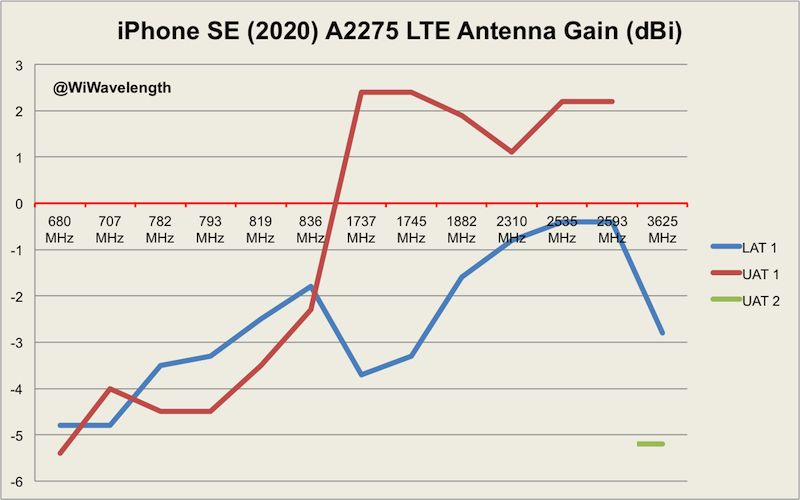
iPhone SE 2020 (US variant: FCC ID BCG-E3500A; model A2275) FCC OET lab tested LTE uplink transmit max antenna gain. LAT 1 (i.e. lower antenna) is primary with highest EIRP, regardless of antenna gain. EIRP and conducted power graph(s) to come later. #iphonese2020
@twospirits Hi Dave. I can take a look at LG V60. My expectation is many operator specific US model numbers. All with different RF characteristics. Therein lies the rub with Samsung, too. That is why I have focused on Apple, Google, and Motorola -- one US omnibus per device, generally.
#iPhoneSE2020 Completed my analysis of iPhone SE 2020 FCC OET RF lab results. LAT conducted power not that interesting at 24-25 dBm or 28 dBm HPUE with UAT always 2-8 dB lower. Conducted power plus antenna gain adds up to mostly average EIRP. See also: https://t.co/4wzhJUrYez
iPhone SE 2020 (US variant: FCC ID BCG-E3500A; model A2275) FCC OET lab tested LTE uplink transmit max antenna gain. LAT 1 (i.e. lower antenna) is primary with highest EIRP, regardless of antenna gain. EIRP and conducted power graph(s) to come later. #iphonese2020
@giper54@saschasegan One more salient point. Antenna gain in FCC OET filings refers only to uplink transmission, not downlink reception. But reception is nothing without transmission. If either link fails, no service.
@giper54@saschasegan Never used an iPhone 8, so cannot speak to its real world cellular prowess. But many others should have that basis for comparison. And iPhone SE 2020 raw RF performance likely about the same. Just with a few more LTE bands. That reflects more on the network, less on the device.
@giper54 I do not. That is my question as well. I almost included it in my tweet. iPhone SE 2020: QCOM or INTC? The iPhone 8 comparison, however, is unaffected, since both QCOM and INTC models incorporated the same antenna array.
@saschasegan That is why I stated "raw RF performance." Modem is demodulated baseband. And I return to my assertion that antenna design makes the greatest difference in signal availability/overall wireless coverage. If that is your priority over utmost data speeds under ideal conditions.
Interesting comparison: iPhone SE 2020 vs iPhone 8. Apple recycling not only same handset body but also same fundamental upper/lower cellular antenna design. Antenna gain structure unmistakably similar. Expect raw RF performance also to be similar. #iPhoneSE2020
@rebretz000 If I have time, an RF comparison with iPhone 8 may be warranted, since iPhone SE 2020 is based on that old form factor. Some of antenna design may have been reused. Or could be entirely different, for better or worse.
@shanonbrian75 Which Samsung handset, though? So many models and variants. Finding time to do RF analysis of more than 1-2 is impractical. That is the difficulty with Samsung.
@shiauguang Phone OEMs contract with certified RF testing labs to conduct regulatory compliance testing. Those test results submitted to the FCC are not required to include antenna gain. But they often do, or gain can be calculated from other test data.
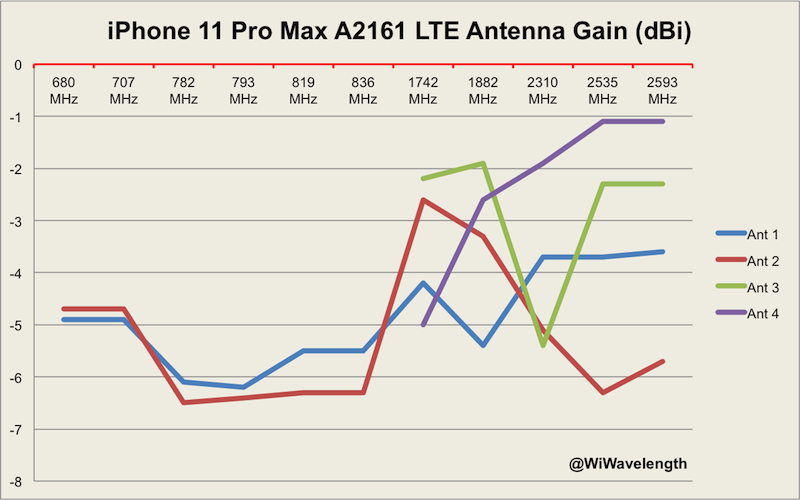
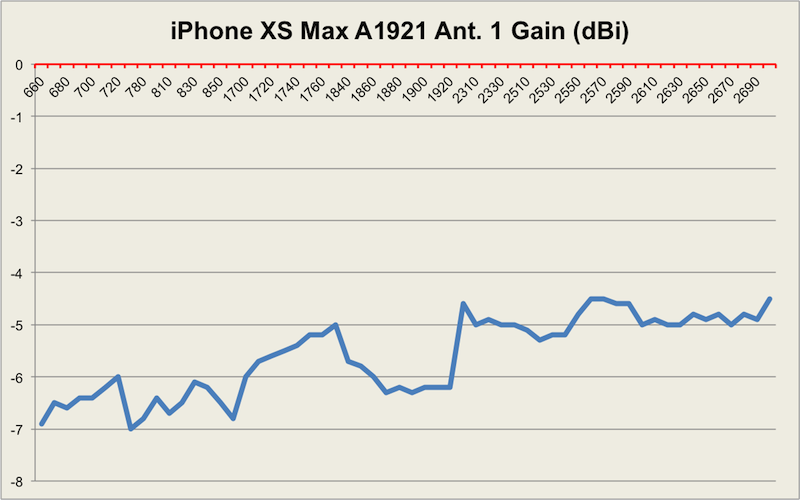
iPhone 11 Pro Max FCC OET auth filings posted. Last year, iPhone XS Max 4x4 MIMO design struggled with poor antenna gain. Uplink transmit antenna performance has made some strides this year. Still negative gain across all bands, but definite measured improvements for mid band.
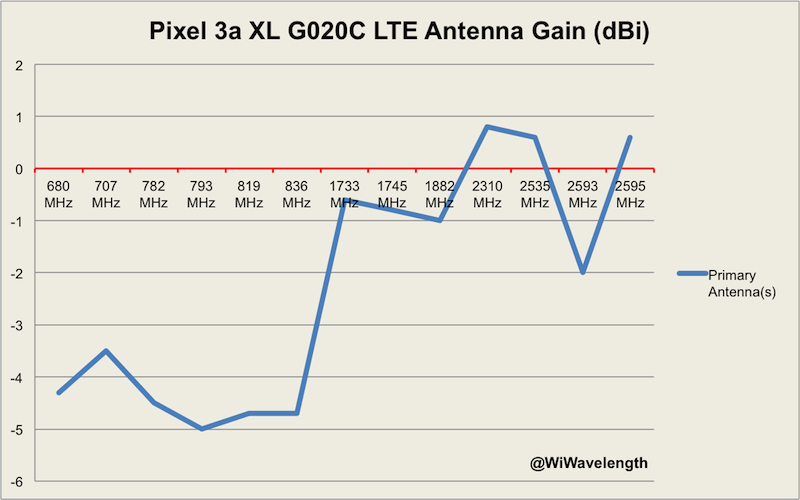
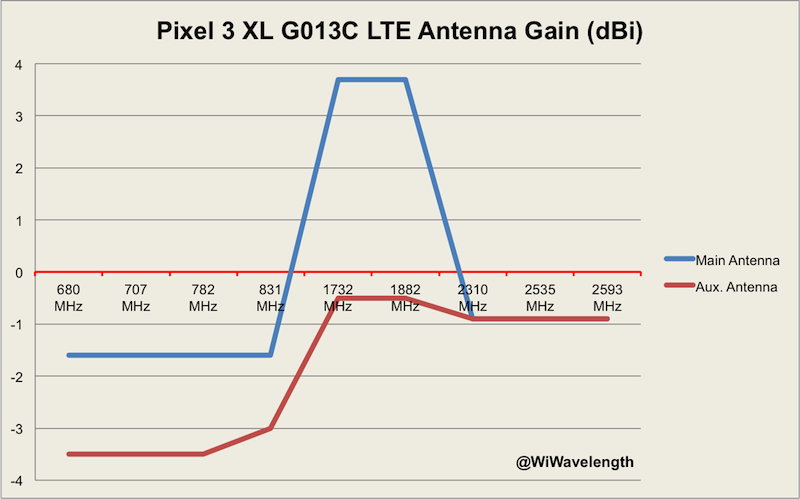
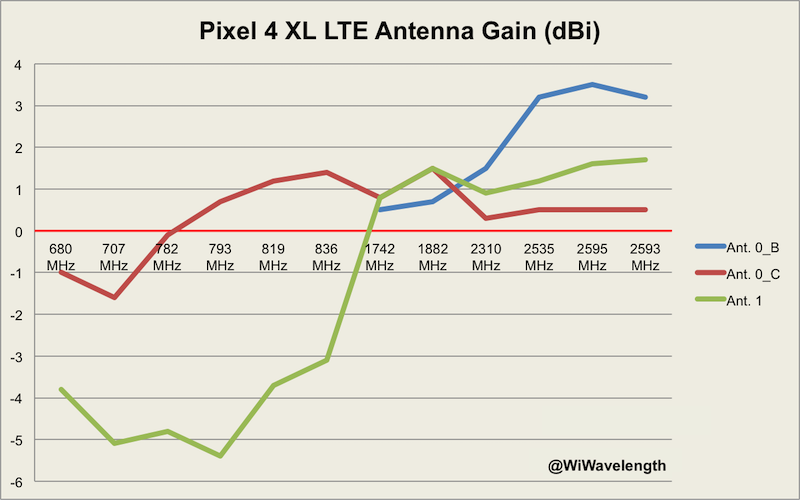
Pixel 4 XL, Pixel 3a XL, Pixel 3 XL -- the last year's worth of Pixel XLs -- compared by FCC OET RF lab tested LTE uplink antenna gain. (Pixel 3a XL has two antennas per band, but lab tests do not specify gain separately.) On paper, Pixel 4 XL is the winner. #madebygoogle
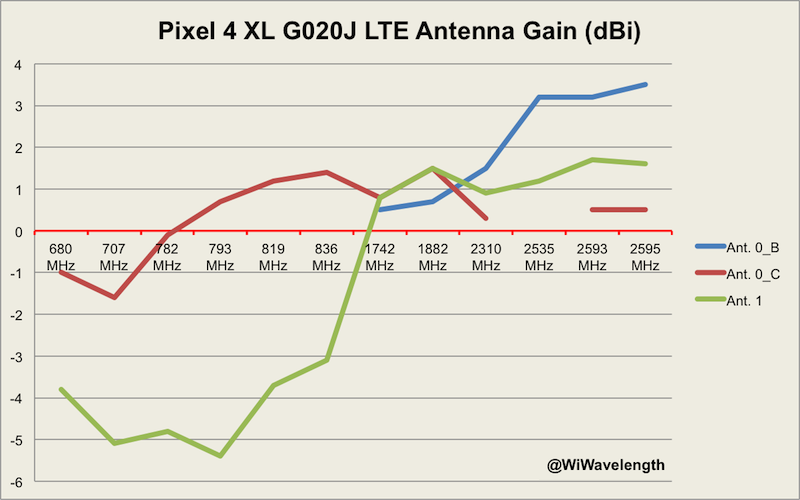
#GooglePixel4 G020J LTE multi antenna gain and EIRP. Pixel 4 or Pixel 4 XL? Higher gain and EIRP compared to that of G020I variant, but one fewer documented LTE transmit antenna. See also G020I: https://t.co/yylXmLuL3J
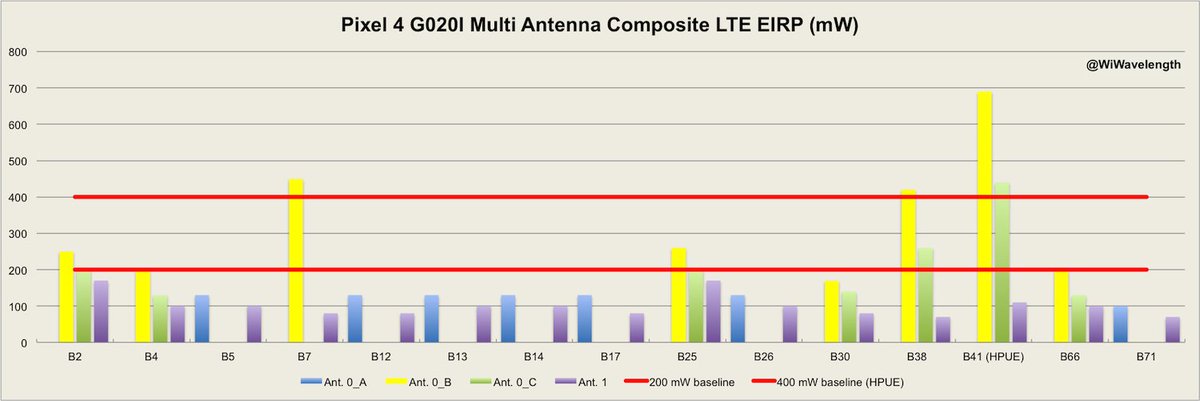
Google Pixel 4 G020I LTE multi antenna gain and EIRP. Lower gain and EIRP compared to that of G020J variant, but an added fourth documented LTE antenna. Some uncertainty as to which variant is smaller Pixel 4, which is larger XL. #GooglePixel4
@MBarrettGA @handleym99 All RF lab testing in FCC OET database is signal transmission, not reception. Wait for real world user RSRP comparisons. But transmit and receive antenna metrics oft are similar, so would not be surprised if iPhone 11 variants avg 3-6 dB weaker RSRP than Pixel 4 variants.
Google Pixel 4 G020I LTE multi antenna gain and EIRP. Lower gain and EIRP compared to that of G020J variant, but an added fourth documented LTE antenna. Some uncertainty as to which variant is smaller Pixel 4, which is larger XL. #GooglePixel4